
Commercial landscaping was once viewed primarily as a maintenance service. Property owners hired contractors to mow lawns, trim hedges, remove weeds, and keep outdoor areas presentable. Although those responsibilities remain…
Read More...


The economics of professional sports are changing rapidly. What once revolved largely around ticket sales, television deals, and merchandise is now expanding into a diverse array of business ventures that extend well beyond the final whistle. Sports teams are operating more like multifaceted companies, tapping into technology, hospitality, media, and even venture capital to strengthen their financial position.
These new strategies are not just reshaping the business of sports—they are opening doors for entrepreneurs and executives across various industries to collaborate with franchises in unexpected ways.
Game day may still be the heartbeat of a season, but it no longer defines the bulk of a team’s income. Most franchises now seek to monetize their brands and audiences every day of the year. This push stems from the realization that a stadium or arena is more than just a venue—it is a launchpad for real estate, media, and experiential businesses.
Teams like the Golden State Warriors have expanded their footprint far beyond the hardwood. Their Chase Center complex in San Francisco includes office space, restaurants, retail shops, and public gathering areas. The surrounding real estate development generates recurring revenue regardless of whether there is a game being played.
Similarly, SoFi Stadium, home to both the Los Angeles Rams and Chargers, doubles as a high-end event space for concerts, esports tournaments, and even private parties. By turning a sports venue into a year-round entertainment destination, teams are finding ways to generate revenue through diverse channels that are not limited by the season schedule.
Brand recognition is one of the most powerful assets a sports team holds. Many franchises are now acting more like media companies, creating original video content, branded entertainment, and even partnering with streaming services to expand their reach.
The New York Yankees have long operated the YES Network, which broadcasts not only games but also team-focused shows and exclusive interviews. That model has inspired others, including the Chicago Cubs, who launched Marquee Sports Network in partnership with Sinclair Broadcast Group.
Beyond traditional broadcasting, teams are building content libraries across YouTube, Instagram, and TikTok, monetizing engagement through ad revenue, sponsorships, and e-commerce tie-ins. The Miami Heat, for example, has developed a strong social media presence with original video series, behind-the-scenes coverage, and campaigns that highlight player personalities. These efforts keep fans connected even in the offseason while also creating new monetization paths through digital partnerships.
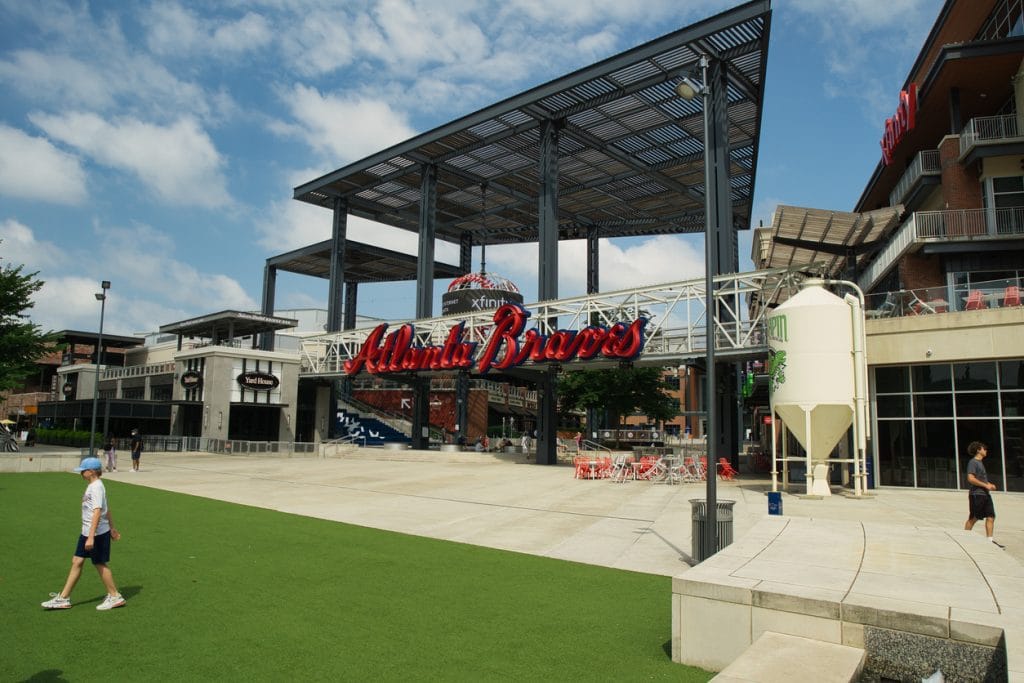
Franchises are increasingly embracing the hotel and food service business, realizing they can extend the fan experience and add value through physical infrastructure. In Atlanta, the Atlanta Braves developed The Battery Atlanta, a mixed-use complex adjacent to Truist Park. It includes restaurants, a luxury hotel, office space, and an entertainment district. The project brought in new revenue streams that have little to do with baseball games directly and everything to do with creating a lifestyle destination.
The move toward vertical integration—owning not just the team but also the surrounding ecosystem—is a strategic way to control the customer experience and the financial upside. The sports brand attracts traffic; the business operations monetize it.
This trend also reflects a deeper shift in how teams think about fan engagement. It is no longer just about 3-hour blocks of entertainment, but about developing spaces and products that cater to fans 365 days a year.
While franchises are growing their commercial footprints, individual athletes are doing the same. Many are launching companies, backing startups, or partnering with established brands. What is interesting is how teams and leagues are starting to collaborate with these athlete-led ventures instead of viewing them as separate enterprises.
Take LeBron James, who co-founded SpringHill Company, a media firm responsible for TV shows, films, and branded content. While LeBron’s business stands alone, his profile raises the overall marketability of the teams he plays for, and in some cases, his projects find promotional outlets through team media.
Another notable example is Megan Rapinoe, who has used her influence to create business opportunities in fashion and health, as well as launch advocacy-based campaigns. Some of these initiatives are being supported by team partnerships or league-level sponsorships, which broaden the commercial footprint for everyone involved.
This intersection of athlete entrepreneurship and team branding is becoming a key piece of modern sports monetization. Players are no longer just endorsing products—they are equity stakeholders, business owners, and partners in storytelling.
A growing number of teams and leagues are now creating investment arms to back startups aligned with their brand vision. These venture platforms give teams early access to emerging tech in sports, media, wellness, and fan engagement while also offering the potential for equity returns.
Harris Blitzer Sports & Entertainment, the parent company of the Philadelphia 76ers and New Jersey Devils, operates a venture fund that invests in early-stage companies. It is not uncommon for these teams to pilot new technology from the companies they invest in—everything from biometric wearables to smart ticketing solutions.
Meanwhile, Real Madrid has launched a digital innovation hub designed to support startups and bring tech into training, performance analysis, and fan experience. By putting money into early-stage innovation, sports teams are not just upgrading their operations—they are also participating in the upside of those investments.

The digital space has become a new frontier for sports monetization. NFTs (non-fungible tokens), digital trading cards, and esports competitions are introducing fresh streams of revenue and new ways to engage with younger audiences.
Platforms like Sorare, which combine fantasy sports with blockchain-based digital cards, allow teams to earn from licensing deals while offering fans collectible assets. Teams in the NBA, MLB, and major soccer leagues have already signed agreements that provide both immediate revenue and long-term branding potential.
Esports has also drawn major attention. Teams such as Paris Saint-Germain and Manchester City have launched their own esports divisions, building communities of younger fans who may not watch live matches but are actively participating in digital competitions.
These digital extensions not only generate licensing and partnership revenue but also allow teams to experiment with decentralized platforms, loyalty programs, and Web3 integrations that may shape the next wave of engagement.
Collaborations with lifestyle brands, apparel companies, and beverage firms have always existed in sports, but the nature of those partnerships is becoming more sophisticated. Rather than simply putting logos on jerseys, teams are co-creating products, launching limited drops, and using data to design fan-specific offers.
The Brooklyn Nets, for instance, partnered with luxury streetwear label KidSuper to produce capsule collections sold both online and at Barclays Center. These collaborations turn fans into fashion buyers and elevate the brand beyond sports.
Meanwhile, FC Barcelona has launched co-branded content with Spotify, integrating music into fan experiences both in-stadium and online. These moves signal a broader shift where teams are positioning themselves as cultural influencers, not just sports organizations.
Sports teams are no longer waiting for game day to generate income. With an entrepreneurial mindset and a strategic view of brand equity, they are moving into media production, real estate development, venture investing, and digital engagement. These efforts are reshaping how fans connect with their favorite teams and creating a range of new opportunities for partnerships and business expansion.
For entrepreneurs and business professionals, the changing dynamics of sports monetization offer a look into what is possible when a legacy brand adopts a startup mentality. The fan base is the foundation, but it is the creative application of that audience—across platforms, industries, and experiences—that is redefining what a modern sports franchise can become.