
Commercial landscaping was once viewed primarily as a maintenance service. Property owners hired contractors to mow lawns, trim hedges, remove weeds, and keep outdoor areas presentable. Although those responsibilities remain…
Read More...


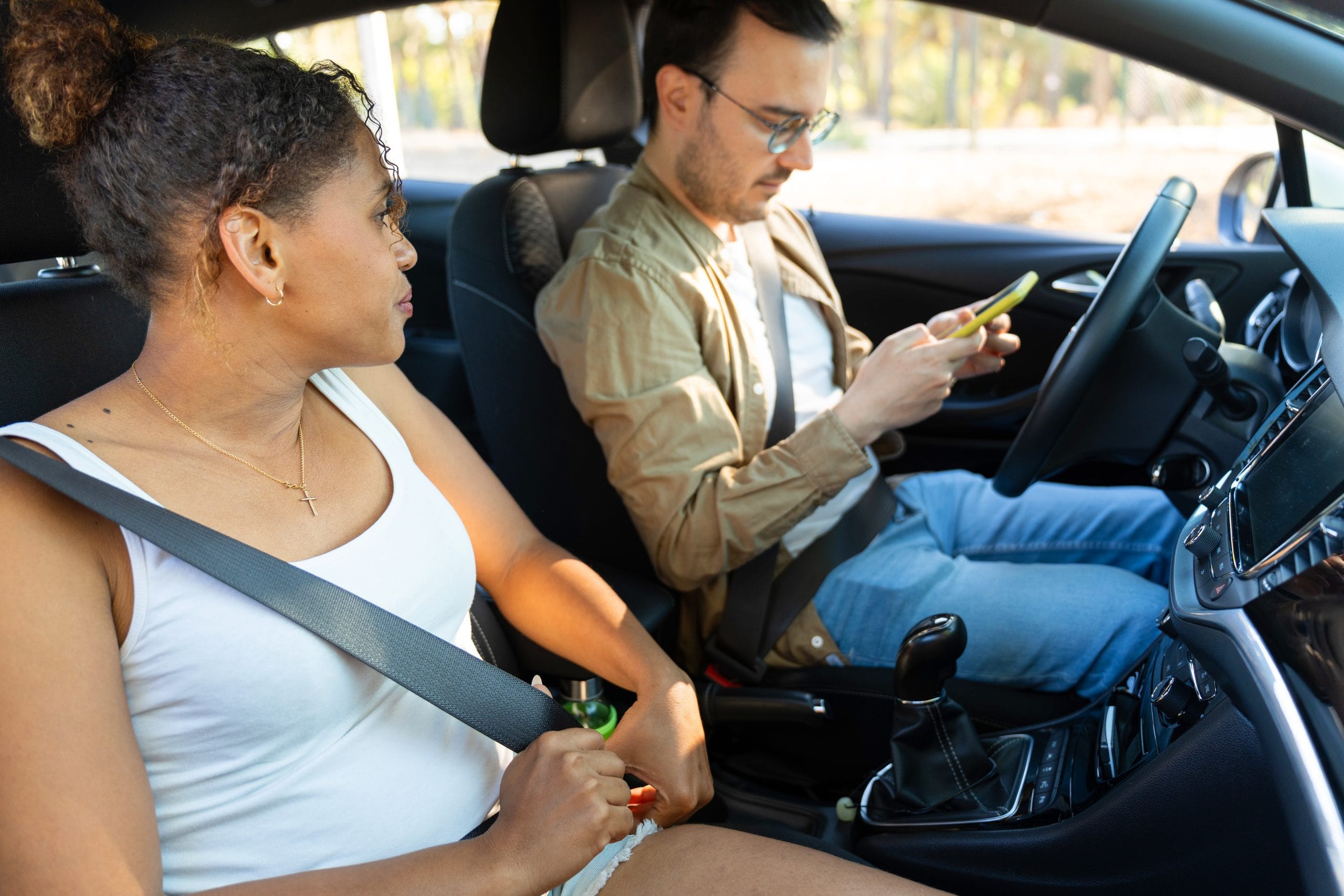


Smartphones sit at the center of modern life. They help us communicate, navigate, transact, and keep work moving. Yet when the screen lights up behind the wheel, that same tool turns into a serious safety threat. The habit has become so common that many drivers no longer notice how often their attention drifts. A red light becomes permission to skim a message. A slow stretch of highway becomes a chance to check a calendar invite. The moments feel small. The risk is not.
What makes this behavior so dangerous is not only the distraction but also the false confidence it creates. Drivers believe they can split their focus. They believe a quick glance will do no harm. They believe a reply can wait for the next clear patch of road. In reality, attention does not switch cleanly. It lags. It narrows. It misses signals that matter. Brakes ahead. Pedestrians stepping off the curb. A cyclist moving into the lane. Those seconds are where crashes begin.
The normalization of phone use in cars hides the scale of the problem. It is not limited to teenagers or inexperienced drivers. Seasoned professionals, founders, and executives fall into the same pattern. Always reachable becomes always reachable in motion. Productivity gains in one domain create losses in another. The end result looks like a culture that treats risk as routine.
There was a time when drunk driving stood alone as the clearest symbol of reckless behavior on the road. Long running campaigns by groups such as Mothers Against Drunk Driving changed the social contract. Friends take keys. Servers call a ride. People plan ahead. A mix of laws, education, and social pressure turned the tide.
Smartphone distraction belongs in the same conversation because the impact on reaction time and situational awareness is striking. Eyes leave the road. Minds leave the task of driving. Hands leave the wheel. That trio degrades the very skills needed to prevent a crash. The car ahead taps the brakes and the distracted driver notices late. A lane marker fades and the car drifts. A child chases a ball and the driver fails to register the motion until the last instant. The pattern mirrors impairment even if the cause is different.
There is a second parallel worth noting. Alcohol related crashes dropped as norms changed. People learned to view the choice not as a private decision but as a public one. The same shift is needed here. A text sent from a moving car is not only a private risk. It is a public hazard for everyone on that road.
Entrepreneurs and business leaders live with a special kind of urgency. Clients expect quick answers. Investors expect updates. Teams expect guidance. Many leaders set a personal standard of instant response. That standard collides with safe driving. A buzzing phone during a commute can feel like a test of reliability. Answer now and you look engaged. Wait until you park and you worry about missing a beat.
The decision carries consequences that go beyond personal safety. If a founder causes a crash because of a text behind the wheel, the story does not remain private. It becomes a reputation event. Stakeholders question judgment. Employees question the values that guide internal policies. Customers question whether the company truly prioritizes people. In a world where brand trust is hard won and easily lost, that is an expensive mistake.
There is also a leadership signal built into daily choices. Teams pay attention to what leaders do during crunch time. When an executive refuses to answer messages while driving and says why, it sets a useful boundary. It grants permission for others to protect time and attention in the same way. Culture often changes through small signals repeated many times.
Distracted driving imposes real financial costs at scale. The National Safety Council tracks the burden of motor vehicle crashes across medical care, lost productivity, property damage, legal expense, and insurance. When distraction is part of the cause, the downstream costs rise for individuals, employers, and communities. Premiums go up. Litigation drags on. Time away from work accumulates.
Small and midsize businesses are particularly exposed. A single incident involving an employee in a company vehicle can spark liability claims that stretch for months. Even when insurance covers damages, leaders spend time on depositions, reports, and internal follow up. That is time not spent on customers or growth. For larger enterprises, the reputational hit can be the bigger cost. Safety is a trust issue, and trust lines up closely with sales, recruiting, and partnerships.
There is also a hidden productivity tax inside the habit. Fragmented attention makes it harder to return to deep work once the drive ends. The brain pays a reentry cost each time it context switches. Look at the phone at a light, then try to settle into a complex task at the next stop. The residue of distraction lingers. Over a quarter or a year, that friction adds up.
Phones create the temptation, but technology also offers paths forward. Modern vehicles ship with voice controls, haptic alerts, and driver assistance features that can compensate for human error. Brands like Tesla and Ford have invested in lane keeping support, adaptive cruise control, and automatic emergency braking. These systems do not excuse distraction, yet they can help create a margin when a driver slips.
On the phone side, there are settings and apps that limit interruptions while in motion. Many phones can detect movement that looks like driving and silence notifications or send an auto reply. When enabled, the feature removes the temptation that causes so much trouble. The obstacle is not capability. It is adoption. People often disable the setting because they fear missing something important. The irony is that the setting exists to prevent something far more serious that could cause a long absence from work and life.
The best use of technology pairs restraint with smart defaults. Put the phone in a glove box. Use voice only for navigation. Let messages queue until you arrive. Set call routing so that a colleague can reach another team member during commute windows. None of these steps require new inventions. They require a decision to value focus during the time when focus matters most.
Workplace expectations shape driving behavior more than most leaders realize. If a company praises instant replies at all hours, some employees will answer from the road. If a manager schedules check ins during rush hour and rewards quick responses, risk follows. Cultures are built from patterns, and communication patterns do not stop at the office door.
There is a better model. Formal policies can set a clear standard that messages while driving should wait. Training can cover the science of attention and the real world impact of a slow reaction at speed. Automated tools can support the policy by adding commute hours to calendars and by setting auto replies during those windows. The main goal is simple. Make safety normal and make delay acceptable when someone is on the road.
Leadership behavior matters most. When a founder says I will call you once I park and then follows through, that action teaches more than any slide deck. When an executive opens a meeting by stating that reply times during commute windows are not required, that statement removes pressure. Over time, these choices build a culture where the safest choice is the default choice.
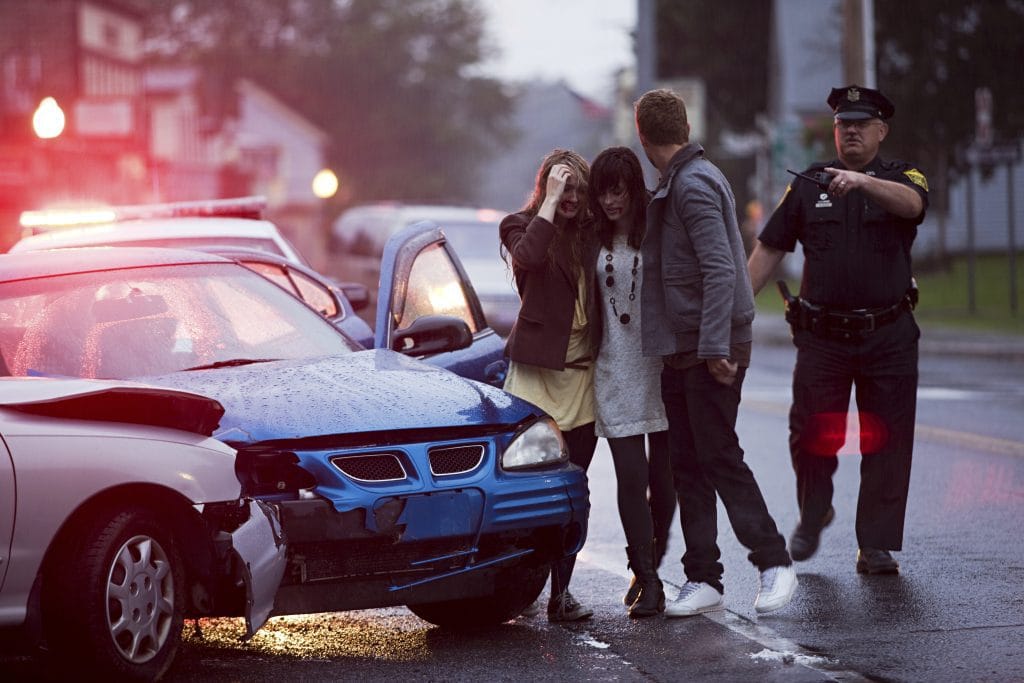
Public health efforts offer a useful playbook. Anti smoking campaigns did not only list statistics. They told stories and reshaped identity. Drunk driving prevention combined law enforcement with education and social proof. Seatbelt use increased when families treated it as an obvious habit rather than a debate. The same approach can work here.
Several private sector efforts point the way. AT&T created the It Can Wait campaign, which asked people to choose not to text behind the wheel. Toyota has sponsored programs that frame attention as the most valuable safety feature. These campaigns use simple language and repeatable commitments. They also offer a useful lesson for businesses. If a brand can influence millions, a company can influence its own network with policies, training, and steady messaging.
Entrepreneurs can adapt these ideas with a few practical steps. Build a short pledge into onboarding that states messages can wait until the car is parked. Share a monthly safety note that highlights one real story and one small habit change. Encourage teams to turn on driving modes on their phones during travel. The goal is to make the safe path easy and the risky path awkward.
Statistics tell us the scale. Stories tell us the stakes. Families live with loss that numbers cannot measure. Survivors manage injuries that alter careers and change day to day life. A crash caused by a phone is not a spreadsheet entry. It is a ripple through a community, a workplace, and a circle of friends.
Business leaders are well placed to amplify the human side. Company meetings that include a brief safety reminder send a signal that people come first. Internal newsletters that feature a short narrative about attention on the road help translate an abstract risk into a personal choice. When leaders make it clear that a late reply is fine and that a safe arrival is what matters, employees listen.
There is also a personal dimension for founders and executives who travel often. The commute can be the rare block of time with no meetings and no noise. Protecting that time produces calm rather than lost productivity. Ideas surface when the mind is not split between a screen and the street. Paradoxically, better focus on the road can lead to better work once the drive ends.
The long term solution may come from a shift in how cars operate. Autonomous systems aim to reduce the role of human error. Companies such as Waymo and Cruise have invested in perception, planning, and control systems that can navigate complex environments. Progress is real, yet widespread use will take time. Technical hurdles remain. Regulatory frameworks evolve. Public comfort grows in steps.
Until that future arrives, we live with a present that requires discipline. Smartphones are not leaving our pockets. Notifications are not slowing down. Navigation still runs through apps. The bridge between now and autonomy is a culture that treats attention as non negotiable when a car is in motion.
That culture pays dividends beyond the road. A team that practices attention during commutes learns to practice attention at work. Meetings shorten because people stay present. Projects move faster because context switching drops. Safety habits and productivity habits reinforce each other.
Smartphones represent progress, convenience, and opportunity. On the road they also represent risk. The comparison to drunk driving is not a headline grab. The pattern of delayed reaction, missed signals, and overconfidence is real. Entrepreneurs and business professionals have both a personal and an organizational stake in changing it.
The path forward is practical. Leaders can model distraction free driving and say so out loud. Companies can set policies that protect people during commute windows and back those policies with real permission to respond later. Technology can help by silencing alerts and by supporting drivers when attention slips. Public campaigns and private pledges can move norms in the right direction.
The habit begins with one choice. Put the phone out of reach before the car moves. Let messages wait. Treat attention as the most valuable safety feature. The return on that decision is measured in lives protected, reputations preserved, and work that benefits from a mind that arrives focused and ready.