
For decades, the annual performance review has been one of the most familiar rituals in the workplace. Employees sit down with a supervisor, discuss accomplishments and shortcomings from the previous…
Read More...


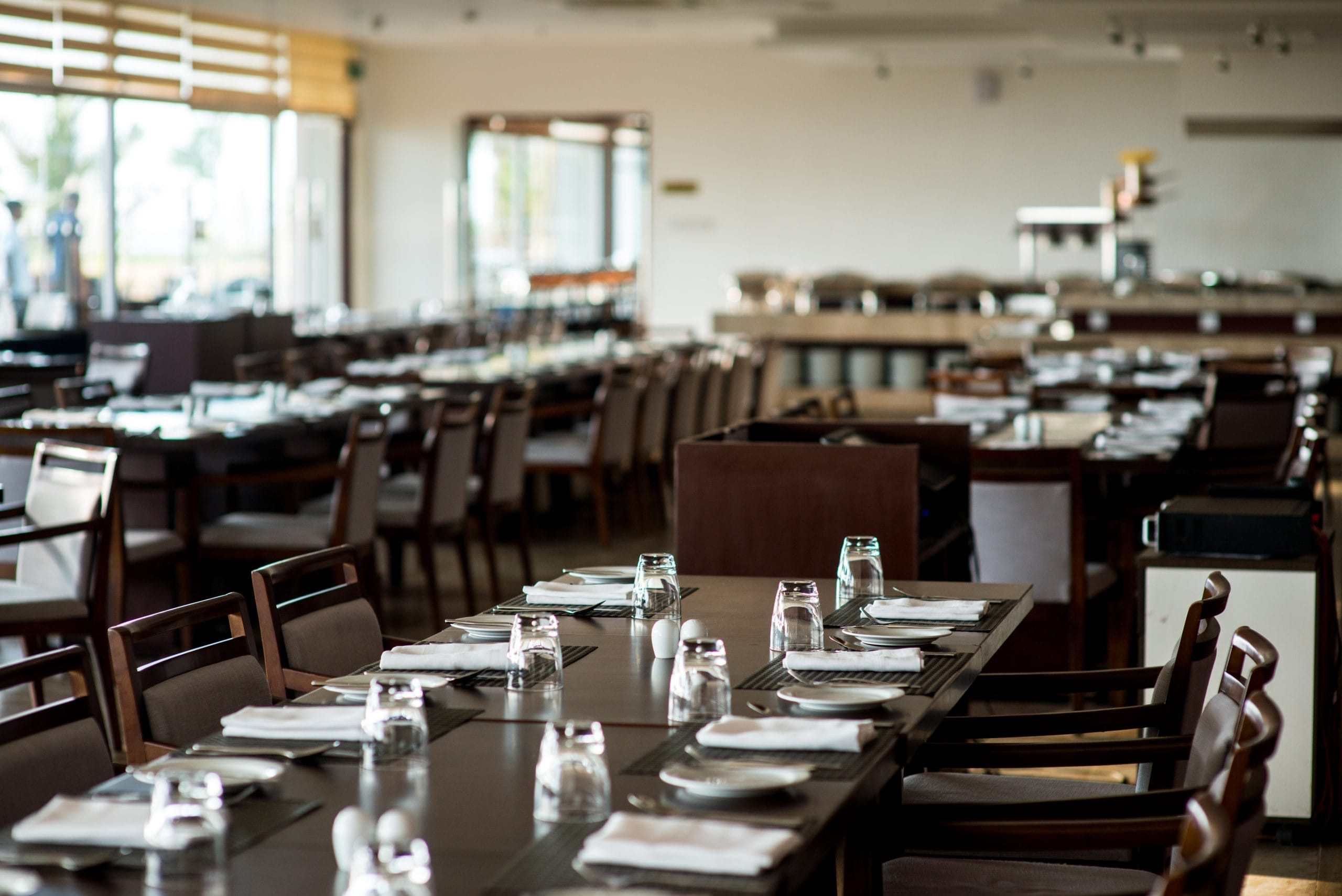


The restaurant industry has always attracted independent thinkers. For decades, ownership followed a familiar path. An individual or small group raised capital, signed a lease, bought equipment, hired staff, and hoped volume and consistency would carry the business forward. That structure still exists, but it is no longer dominant. Rising costs, tighter margins, and changing consumer behavior have pushed operators to rethink how ownership works at a fundamental level.
Today, restaurant ownership looks more fragmented and more flexible. Operators are experimenting with shared ownership, licensing arrangements, management agreements, and hybrid models that spread risk while preserving upside. These changes are not theoretical. They are responses to real pressures that continue to reshape how restaurants open, scale, and survive.
One of the biggest drivers behind new ownership models is cost. Real estate, labor, insurance, utilities, and food inputs have all risen at different rates, but rarely in harmony with menu pricing. Many restaurant operators find themselves profitable on paper while struggling with cash flow in practice.
To adapt, ownership structures are shifting toward arrangements that reduce upfront capital exposure. Instead of one owner absorbing all startup risk, some concepts rely on investors who fund buildouts while operators focus on execution. Others license a brand and operating system rather than owning everything outright. This approach allows restaurants to open with less personal financial exposure while maintaining operational control.
Shared ownership models are becoming more common, particularly in urban markets. In these arrangements, operators partner with passive investors who provide capital in exchange for equity or revenue participation. This structure allows experienced operators to scale faster without overextending themselves.
Investment firms such as Roark Capital have demonstrated how strategic ownership can accelerate growth across multiple restaurant brands. While smaller operators may not work with firms of that scale, the underlying concept has filtered down. Local investment groups and private individuals are stepping into similar roles, often funding multiple locations under a single operating umbrella.
Another shift involves licensing rather than full ownership. Instead of building a restaurant identity from scratch, operators license an established brand, menu, and operational framework. This model reduces uncertainty around customer recognition and product demand.
Companies like Nextbite have taken this approach further by creating virtual restaurant brands that operate inside existing kitchens. Operators do not own the brand itself. They license it and execute delivery focused menus that rely on digital demand rather than foot traffic. Ownership in this context becomes operational rather than conceptual.
Traditional ownership often required operators to act as financiers, marketers, HR managers, and compliance officers all at once. New models separate these roles. Operator first structures allow chefs and managers to focus on food quality, service, and consistency while centralized entities handle procurement, branding, and administration.
Groups like Union Square Hospitality Group have long operated with shared resources across multiple concepts. This structure spreads overhead while preserving individuality at the restaurant level. Independent operators are now adopting scaled down versions of this model to remain competitive.

Franchising remains a powerful ownership model, but it has evolved. Modern franchisees are more selective and data driven. They evaluate territory rights, supply chain control, and exit options before committing capital.
Brands such as Toast have influenced this evolution indirectly by providing technology platforms that support multi unit ownership. Franchisees now operate more like portfolio managers, overseeing several locations with shared systems rather than running each restaurant independently.
Ownership models change when information becomes easier to share and measure. Real time reporting, inventory tracking, and labor analytics have made it possible to separate ownership from daily management without losing visibility.
Platforms such as Lightspeed provide centralized dashboards that allow owners, investors, and operators to view performance without being physically present. This transparency makes shared ownership viable in ways that were impractical in earlier decades.
Restaurant ownership is no longer viewed solely as a lifestyle decision. Many operators now consider exit strategy from the outset. Ownership models increasingly include buy sell provisions, investor liquidity options, and defined valuation mechanisms.
Private equity interest in restaurant groups has reinforced this mindset. Firms such as Sycamore Partners focus on scalable structures that support acquisition and divestment. Even independent operators are borrowing these concepts to protect long term value.
For new entrants, flexible ownership models lower the barrier to entry. For established operators, they offer paths to scale without sacrificing stability. The shift is not about abandoning ownership. It is about redefining what ownership actually means in a modern restaurant business.
Restaurants that adapt their ownership structures to match current realities tend to gain resilience. They absorb shocks better, attract capital more easily, and respond faster to market changes. Those that cling to rigid models may still succeed, but the margin for error continues to narrow.
The restaurant industry has always rewarded creativity, but today that creativity extends beyond the menu. Ownership itself has become a strategic decision rather than a fixed identity. As costs rise and competition intensifies, the ability to rethink how control, risk, and reward are distributed may determine which restaurant businesses thrive in the years ahead.