
Commercial landscaping was once viewed primarily as a maintenance service. Property owners hired contractors to mow lawns, trim hedges, remove weeds, and keep outdoor areas presentable. Although those responsibilities remain…
Read More...


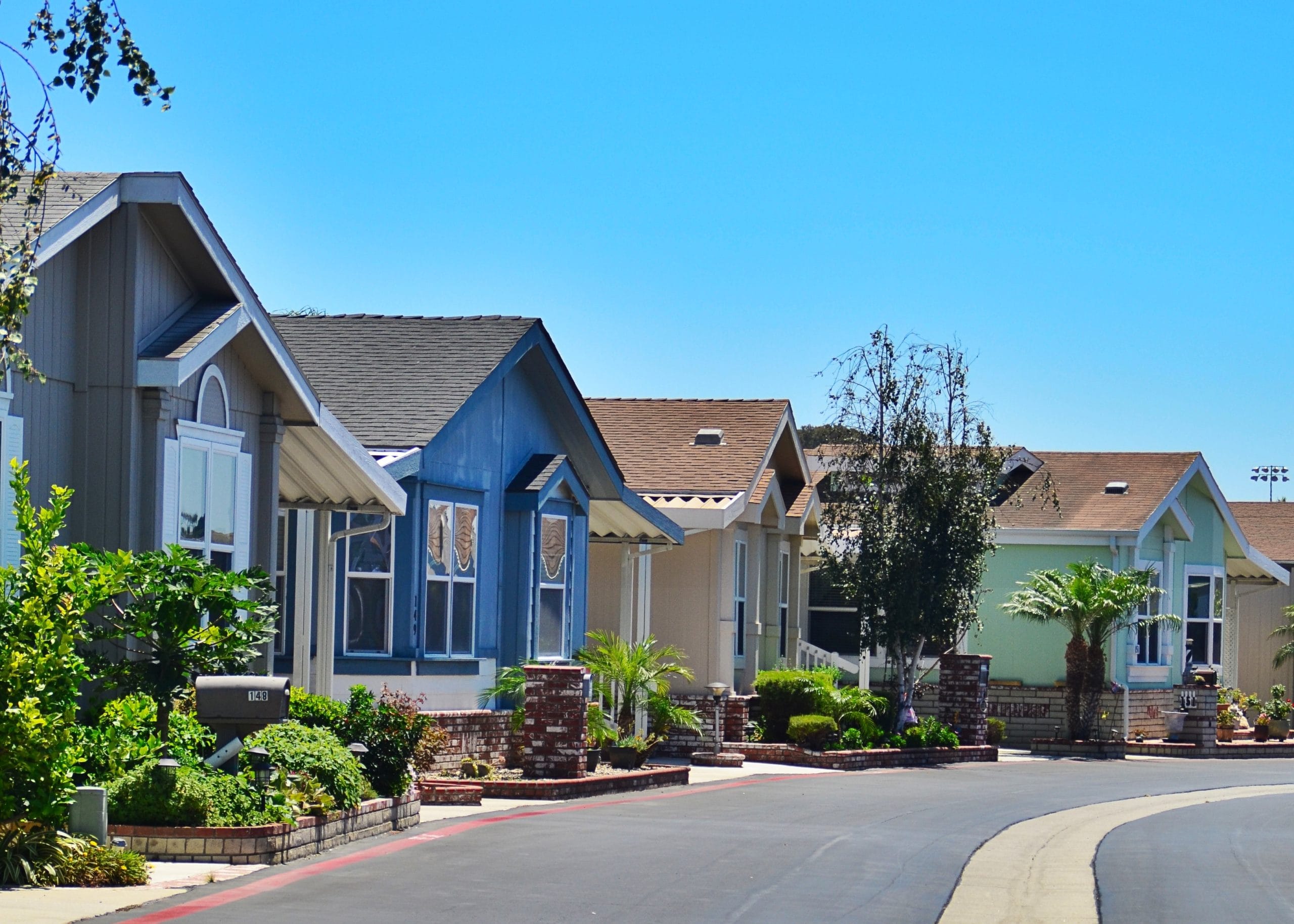


Manufactured Housing is moving into a more prominent position within the American business landscape. Once viewed primarily as a narrow segment of residential real estate, the industry is increasingly being recognized as a broader commercial ecosystem involving construction, land development, property management, financial services, technology, transportation, insurance, maintenance, and community operations.
More than 22 million Americans live in manufactured homes, according to the Manufactured Housing Institute. That existing customer base alone represents a substantial market for entrepreneurs and established companies. At the same time, housing availability remains a serious concern in many parts of the country, creating additional interest in homes that can be produced efficiently and delivered at a price that may be more accessible than many homes constructed entirely at a residential site.
The growing attention is not limited to home manufacturers or large real estate investors. Small businesses can participate through installation, home improvement, landscaping, property services, resident technology, brokerage, transportation, community management, and other specialized offerings. Manufactured Housing is becoming less of a single product category and more of a platform for business creation.
A manufactured home is constructed in a controlled factory environment before being transported to its final location. Modern homes built under federal standards are different from the older mobile homes that shaped much of the public perception of the industry.
Factory production allows builders to coordinate labor, materials, inspections, and assembly within a centralized location. Construction is less exposed to changing weather conditions, and many tasks can be repeated through established processes. This operating model can reduce certain inefficiencies associated with building every home from the ground up at a separate job site.
Companies such as Clayton Homes, Champion Homes, Cavco Industries, and Legacy Housing have helped expand the variety of manufactured homes available to buyers. Depending on the builder and market, consumers may find homes with open floor plans, multiple bedrooms, contemporary kitchens, porches, energy saving features, upgraded finishes, and exterior designs intended to resemble conventional residential construction.
This product development matters from a business standpoint. When the appearance and features of manufactured homes improve, the potential customer base becomes larger. Buyers who may not have considered this type of housing in the past may begin comparing it with condominiums, rental properties, starter homes, retirement communities, and smaller homes built directly on residential lots.
Housing affordability is often discussed as a social or political issue, but it is also a significant business issue. Employers need workers to live within a reasonable distance of their workplaces. Growing communities need housing for teachers, health care workers, hospitality employees, tradespeople, public safety personnel, retirees, and young families.
When housing costs rise faster than local incomes, businesses can experience recruitment problems, employee turnover, longer commutes, and pressure to increase compensation. Manufactured Housing can become part of the local housing mix, particularly in markets where traditional construction is unable to produce enough moderately priced homes.
This does not mean every manufactured home will be inexpensive. The final cost can include land, transportation, installation, utility connections, foundations, permits, site preparation, taxes, insurance, and community fees. Nevertheless, factory production can provide a different cost structure from conventional construction.
The Manufactured Housing Institute describes production efficiency as one of the reasons manufactured homes can offer accessible housing options. Industry trends also indicate that buyers are not only seeking the least expensive possible product. Many buyers are interested in larger layouts, upgraded living spaces, attractive exteriors, modern appliances, and features that support long term residential use.
For business owners, this demand creates opportunities across the full life cycle of a home, from the initial factory order to transportation, placement, resident move in, maintenance, remodeling, resale, and community management.
Manufactured home communities have attracted considerable interest from real estate operators because they have characteristics that differ from apartment complexes and conventional housing developments. In many communities, residents own their homes while leasing the land beneath them. The property owner may be responsible for roads, shared facilities, landscaping, utilities, community spaces, and overall property operations.
Public companies such as UMH Properties, Sun Communities, and Equity LifeStyle Properties operate manufactured home communities in multiple markets. Their involvement has helped bring greater institutional attention to the sector.
However, community ownership requires more than collecting monthly lot rent. Operators must manage infrastructure, resident communication, regulatory obligations, property appearance, vacant sites, home sales, service providers, and long term capital improvements. A poorly managed community can face resident dissatisfaction, deferred maintenance, reputational damage, and local opposition.
Responsible operators have an opportunity to distinguish themselves through cleaner properties, predictable communication, useful amenities, transparent policies, and consistent maintenance. Residents are more likely to value a community when management treats it as a neighborhood rather than merely a collection of rental spaces.
That distinction may become increasingly important as more investors enter the sector. Financial performance matters, but so does the quality of the resident experience. Operators who ignore that balance may create political, regulatory, and public relations problems that affect the broader industry.
The ability to manufacture homes efficiently does not automatically mean communities will allow those homes to be placed where demand exists. Local zoning rules, minimum lot sizes, architectural requirements, density restrictions, permitting procedures, and public opposition can limit development.
In some municipalities, manufactured homes are restricted to designated communities. Other jurisdictions may allow them only in certain rural districts or impose design standards that increase project costs. Even when a development is legally permitted, approval may require public meetings, engineering reviews, utility studies, traffic evaluations, and negotiations with local officials.
This creates a business opportunity for professionals who understand land use planning. Attorneys, engineers, architects, development consultants, government relations specialists, and site selection firms can help property owners determine whether a proposed project is feasible before substantial money is committed.
Entrepreneurs considering this industry should not treat zoning as an administrative detail. A parcel may appear affordable and suitably located but still be unusable for the intended development. Careful analysis of permitted uses, density, utilities, drainage, road access, environmental conditions, and approval requirements is essential before purchasing land.
There is also room for better public communication. Community resistance is sometimes based on outdated images of manufactured housing. Developers who present attractive site plans, modern home designs, infrastructure commitments, landscaping standards, and professional management policies may have a better chance of earning local support.
Many manufactured housing businesses still operate through disconnected systems, paper applications, manual service requests, telephone communication, and outdated websites. That creates room for technology companies and software entrepreneurs.
A modern community platform could allow residents to make payments, report maintenance concerns, receive emergency notices, upload documents, review community policies, reserve amenities, and communicate with management. Property operators could use the same system to track vacant sites, installation schedules, utility work, inspections, home inventory, contractor assignments, and resident inquiries.
Sales technology is another area with potential. Consumers often begin their search online, yet manufactured housing websites can vary greatly in quality. Buyers may have difficulty comparing floor plans, understanding total project costs, locating available land, or determining which homes are permitted in their area.
Better digital tools could connect buyers with manufacturers, retailers, lenders, installers, community operators, and local service providers. Virtual home tours, interactive floor plans, site readiness checklists, construction updates, and centralized document portals could make the purchasing process more transparent.
Technology will not remove the physical and regulatory complexities of manufactured housing, but it can reduce confusion. Businesses that simplify the customer journey may create value even when they are not directly involved in manufacturing or property ownership.
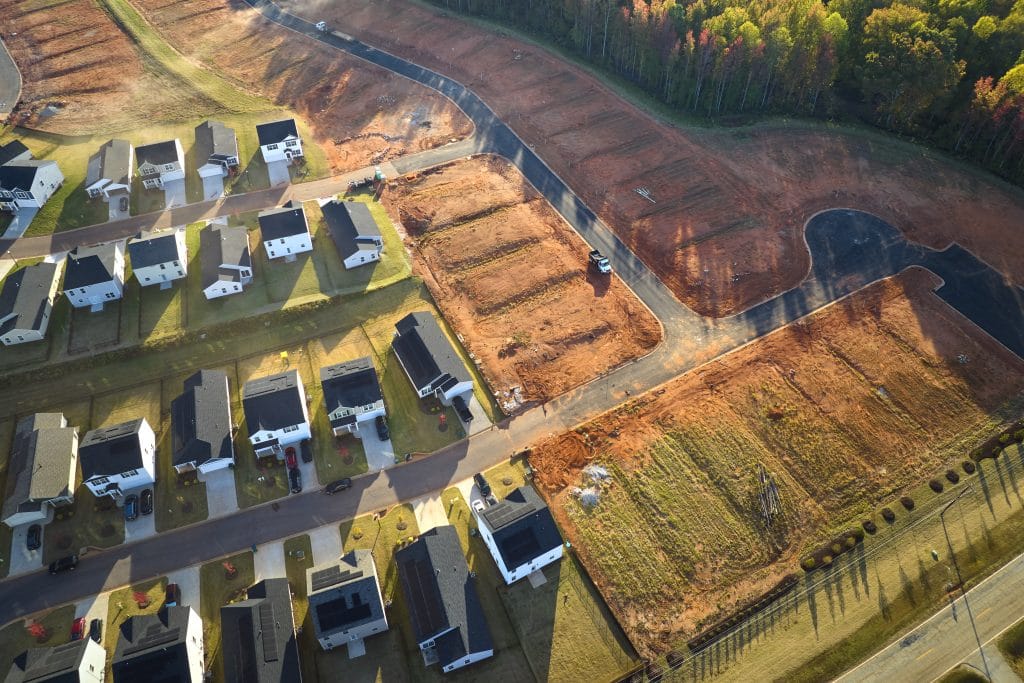
The size of the opportunity becomes clearer when Manufactured Housing is viewed as a network of related services. A new home must be transported, placed, connected, inspected, and prepared for occupancy. Existing homes require maintenance, repairs, upgrades, cleaning, roofing, plumbing, electrical work, heating and cooling services, pest control, and landscaping.
Some of these services require specialized knowledge. Manufactured homes may have different structural systems, access points, materials, and installation requirements from traditional homes constructed at their final location. Contractors who understand those differences can build a valuable market position.
There may also be opportunities in skirting replacement, tie down inspections, foundation work, accessibility modifications, porch construction, window replacement, exterior improvements, and energy efficiency upgrades. In regions exposed to hurricanes, flooding, wildfires, or severe storms, property owners may seek stronger anchoring systems, elevated installations, roof improvements, drainage solutions, and other resilience measures.
Modern manufactured homes are built to federal construction and safety standards, but correct installation, suitable site selection, and continued maintenance remain important. Companies that combine technical competence with dependable customer service may find a substantial and often underserved customer base.
Manufactured Housing continues to carry reputational baggage from older mobile homes, poorly maintained parks, aggressive sales practices, and negative portrayals in popular culture. Entrepreneurs entering the sector should recognize that public perception can influence customers, lenders, local governments, and potential business partners.
The best response is not simply a marketing campaign. Strong operators must demonstrate better standards through their work. That may involve honest pricing, clear contracts, responsive property management, attractive community design, dependable construction, and respectful treatment of residents.
Terminology also matters. A manufactured home built after federal standards took effect in 1976 is not the same product as an older mobile home. Modular homes represent another category and are generally constructed to state or local building codes rather than the federal manufactured housing code. Businesses should explain these distinctions accurately rather than using every factory built housing term interchangeably.
Customer education can become a competitive advantage. Buyers need to understand land ownership, community leases, resale considerations, installation requirements, warranties, utility responsibilities, insurance, taxes, and ongoing costs. A company that makes these matters understandable can establish credibility in a market where consumers may arrive with uncertainty.
Changes in federal standards and continued product development may allow manufactured housing to include a wider variety of residential designs. Manufactured homes are no longer limited to the simple layouts that many people associate with older mobile homes. Builders and developers are considering larger residences, multiple dwelling configurations, more flexible floor plans, and designs suited to a wider range of neighborhoods.
These developments could open possibilities beyond the traditional single family home or land lease community. Small properties containing multiple residences, workforce housing, infill projects, multigenerational living arrangements, and compact developments could become more practical in certain locations.
The business significance is substantial. A broader range of permitted designs could attract developers who previously viewed manufactured housing as too limited for urban or suburban projects. It may also create demand for new floor plans, engineering services, transportation methods, installation systems, and property management models.
Adoption will still depend heavily on local zoning and market acceptance. A federal construction standard does not require a municipality to approve every proposed project. Even so, greater design flexibility gives entrepreneurs and developers more options to consider.
The arrival of more investors can bring professional management, upgraded infrastructure, new homes, stronger marketing, and additional capital. It can also create concerns about rent increases, community rules, displacement, and the treatment of long term residents.
Manufactured home communities are unusual because residents may own a home that is expensive or difficult to relocate while leasing the underlying land. That relationship gives community owners significant influence over residents’ housing stability.
Business owners who take a long term approach should consider how operational decisions affect both profitability and resident trust. Sudden policy changes or poorly communicated increases may produce immediate revenue but damage the community’s reputation and relationship with local officials.
A stable community with satisfied residents, maintained infrastructure, low vacancy, and consistent management can be a strong business asset. Treating residents fairly is not separate from sound operations. It can support retention, reduce conflict, improve online reviews, and strengthen the property’s standing within the surrounding area.
Manufactured Housing is attracting new business attention because it sits at the intersection of housing demand, American manufacturing, real estate, technology, and local economic development. The opportunity extends beyond producing homes. Entrepreneurs can participate through community operations, land development, transportation, installation, contracting, software, sales, resident services, and specialized professional support.
The industry still faces real obstacles, including restrictive zoning, infrastructure costs, public misconceptions, regulatory complexity, and concerns about resident stability. Those challenges also create openings for businesses capable of solving problems rather than merely selling products.
Entrepreneurs who approach Manufactured Housing with patience, transparency, and a clear understanding of local markets may find a sector with substantial room for thoughtful innovation. As designs improve and more communities search for practical housing options, manufactured housing could become an increasingly important part of both the residential market and the wider business economy.