
Commercial landscaping was once viewed primarily as a maintenance service. Property owners hired contractors to mow lawns, trim hedges, remove weeds, and keep outdoor areas presentable. Although those responsibilities remain…
Read More...


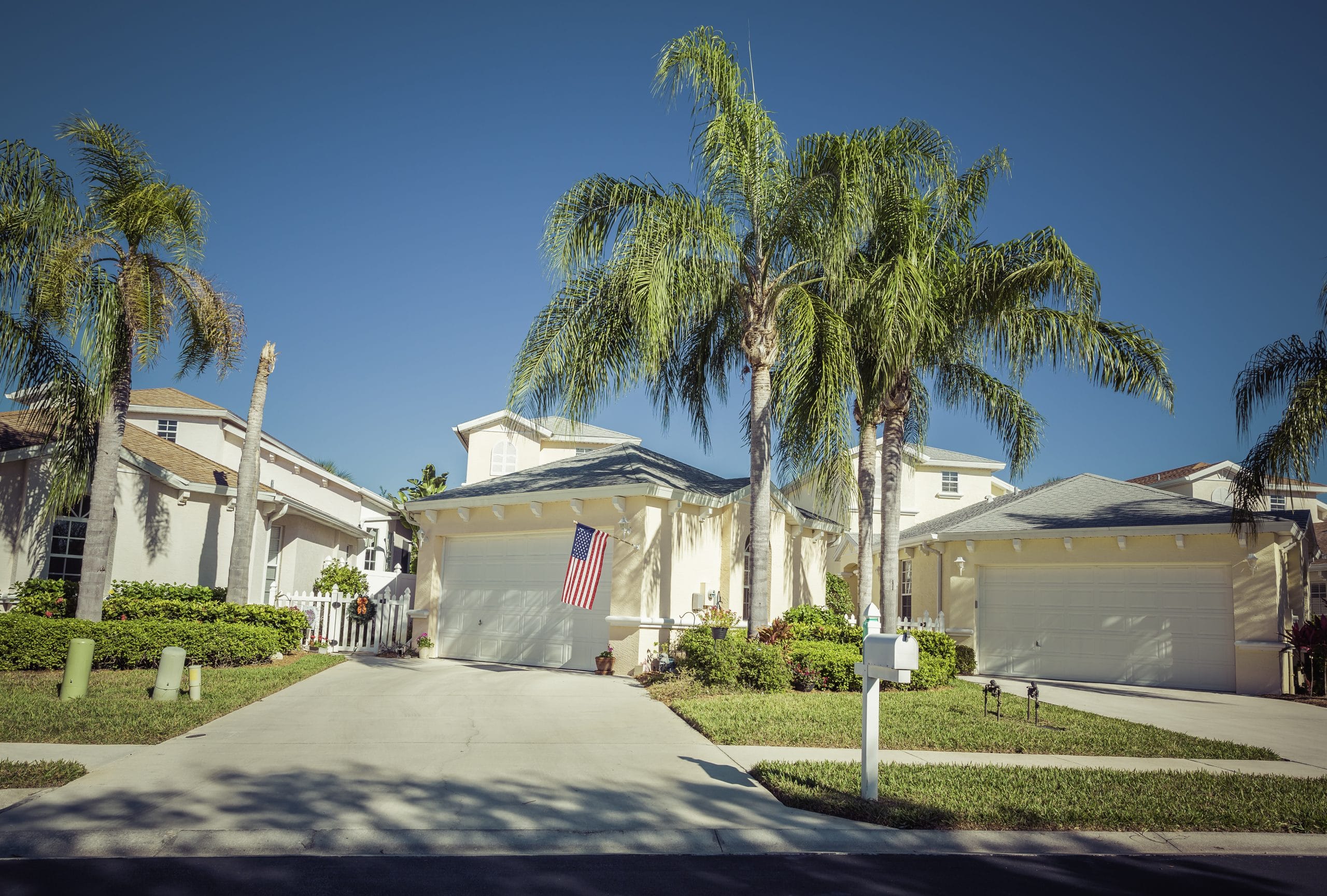


Florida has long attracted retirees, seasonal residents, vacation homeowners, investors, and professionals who divide their time between multiple states. That population has created demand for an increasingly visible service category: professional Home Watch Services.
A home watch company conducts scheduled visits to an unoccupied residence and looks for noticeable problems that may require attention. The National Home Watch Association describes home watch as a visual inspection of a home or property for obvious issues. Unlike a security system, a home watch professional physically enters or walks around the property, observes its condition, documents the visit, and communicates findings to the owner.
The service can be particularly valuable in Florida, where heat, humidity, heavy rain, hurricanes, plumbing failures, pests, air conditioning problems, and extended periods of vacancy can create costly complications. A residence that appears perfectly normal from the street may have a leaking water heater, a malfunctioning air conditioning system, a tripped electrical breaker, an open window, or early signs of mold inside.
For entrepreneurs, Home Watch Services represent more than an occasional property check. They are becoming a specialized local business built around recurring service, personal trust, documented procedures, and long term client relationships.
The size of Florida’s seasonal housing market gives home watch businesses a substantial potential customer base. Florida has a large number of vacant, seasonal, and vacation properties, particularly in coastal areas and communities popular with retirees. Many owners leave their homes unoccupied for weeks or months at a time, creating a continuing need for reliable local oversight.
These properties are not limited to oceanfront estates or luxury condominiums. Seasonal homes can be found throughout Naples, Fort Myers, Sarasota, Bradenton, The Villages, Palm Beach County, the Treasure Coast, Orlando, Tampa Bay, and many other Florida markets.
Some owners leave Florida for the summer and return during the winter. Others visit only a few times each year. There are also business owners, executives, professional athletes, international buyers, and frequent travelers who may be away from their Florida residences for extended periods.
Even when a home is equipped with cameras, alarms, water sensors, and smart thermostats, technology cannot always determine why something is happening. A camera may show that a room is still standing, but it may not reveal a slow leak under a sink. A thermostat may report the temperature, but it may not identify an air conditioning drain line that has started backing up.
Home Watch Services give absentee owners a local person who can observe the property, communicate what is happening, and help coordinate the next step when a problem is discovered.
A home watch visit is not the same as a formal home inspection, property appraisal, security patrol, or licensed repair service. Its purpose is generally to identify visible irregularities and report them to the homeowner before they become more serious.
During a typical visit, the provider may look for signs of water intrusion, plumbing leaks, unusual odors, pest activity, electrical problems, air conditioning issues, broken windows, damaged screens, exterior deterioration, or unauthorized entry. The provider may also confirm that doors are locked, appliances are operating as expected, toilets have not developed problems, and the general condition of the property has not noticeably changed.
The exact checklist depends on the company, property, service agreement, and homeowner’s instructions. A condominium may require a different process than a detached waterfront residence with a pool, generator, landscaping system, and multiple mechanical components.
The business value comes from consistency. A single visit can be useful, but regularly scheduled visits create a documented history of the property’s condition. Photographs, notes, timestamps, and issue reports can help the owner understand when a problem first appeared and how it progressed.
This documentation may also help homeowners communicate with repair companies, community associations, insurance professionals, and other parties. It does not guarantee insurance coverage or replace the homeowner’s policy obligations, but it can provide a useful record of the attention being given to the residence.
Many seasonal homeowners have historically relied on a friend, neighbor, relative, property manager, or community employee to occasionally look at their residence. That arrangement may work for a limited period, but informal favors often lack a defined schedule, inspection process, written report, or clear responsibility.
A neighbor may walk past the property and notice a fallen tree branch, but that person may not enter the home, inspect multiple rooms, photograph conditions, or return every week. Informal helpers can also travel, become unavailable, move away, or feel uncomfortable handling keys and responding to property problems.
Professional Home Watch Services turn that loosely defined favor into a formal business relationship. Clients know when visits will occur, what areas will be reviewed, how findings will be reported, and whom to contact if an urgent situation develops.
Credibility is particularly important because the service provider may receive keys, alarm codes, gate access information, and permission to enter a valuable residence. Industry organizations therefore place considerable emphasis on background checks, insurance, bonding, training, ethical standards, and documented business practices. The National Home Watch Association and the Florida Home Watch Association both offer programs intended to distinguish professional providers.
A business owner entering this field should recognize that clients are not merely buying a checklist. They are granting access to their private property and relying on the provider’s judgment, communication, and discretion.
Home watch can be appealing to entrepreneurs because it naturally supports recurring service arrangements. Rather than searching for a completely new customer every day, a provider may visit the same group of properties weekly, every two weeks, or according to another agreed schedule.
Recurring clients can make revenue more predictable and allow the owner to plan routes, staffing, reporting, and operating expenses. A well organized route may include several homes within the same gated community, condominium development, retirement area, or nearby group of neighborhoods.
Route density is critical. A company with ten clients located close together may operate more efficiently than a company with twenty clients spread across several counties. Excessive travel reduces the number of visits that can be completed and makes urgent responses more difficult.
This is why successful home watch companies often concentrate on a clearly defined service area. A provider might focus on one coastal community, a small group of nearby neighborhoods, or several developments with a high percentage of seasonal owners.
Local specialization can also strengthen marketing. The business owner becomes familiar with community access procedures, association rules, common construction styles, local vendors, storm vulnerabilities, and recurring property concerns within that area.
Modern customers increasingly expect more than a text message saying that everything looks fine. They may want a structured report, photographs, arrival and departure records, comments about each inspected area, and immediate notification when something appears unusual.
Industry specific platforms such as Home Watch IT offer scheduling, inspection reporting, invoicing, issue tracking, and customer management tools designed for home watch companies. Technology can help providers standardize visits and present a more professional experience as the customer base grows.
Still, software should support the service rather than replace personal attention. A beautifully formatted report has limited value when the underlying visit is rushed or inconsistent. Customers are paying for reliable observation, not merely photographs inserted into a template.
The strongest operators combine both. They use technology to document the visit while maintaining direct communication with the homeowner. When a concern arises, they explain what they observed, provide relevant photographs, and follow the client’s instructions regarding vendors or emergency contacts.
Technology may also create opportunities for stronger internal controls. Businesses can maintain property specific checklists, access instructions, key logs, vendor contacts, service histories, and escalation procedures. This becomes increasingly important when the company hires employees or serves a larger number of residences.
Home watch visits can serve as the foundation for related concierge and property support services. Depending on the company’s capabilities and local requirements, additional offerings may include opening a home before the owner’s return, accepting deliveries, meeting repair vendors, overseeing scheduled maintenance, checking vehicles, coordinating cleaning, replacing air conditioning filters, or helping prepare the property for a storm.
Some companies also provide visits after a storm when travel conditions and local authorities permit access. Seasonal homeowners may want photographs and a condition report following severe weather, especially when they are hundreds or thousands of miles away.
These additional services can increase revenue, but owners should avoid turning the business into an uncontrolled collection of errands. Each service should have defined pricing, procedures, limitations, and customer authorization.
There is also an important distinction between observing a problem and performing specialized work. Plumbing, electrical, pest control, security, construction, mold remediation, and other activities may require specific licenses, training, or insurance. A home watch provider should know when to report an issue and refer the work to a qualified vendor rather than attempting a repair outside the company’s scope.
Home Watch Services are unusually dependent on reputation. A homeowner may be comfortable hiring a lawn company after comparing a few prices, but granting someone access to the inside of an unoccupied residence requires a higher level of confidence.
Professional presentation matters from the first interaction. A clear website, business email address, written service agreement, proof of insurance, background screening, organized reports, and prompt communication can separate a serious company from an informal operator.
Customer reviews and professional referrals can be particularly influential. Real estate agents, insurance agents, condominium managers, estate planning professionals, relocation specialists, repair contractors, and community association contacts may regularly encounter people who need property oversight.
The referral relationship should be approached carefully. The home watch company must protect the homeowner’s privacy and avoid sharing property information without authorization. Discretion can become part of the brand, particularly when serving luxury homeowners, public figures, executives, or international clients.
Companies such as Sailfish Home Watch and Fortis Home Watch illustrate how Florida providers often position themselves around defined local markets, documented visits, and services for seasonal or absentee owners.

The low equipment requirements of home watch can make the business appear easy to launch. A vehicle, smartphone, checklist, and local customer base may seem like the primary ingredients. In practice, the company must manage access, privacy, liability, scheduling, emergencies, documentation, and customer expectations.
Keys and access codes require strict handling procedures. Reports should be accurate and stored securely. Employees need training on what to observe, what not to touch, when to contact the owner, and how to respond when a condition appears urgent.
Pricing must account for more than the time spent inside the house. Travel, reporting, customer communication, insurance, software, marketing, administrative work, vehicle expenses, key management, and after hours interruptions all affect profitability.
Entrepreneurs must also define what the service does not include. A customer should not assume that a visual visit guarantees every hidden problem will be found. Written agreements should describe the inspection’s scope, frequency, reporting method, access procedure, emergency authorization, payment terms, and limitations.
The provider should work with appropriate legal and insurance professionals when developing contracts and coverage. Home watch is based on confidence, but confidence is strengthened by clear expectations on both sides.
A solo operator may initially perform every visit personally. As the customer list expands, the owner must decide whether to limit the service area, increase prices, hire employees, or create multiple routes.
Hiring creates a major transition because the customer is no longer relying solely on the founder. The company needs consistent training, reporting standards, background screening, supervision, and quality control. Customers should receive the same level of attention regardless of which team member visits the property.
Controlled growth may be more valuable than rapid expansion. A tightly managed company with a strong reputation and recurring clients can become a durable local service business. By contrast, accepting too many widely scattered properties can lead to missed visits, rushed reports, communication failures, and declining customer trust.
There may also be opportunities to acquire an existing home watch route from an owner who is retiring or relocating. In that situation, the buyer should evaluate customer agreements, retention history, service geography, pricing, insurance records, reporting systems, employee relationships, and how dependent the clients are on the seller personally.
Home Watch Services are gaining ground in Florida because they address a practical problem created by the state’s large number of seasonal, vacation, and part time residences. Homeowners want someone local who can visit their property, observe visible conditions, document what was found, and communicate quickly when attention is needed.
For entrepreneurs, the opportunity lies in building a disciplined service company rather than offering casual house checks. Recurring visits, concentrated routes, professional reporting, strong referral relationships, careful access controls, and consistent customer service can create a valuable business with long term clients.
The barrier to entry may appear modest, but the standard for trust is high. Operators who treat the work with professionalism, discretion, and operational discipline can become an important local resource for Florida homeowners who need dependable eyes on their property while they are away.