
For decades, the annual performance review has been one of the most familiar rituals in the workplace. Employees sit down with a supervisor, discuss accomplishments and shortcomings from the previous…
Read More...


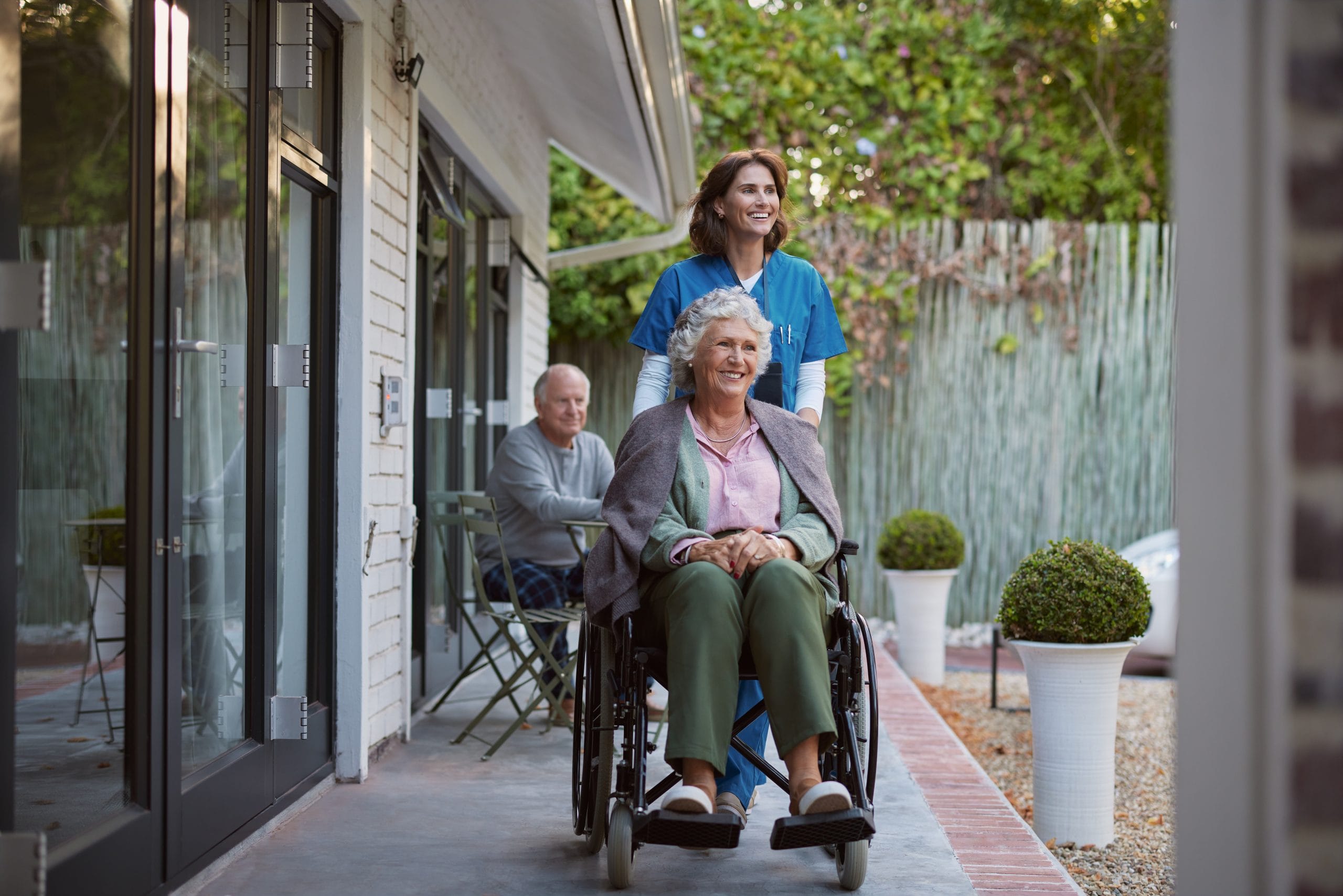


Large homes were once viewed as symbols of success, privacy, and upward mobility. Families wanted additional bedrooms, formal dining rooms, oversized kitchens, guest suites, and enough outdoor space to entertain. As household sizes have changed and property expenses have increased, however, some of these homes no longer fit the needs of traditional buyers. A property that made sense for a family several decades ago may now feel too large, too expensive, or too demanding to maintain.
At the same time, the United States needs a wider variety of Senior Living options. Older adults and their families are looking beyond large, institutional communities and considering smaller settings that feel more personal. This combination is giving certain large homes a second life as residential assisted living homes, memory care residences, shared senior housing, and other forms of supportive housing.
The opportunity is not simply about filling empty bedrooms. A successful conversion brings together real estate, hospitality, health care coordination, staffing, safety, and community relationships. For entrepreneurs who understand those moving parts, an underused residential property can become the foundation of a meaningful local business.
Demand for senior housing continues to rise while the development of new inventory remains limited. The National Investment Center for Seniors Housing and Care has reported continued occupancy growth across senior housing communities. Independent living and assisted living properties have both benefited from stronger demand as more older adults evaluate their future housing and care needs.
Those trends point to more than a temporary improvement in the market. The oldest members of the Baby Boomer generation are entering an age when housing preferences and care needs can begin to change more quickly. Some older adults will remain in their existing homes, but others will need assistance with medication, meals, mobility, personal care, transportation, or everyday household responsibilities.
Traditional senior communities will continue to serve an important role, yet they cannot address every preference or price point. A large campus with hundreds of residents may appeal to someone who wants extensive amenities and an active social calendar. Another person may prefer a quiet residence with eight or ten people, familiar staff members, and a kitchen that feels like the one in a private home.
That difference in preference creates room for smaller residential models. Instead of treating Senior Living as a single category, business owners can look at it as a spectrum of housing and service arrangements designed around different levels of independence.
Large houses often contain many of the physical elements that a residential senior operation needs. They may have multiple bedrooms, several bathrooms, broad common areas, spacious kitchens, patios, gardens, circular driveways, and enough land for parking or future improvements.
The existing residential character is also valuable. Moving into a care setting can be emotionally difficult for an older adult who has lived independently for decades. A converted home may make that transition feel less institutional. Residents can eat around a shared dining table, sit together in a living room, spend time in a backyard, and develop familiar daily routines.
Small home senior care is already an established concept. The Green House Project works with providers and developers to create self contained residences built around private rooms, shared living areas, accessible outdoor spaces, and a more personal household environment. Its model commonly places a limited number of residents in a home like setting rather than a traditional nursing facility.
Not every large home will be appropriate, of course. A beautiful property can still be a poor candidate when it has narrow hallways, extensive staircases, small bathrooms, limited parking, an inaccessible entrance, or a layout that prevents staff members from observing and assisting residents.
The strongest properties usually combine residential warmth with practical flexibility. A first floor bedroom wing, wide interior spaces, several exits, a level yard, and room for accessibility improvements can make a conversion more realistic.
Entrepreneurs sometimes approach residential assisted living as though it were primarily a real estate investment. The property matters, but the operating business ultimately determines whether the concept succeeds.
Senior care is a service intensive industry. Residents and their families are not simply renting rooms. They may be relying on the operator for meals, supervision, housekeeping, medication support, transportation coordination, personal assistance, activities, emergency procedures, and communication with relatives or outside medical professionals.
That level of responsibility changes the business model. Owners need to consider staffing coverage throughout the day and night, employee training, background screening, resident assessments, care documentation, food service, insurance, licensing, and compliance with state and local rules.
Operational quality also affects reputation quickly. Families often visit several communities before making a decision, and they notice details that ordinary residential tenants might overlook. They pay attention to cleanliness, staff interactions, odors, meal quality, security, outdoor access, and whether residents appear engaged or isolated.
Established operators such as Silverado emphasize specialized programming, individualized care plans, and environments designed around the needs of residents with memory impairment. A smaller business may not offer the same scale, but it can still learn from the importance placed on specialization and resident centered operations.
A residential conversion should not be treated as an ordinary remodeling project. Design decisions must account for how older residents move, see, hear, remember, and interact with their surroundings.
Bathrooms may need roll in showers, grab bars, nonslip surfaces, emergency call systems, and enough space for a caregiver to assist a resident. Hallways and doorways may need to accommodate walkers and wheelchairs. Changes in flooring materials should be carefully planned because uneven transitions can create fall risks.
Lighting is another important consideration. Older adults may benefit from bright, even illumination that reduces shadows and makes changes in elevation easier to recognize. Outdoor walkways should be level, visible, and easy to navigate. In memory care settings, secure outdoor areas can give residents freedom to walk without exposing them to nearby roads, pools, or other hazards.
A large decorative staircase may look impressive in a private residence but create an operational problem in Senior Living. Likewise, a sunken living room, raised threshold, or distant bedroom wing can become a daily obstacle.
The goal is not to strip away the home’s character. It is to preserve the welcoming qualities while adapting the property to the people who will actually live and work there.
Before purchasing a property for conversion, an entrepreneur needs to understand how the proposed use will be classified. Rules vary considerably by state, county, and municipality. A property may be permitted as a residential care home in one jurisdiction but treated as a commercial facility in another.
Local authorities may review occupancy limits, parking, fire suppression, emergency access, bedroom sizes, septic capacity, accessibility, evacuation procedures, and the distance between similar facilities. Homeowners associations and deed restrictions can create additional complications, even when the underlying zoning appears favorable.
Licensing requirements also depend on the type of services being offered. Housing older adults without providing personal care can fall into a different regulatory category than assisted living. Memory care, skilled nursing, and medication administration may bring additional obligations.
This is why feasibility work should occur before major money is committed. A potential operator may need assistance from a land use attorney, architect, licensing consultant, insurance professional, and contractor familiar with care facilities. The purchase price of the home is only one part of the investment. Code upgrades, sprinkler systems, generators, ramps, alarms, commercial kitchen changes, and accessibility work can materially affect the project budget.
Companies such as LCS Development approach senior housing projects through market research, master planning, design, regulatory analysis, development, and operational planning. Although a residential conversion is smaller than many of its projects, the same principle applies. Successful Senior Living starts with coordinated planning rather than isolated renovation decisions.
One of the strongest advantages of a converted home is the potential for personal familiarity. In a residence with a small number of occupants, staff members may learn each resident’s routines, food preferences, family relationships, hobbies, and communication style.
Meals can feel more like household gatherings than scheduled institutional service. Activities can be adapted to the residents rather than planned for a large population. Family members may find it easier to speak directly with the owner or administrator instead of navigating several management levels.
This intimacy can become a valuable market distinction, but only when the operator maintains professional boundaries and dependable systems. A home like atmosphere should not mean informal recordkeeping, inconsistent staffing, or unclear responsibilities.
The best small residences combine personal attention with professional discipline. Families should receive clear information about services, costs, staffing, emergencies, transportation, medical coordination, and what happens when a resident’s care needs increase.
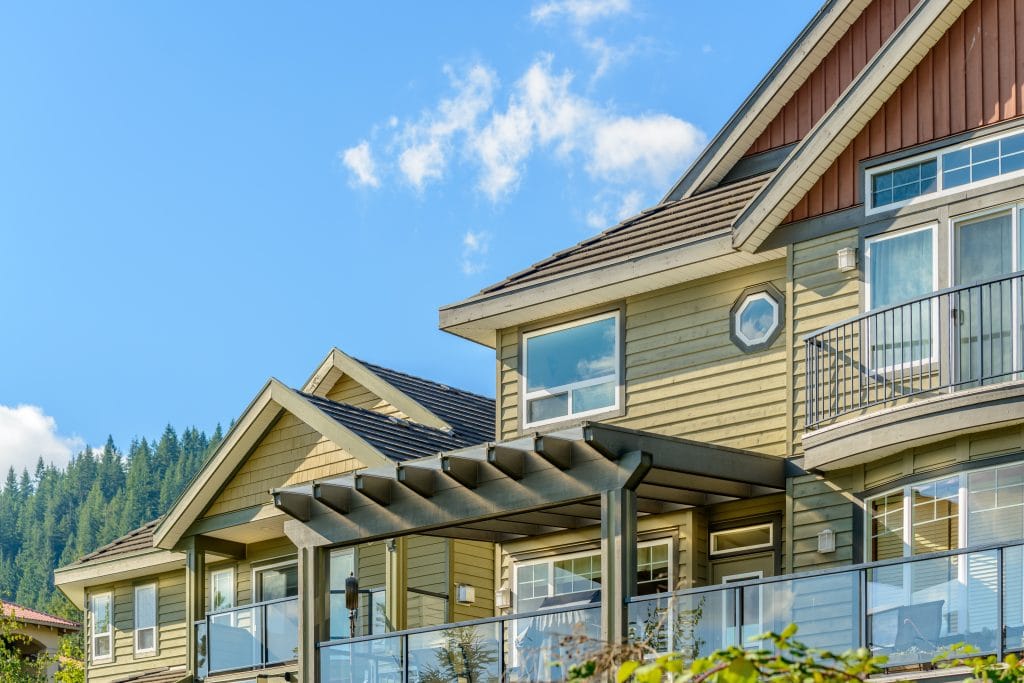
A large home may create the impression that adding several residents will quickly produce substantial revenue. In practice, the financial picture is more complicated.
Revenue is usually tied to the number of occupied rooms and the level of care each resident receives. Expenses can include payroll, food, utilities, insurance, licensing, transportation, maintenance, supplies, activities, technology, professional services, marketing, and property related costs.
Payroll is particularly significant because residents need dependable support regardless of occupancy. A residence cannot simply reduce coverage every time a room becomes vacant. Owners must plan for overnight staffing, employee absences, overtime, training, and turnover.
The property may also require a cash reserve for repairs and replacements. Large homes have large roofs, multiple air conditioning systems, extensive plumbing, and outdoor areas that require regular upkeep. Once the property is being used for care, a broken water heater or malfunctioning air conditioning unit becomes more than an inconvenience.
Entrepreneurs should build financial projections around realistic occupancy growth rather than assuming every room will be filled immediately. Relationships with hospitals, rehabilitation centers, physicians, home care providers, elder law attorneys, and senior referral professionals may help generate inquiries, but trust takes time to build.
Not every conversion needs to become assisted living. Some properties may be better suited to independent shared housing for older adults who want companionship and fewer household responsibilities.
A large home could provide private bedrooms, shared kitchens, housekeeping, social activities, transportation services, and property maintenance without offering regulated personal care. Another property might serve as transitional housing for older adults recovering from an illness, depending on local rules and the services provided.
There may also be opportunities for adult day programs, caregiver respite services, senior wellness programs, or offices for home care businesses. The property’s location and design should guide the business concept rather than forcing every building into the same model.
A house near medical offices, shopping, parks, and public transportation may support a different operation than a secluded estate on several acres. Both can have value, but they serve different customers and require different marketing strategies.
A proposed senior residence may face questions from nearby homeowners. Neighbors may worry about traffic, commercial activity, parking, emergency vehicles, property values, or changes to the character of the area.
Operators should address those concerns professionally rather than dismissing them. A well managed residential care home can be a quiet use, particularly compared with other forms of development. Still, the business needs a practical plan for deliveries, employee parking, visitor activity, waste collection, exterior lighting, and emergency access.
Maintaining the property is also essential. Landscaping, exterior repairs, signage, and vehicle management shape how the operation is perceived. A residence that appears neglected will quickly create tension with neighbors and concern among prospective families.
Community relationships can become an advantage when handled properly. Local restaurants may provide occasional meals, schools may organize activities that bring different generations together, and nearby service providers may support residents with transportation, personal care, entertainment, or wellness programs.
The reuse of large homes for Senior Living reflects two important realities. Many oversized properties need a new purpose, and older adults need more choices in how and where they live. Bringing those needs together can create a valuable business, but it requires far more than purchasing a house and filling its bedrooms.
A strong residential senior operation begins with the right property, a clearly defined service model, careful regulatory review, realistic financial projections, and a deep commitment to resident care. Entrepreneurs who approach the opportunity with patience and professionalism can transform an underused home into a respected local residence. In the process, a property designed for one chapter of family life can begin an entirely new chapter serving older adults and the people who care about them.