
The Rising Value of Marinas in a Changing Economic Landscape Marinas have evolved far beyond simple docking facilities. They now represent a hybrid of real estate, hospitality, and infrastructure that…
Read More...


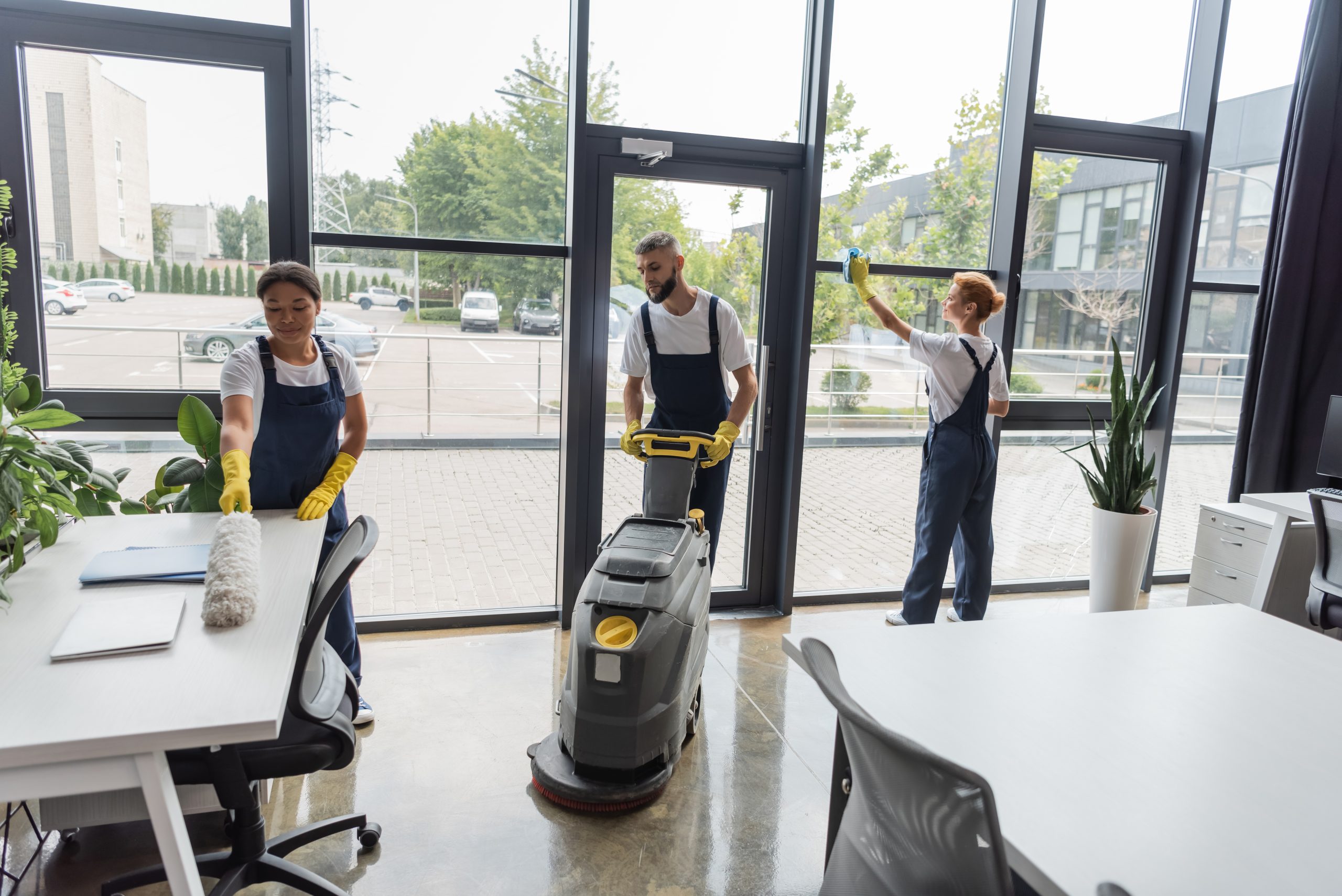


Commercial cleaning has traditionally been viewed as a straightforward, labor-driven business. The perception often centers around janitorial crews, routine maintenance, and cost-sensitive contracts. Yet, the reality today tells a much different story. What once operated largely on manual processes and low-margin contracts has evolved into a sophisticated service sector driven by technology, compliance, and strategic positioning.
This shift is not accidental. It reflects broader changes in how companies approach their physical environments. Offices, medical facilities, warehouses, and retail spaces now require more than basic upkeep. They demand consistency, reporting, accountability, and in many cases, specialization. This evolution has opened the door for operators who approach commercial cleaning not as a commodity, but as a structured service business with scalable systems and defined value.
The current interest rate environment has had a noticeable impact across industries, and commercial cleaning is no exception. As borrowing costs rise, businesses are becoming more cautious about capital expenditures. Instead of investing heavily in internal maintenance teams or equipment, many are leaning toward outsourcing. This shift benefits commercial cleaning providers who can deliver predictable, contract-based services without requiring clients to take on additional financial risk.
Higher interest rates also influence how cleaning companies themselves operate. Financing new equipment, vehicles, or expansion initiatives carries a greater cost. This has led to more disciplined growth strategies. Operators are focusing on efficiency, contract stability, and long-term relationships rather than rapid expansion fueled by cheap capital.
At the same time, investors are paying closer attention to service businesses with recurring revenue. Commercial cleaning firms with multi-year contracts and diversified client bases are increasingly seen as stable, cash-flow-driven operations. This has created opportunities for consolidation and acquisition, particularly among companies that demonstrate strong operational controls.
The modern commercial cleaning business relies heavily on technology to maintain consistency and scale. Scheduling platforms, workforce management tools, and reporting systems have transformed how services are delivered and monitored. Companies such as ServiceMax and Jobber have introduced tools that allow service businesses to track performance, manage teams, and communicate with clients in real time.
Beyond software, equipment has also advanced. Electrostatic sprayers, robotic floor cleaners, and sensor-driven maintenance tools are becoming more common. Providers who invest in these technologies can offer measurable improvements in efficiency and cleanliness. Clients are no longer just paying for labor; they are paying for outcomes that can be tracked and verified.
This technological layer has elevated expectations across the industry. Clients want visibility into what is being done, when it is being done, and how it impacts their operations. Companies that can deliver this level of transparency often find themselves in a stronger position when competing for contracts.
Another factor contributing to the sophistication of commercial cleaning is the rise of specialization. Not all facilities are created equal. A medical office has vastly different requirements than a logistics warehouse or a corporate headquarters. Regulations, safety standards, and sanitation protocols vary widely depending on the environment.
Organizations like ISSA have played a role in setting industry standards and certifications that distinguish professional operators from basic service providers. Companies that pursue these certifications signal a higher level of capability and credibility. This is particularly important in sectors such as healthcare, where compliance is not optional.
Specialization also allows businesses to command higher margins. Instead of competing solely on price, they compete on expertise and reliability. This shift moves commercial cleaning away from being viewed as a commodity and toward being recognized as a critical operational function.
One of the most attractive aspects of commercial cleaning as a business model is its reliance on recurring revenue. Contracts are typically structured on a monthly or multi-year basis, providing predictable income streams. This stability is valuable not only for operators but also for investors and lenders evaluating the business.
However, the structure of these contracts has become more nuanced over time. Clients increasingly expect performance-based metrics, flexible service levels, and clear accountability. Companies that can adapt their contracts to reflect these expectations tend to build stronger, longer-lasting relationships.
There is also a growing emphasis on value-added services. Rather than offering only basic cleaning, many companies are bundling services such as disinfection, waste management, and facility support. This approach increases contract value while deepening client dependence on the provider.
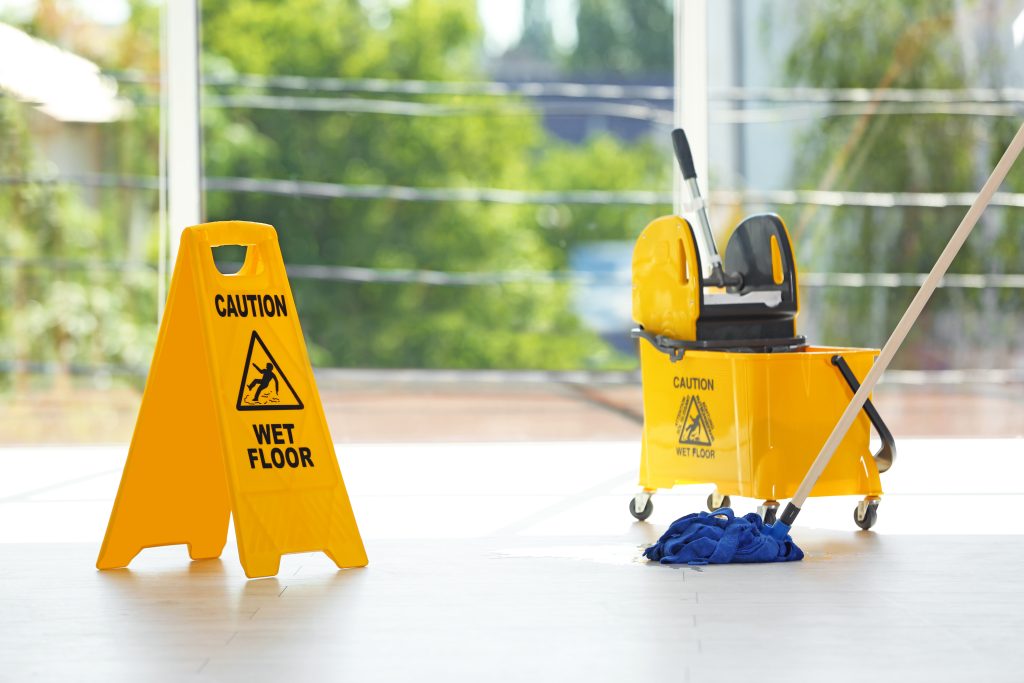
Labor remains a central component of the commercial cleaning business, but managing that labor has become more complex. Wage pressures, workforce shortages, and employee retention challenges are all factors that operators must address. The ability to recruit, train, and retain reliable staff directly impacts service quality and client satisfaction.
Some companies are addressing these challenges by investing in training programs and career development pathways. Others are leveraging technology to reduce reliance on manual labor where possible. The goal is not to eliminate the workforce but to make it more efficient and effective.
Platforms like Indeed and ZipRecruiter have become essential tools for sourcing talent, but successful companies go beyond hiring. They build systems that support employees and create a sense of stability within the organization. This is particularly important in a service business where consistency is key.
In a crowded marketplace, branding plays a significant role in differentiating commercial cleaning businesses. A strong brand communicates reliability, professionalism, and trust. This is especially important when dealing with corporate clients who view their service providers as extensions of their own operations.
Companies like ABM Industries have demonstrated how branding and scale can work together to create a dominant market presence. Even smaller operators can benefit from adopting a similar mindset. Clear messaging, professional presentation, and consistent service delivery contribute to a brand that resonates with clients.
Digital presence is also increasingly important. A well-structured website, client testimonials, and case studies can influence decision-making. Potential clients often conduct significant research before engaging a service provider, and the companies that present themselves effectively tend to stand out.
The commercial cleaning industry is highly fragmented, which creates opportunities for consolidation. Larger companies and private equity groups are actively acquiring smaller operators to build scale and expand geographic reach. This trend has accelerated as investors recognize the value of recurring revenue and stable cash flow.
Firms such as Aramark have expanded their service offerings through strategic acquisitions, integrating cleaning services into broader facility management solutions. This approach allows them to provide a comprehensive package to clients, increasing both revenue and client retention.
For smaller business owners, this environment presents both challenges and opportunities. Competing with larger players requires differentiation and operational excellence. At the same time, building a well-run business can position an owner for a potential exit at an attractive valuation.
Sustainability has become a meaningful factor in commercial cleaning. Clients are increasingly interested in environmentally responsible practices, including the use of green cleaning products and energy-efficient equipment. This shift is driven by both regulatory considerations and corporate social responsibility initiatives.
Organizations such as Green Seal provide certifications that validate environmentally friendly practices. Companies that adopt these standards can differentiate themselves while aligning with client expectations. In some cases, sustainability initiatives can also lead to cost savings, particularly when they involve more efficient use of resources.
Environmental responsibility is no longer a niche concern. It is becoming a standard expectation, particularly among larger corporations and institutions. Commercial cleaning providers that adapt to this trend are likely to remain competitive as the industry continues to evolve.
Commercial cleaning has moved far beyond its traditional roots. What was once seen as a basic service has developed into a sophisticated business model shaped by technology, contract strategy, and economic conditions. Interest rates have influenced how companies grow and how clients allocate resources, pushing the industry toward more disciplined and strategic operations.
For entrepreneurs and business owners, the opportunity lies in recognizing this shift. Building a commercial cleaning business today requires more than assembling a team and securing contracts. It involves creating systems, leveraging technology, and positioning the company as a reliable partner in a client’s operations. Those who approach it with this mindset are not just participating in the industry. They are shaping its future.