
Private equity has steadily moved from the margins of healthcare investing to the center of many specialty medical markets. Dermatology groups, ophthalmology practices, dental chains, gastroenterology clinics, and behavioral health…
Read More...


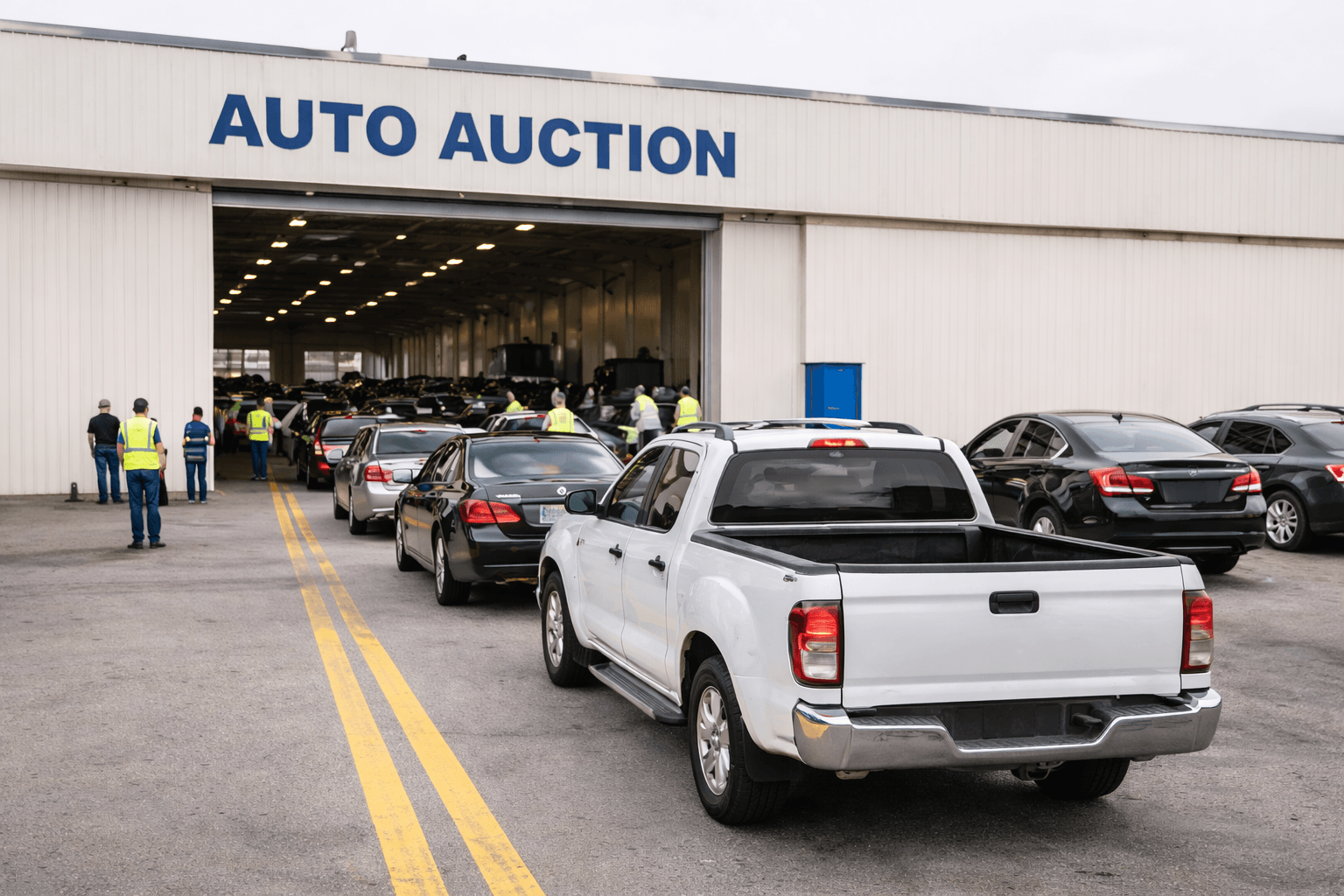


Car auctions once operated on instinct, reputation, and fast paced decision making. Buyers relied on experience gained over years on the auction floor, while sellers trusted that competitive bidding would surface fair market value. That approach still exists, but it no longer defines how pricing decisions are made. Data driven valuation has become a central force in modern car auctions, changing how vehicles are assessed, priced, and ultimately sold.
This shift reflects a broader transformation across business markets where analytics now guide decisions that were once based primarily on judgment. In the automotive sector, the volume and velocity of transactions make car auctions an ideal environment for data adoption. For entrepreneurs and business owners, the evolution of car auctions offers a practical case study in how data can reshape legacy industries without removing their competitive edge.
Historically, car auctions followed a predictable structure. Vehicles were grouped by age, mileage, and condition, with pricing shaped by recent sales memory and regional demand. Dealers inspected vehicles in person, factored in cosmetic issues, and made bids based on expected resale value. Knowledge gaps often separated seasoned buyers from newcomers.
While this model supported decades of growth, it had clear limits. Two similar vehicles could sell for very different prices depending on timing, bidder confidence, or incomplete information. As inventory volumes increased and margins narrowed, these inconsistencies became harder to ignore. Dealers and sellers began seeking better tools to reduce uncertainty and improve pricing discipline.
Modern car auctions now draw from expansive data sets that extend far beyond recent transaction history. Valuation models incorporate regional demand patterns, historical depreciation curves, mileage sensitivity, accident data, and service history. This information provides context that was previously unavailable at scale.
Platforms such as Manheim have developed analytics driven pricing tools that present value ranges instead of fixed numbers. These ranges reflect probability based outcomes rather than single point estimates. Buyers gain a clearer picture of risk, while sellers receive guidance grounded in real market behavior.
Data driven valuation has also improved transparency across the auction ecosystem. When pricing logic is visible and supported by evidence, trust increases between buyers, sellers, and auction operators. Participants no longer feel that outcomes depend solely on insider knowledge or aggressive tactics.
Digital focused platforms like ACV Auctions combine pricing guidance with detailed condition reports and market comparisons. This approach allows bidders to act quickly while still understanding the underlying value of each vehicle. The result is a faster, more informed bidding environment.
Artificial intelligence has expanded valuation capabilities by introducing predictive pricing. Rather than focusing only on past sales, modern systems estimate how a vehicle is likely to perform in upcoming market conditions. These projections adjust as economic signals and consumer behavior shift.
Organizations such as Black Book apply machine learning to analyze millions of transactions alongside live market data. These models respond to volatility more effectively than static pricing tables, which can lag during periods of rapid change.
For dealers, data driven valuation influences inventory strategy as much as individual bids. Dealers can align purchases with their sales channels, customer profiles, and risk tolerance. A high volume retailer may prioritize turn speed, while a specialty dealer may accept more variability in pursuit of higher margins.
Companies like Cox Automotive connect auction pricing insights with downstream retail analytics. This linkage helps dealers evaluate performance across the entire vehicle lifecycle, refining acquisition decisions over time.

Sellers benefit from data driven valuation by setting more realistic reserve prices. In the past, reserves were often based on expectations rather than evidence, leading to frequent no sale outcomes. Data backed guidance improves alignment between seller goals and market conditions.
Fleet managers, rental companies, and financial institutions have embraced analytics to manage large scale remarketing programs. Consistent valuation methods support predictable outcomes and reduce friction during the sales process.
The rise of digital auctions has widened the buyer pool beyond physical locations. Remote bidding allows dealers to source inventory from new regions, but it also increases reliance on accurate data. Buyers need confidence in pricing and condition information when vehicles are not inspected in person.
Platforms such as OPENLANE combine standardized reporting with analytics driven valuation to support cross border transactions. Data acts as a common reference point, making broader participation viable.
Risk remains an inherent part of car auctions, but data reframes how that risk is evaluated. Buyers can assess downside scenarios by reviewing historical performance of similar vehicles. Sellers can analyze clearance rates across different segments and time periods.
Auction operators also benefit by identifying patterns that signal potential disputes or returns. Analytics support better operational decisions while preserving the dynamic nature of the auction experience.
For entrepreneurs, data driven valuation creates both opportunity and competition. Startups offering specialized analytics, condition assessment tools, or resale optimization services can integrate into established auction platforms. At the same time, incumbents continue investing in proprietary data systems.
The broader lesson extends beyond car auctions. Data can redefine how value is discovered in any transaction based marketplace, particularly where speed and scale are critical.
Despite the growth of analytics, human judgment continues to play an important role. Experienced buyers still recognize nuances that models may overlook. Sellers make strategic decisions based on portfolio goals rather than isolated transactions.
Data now frames decisions instead of replacing expertise. The balance between analytics and experience leads to more disciplined outcomes without removing competitive dynamics.
Data driven valuation has reshaped car auctions into more transparent, efficient, and informed marketplaces. Pricing decisions reflect predictive insights, historical patterns, and real time signals rather than intuition alone.
For business owners and entrepreneurs, the evolution of car auctions illustrates how analytics can transform established industries. As valuation models continue to advance, data will remain central to how value is discovered and negotiated in competitive markets.