
The Quiet Expansion of Service-Based Franchising Franchising in the home services and repair sector has been building momentum in a way that often flies under the radar. While headlines tend…
Read More...


A quiet but powerful transformation is underway in the auto industry—traditional dealership networks are consolidating at a pace not seen in decades. Mergers and acquisitions, once episodic in the auto retail space, have now become strategic imperatives. Larger dealer groups are expanding their reach by acquiring smaller family-run operations, while mid-sized players are being absorbed by publicly traded auto retailers eager to build national footprints.
At the heart of this movement in the auto industry is a mix of economic pressure, shifting consumer preferences, technological innovation, and the evolving role of dealerships themselves. What was once a hyper-local, relationship-driven business is now taking cues from national retail playbooks—standardization, digital infrastructure, and scale.
A few years ago, the idea of widespread dealership consolidation might have seemed premature. Many independent dealerships were still thriving with their own loyal customer bases, unique sales styles, and community roots. But a number of structural changes have accelerated the shift toward consolidation.
First, the cost of doing business has increased across the board. From regulatory compliance to employee benefits, insurance, real estate, and tech investments, operating a dealership is no longer a low-barrier proposition. Smaller operators often lack the capital or appetite to keep up, especially as automakers push for modernized showrooms and digital transaction capabilities.
Second, there is growing pressure from original equipment manufacturers (OEMs). Automakers are demanding consistency across the customer experience—from online search to in-store interactions. That consistency is easier to achieve when fewer, larger dealership groups manage more locations under the same brand.
Finally, generational turnover is playing a big role. Many small dealerships have been family-owned for generations. As ownership transitions to younger heirs—or, in some cases, there are no successors at all—owners are opting to sell. And buyers are lining up.
Large dealership groups are capitalizing on this shift. Publicly traded companies like Lithia Motors, AutoNation, and Group 1 Automotive have taken aggressive acquisition strategies to the national level.
Lithia Motors, in particular, has executed dozens of acquisitions in the past few years alone, aiming to become the largest auto retailer in North America. Its strategy combines geographic expansion with digital retailing infrastructure to create a blended omnichannel sales model that can compete with both traditional dealers and new entrants like Carvana.
While public companies grab headlines, private dealer groups are just as active. Groups like Morgan Automotive Group and Ken Garff Automotive Group have grown into regional powerhouses by acquiring independent dealerships and integrating them into centralized systems. These acquisitions often preserve the local brand name but overlay back-end technology, shared inventory pools, and unified marketing strategies.
Private equity firms have entered the scene with significant capital and long-term acquisition strategies. Their interest is driven by the recurring revenue and operational leverage that come from service departments, parts sales, financing, and extended warranties.
Unlike the volatile business of new car sales, fixed operations offer stable cash flows. For investors looking for assets with predictable margins, dealerships with strong service lanes and customer retention programs are attractive targets.
Private equity involvement also brings pressure to modernize. These firms are often quick to implement new software, customer relationship management tools, and e-commerce capabilities to extract more efficiency and value from each location. Some even look to roll up multiple dealerships into a single portfolio with the goal of exiting through a sale to a public company or another institutional buyer.
For local dealership owners in the auto industry, consolidation presents both threat and opportunity. On the one hand, the rise of large dealership groups can make it harder for independents to compete on pricing, advertising, and inventory availability. On the other, those same groups are often willing to pay a premium for well-run operations with loyal customer bases and strong manufacturer relationships.
Selling to a consolidator can also relieve long-time owners of succession pressure. Many sellers stay on in a consulting or regional management role, transitioning gradually into retirement while maintaining ties to the business and community.
Still, there is some apprehension in the industry about losing the local feel that has long defined dealership culture. Customers who have bought from the same family dealership for decades may notice changes in service, upselling tactics, or staffing. Dealer groups that manage to preserve that community connection while benefiting from scale are better positioned to win long-term loyalty.
Consolidation is not just about acquiring locations—it is about unifying systems. Dealership groups are investing heavily in technology to integrate CRM platforms, digitize the financing process, and introduce e-commerce capabilities that allow customers to browse, negotiate, and even purchase vehicles online.
Companies like Reynolds and Reynolds and CDK Global are providing the software infrastructure that supports this digital transformation. Larger dealership groups often standardize on one or two technology partners across all stores, which allows for more streamlined operations, data analytics, and employee training.
This approach has a clear business advantage. Dealerships using connected platforms are better able to manage inventory, track customer interactions, and measure performance. These efficiencies translate into higher margins and better scalability—factors that matter significantly when operating dozens or even hundreds of locations.
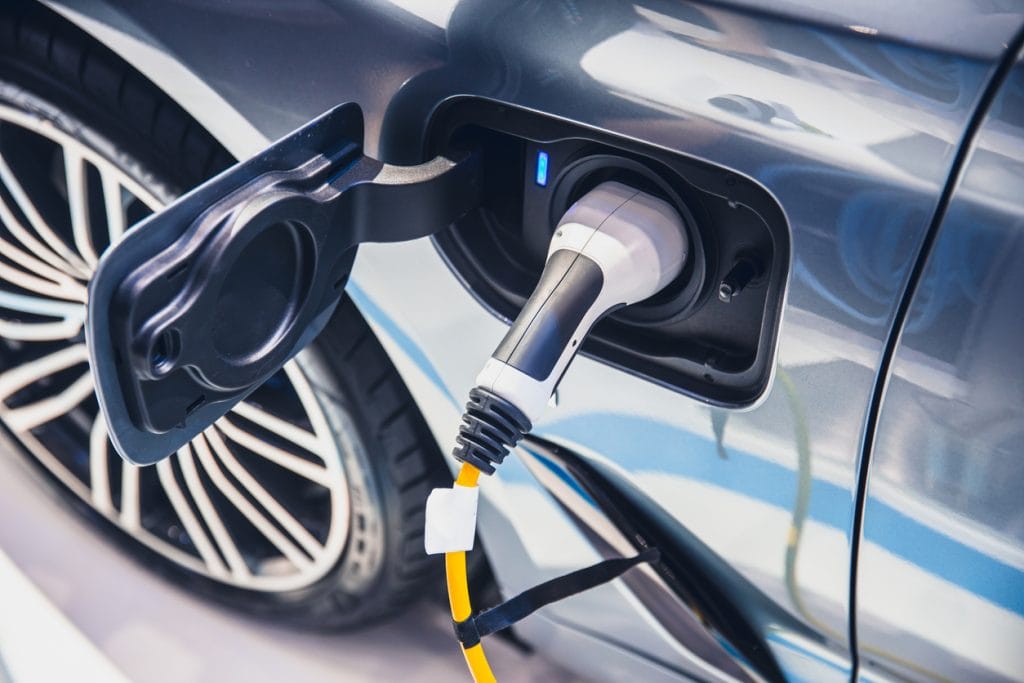
The shift to electric vehicles (EVs) is also playing a role in dealership consolidation. As automakers like Ford, Hyundai, and Volkswagen accelerate their EV strategies, they are placing new requirements on dealerships to invest in infrastructure like charging stations, technician training, and equipment upgrades.
For smaller dealerships, those investments can be cost-prohibitive. Larger groups, however, can distribute those costs across a broader portfolio and more easily comply with manufacturer requirements. In this environment, scale is a major advantage.
At the same time, direct-to-consumer models led by companies like Tesla and Rivian have put pressure on the traditional dealership system. These brands bypass franchise dealers entirely, opting instead for owned showrooms and online ordering. While regulatory roadblocks still limit this model in some states, the direction is clear: dealerships must modernize and consolidate or risk falling behind.
As dealership networks consolidate, regulators are taking a closer look at how these shifts impact competition and consumer choice. Some states have franchise laws that restrict the number of rooftops a single entity can control, while others impose rules on how automakers and dealers interact.
Additionally, the Federal Trade Commission (FTC) has proposed new rules targeting car dealership advertising and pricing transparency, which could impact how large groups structure their promotions and disclosures. The challenge for dealership groups is to navigate these legal environments while maintaining uniform standards across different markets.
The consolidation trend in the auto industry is more than a reaction to economic headwinds—it reflects a deeper shift in how dealerships operate, scale, and compete. What began as a fragmented, highly local business model is being reshaped into a streamlined, tech-forward retail experience with national reach.
Dealerships that can adapt to this new reality—through acquisition, innovation, or strategic partnerships—will likely gain market share and remain competitive in an evolving industry. Meanwhile, independent dealers will have to consider whether joining a larger network is a smart move or whether there’s still room to succeed on their own terms.
As technology, consumer expectations, and automaker strategies continue to evolve, one thing is clear: consolidation is not a passing phase. It is reshaping the future of automotive retail from the ground up.