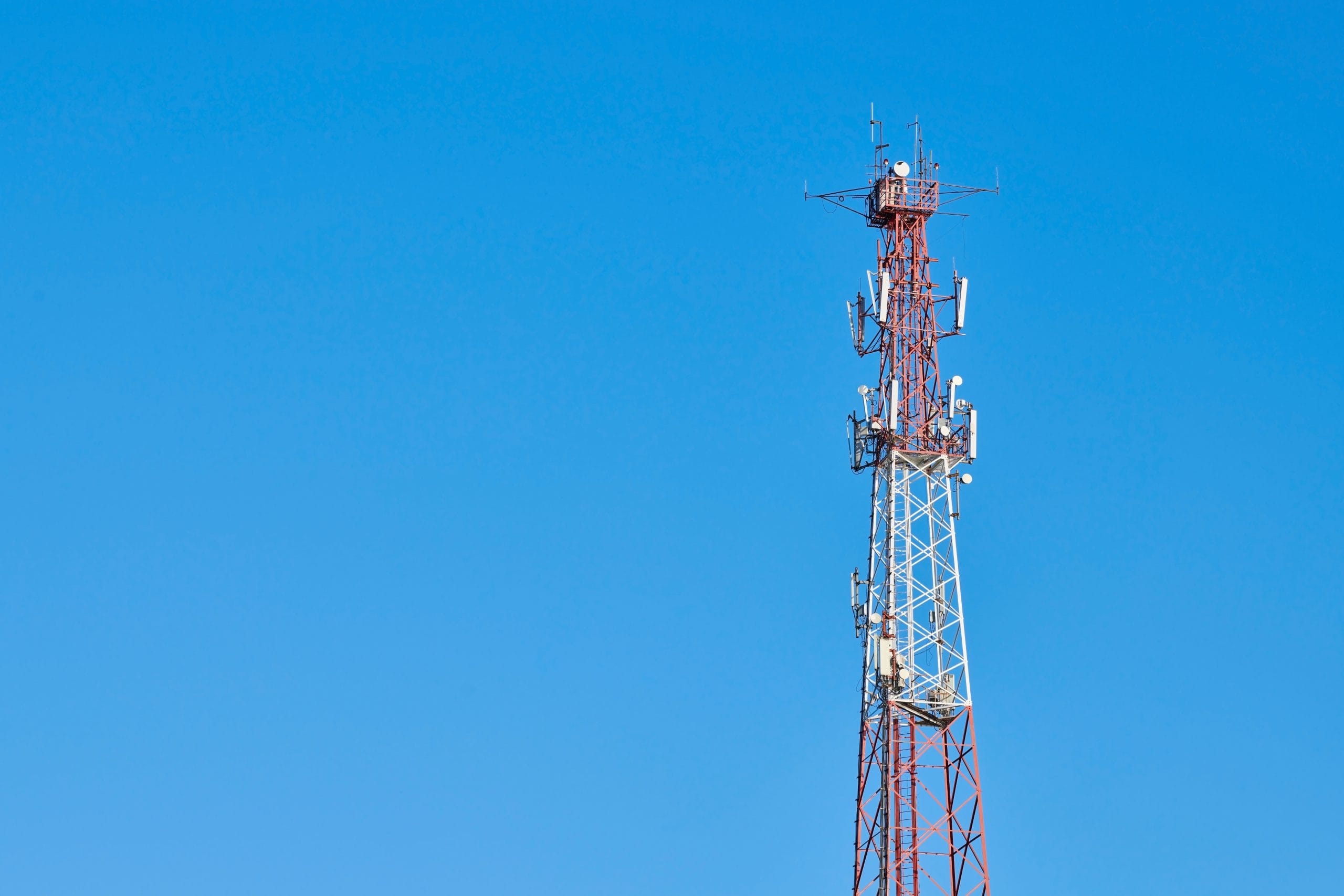
The telecom industry has always been a capital intensive business, but few assets have become as strategically important as the telecom tower. Once viewed as passive infrastructure, towers now sit at the center of competitive coverage, network reliability, and long term growth strategies. Who owns these structures, how they are managed, and how access is priced increasingly determines which carriers can scale efficiently and which struggle to keep pace.
As data consumption accelerates and mobile connectivity becomes embedded in everyday business operations, tower ownership has shifted from a background concern to a boardroom priority. Entrepreneurs and business leaders watching the telecom space are seeing a clear pattern. Control over physical infrastructure often creates leverage that extends well beyond steel and concrete.
The Evolution of Telecom Tower Ownership
In the early days of wireless expansion, mobile carriers typically owned and operated their own towers. This model provided full control but required enormous capital commitments and ongoing maintenance costs. As networks expanded and competition intensified, many carriers began rethinking whether owning towers was the best use of their balance sheets.
This shift gave rise to independent tower companies that specialize in owning, operating, and leasing tower infrastructure. Firms such as American Tower recognized that towers could function as shared assets, supporting multiple carriers while generating stable recurring revenue. By separating infrastructure ownership from service delivery, the industry unlocked a more flexible and scalable approach to coverage.
Over time, this model proved attractive to both sides. Carriers freed up capital to invest in spectrum, customer acquisition, and technology upgrades, while tower companies built portfolios designed to support long term demand growth.
Why Towers Matter More Than Ever
The importance of telecom towers has increased dramatically with the rise of data heavy applications and always on connectivity. Video streaming, cloud services, remote work platforms, and Internet of Things deployments all depend on dense and reliable network coverage.
Unlike earlier generations of wireless technology, newer networks require a higher concentration of sites to deliver consistent performance. This places added pressure on tower availability, location quality, and lease terms. Ownership structure directly influences how quickly networks can adapt to shifting demand patterns.
For business leaders evaluating the telecom sector, towers represent both a physical constraint and a strategic opportunity. The right assets in the right locations can become bottlenecks or accelerators depending on how access is managed.
Independent Tower Companies and Competitive Balance
Independent tower operators play a central role in leveling the competitive field. By offering neutral access to infrastructure, they allow multiple carriers to compete in the same markets without duplicating costly physical assets. This shared model reduces barriers to entry and supports broader coverage expansion.
Companies such as Crown Castle focus heavily on urban and suburban density, supporting small cell deployments that improve network performance in high traffic areas. Others take a broader geographic approach, building portfolios that span rural, suburban, and international markets.
This diversity of ownership strategies influences where and how coverage improves. Markets with strong independent tower presence often see faster rollout of new technologies because carriers can move quickly without waiting for new construction approvals.
Carrier Owned Towers and Strategic Control
Some carriers continue to retain ownership of select tower assets, particularly in markets where coverage is critical to brand differentiation. Ownership allows direct control over upgrade schedules, tenant access, and site prioritization.
However, this control comes with tradeoffs. Capital tied up in towers is capital not available for spectrum auctions, software driven network optimization, or customer experience investments. As competition tightens, many carriers find that flexibility matters more than full ownership.
This dynamic explains why sale leaseback transactions remain common. Carriers monetize tower portfolios while maintaining access through long term leases, effectively turning fixed assets into strategic liquidity.

The Role of 5G and Network Densification
The transition to advanced wireless technologies has amplified the importance of tower strategy. Higher frequency signals typically travel shorter distances and require more closely spaced infrastructure. This pushes carriers toward denser networks supported by both traditional towers and smaller installations.
Tower owners that adapt quickly to these needs gain a competitive edge. Supporting new antenna configurations, power requirements, and backhaul connectivity is no longer optional. It is central to remaining relevant as networks evolve.
Equipment providers such as Ericsson and Nokia work closely with tower owners and carriers to align hardware capabilities with site constraints. These relationships highlight how deeply interconnected infrastructure ownership has become with technology roadmaps.
Coverage Quality and Market Perception
From a consumer and enterprise perspective, coverage quality often defines brand trust. Dropped calls, slow data speeds, and inconsistent performance can quickly erode confidence, particularly for business customers who rely on mobile connectivity for operations.
Behind these user experiences lies a complex web of infrastructure decisions. Towers located in optimal positions with sufficient capacity enable smoother performance even during peak usage. Ownership models that prioritize long term site quality tend to support stronger coverage outcomes.
Carriers like Verizon and AT and T invest heavily in network reputation, and their ability to do so often depends on access to high quality tower assets. The competitive narrative consumers see is shaped by infrastructure choices made years earlier.
Investment Appeal of Telecom Towers
Telecom towers have emerged as a favored asset class among institutional investors. Long term leases, predictable cash flows, and strong demand fundamentals make tower portfolios attractive in both stable and volatile economic conditions.
For entrepreneurs and business professionals, this trend offers insight into how infrastructure ownership can generate value beyond traditional operating businesses. Towers combine real estate characteristics with technology driven growth, creating a hybrid model that appeals to a wide range of investors.
This investment appeal reinforces the consolidation trend among tower owners, as scale provides negotiating power, operational efficiencies, and broader market reach.
Global Expansion and Emerging Markets
In many emerging markets, tower ownership plays an even more pronounced role. Rapid urbanization and mobile first internet adoption create enormous demand for coverage, often outpacing traditional infrastructure development.
Independent tower companies help bridge this gap by deploying standardized assets that multiple carriers can use. This approach accelerates connectivity while reducing duplication of effort. It also supports competition by lowering the cost of network entry.
Global portfolios allow tower owners to balance mature markets with high growth regions, creating resilience across economic cycles.
Operational Challenges and Regulatory Influence
Despite their appeal, towers present operational and regulatory challenges. Zoning approvals, environmental reviews, and community concerns can slow deployment. Ownership entities with experience navigating these processes gain a significant advantage.
Regulatory frameworks vary widely by region, affecting lease terms, pricing structures, and expansion timelines. Tower owners that maintain strong local relationships often deliver faster outcomes for carrier tenants.
For business leaders evaluating infrastructure driven industries, this highlights the importance of operational expertise alongside capital investment.
Closing Remarks
Telecom tower ownership has moved far beyond a technical footnote in wireless strategy. It now shapes competitive coverage, investment decisions, and the pace of innovation across the industry. As connectivity continues to underpin economic activity, the companies controlling these critical assets hold meaningful influence over how markets evolve.
For entrepreneurs and business professionals, the lesson is clear. Infrastructure ownership, when aligned with long term demand and operational discipline, can become a powerful lever for competitive advantage. In the telecom sector, towers are no longer just support structures. They are strategic assets defining the future of coverage.