
For many entrepreneurs, starting a company requires years of sacrifice, long working hours, financial risk, and personal commitment. Building the business can become such a consuming priority that relatively little…
Read More...


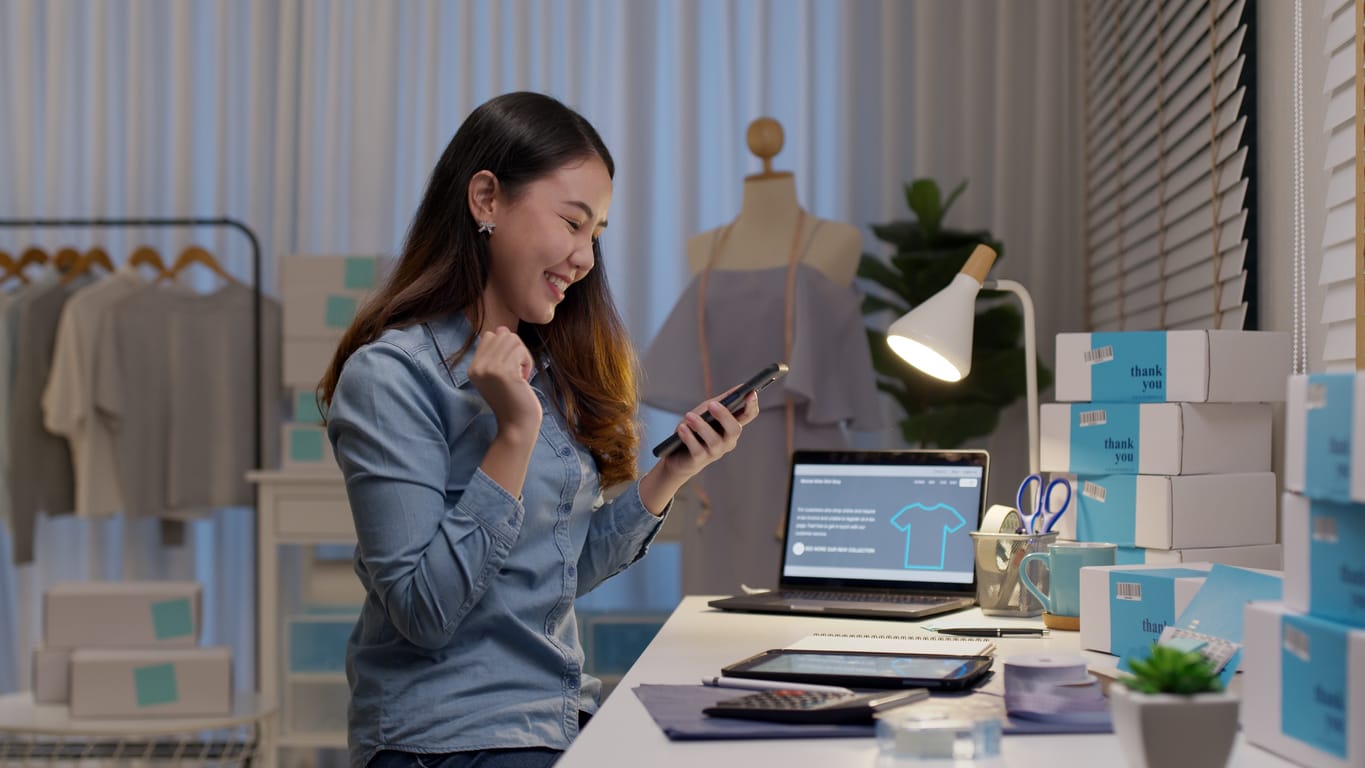


Retail has always been about experience—whether it is the feel of a fabric, the smell of a candle, or the one-on-one guidance from a store associate. While traditional retail tried to replicate these sensations online with high-resolution photos and customer reviews, it was only a matter of time before someone found a more interactive way to close the gap. Enter live shopping—a real-time, video-based selling model that’s turning digital storefronts into dynamic stages for engagement, entertainment, and conversion.
Born out of a blend of social media, influencer culture, and e-commerce, live shopping is now gaining serious traction in Western markets after years of massive growth in Asia. It has evolved beyond a novelty and is emerging as a serious revenue channel for brands, retailers, and independent sellers alike.
While live shopping may feel new to many in North America and Europe, the model has been widely adopted across Asia for several years. In China, platforms like Taobao Live and JD.com turned live shopping into a cultural phenomenon, generating billions in sales during major online festivals. What began as a form of entertainment soon became a high-performing sales channel that blurred the line between influencer content and direct commerce.
Western companies took notice. Retailers began testing live commerce events across Instagram, TikTok, YouTube, and their own websites. What they found was a highly engaged audience willing to watch, comment, and purchase in the moment. The format unlocked the ability to generate urgency, showcase product features authentically, and directly answer questions—something static product pages cannot replicate.
One of the main reasons live shopping resonates is its ability to humanize the transaction. Watching someone demo a product live, make mistakes, crack jokes, or answer spontaneous questions builds trust in a way that heavily produced marketing content rarely does. There is also an energy to live broadcasts—viewers feel part of something exclusive, especially when time-sensitive discounts or limited inventory are involved.
Live shopping also taps into the psychology of social proof. When audiences see others buying or asking questions, it signals that a product is in demand. This ripple effect can accelerate conversions and deepen customer loyalty.
Some brands use their in-house teams as hosts. Others work with influencers who already have built-in followings. And then there are platforms like NTWRK (now COMPLEX) and TalkShopLive, which are designed exclusively for live shopping events and cater to creators, celebrities, and brands looking for high-energy sales moments.
Not every live shopping experience happens on a standalone site. Social platforms are increasingly building native tools that let users watch, chat, and buy without leaving the app. Instagram Live Shopping allows brands to tag products during broadcasts, while TikTok Shop is being integrated into influencer content with growing success.
Retailers are adapting to this format in different ways. Some, like Walmart, have partnered directly with TikTok and YouTube to host shoppable livestreams. Others, such as Nordstrom, launched their own live shopping platforms to showcase new collections, feature guest stylists, and introduce exclusive drops.
What makes live shopping especially attractive is that it merges the power of traditional television-style home shopping with the interactivity and convenience of digital commerce. It is not limited to a single demographic or price point, either. Everything from luxury skincare to electronics to indie fashion lines has found success with the format.
Creating an effective live shopping event requires more than turning on a camera. Success comes from preparation, chemistry, and a keen understanding of what drives engagement.
Hosts should be relatable, comfortable improvising, and knowledgeable about the product. The best live sellers are those who can field live questions without missing a beat, while keeping energy levels high and the pace engaging.
The visual environment matters too. Whether it is a minimalist studio, a themed set, or an authentic home background, the production quality sets the tone. It does not have to be perfect, but it needs to be clear and cohesive.
Timing is also important. Weeknights tend to perform better than weekends. Product scarcity or limited-time pricing can add the urgency that drives conversions. And since live content has a short shelf life, repurposing clips for post-event promotion helps extend the ROI.
Influencers and creators are central to the success of live shopping. They bring authenticity, built-in followers, and the trust that many brands struggle to create on their own. When followers see a creator they admire recommending a product live, the endorsement carries more weight than any banner ad or email campaign.
Sephora has leaned into this by working with beauty influencers to host live tutorials, answer skincare questions, and promote exclusive sets—all tied to instant purchasing. The company’s approach blends entertainment with education, creating a compelling reason for viewers to stay engaged and shop.
Meanwhile, smaller brands have found success by collaborating with micro-influencers who have highly niche audiences. This targeted approach often results in stronger engagement and a higher return on investment, even with smaller viewing numbers.
Behind the scenes, the growth of live shopping is powered by a suite of tech platforms that make hosting, broadcasting, and selling easier. Tools like Bambuser and Livescale allow retailers to embed live shopping capabilities directly into their websites, avoiding the distractions of social platforms while keeping full control over data and user experience.
These tools often come with integrated checkout systems, audience analytics, and product tagging options, which allow retailers to refine their approach over time. With conversion tracking and user engagement metrics baked in, businesses can identify what content resonates, which hosts perform best, and when audiences are most likely to buy.
Live shopping is also pushing retailers to rethink their logistics. Fast shipping and real-time inventory tracking are critical when buyers are expecting immediate gratification after a live purchase. Delays can break trust, while smooth fulfillment strengthens it.
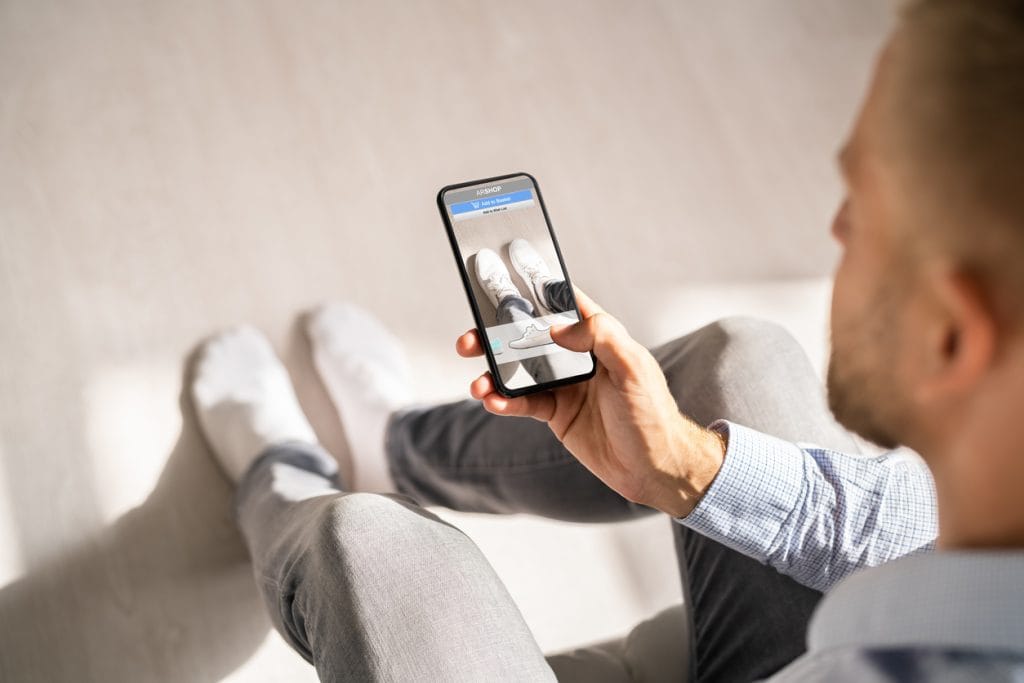
Like any emerging format, live shopping comes with its challenges. One of the biggest is viewer fatigue. With so many brands jumping in, it is easy for live events to blur together, especially when content feels overly scripted or repetitive.
There is also the risk of over-reliance on influencers. While creators can drive strong results, their audiences are not guaranteed. And controversies or misalignment can quickly damage brand perception.
Technical glitches, shipping delays, or poor product experiences can be magnified when purchases are made in the heat of the moment. Brands must be ready to handle post-sale customer service with the same speed and polish as the live event itself.
Still, the upsides are hard to ignore. When executed well, live shopping offers a unique blend of brand visibility, entertainment, and measurable results.
Live shopping is not just a passing trend—it is a fast-evolving retail strategy that reflects how consumers now prefer to shop: in real-time, with real people, and with full transparency. As brands look for new ways to cut through the noise of digital advertising and connect more directly with customers, this format offers a potent mix of urgency, engagement, and authenticity.
Whether run from a smartphone or produced in a studio, these broadcasts bring the human element back into online retail. And as technology continues to improve and audiences become more accustomed to the format, the question will shift from whether live shopping is worth trying to how it fits into a broader sales strategy.
Retail is changing—not in slow, incremental steps, but live, right in front of our eyes.