
Commercial landscaping was once viewed primarily as a maintenance service. Property owners hired contractors to mow lawns, trim hedges, remove weeds, and keep outdoor areas presentable. Although those responsibilities remain…
Read More...


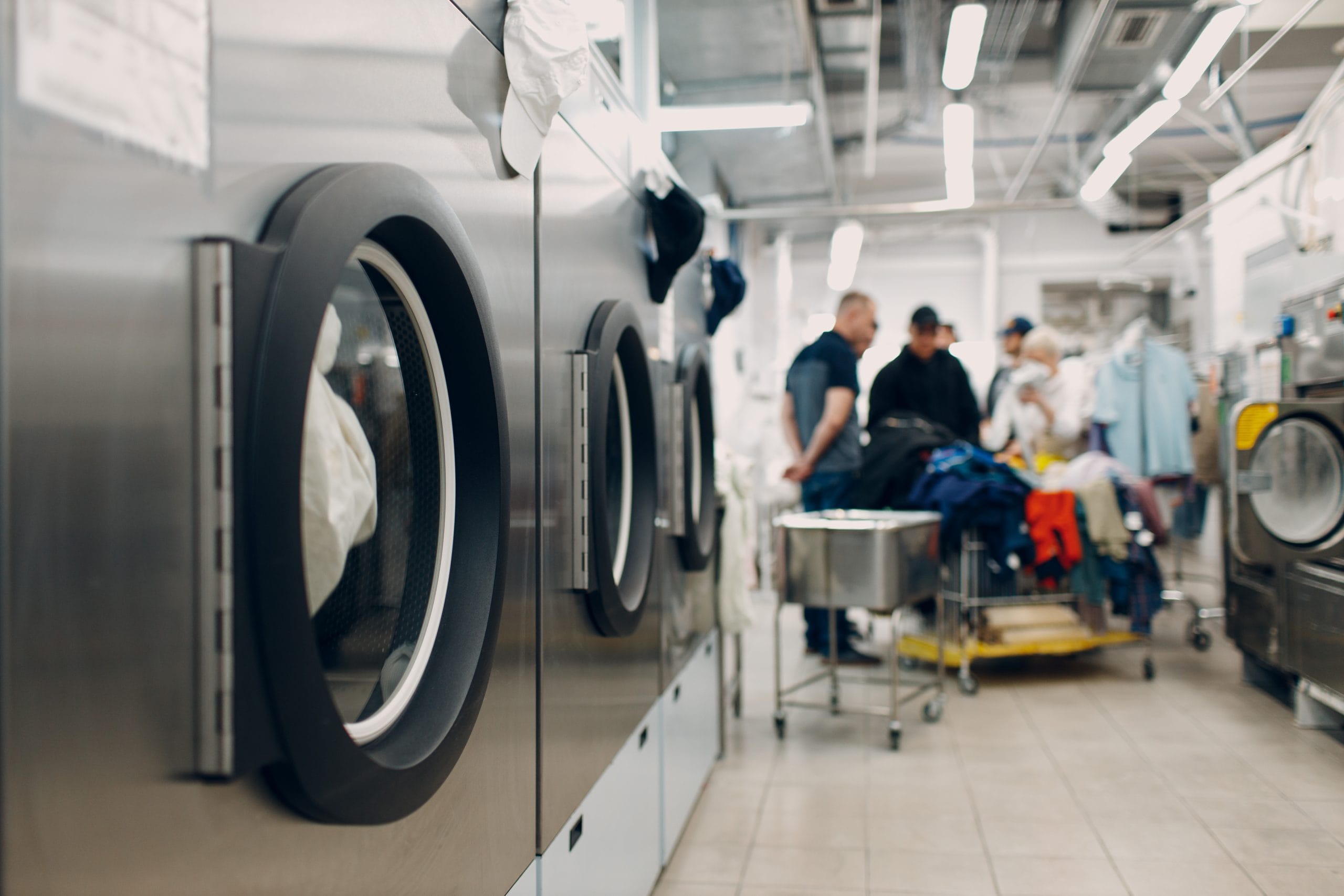


Industrial laundry operations are entering a period of steady expansion as companies across sectors rethink how they manage textiles, linens, uniforms, and high volume cleaning requirements. Organizations that once handled these tasks in house are moving toward outsourced models due to cost pressures, labor shortages, technology improvements, and the growing need for predictable service levels. What once seemed like a traditional, low innovation industry has become a battleground for efficiency, automation, and service quality at scale.
One major factor reshaping this field is the sheer diversity of businesses that rely on outsourced cleaning today. Restaurants, healthcare systems, athletic facilities, large office complexes, hospitality groups, and manufacturing plants often cycle through thousands of pounds of materials every week. As these organizations expand, the volume becomes too complex to manage internally. That shift forms the basis for rising demand for commercial providers capable of handling speed, hygiene compliance, and consistent output.
Industrial laundry companies have invested heavily in modern equipment capable of processing large batches while reducing water, detergent, and energy consumption. These upgrades add competitive advantages that many companies simply cannot match on their own. Instead of pouring capital into equipment, staffing, training, and facility management, businesses often choose outsourcing to access scalable service without building the infrastructure themselves.
Growing demand for professionalized service has invited innovation. Automation, load tracking tools, smart washers, and heat recovery systems are now standard across many modern facilities. Companies like CBW Engineering and Lavatec Laundry Technology offer advanced tunnel washers and finishing systems that accommodate industrial throughput while reducing labor hours and operational costs. This level of sophistication has expanded what service providers can offer and has strengthened their appeal to organizations with strict compliance requirements.
Many industries are reexamining their operational routines and evaluating where internal processes are no longer sustainable. Rising labor expenses, increased regulation, and a competitive landscape require businesses to find efficiencies in every corner of their operations. Textile and linen management has emerged as a category where outsourcing not only cuts internal costs but also improves outcomes, driving the surge in demand for commercial laundry services.
As organizations adopt higher standards for hygiene, brand presentation, and customer experience, the expectations placed on industrial laundry operators have increased as well. Hotels and resorts often rely on a tightly coordinated flow of linens to maintain service speed in peak seasons. Hospitality groups such as Omni Hotels and Resorts or Hyatt manage large volumes daily and require partners capable of delivering consistent results. Their operational models depend on reliability and the ability to manage frequent fluctuations in usage.
Healthcare systems present even greater complexity. Controlling contamination, managing medical linens, and keeping workflow steady are essential for patient safety. Facilities partnered with professional operators avoid the burden of purchasing and maintaining specialized sanitation equipment. A provider using high grade wash processes and thermal disinfection helps hospitals remain compliant with safety standards that change over time.
Manufacturing, automotive, and logistics companies have their own needs rooted in personal protective equipment, uniforms, and specialized materials. These organizations depend on clean, durable textiles as part of their overall safety protocol, and outsourcing has become an essential way to maintain that consistency. Providers with strong throughput capabilities can support fluctuating production cycles while giving businesses predictable, budget friendly service.
Industrial laundry services deliver advantages that go far beyond picking up and returning clean materials. Many organizations now treat outsourced laundry as part of a broader operational strategy used to streamline recurring tasks. This shift has played a substantial role in expanding the commercial market.
Predictable expenses matter to business leaders navigating tight budgets. Instead of absorbing the cost swings associated with staffing and equipment maintenance, outsourced providers offer clearer pricing models and scalable programs that match usage. That level of stability supports more accurate planning for organizations that rely heavily on textiles.
Another advantage comes from the ability to reallocate labor. When companies remove laundry processing from their internal workload, they can place employees in roles tied directly to revenue, customer satisfaction, or productivity rather than in tasks demanding manual effort. That reallocation often improves team efficiency and reduces burnout in environments where staffing shortages already create stress.
A well run provider also strengthens continuity. Downtime resulting from machine failure, seasonal fluctuations, or irregular scheduling can be expensive. Working with an established partner who maintains robust facilities reduces those risks. Many industrial operators use automation and monitoring tools that detect maintenance needs early, helping to support smooth workflow.
Some commercial groups have expanded into rental programs for uniforms, mats, linens, and specialty textiles. Companies such as Alsco Uniforms and Cintas operate rental and laundering models designed to simplify inventory management for their clients. That dual service approach contributes to growing demand, as organizations can address multiple operational needs with a single vendor relationship.

Technology has played a central part in reshaping the industrial laundry landscape. Advanced wash systems, programmable drying cycles, chemical dispensing precision, and on premise digital tracking have transformed performance levels. The integration of these advancements gives modern operators the ability to offer speed, accuracy, and consistency that traditional models never achieved.
Inventory tracking is one area where technology has delivered significant change. RFID tags, barcode systems, and smart monitoring platforms help businesses follow the life cycle of every textile. Large hospitality groups and healthcare operators often require documentation regarding usage, replacement, and loss prevention. Digital tracking helps both the provider and the customer maintain compliance and manage budgets.
Energy efficient equipment has also created momentum. Rising energy prices encourage businesses to find partners using systems that conserve water, electricity, and detergent. Many industrial laundry facilities pursue green certifications to demonstrate their investments in sustainability. When commercial clients can choose between outdated equipment and modern low impact solutions, the decision to partner with a technology forward service becomes much easier.
Technological improvements have created room for expansion into new categories as well. Athletic complexes, corporate wellness centers, and coworking facilities now look to outsourced partners to help manage towels, branded merchandise, and linens. Companies such as Life Time Fitness and Equinox rely on industrial operations to keep pace with daily usage. In this sense, technology strengthens long term competitiveness and supports broader commercial opportunities.
Demand for industrial laundry services varies across regions, but growth is particularly strong in urban areas with dense commercial activity. Metro regions with active hospitality markets, healthcare systems, and expanding corporate campuses tend to produce steady, year round volume. These markets often have operators running multiple facilities to manage demand across city centers, suburban zones, and industrial corridors.
Smaller cities are contributing to overall demand as restaurants, boutique hotels, senior living communities, and medical offices expand their footprint. A business in a mid sized community might not create enormous volume individually, but combined with others in the region, the demand becomes large enough for a commercial operator to scale.
Industrial laundry companies that invest in new facilities often choose regions with strong trucking infrastructure and proximity to major clients. Providers equipped with advanced sorting systems, modern washers, and quick turn capabilities can expand quickly as new businesses enter the market.
Some operators have explored mergers or acquisitions as a way to capture territory. Consolidation activity in parts of the Midwest, Southeast, and Southwest illustrates that smaller operators are being absorbed into larger networks seeking regional dominance. Larger companies with aggressive expansion plans are positioning themselves to serve multi state accounts, making them attractive partners for corporate clients that prefer fewer vendor relationships.
Commercial demand for industrial laundry services is expanding rapidly, fueled by operational pressures, sustainability goals, staffing challenges, and technological improvements. Businesses of all sizes are discovering that outsourcing creates measurable advantages in cost stability, workflow efficiency, and service reliability. As the industry continues to innovate, new opportunities will develop for providers capable of supporting a diverse mix of commercial clients.
This shift positions industrial laundry services as a rising force within the service economy. Organizations looking for scalable solutions are finding strong value in modern providers equipped to handle the pace and complexity of contemporary operations.