
Commercial landscaping was once viewed primarily as a maintenance service. Property owners hired contractors to mow lawns, trim hedges, remove weeds, and keep outdoor areas presentable. Although those responsibilities remain…
Read More...


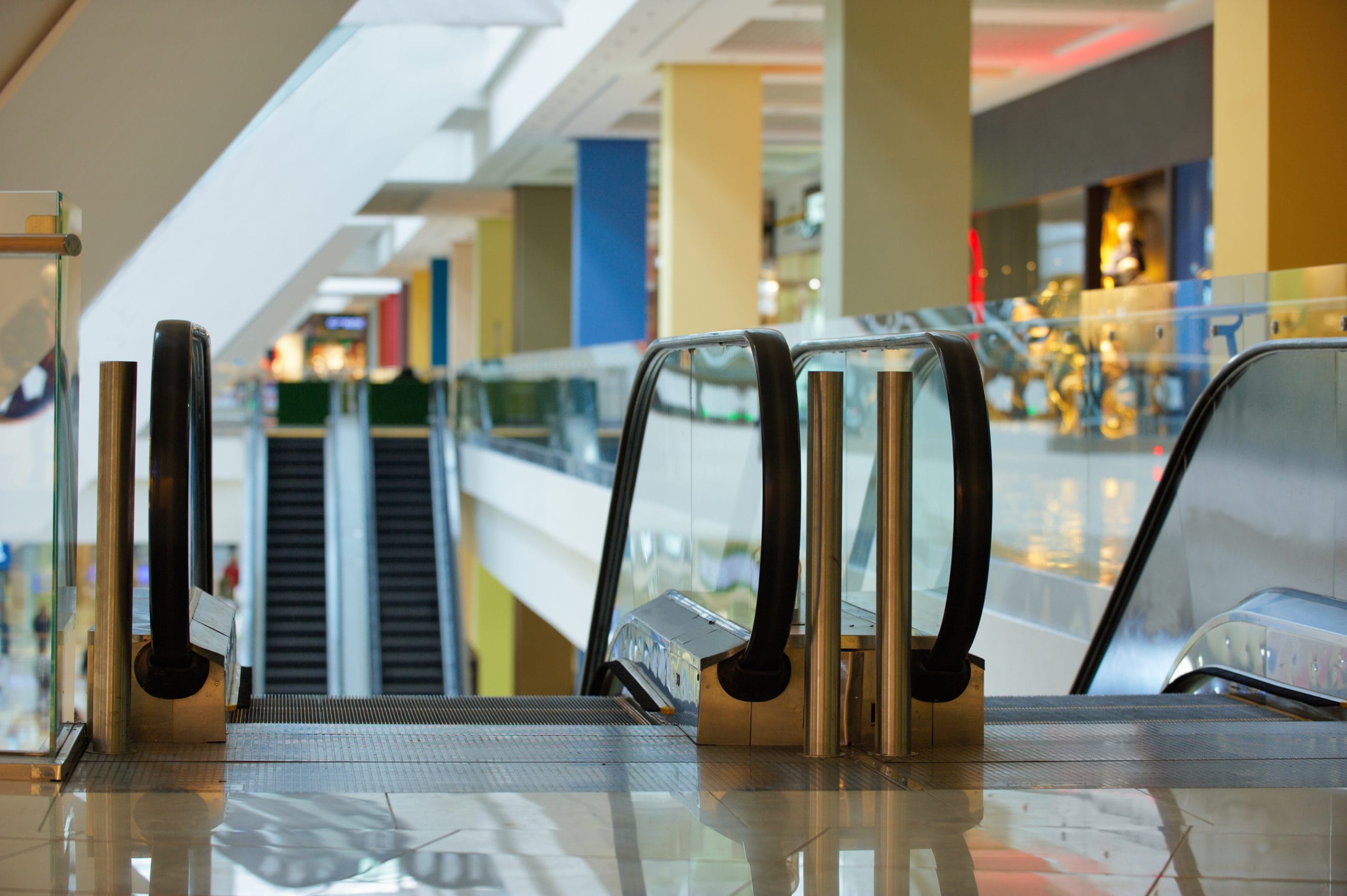


Retail has always been a reflection of how people live, work, and spend. In 2026, that reflection is sharper than ever. The shake up that began years ago has not slowed. It has simply changed shape. Store closures still make headlines, yet new retail concepts continue to emerge alongside them. What once looked like a collapse now resembles a prolonged restructuring, one driven by changing consumer expectations, cost pressures, and a rethinking of what physical retail is supposed to accomplish.
For business owners and entrepreneurs, retail in 2026 presents both risk and opportunity. The rules that once defined success no longer apply universally. Scale alone does not guarantee survival, and digital presence without strategy rarely delivers results. The companies navigating this environment well are not chasing nostalgia or novelty. They are responding to structural shifts that are reshaping how products are discovered, purchased, and experienced.
Store closures remain a visible symbol of retail’s transformation. Large chains continue to reduce footprints, exit underperforming markets, or consolidate locations. Rising rents, labor costs, and inventory expenses have pushed many traditional formats past their breaking point. Shopping centers built around high foot traffic assumptions no longer align with how consumers actually shop.
However, closures do not automatically signal declining demand. In many cases, they reflect a mismatch between operating models and customer behavior. Brands that expanded aggressively during previous growth cycles now face the cost of maintaining locations that no longer justify their overhead. This recalibration is painful, but it also clears space for new concepts to emerge.
Despite years of digital acceleration, physical retail remains relevant in 2026. The role of the store has shifted from being purely transactional to experiential. Customers increasingly view stores as places to validate decisions, interact with products, or engage with brand identity rather than simply complete purchases.
Companies like IKEA have leaned into this shift by redesigning stores as immersive environments that combine inspiration, planning tools, and services. Smaller showroom formats and urban locations now complement traditional big box stores. The emphasis is less about square footage and more about how space supports the buying journey.
Retail’s evolution in 2026 is being shaped by consumers who are more informed, more selective, and less patient. Price sensitivity has increased, but so has demand for convenience and transparency. Shoppers compare options quickly and expect frictionless transitions between online and offline channels.
Subscription fatigue, delivery delays, and return complexities have also altered buying habits. Many consumers are scaling back impulse purchases and focusing on value and reliability. This shift benefits retailers that understand their audience deeply and build trust through consistency rather than constant promotions.
Large footprints are no longer the default growth strategy. In 2026, many retailers are experimenting with smaller locations, pop up concepts, and flexible leases. These formats allow brands to test markets, control costs, and adapt layouts without long term commitments.
Retailers such as Allbirds have adjusted store strategies to focus on brand engagement rather than inventory volume. These locations often act as discovery hubs while fulfillment happens through centralized distribution. This approach reduces operational strain while maintaining a physical presence.
Technology continues to influence retail operations, but its role is more practical than disruptive in 2026. Data analytics, inventory forecasting, and customer insights are helping retailers make better decisions rather than chase trends. The focus has shifted from flashy innovation to tools that support profitability and efficiency.
Companies like Zebra Technologies provide hardware and software solutions that help retailers track inventory, manage fulfillment, and reduce shrink. These technologies operate behind the scenes, yet they play a critical role in maintaining margins in a competitive environment.
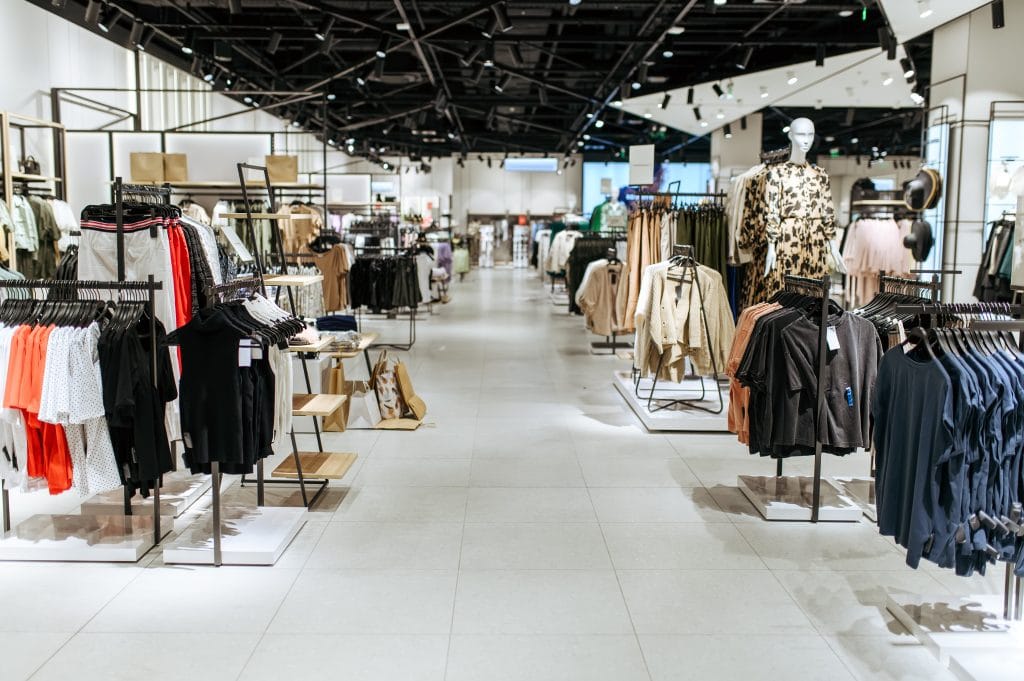
Ecommerce is no longer viewed as an alternative to retail. It is a baseline expectation. In 2026, the conversation has moved beyond online versus offline. Successful retailers treat digital channels as infrastructure, not differentiators.
Brands that built early ecommerce capabilities are now refining logistics, customer service, and post purchase experiences. Platforms like Shopify continue to support businesses of all sizes, but competitive advantage comes from execution rather than platform choice.
Private label products are gaining renewed attention as consumers look for quality without premium pricing. Retailers are investing in owned brands that offer better margins and stronger customer loyalty. These products also provide insulation against supplier volatility and pricing pressure.
Grocery and mass merchants have embraced this strategy for years, but it is expanding into apparel, home goods, and specialty retail. Companies like Costco have demonstrated how private labels can become trusted brands in their own right, not just lower cost alternatives.
For entrepreneurs considering retail in 2026, the opportunity lies in clarity and focus. Starting a retail business now requires a precise understanding of the customer and a disciplined approach to cost management. Passion alone is not enough to overcome structural challenges.
New entrants often find success by starting digitally, validating demand, and then introducing physical touchpoints strategically. Others pursue niche markets where specialization creates defensibility. The common thread is adaptability and a willingness to rethink assumptions.
The retail sector’s continued shake up is not a temporary disruption. It is a long term adjustment toward intentional design and disciplined growth. Retailers that survive and grow in 2026 are not reacting emotionally to change. They are responding thoughtfully to how people actually shop.
This shift favors businesses that prioritize operational clarity, meaningful customer relationships, and sustainable models. Retail may look different than it did a decade ago, but it remains a powerful channel for brands that understand its evolving role.
Retail in 2026 is not defined by collapse or resurgence. It is defined by recalibration. The shake up continues because the underlying forces driving it are still in motion. Consumer behavior, cost structures, and technology adoption continue to evolve, pushing retailers to adapt or exit.
For business owners and entrepreneurs, this environment rewards realism and resilience. Retail is no longer about occupying space. It is about earning attention, trust, and repeat engagement. Those who understand that distinction are better positioned to navigate what comes next.