
For decades, the annual performance review has been one of the most familiar rituals in the workplace. Employees sit down with a supervisor, discuss accomplishments and shortcomings from the previous…
Read More...


Commercial real estate has long been viewed as a stable asset class, but recent shifts in interest rates, remote work patterns, and consumer behavior have created new opportunities for investors and entrepreneurs. Instead of focusing only on new development or traditional acquisitions, many business leaders are looking at property conversions. Transforming outdated or underperforming commercial properties into new uses is increasingly being viewed as a strategic capital move rather than a niche redevelopment idea.
The concept is straightforward but powerful. An office building that struggles to attract tenants may be converted into residential apartments. A shopping center that no longer performs well could be redeveloped into a mixed use project with housing and entertainment. Industrial structures might be repurposed into storage facilities or distribution hubs. Conversions allow investors to unlock value from buildings that the market no longer values in their original form.
In a higher interest rate environment where new construction financing is more expensive, adaptive reuse projects are attracting attention from both private investors and institutional capital. The strategy offers a way to reposition assets while reducing some of the cost pressures associated with ground up development.
Interest rates have played a major role in shaping the commercial property landscape during the past few years. As borrowing costs rise, many developers have postponed large projects because the financial projections become harder to justify. Construction loans become more expensive, project timelines stretch, and return expectations become more uncertain.
Conversions often present a different financial equation. Because the building already exists, a large portion of the capital investment has already been absorbed. Investors are not financing an entire development from the ground up but are instead repositioning an existing asset. That change alone can alter the risk profile of a project.
Major real estate investment firms have already adjusted their strategies in response to the changing capital markets. Firms such as Blackstone have expanded investments in sectors like logistics and housing while reducing exposure to certain office assets. Advisory firms like JLL have also been working with property owners to evaluate how older buildings can be repositioned for new uses.
One of the most visible areas of conversion activity involves office buildings. Remote work and hybrid employment models have changed the demand for traditional office space in many cities. Companies no longer require the same amount of square footage they once did, which has created rising vacancy rates in certain markets.
Many office towers constructed decades ago now struggle to compete with newer buildings that offer modern amenities and flexible layouts. For some property owners the best path forward is no longer finding another office tenant but transforming the building entirely.
Cities across the United States are actively evaluating office to residential conversions. Developers have started transforming empty office floors into apartments, condominiums, and even hospitality properties. Some municipalities are encouraging this shift through zoning updates and redevelopment incentives because it brings new residents into downtown areas that once depended heavily on office workers.
Research from commercial property advisors like CBRE shows that older office buildings with large floor plates and central locations often become prime candidates for conversion. Investors who acquire these properties at reduced prices may be able to reposition them into housing or mixed use developments that better match current demand.
Retail property has also been undergoing significant transformation. The expansion of online shopping has reshaped consumer behavior and left many shopping centers with declining foot traffic. Instead of allowing these properties to remain underutilized, developers are exploring creative ways to reinvent them.
One strategy involves redeveloping retail centers into mixed use communities that combine housing, dining, entertainment, and health services. Another approach converts large retail spaces into distribution centers that support online order fulfillment.
Across the country, former department stores have been transformed into fitness centers, healthcare clinics, or educational facilities. Developers working with advisory firms such as Cushman & Wakefield have identified numerous retail properties that can be successfully repositioned when market demand changes.
These redevelopment projects demonstrate how commercial real estate can evolve alongside shifts in the broader economy.
Not every conversion begins with a struggling property type. In some cases developers transform assets into industrial facilities because the logistics sector continues to grow. Online commerce has dramatically increased the need for distribution centers located near population hubs.
Global logistics real estate companies such as Prologis have invested heavily in warehouse and fulfillment facilities that support modern supply chains. Older commercial buildings located near highways or transportation corridors sometimes provide ideal structures for warehouse conversion.
Parking garages, retail stores, and former manufacturing facilities have all been converted into logistics hubs in recent years. These projects illustrate how economic trends can reshape the demand for different property types.
Adaptive reuse was once viewed as a niche strategy pursued primarily by smaller developers. Today institutional investors are paying closer attention because conversions offer a way to deploy capital during uncertain market conditions.
Large investment groups are allocating funds toward redevelopment projects where existing structures can be repositioned into higher value assets. Some conversions involve turning hotels into student housing, while others involve redeveloping industrial buildings into creative office environments for technology companies.
Real estate investment firms such as Brookfield have demonstrated that large scale redevelopment projects can generate strong returns when executed correctly. Their involvement has helped bring greater visibility to the adaptive reuse sector.
Local governments are playing an increasingly important role in commercial property conversions. Cities want vibrant business districts, productive tax bases, and buildings that contribute to the economic life of the community.
Vacant commercial properties can create long term challenges for neighborhoods. When large buildings remain empty, nearby businesses often struggle and property values may decline. For this reason many municipalities are exploring policies that encourage redevelopment.
Organizations such as the Urban Land Institute have highlighted how adaptive reuse projects can bring new life to urban areas by introducing housing, entertainment venues, and office space into previously underutilized districts.
For entrepreneurs and developers this evolving partnership between investors and municipalities can create opportunities to collaborate on projects that benefit both private capital and the surrounding community.
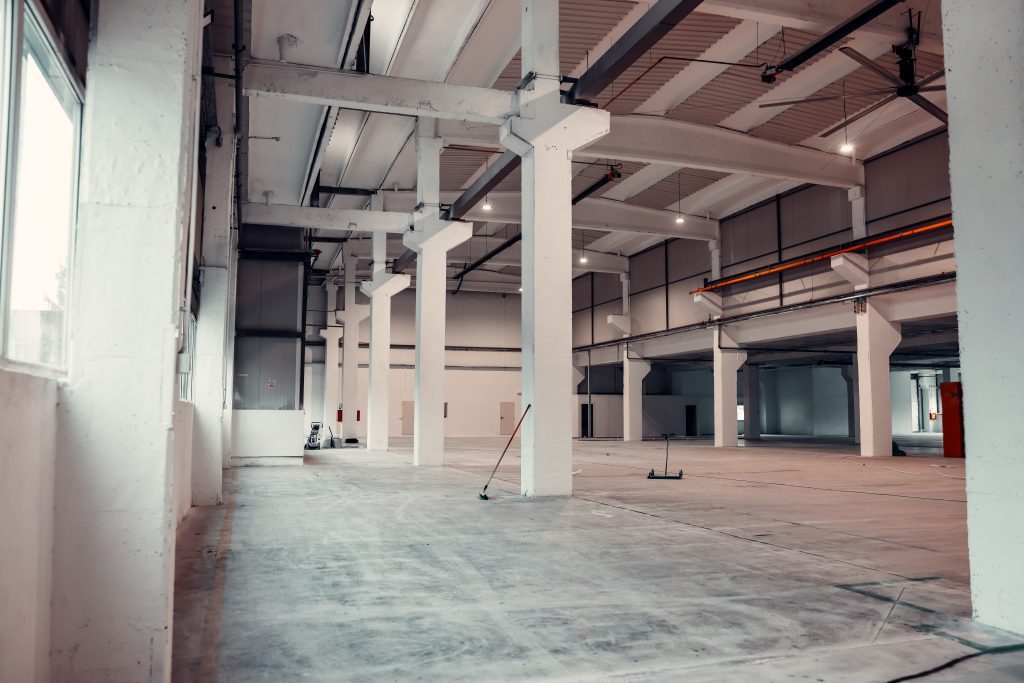
Despite the growing interest in commercial real estate conversions, these projects come with challenges that require careful planning. Changing the use of a building often involves navigating zoning regulations, construction requirements, and engineering considerations.
Older buildings may require upgrades to electrical systems, plumbing infrastructure, or safety features before they can support a different purpose. Structural layouts that worked well for office space might need major modifications to accommodate residential units.
Financing can also become more complex. Lenders sometimes view conversion projects as higher risk because renovation costs may vary depending on the condition of the existing structure. Developers frequently rely on feasibility studies before committing to these investments.
Engineering and design firms such as AECOM often assist developers in analyzing structural integrity, renovation costs, and long term viability before a conversion project begins.
For entrepreneurs interested in commercial real estate, conversion projects can present a unique entry point into the market. Traditional development requires large capital commitments and extended timelines. Redevelopment opportunities sometimes allow investors to acquire properties at discounted prices when the original use is no longer viable.
Entrepreneurs who understand local market dynamics can identify buildings that others overlook. A vacant retail strip might become a medical office center. A small office building could be transformed into boutique residential units. A former warehouse might become a creative coworking hub.
These projects require vision, careful financial planning, and the ability to coordinate architects, contractors, and lenders. When the transformation aligns with changing economic conditions, the results can create substantial value for both investors and communities.
Commercial real estate conversions are gaining attention as interest rates reshape property investment strategies. Changing work habits, evolving consumer behavior, and shifting capital markets have created opportunities to reposition existing buildings in ways that generate new value.
For entrepreneurs and investors who can analyze market trends and navigate redevelopment challenges, adaptive reuse offers a compelling path forward. Transforming underperforming properties into residential communities, logistics centers, or mixed use developments is becoming one of the most dynamic strategies within modern commercial real estate.