
Commercial landscaping was once viewed primarily as a maintenance service. Property owners hired contractors to mow lawns, trim hedges, remove weeds, and keep outdoor areas presentable. Although those responsibilities remain…
Read More...


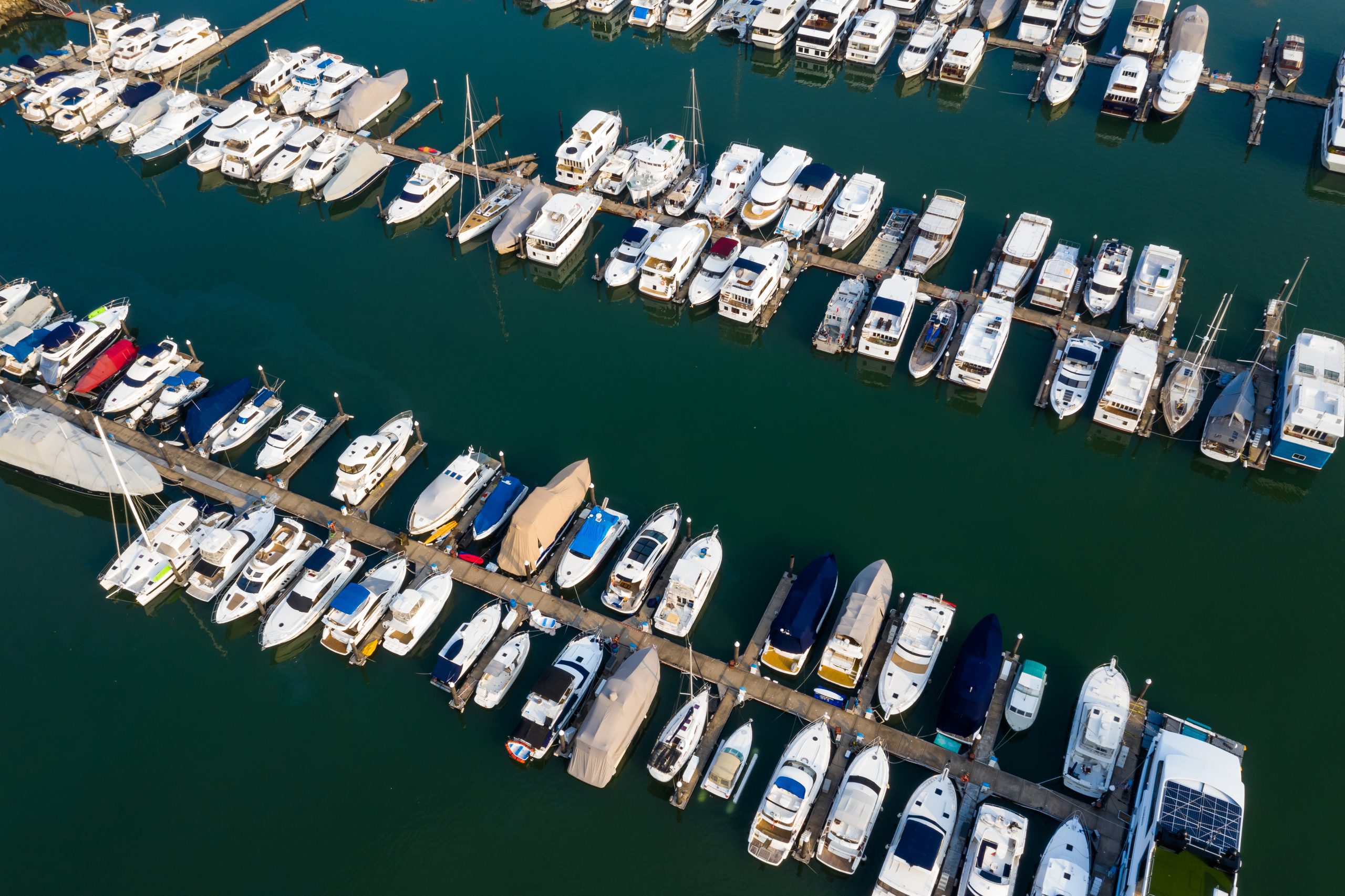


Marinas have evolved far beyond simple docking facilities. They now represent a hybrid of real estate, hospitality, and infrastructure that plays a central role in waterfront economies. Across coastal and inland markets, the demand for marina access and boat storage continues to climb, driven by lifestyle shifts, increased recreational boating, and a growing interest in experiences tied to water.
This momentum has positioned marinas as a compelling asset class for investors and operators. Unlike many traditional commercial properties, marinas benefit from a combination of recurring revenue streams and limited supply. Waterfront land is inherently scarce, and zoning restrictions make it difficult to develop new marina properties in many regions. That scarcity often translates into strong pricing power, particularly in high-demand markets.
Companies such as Safe Harbor Marinas have recognized this opportunity and built large portfolios of marina assets across the United States. Their strategy highlights how consolidation is shaping the industry, with operators seeking scale to improve operational efficiency and enhance customer offerings. As capital continues to flow into this space, marinas are increasingly viewed as long-term investments rather than niche properties.
Boat ownership has seen a steady rise over the past several years, particularly during periods when travel alternatives were limited. That increase in ownership has created a parallel surge in demand for storage solutions. Boat owners are not just looking for space; they are looking for convenience, security, and service.
Dry storage facilities, valet launching services, and climate-controlled environments are becoming standard expectations. In many areas, the waiting lists for slips or storage can stretch months or even years. This imbalance between supply and demand gives marina operators an opportunity to expand services and capture additional revenue.
Innovative operators are investing in technology to streamline operations. Reservation systems, mobile apps, and automated billing platforms are now part of the customer experience. Firms like BoatCloud are helping marinas modernize by providing digital tools that connect boaters with available slips and services. These upgrades are not just about convenience; they also improve operational margins and customer retention.
From a business standpoint, the shift toward premium services reflects a broader trend in consumer behavior. Customers are willing to pay more for time savings and reliability. Marina operators that recognize this shift are better positioned to differentiate themselves in competitive markets.
The current interest rate environment has introduced new dynamics into marina development and acquisition. Financing costs have increased, which directly affects the feasibility of new projects and the valuation of existing assets. Developers who once relied on relatively inexpensive capital are now reevaluating timelines and return expectations.
Higher rates can slow down new construction, particularly for projects that require significant upfront investment in infrastructure. Dredging, dock installation, and shoreline stabilization are capital-intensive components that do not lend themselves to quick returns. As borrowing costs rise, these projects require more careful financial modeling.
At the same time, existing marina assets may benefit from reduced competition. When fewer new projects enter the market, established operators can maintain or even increase pricing. This dynamic creates a unique balance where higher interest rates present challenges for expansion but may support stronger performance for current assets.
Institutional investors are also adjusting their strategies. Some are shifting toward acquisitions rather than ground-up development, targeting stabilized properties with predictable cash flow. Others are forming partnerships to spread risk and access capital more efficiently. These approaches reflect a broader trend across commercial real estate, where flexibility and strategic alignment are becoming more important than ever.
Marinas rarely operate in isolation. They are often part of larger waterfront ecosystems that include restaurants, retail, lodging, and entertainment. This integration creates opportunities for diversified revenue streams and enhances the overall value of the property.
Developers are increasingly viewing marinas as anchors for mixed-use projects. A well-designed marina can attract consistent foot traffic, which benefits surrounding businesses. Dining establishments, boutique shops, and event spaces can all thrive in proximity to a busy marina.
Companies like Suntex Marinas have embraced this model by combining marina operations with lifestyle-oriented amenities. Their properties often include dining, social spaces, and community events that extend beyond traditional boating services. This approach transforms marinas into destinations rather than purely functional spaces.
For business owners, this presents an opportunity to tap into a built-in customer base. Whether it is a waterfront restaurant or a service provider catering to boaters, the synergy between marina operations and surrounding businesses can drive consistent demand.

While the upside is clear, operating a marina comes with its own set of challenges. Environmental regulations, maintenance requirements, and weather-related risks all play a role in day-to-day operations. Coastal properties, in particular, must account for storm preparedness and long-term resilience.
Insurance costs have become a significant consideration, especially in regions prone to hurricanes or flooding. Operators must balance the need for comprehensive coverage with the impact on profitability. This has led to increased interest in infrastructure upgrades that improve resilience and reduce risk over time.
Staffing is another area that requires attention. Skilled labor for maintenance, operations, and customer service is essential to delivering a high-quality experience. As competition for talent increases, marina operators are investing more in training and retention strategies.
Strategic positioning plays a critical role in navigating these challenges. Operators that focus on customer experience, operational efficiency, and long-term planning are better equipped to handle market fluctuations. This includes leveraging partnerships, adopting technology, and continuously evaluating pricing strategies.
Technology is reshaping how marinas operate and how customers interact with them. From online booking systems to smart dock management, digital tools are becoming integral to the industry. These innovations not only improve efficiency but also create new revenue opportunities.
For instance, data analytics can help operators understand usage patterns and optimize pricing. By analyzing peak demand periods, marinas can adjust rates and maximize occupancy. This level of insight was not readily available in the past but is now becoming a standard part of operations.
Electric boating is another area gaining traction. As sustainability becomes a greater focus, marinas are beginning to incorporate charging infrastructure for electric vessels. Companies like Electric Yacht are contributing to this shift by developing electric propulsion systems that align with environmental goals. While still an emerging segment, it signals where the industry may be heading in the coming years.
Automation is also playing a role in improving efficiency. From automated storage systems to advanced security features, these technologies help reduce operational costs while enhancing the customer experience. As adoption increases, they may become a standard expectation rather than a differentiator.
The long-term outlook for marinas remains strong, supported by demographic trends and lifestyle preferences. Boating continues to appeal to a wide range of consumers, from retirees to younger buyers seeking outdoor experiences. This broad appeal helps sustain demand even as economic conditions shift.
Investors are paying close attention to regional dynamics. Markets with favorable weather, strong tourism, and limited supply tend to attract the most interest. Florida, the Gulf Coast, and parts of the Northeast have all seen significant activity in recent years.
At the same time, inland markets should not be overlooked. Lakes and river systems can support thriving marina operations, particularly in areas with strong local demand. These markets may offer lower entry costs while still providing attractive returns.
The role of interest rates will continue to influence investment decisions. While higher rates may slow some activity, they also encourage more disciplined underwriting and long-term planning. Investors who take a strategic approach and focus on fundamentals are likely to find opportunities even in a challenging environment.
Marinas and boat storage facilities sit at the intersection of real estate, recreation, and infrastructure. Their unique characteristics create both challenges and opportunities for business owners and investors. As interest rates reshape the financing landscape, the importance of strategic planning becomes even more pronounced.
Operators who focus on service, innovation, and thoughtful expansion are well positioned to capitalize on continued demand. At the same time, investors who recognize the long-term value of waterfront assets may find marinas to be a compelling addition to their portfolios. The combination of limited supply, recurring revenue, and evolving customer expectations continues to drive growth across the industry, making marinas an area worth watching closely.