
Commercial landscaping was once viewed primarily as a maintenance service. Property owners hired contractors to mow lawns, trim hedges, remove weeds, and keep outdoor areas presentable. Although those responsibilities remain…
Read More...


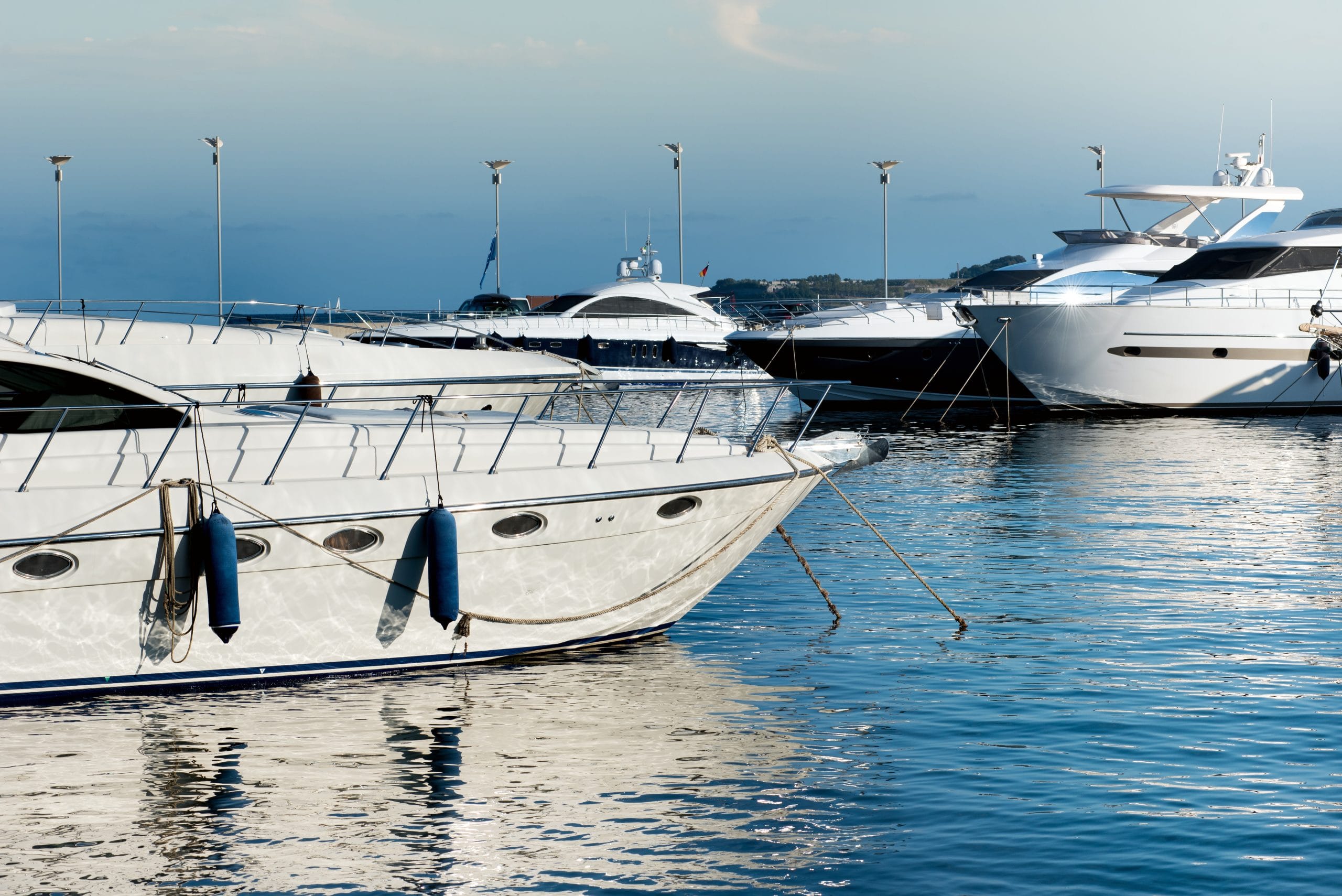


The recreational boat market in the United States has reached a scale that demands attention. According to the National Marine Manufacturers Association (NMMA), the U.S. recreational boating industry around 2023 generated approximately $230 billion in annual economic impact, supporting more than 812,000 jobs and over 36,000 businesses. NMMA reports that kind of economic footprint is rarely seen in leisure markets. What this tells entrepreneurs is that the market for boating is both vast and still evolving, containing many gaps and business models waiting to be shaped.
It is also worth noting that while new powerboat sales may be softening in some corners, with roughly 230,000 to 240,000 units estimated for 2024 in the U.S., Boating Industry indicates the broader ecosystem around boating such as accessories, services, rentals, and experiences is still riding a wave of growth. Entrepreneurs do not necessarily have to build a manufacturing business to participate; they can engage upstream or downstream of manufacturing.
Another key observation is that the demographics are more accessible than many expect. It is not only high-income owners. The NMMA reports that about 61 percent of U.S. boat owners have annual household income of $100,000 or less. Boating Industry notes that there are broader market segments to serve beyond the luxury yacht category. With that background, the industry opens a wide range of opportunities for new entrants.
One of the most compelling shifts in the industry is the share economy model applied to boat use. Platforms such as Boatsetter have scaled peer-to-peer boat rentals by connecting boat owners or fleets with people who want to get out on the water without full ownership.
Entrepreneurs can consider launching a curated boat rental business in an underserved region. Focusing on smaller craft such as pontoon boats or family cruisers may reduce barriers to entry. Others may choose to partner with existing boat owners to manage bookings, maintenance, and operations in exchange for a portion of revenue. Offering add-on services such as guided experiences or event charters can increase revenue per trip.
What makes this model attractive is that boat ownership is expensive, seasonal, and requires storage. The rental and shared use model allows customers to enjoy the experience without the burden. According to Rentrax, boat rental margins for a well-managed business can reach between 20 and 40 percent depending on location and structure. Entrepreneurs should, however, plan for weather dependency, insurance costs, and operational logistics.
With more boats in use and more participation across demographics, the aftermarket and servicing side is gaining traction. Entrepreneurs can build businesses that support the boating ecosystem by offering maintenance and repair services.
Examples include detailing and cleaning services for hulls, interiors, and upholstery, especially in high-traffic marinas. The site Enterprise League highlights boat cleaning as a straightforward business idea with low capital requirements. Marine electrical work also remains in high demand and does not require heavy startup costs, according to discussions on The Hull Truth.
Mobile service units can perform on-site maintenance or seasonal prep at lakes or coastal areas. Refurbishment and retrofitting of older boats is another growing segment as owners seek upgrades for electronics or sustainability features. Subscription-style service packages can also be appealing for boat owners seeking hassle-free upkeep.
From a business standpoint, these service models offer recurring revenue and lower capital risk than owning boats. Building trust with owners and marinas is crucial, as reliability and quality drive referrals and repeat customers.
Boating is as much about experience as it is about the vessel. Entrepreneurs can create businesses around themed excursions such as guided tours, fishing trips, event cruises, or eco-friendly adventures.
Fishing and sport-fishing charters remain lucrative in coastal markets. Enterprise League also lists charter fishing as a viable niche. Sightseeing and sunset cruises can target tourism and hospitality sectors, especially when paired with partnerships with hotels or resorts. Corporate or private events on boats can command premium pricing when the experience is curated and safe.
There is also growing interest in sustainability-focused tours using solar-powered or electric boats. The Data Bird Journal notes that eco-friendly charter services are gaining popularity. Entrepreneurs can differentiate by offering educational experiences or community-driven clean-water events.

As boating participation expands, technology and digital services are becoming critical. Entrepreneurs can focus on accessories, e-commerce, and connected systems that enhance the boating experience.
Opportunities include specialized marine accessories such as navigation gear, high-performance seating, and safety equipment. A user discussion on Reddit suggests focusing on unique accessory brands tailored to boat enthusiasts. Other options include developing software for marinas to manage reservations or IoT devices that provide real-time diagnostics for boat systems.
E-commerce for marine lifestyle products and training platforms for new boaters also represent attractive markets. Digital courses, certification programs, and online communities could cater to the growing population of first-time owners and renters.
These segments usually have lower physical asset costs and global reach, but differentiation is key. Niche branding, quality assurance, and customer support are what make such ventures sustainable.
The boating industry is entering an era of sustainability and electrification. Companies like Arc Boat Company are developing high-performance electric watercraft, signaling a major technological shift. The U.S. outdoor recreation economy overall topped $1 trillion in 2022, with boating and fishing as leading contributors according to Boating Industry.
Entrepreneurs can create value by offering electric boat rentals, retrofitting older craft with electric systems, or developing infrastructure for charging at marinas. Others may focus on eco-certification services or smart marina management tools that support sustainable operations. The “marina of the future” concept includes intelligent dock management, renewable power integration, and environmental monitoring.
While these models may require more technical expertise or investment, they align with growing ESG initiatives and offer long-term relevance in a changing market.
Before entering the boating sector, location, seasonality, and regulation are critical considerations. Boating markets are regional, and demand varies significantly. According to NMMA, Florida, California, and Texas lead in boating economic activity, but inland markets with tourism also present opportunity.
Seasonality can heavily impact revenue. Entrepreneurs in colder climates may need to adapt with diversified offerings or off-season services. Maintenance, storage, and insurance costs must be calculated carefully to avoid cash flow challenges.
Regulation and safety standards should also be top of mind. The American Boat and Yacht Council sets many of the standards that marine businesses follow. Compliance, training, and strong insurance coverage are essential for credibility and risk management.
Finally, marketing to both traditional and non-traditional boaters will expand reach. Partnerships with marinas, resorts, or tourism boards can drive customer acquisition. Targeting families, corporate clients, or social groups opens up entirely new user segments.
Boatsetter stands out as an example of innovation in the sharing economy applied to boating. Their platform demonstrates how digital solutions can transform access and convenience for users.
Meanwhile, smaller businesses offering marine electrical services or cleaning continue to thrive due to consistent demand. Discussions on The Hull Truth forum show how practical, service-oriented ideas can evolve into stable income streams with low overhead.
On the tech side, entrepreneurs exploring IoT systems or connected boating technology will find a market that is still young. Early adoption can yield brand recognition and future scalability as boating technology advances.
The boom in the boating industry presents a diverse set of business opportunities for entrepreneurs and professionals willing to innovate. Whether the focus is on rentals, maintenance, experiences, accessories, or sustainable boating, there are openings across multiple layers of the market.
Success will come from understanding local conditions, building trustworthy operations, and crafting meaningful customer experiences. Boating today is about more than owning a vessel; it is about the ecosystem of services, technology, and experiences that make time on the water accessible and memorable. For those ready to navigate that current, the tide is clearly in their favor.