
Commercial landscaping was once viewed primarily as a maintenance service. Property owners hired contractors to mow lawns, trim hedges, remove weeds, and keep outdoor areas presentable. Although those responsibilities remain…
Read More...


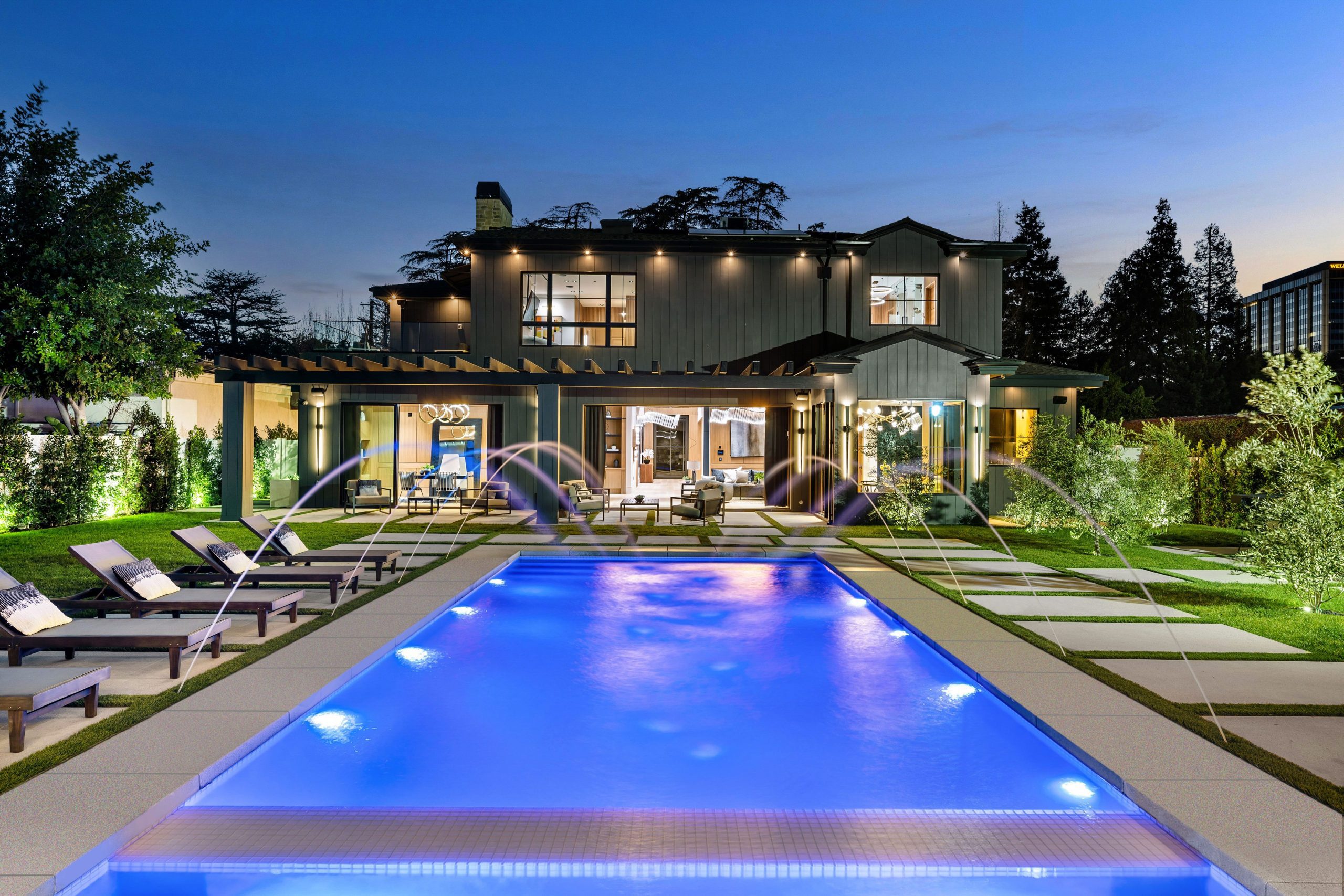


Luxury real estate has always operated under a different set of rules compared to the broader housing market. While affordability, inventory levels, and lending conditions drive much of the mainstream conversation, the high end segment is shaped by exclusivity, access, and perception. What makes this sector particularly compelling is how it blends traditional real estate fundamentals with branding, psychology, and global capital flows.
In recent years, shifting interest rate policies have brought renewed attention to how wealth is deployed. While rising borrowing costs have slowed certain segments of the housing market, luxury real estate has demonstrated resilience in ways that continue to attract business professionals and investors. The appeal is not simply about owning a high value property. It is about acquiring a status symbol, a store of wealth, and in many cases, a strategic business asset.
Exclusivity is not accidental in luxury real estate. It is engineered. Developers, brokers, and investors carefully control supply, access, and visibility to create a sense of scarcity. This scarcity, whether real or perceived, plays a critical role in maintaining pricing power.
High end developments often feature limited units, private amenities, and restricted access points. A penthouse in a building with only a few comparable residences naturally carries more value than one in a tower with dozens of similar offerings. In markets like Miami, New York, and Los Angeles, developers are increasingly designing properties that cater to a narrow audience rather than broad demand.
Companies such as Related Group have built entire portfolios around this strategy, focusing on architecturally distinctive properties that appeal to affluent buyers seeking something unique. Similarly, Douglas Elliman has positioned itself as a brokerage that understands how to market exclusivity rather than just square footage.
The business takeaway is clear. In luxury real estate, value is often tied to differentiation rather than scale. Entrepreneurs looking to enter this space or adjacent industries should recognize that scarcity, when managed correctly, can become a powerful pricing lever.
Interest rates dominate headlines, and for good reason. They influence borrowing costs, investment decisions, and overall market sentiment. Yet luxury real estate behaves differently when rates rise.
Many high net worth buyers are less dependent on financing. Cash transactions remain common, particularly in ultra luxury segments. As a result, rate hikes that might freeze activity in entry level or mid market housing tend to have a more limited impact at the top.
That said, interest rates still matter. They affect opportunity cost. When returns from bonds or other financial instruments increase, some investors reconsider how much capital they allocate to real estate. In addition, developers who rely on construction financing feel the pressure, which can slow the pipeline of new luxury projects.
Firms like JLL have noted that global capital continues to flow into prime real estate even during periods of higher rates, particularly in major cities. This suggests that luxury properties are often viewed as long term holdings rather than short term speculative investments.
For business professionals, the lesson is nuanced. While macroeconomic conditions influence all markets, certain segments operate with their own internal logic. Understanding those distinctions can open doors to opportunities that others may overlook.
Luxury real estate is as much about branding as it is about location. The name attached to a property can significantly influence its perceived value. Developers increasingly collaborate with well known designers, architects, and even luxury brands to elevate their projects.
Branded residences have become a growing trend. Properties affiliated with names like Four Seasons or Versace command premium pricing because they extend the reputation of the brand into the living experience. Buyers are not just purchasing a residence. They are buying into a lifestyle that carries recognition and prestige.
This approach mirrors strategies seen in other industries. Consider how luxury automakers or fashion houses maintain pricing power through brand positioning. Real estate has adopted similar tactics, turning buildings into branded products rather than standalone assets.
Entrepreneurs can draw parallels here. Whether operating in real estate or another sector, building a strong brand can transform how a product or service is perceived and valued. In high end markets, perception often becomes reality.
Luxury real estate is inherently global. Buyers often come from different countries, bringing capital that is influenced by international economic conditions, currency fluctuations, and geopolitical considerations.
Cities like Miami have seen significant inflows of international buyers in recent years. Political stability, favorable tax environments, and lifestyle appeal make certain locations particularly attractive. Developers and brokers have adapted by marketing properties across borders, often leveraging digital platforms and international networks.
Brokerages such as Sothebys International Realty specialize in connecting global buyers with high end properties, emphasizing the importance of cross border relationships in this market.
For business owners, this highlights the importance of thinking beyond local markets. Opportunities may come from unexpected places, especially when products or services cater to a global audience.
Technology has changed how luxury properties are marketed and sold. Virtual tours, high quality video production, and targeted digital campaigns have become standard tools for reaching affluent buyers.
Platforms like Zillow and Redfin have transformed the broader real estate landscape, but luxury properties often require a more curated approach. Dedicated platforms and private listings are common, allowing sellers to maintain discretion while still reaching qualified buyers.
In addition, data analytics plays a growing role in identifying trends and targeting potential buyers. Understanding where wealth is being created and how it is moving can give brokers and developers a competitive edge.
Technology also extends to the properties themselves. Smart home systems, advanced security features, and integrated services are becoming expected rather than optional in luxury developments. These features not only enhance the living experience but also contribute to the overall perception of value.
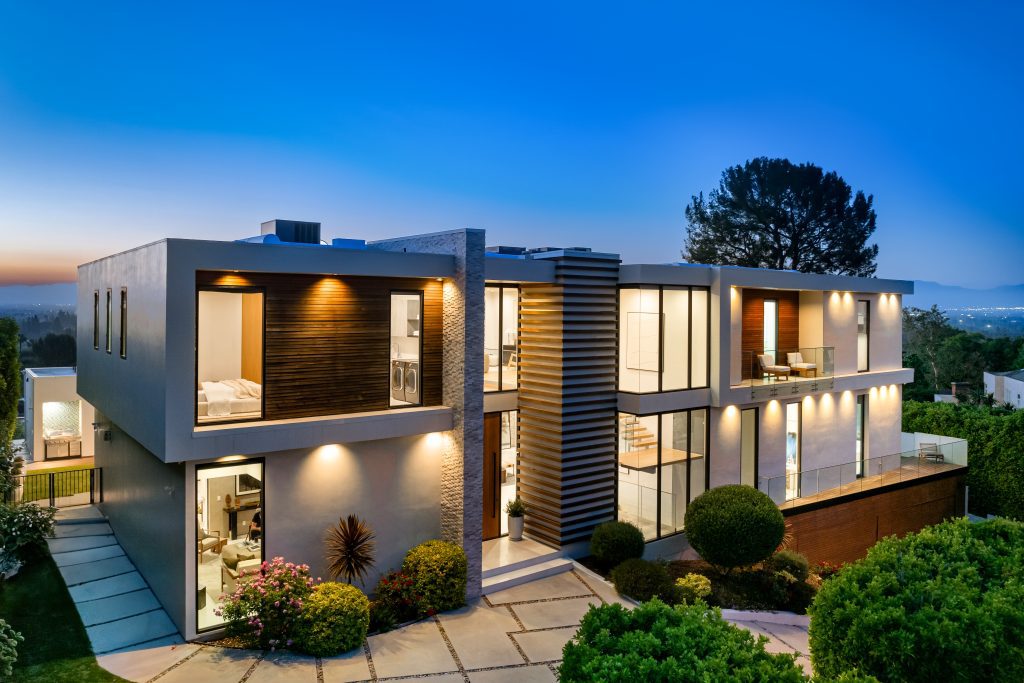
Exclusivity in luxury real estate offers a broader lesson for entrepreneurs. Limiting access, curating experiences, and focusing on a specific audience can create a sense of desirability that drives demand.
This approach can be applied across industries. Whether it is a private membership model, a limited product release, or a high touch service offering, the principles remain similar. By narrowing the target audience and elevating the experience, businesses can position themselves in a way that supports higher margins.
Luxury real estate demonstrates that not every business needs to scale by volume. In some cases, focusing on a smaller, more affluent customer base can be more profitable and sustainable.
The luxury real estate market is not immune to volatility. Economic downturns, shifts in tax policy, and changes in global wealth distribution can all impact demand. However, the long term perspective often differs from that of the broader market.
High end properties are frequently held as long term investments. Owners may view them as part of a diversified portfolio rather than assets to be quickly bought and sold. This mindset can create a level of stability, even during periods of uncertainty.
At the same time, timing still matters. Developers and investors who understand market cycles can position themselves to capitalize on opportunities when others pull back. This requires a combination of market knowledge, financial discipline, and strategic thinking.
Luxury real estate operates at the intersection of finance, branding, and psychology. It is a market where perception can drive value as much as fundamentals, and where exclusivity is not just a feature but a core business strategy.
Interest rates, global capital flows, and technological advancements continue to shape the landscape, creating both challenges and opportunities. For entrepreneurs and business professionals, the lessons extend beyond real estate. Understanding how to create scarcity, build a brand, and target the right audience can have a lasting impact across industries.
In a world where access to information and products has become more democratized, exclusivity remains one of the few levers that can still command a premium. Luxury real estate offers a clear example of how that principle plays out at the highest level.