
There is a certain status attached to being busy in business. A packed calendar can look impressive. An overflowing inbox can make someone feel important. Moving from meeting to meeting,…
Read More...


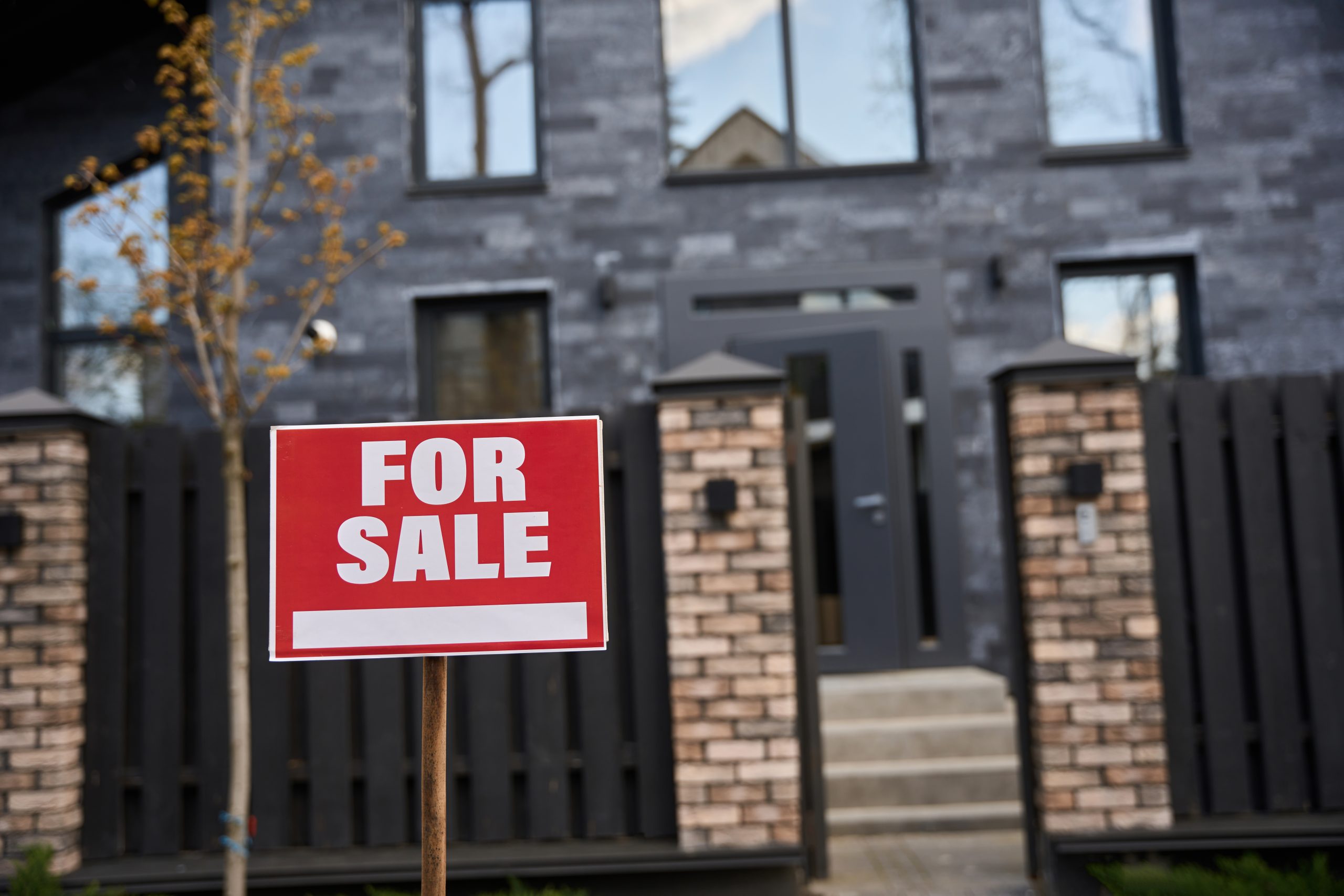


For years, real estate decisions centered on familiar factors such as location, financing, and timing. Interest rates dominated headlines and shaped affordability across the market. While those elements still matter, another force has been steadily gaining influence and, in some cases, stopping deals altogether. Homeowners insurance has shifted from a routine closing item to a critical decision point that can determine whether a transaction moves forward or falls apart.
This change is not theoretical. Buyers today are facing a very different insurance landscape than they were even a few years ago. Premiums are rising, coverage options are tightening, and in some regions, policies are difficult to obtain. What used to be a predictable expense is now a moving target. For entrepreneurs, investors, and business professionals, this shift is more than an inconvenience. It is a signal that the economics of property ownership are changing in meaningful ways.
Real estate has always been about numbers. Buyers evaluate purchase price, financing costs, expected returns, and ongoing expenses before committing to a deal. Insurance was historically a relatively stable component of that equation. Today, it is one of the least predictable.
In many markets, buyers are receiving insurance quotes that are significantly higher than anticipated. A property that appeared financially sound can quickly become questionable when insurance costs are factored in. Monthly obligations increase, and projected returns may no longer justify the investment. This is especially relevant for those acquiring rental properties or commercial assets where margins are already tight.
Insurance carriers have adjusted their approach in response to rising claims and shifting risk exposure. Companies like State Farm and Allstate have tightened underwriting standards and, in certain areas, reduced new policy issuance. These changes are not isolated decisions. They reflect a broader recalibration across the insurance industry as companies reassess how they price and manage risk.
The timing of rising insurance costs adds another layer of complexity to the market. Interest rates have already impacted affordability, reducing purchasing power for many buyers. When higher insurance premiums are added to the equation, the total cost of ownership increases in a way that many did not anticipate.
A buyer who can manage a higher mortgage payment may struggle when insurance costs climb at the same time. The combined effect can push a deal beyond financial comfort. In some cases, buyers are forced to adjust their expectations, look at different types of properties, or exit transactions entirely.
This dual pressure is influencing behavior across the housing market. Investors are recalculating returns with a more cautious lens. Business owners evaluating real estate opportunities are factoring in risk more heavily. The market is not only reacting to interest rate changes but also to the growing unpredictability of insurance costs.
Location has always played a central role in real estate, but the reasons behind location preferences are evolving. Environmental risk is becoming a defining factor in property selection. Areas prone to flooding, wildfires, or severe weather are facing increased scrutiny from both buyers and insurers.
Organizations such as FEMA continue to update risk assessments, which can affect how properties are classified and insured. A change in risk designation can lead to higher premiums or new coverage requirements. These adjustments can happen quickly, altering the financial outlook for a property almost overnight.
As a result, buyers are becoming more selective. Properties in lower risk areas are gaining attention not just for lifestyle reasons but for financial stability. This shift is gradually influencing demand patterns and could have long term implications for property values in higher risk regions.

Investors are among the first to feel the impact of rising insurance costs. Insurance directly affects operating expenses, which in turn influence net income and overall returns. A change in premiums can alter the financial performance of an asset in a meaningful way.
Large firms such as Blackstone manage extensive property portfolios and must account for insurance variability across multiple markets. For smaller investors, the impact can be even more pronounced. Without the ability to absorb fluctuations, they must be more selective and strategic in their acquisitions.
Developers are also adjusting their approach. Project feasibility now includes a deeper analysis of insurability. Construction methods, building materials, and site selection are being evaluated with insurance considerations in mind. Properties designed with risk mitigation in mind may have an advantage when it comes to securing coverage at more reasonable rates.
One of the most visible effects of this shift is the number of deals that do not make it to closing. Buyers are walking away after receiving insurance quotes that exceed expectations. In other cases, coverage limitations create uncertainty that makes buyers uncomfortable moving forward.
Sellers are also feeling the pressure. Properties that might have sold quickly in a different market environment may now require price adjustments or concessions to remain competitive. The negotiation process has become more complex, with insurance playing a larger role than ever before.
Real estate firms such as Compass and CBRE are adapting by incorporating insurance discussions earlier in the transaction process. Addressing these issues upfront can help reduce surprises and improve the likelihood of closing. Even with these adjustments, uncertainty remains a challenge.
The due diligence process in real estate is evolving. Buyers are no longer focusing solely on property condition and financial projections. Insurance availability, coverage terms, and long term cost trends are now essential components of the evaluation process.
This requires a more proactive approach. Buyers need to engage with insurance professionals early, gather multiple quotes, and understand the factors influencing pricing. Waiting until the final stages of a transaction can lead to unexpected complications that jeopardize the deal.
For entrepreneurs and business owners entering the real estate market, this shift highlights the importance of preparation and awareness. Those who take the time to understand the insurance landscape are better positioned to make informed decisions and avoid costly surprises.
Homeowners insurance is no longer a background detail in real estate transactions. It has become a defining factor that influences affordability, shapes investment decisions, and determines whether deals move forward. Combined with the impact of higher interest rates, it is contributing to a more cautious and selective market environment.
For business professionals and investors, the takeaway is straightforward. Real estate decisions now require a deeper understanding of how risk is priced and how that pricing affects long term viability. Deals that once seemed routine now demand a more detailed analysis, with insurance playing a central role.
The market is evolving, and those who recognize this shift will be better positioned to adapt. Homeowners insurance is not just another expense. It is becoming a key driver in the future of real estate transactions.