
Commercial landscaping was once viewed primarily as a maintenance service. Property owners hired contractors to mow lawns, trim hedges, remove weeds, and keep outdoor areas presentable. Although those responsibilities remain…
Read More...


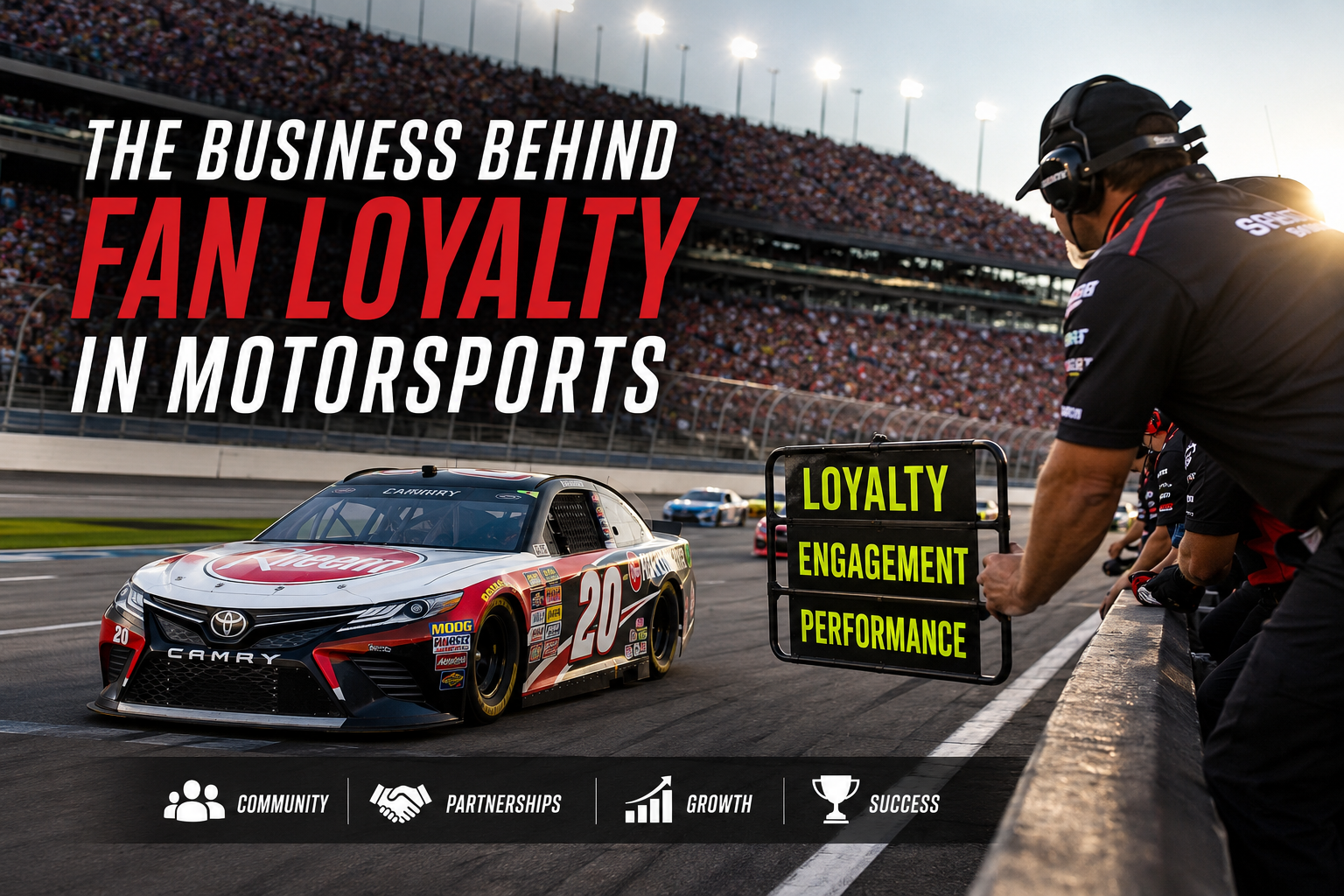


Motorsports has always been more than speed, engines, and checkered flags. Behind every race weekend is a business ecosystem built around loyalty, identity, sponsorship, media rights, hospitality, merchandise, technology, and community. Fans do not simply watch a race. Many follow drivers, teams, manufacturers, sponsors, tracks, rivalries, and traditions for years. That depth of connection is what makes motorsports such a powerful business case for entrepreneurs and business owners who want to understand how loyalty turns attention into long-term value.
Unlike many industries where customers move quickly from one brand to another, motorsports can create emotional attachment that lasts across generations. A fan may support a driver because of personality, a team because of history, a manufacturer because of family tradition, or a sponsor because that sponsor backs the sport they love. That kind of loyalty is difficult to buy, but once earned, it can become one of the most valuable assets in a business. For companies looking at customer retention, brand visibility, and recurring revenue, motorsports offers useful lessons that go far beyond the track.
Fan loyalty in motorsports is valuable because it blends emotion with repetition. Racing seasons are long. Fans return week after week to watch practice, qualifying, race coverage, interviews, behind-the-scenes content, podcasts, social media clips, and documentaries. That repeated engagement creates more than casual awareness. It creates a routine. Once a sport becomes part of someone’s weekly routine, the business opportunities expand dramatically.
For a team, loyalty can support ticket sales, merchandise purchases, sponsor exposure, and digital audience growth. For a race series, loyal fans increase the value of broadcast agreements, streaming content, licensing, and venue attendance. For sponsors, loyal fans may be more receptive to brands that visibly support their favorite team or driver. That is why motorsports sponsorship is not just about placing a logo on a car. It is about being seen as part of the fan experience.
Formula 1 provides a strong example of how a sport can expand its commercial reach by turning racing into a broader entertainment product. The official 2025 Global F1 Fan Survey reported that 94% of surveyed fans planned to follow Formula 1 in five years, 73% of U.S. fans planned to attend a race in the future, and 61% engaged with F1 content daily. It also found that 90% of surveyed fans were emotionally invested in race outcomes. Those numbers help explain why fan loyalty is not a soft concept. It is a measurable business advantage.
Motorsports sponsorship works because fans connect brands with participation. When a company sponsors a driver, team, race, or venue, the brand becomes part of the event. That visibility may be seen on the car, uniforms, pit wall, hospitality areas, digital content, television coverage, and social channels. The more loyal the fan base, the more valuable that exposure becomes.
In many sports, sponsorship can feel distant from the action. In motorsports, the sponsor is often part of the machine itself. The brand may appear on the hood, side panel, helmet, fire suit, garage wall, or team transporter. This creates a deeper visual relationship between the sponsor and the performance. Fans see the sponsor during moments of pressure, celebration, failure, comeback, and victory. Over time, that repeated exposure creates familiarity.
Companies such as NTT, Mobil 1, Monster Energy, Pirelli, and Shell have used motorsports to connect with audiences in ways that go beyond traditional advertising. Some brands use racing to highlight performance, innovation, endurance, energy, logistics, data, or engineering. Others use the sport to reach passionate communities that are difficult to engage through ordinary media campaigns.
The recent multiyear extension between IndyCar and NTT also shows where sponsorship is heading. NTT is not only remaining the title sponsor of the series, but is also expanding its role through AI and data capabilities intended to improve analytics, fan engagement, and customer experiences at Indianapolis Motor Speedway. That reflects a broader shift in sponsorship, where the best deals are not limited to signage. They include technology, content, data, and experience design.
One reason motorsports loyalty is so strong is that racing gives fans a sense of identity. A fan may be a NASCAR fan, an IndyCar fan, a Formula 1 fan, a MotoGP fan, a dirt track fan, or a drag racing fan. Within each category, they may have strong preferences for a driver, team, engine builder, track, manufacturer, or racing culture. That layered identity creates many entry points for businesses.
For entrepreneurs, the lesson is important. Strong brands do not merely sell products. They give customers something to identify with. A local coffee shop may become part of a neighborhood routine. A restaurant may become part of a family tradition. A software company may become part of how a team thinks about productivity. A professional service firm may become associated with reliability and sound judgment. In each case, loyalty grows when customers feel that the business reflects something meaningful to them.
Motorsports also benefits from family and regional loyalty. Certain tracks become annual traditions. The Daytona International Speedway, Indianapolis Motor Speedway, Talladega Superspeedway, and Bristol Motor Speedway are not just venues. For many fans, they are destinations tied to memory, travel, family, food, weather, sound, and tradition. That kind of connection gives motorsports a business advantage that pure digital entertainment often struggles to match.
Race day is no longer limited to what happens on the track. Modern motorsports venues are becoming entertainment platforms. Fans expect better seating, premium hospitality, improved lighting, faster entry, digital ticketing, better food options, merchandise access, fan zones, driver appearances, and social media-friendly spaces. The race may be the core product, but the total experience is what drives repeat attendance.
This matters because the cost of live entertainment has increased for many consumers. Travel, hotels, food, parking, and tickets all compete for discretionary dollars. When interest rates remain elevated, financing costs rise for businesses, consumer budgets tighten, and large capital projects become more expensive. As of April 30, 2026, the Federal Reserve listed the federal funds target range at 3.5% to 3.75%, while recent reporting has continued to highlight elevated borrowing costs and rate uncertainty.
That interest-rate environment matters to motorsports because tracks, teams, sponsors, and related businesses must think carefully about capital allocation. A venue upgrade, new hospitality area, digital platform, or media production investment may require significant funding. If borrowing is expensive, management teams need a clear path from investment to revenue. Fan loyalty helps make that case stronger. A loyal audience gives operators more confidence that a better experience can translate into higher attendance, premium pricing, sponsorship value, and repeat spending.
Daytona International Speedway’s plan to install LED lighting across the track is a good illustration of experience-driven investment. The project is expected to improve visibility, race operations, television quality, fan experience, and energy efficiency, while supporting NASCAR’s sustainability goals. That type of upgrade is not just an operations decision. It is a business decision tied to the value of the live product.
Motorsports used to depend heavily on race broadcasts, magazines, and in-person attendance. Today, fan loyalty is strengthened through digital content throughout the week. Teams post garage clips, driver interviews, race strategy breakdowns, sponsor activations, simulator footage, travel content, engineering explainers, and short-form videos. Drivers build personal brands through social media, podcasts, livestreams, and behind-the-scenes storytelling.
This is where motorsports has become especially useful for business owners to study. The race is the main event, but the content surrounding the race keeps the audience engaged. A company that only communicates with customers at the point of sale misses a major opportunity. Loyalty is often built between transactions. That may come through useful articles, email updates, customer stories, educational videos, product demonstrations, or community engagement.
Formula 1’s rise in the United States has been closely tied to content accessibility, personalities, and storytelling. Fans may start with a documentary, then follow a driver on social media, then watch race highlights, then attend a Grand Prix, then buy team merchandise. That journey shows how modern loyalty can move from curiosity to content consumption, from content consumption to emotional attachment, and from emotional attachment to revenue.
Businesses outside motorsports can apply the same thinking. A home services company might publish maintenance tips. A restaurant supplier might post equipment buying advice. A financial services firm might explain market trends in plain language. A local business platform might highlight member stories. The point is not to post endlessly. The point is to build a communication rhythm that keeps the business present in the customer’s mind.
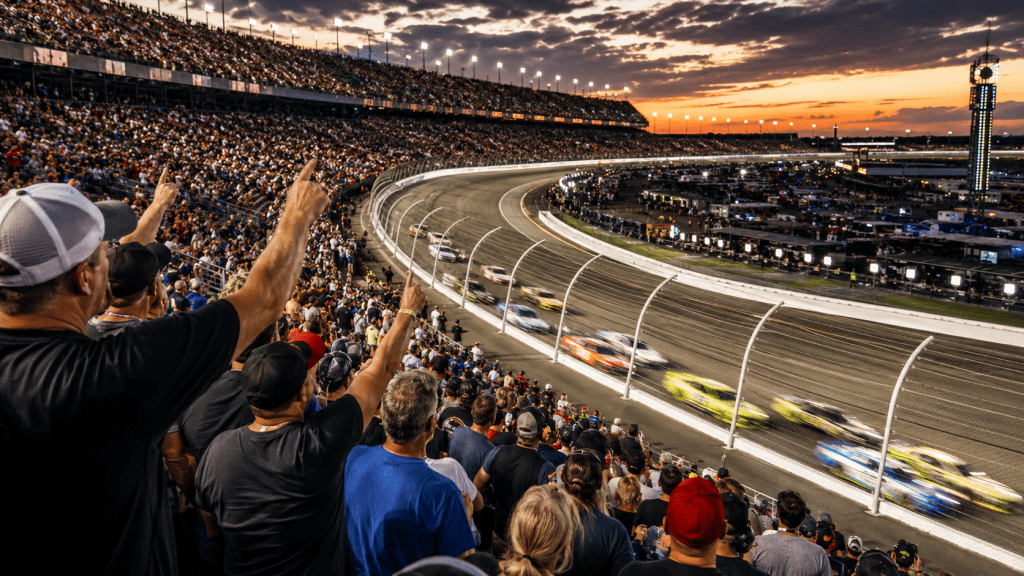
Merchandise is one of the clearest signs of fan loyalty in motorsports. A hat, shirt, jacket, diecast car, flag, lanyard, or team jersey turns a fan into a walking brand ambassador. That has commercial value because merchandise produces revenue and extends visibility beyond the venue. When fans wear a driver’s number or a team logo, they are communicating identity.
Companies such as Fanatics and Puma have shown how sports merchandise can become part of a larger lifestyle and retail strategy. In motorsports, the opportunity is particularly strong because race fans often collect items tied to specific drivers, seasons, paint schemes, wins, and milestone events. Limited releases, special liveries, anniversary collections, and race-specific merchandise can create urgency without relying only on discounting.
The business lesson is that loyalty becomes more valuable when customers can express it. Not every company needs merchandise, but every company can think about how customers signal affiliation. That may be through memberships, preferred customer programs, private communities, branded events, exclusive content, referral status, or recognition. People like to feel connected to businesses that give them a sense of belonging.
Modern motorsports is becoming increasingly data-driven. Teams use data to improve performance, but race series and sponsors also use data to understand fans. Digital ticketing, app behavior, merchandise sales, streaming engagement, email interaction, social media activity, and location-based event data can help organizations understand what fans value most.
This matters because loyalty should not be guessed at. A racing organization may learn that fans want more driver access, better food service, easier parking, improved mobile connectivity, or more interactive race-day content. A sponsor may learn which markets respond best to a campaign. A team may learn which content formats drive the most engagement. Better data can turn fan loyalty from a general feeling into a measurable business asset.
For entrepreneurs, the takeaway is that customer loyalty should be tracked with more than sales totals. Repeat purchases, referrals, email engagement, event attendance, review activity, account logins, service renewals, and customer feedback all tell a story. The businesses that understand the story can make better decisions about marketing, pricing, service, and expansion.
Every industry faces difficult cycles. Motorsports is no exception. Teams lose sponsors. Drivers retire. Costs rise. Media habits change. Economic conditions tighten. When interest rates stay higher, businesses may become more cautious with advertising budgets, expansion plans, and sponsorship commitments. That makes loyalty even more important.
A loyal fan base gives a racing property more resilience. Sponsors are more likely to stay interested when they believe the audience is engaged and responsive. Broadcasters are more likely to value content that viewers consistently follow. Venues are more likely to justify upgrades when fans return year after year. Teams are more likely to attract commercial support when they have visible fan communities.
The same concept applies to smaller companies. A business with weak customer relationships may struggle when prices rise or the economy slows. A business with loyal customers has more room to communicate, adjust, and retain trust. Loyalty does not eliminate risk, but it can reduce the damage caused by temporary setbacks.
The business behind motorsports fan loyalty offers several practical lessons. First, consistency matters. Fans stay engaged because the sport gives them recurring moments to care about. Businesses can do the same through reliable communication, steady service, and a clear brand promise.
Second, personality matters. Drivers, owners, crew chiefs, announcers, engineers, and even sponsors help shape the emotional character of the sport. In business, customers often connect with people before they connect with a company name. Founder stories, employee profiles, customer service tone, and leadership visibility can all influence loyalty.
Third, experience matters. A customer may like a product, but the full experience often determines whether they return. Motorsports understands that parking, seating, food, technology, access, and atmosphere all shape the fan’s decision to come back. Business owners should think beyond the transaction and look closely at the entire customer journey.
Fourth, community matters. Motorsports fans talk to each other, travel together, debate strategy, defend drivers, share memories, and pass traditions down. A strong brand gives customers something to talk about and a reason to stay connected. That is true whether the business is local, regional, national, or digital.
Motorsports shows how loyalty can become a powerful business engine. The sport turns attention into sponsorship value, live events into destination experiences, content into daily engagement, and emotional attachment into long-term commercial strength. For entrepreneurs and business owners, the lesson is not that every company should act like a race team. The lesson is that lasting business value often comes from building relationships that customers care about. Motorsports succeeds because fans feel connected to the people, places, brands, and stories behind the race. Businesses that create that kind of connection are better positioned to retain customers, attract partners, and grow through changing economic conditions.