
Commercial landscaping was once viewed primarily as a maintenance service. Property owners hired contractors to mow lawns, trim hedges, remove weeds, and keep outdoor areas presentable. Although those responsibilities remain…
Read More...


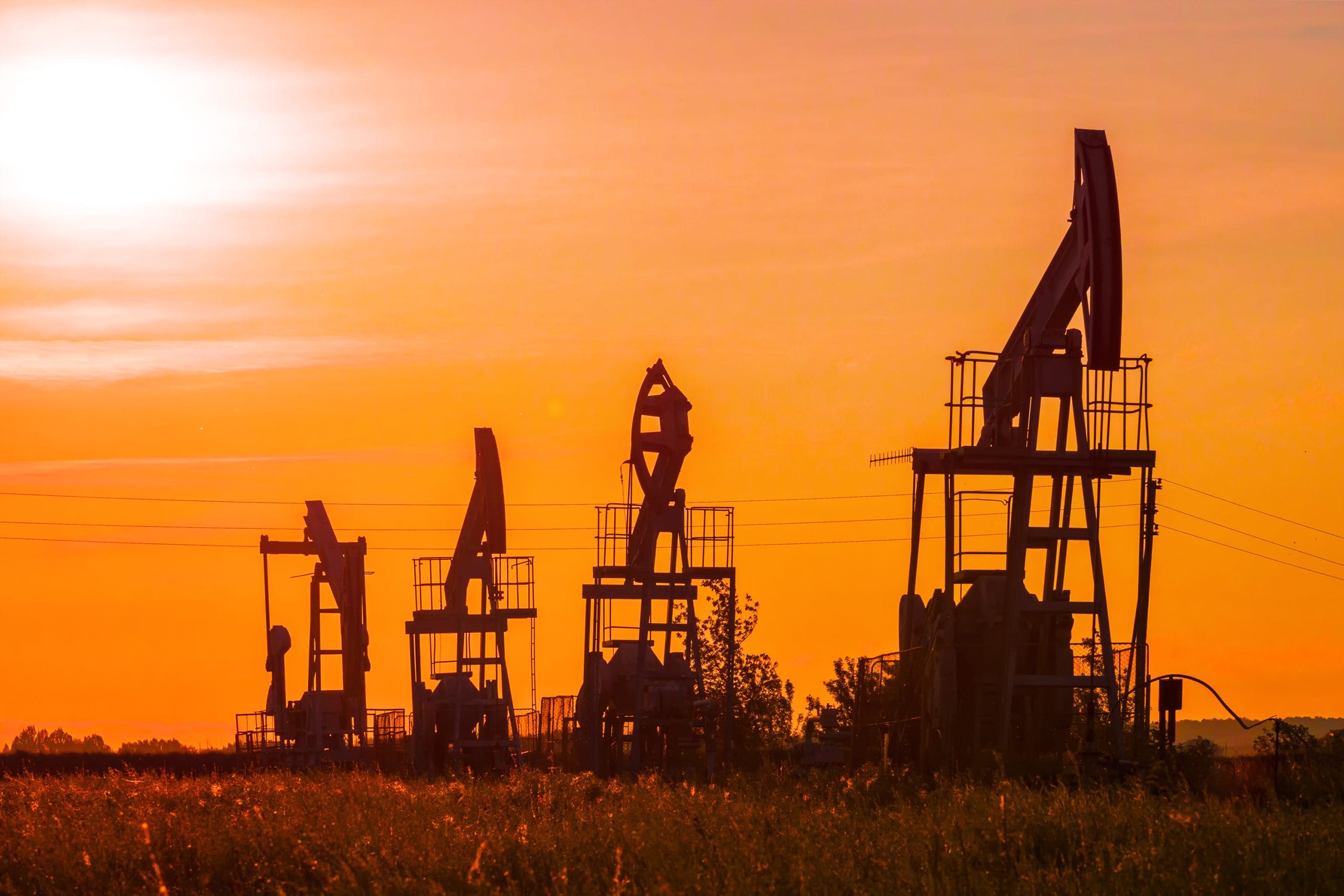


Oil Prices often make headlines when drivers notice a sharp change at the gas station. For small business owners, however, the effect can be much broader than the amount paid to fill a company vehicle. Higher energy costs can gradually work their way through transportation networks, supplier invoices, delivery charges, packaging expenses, service calls, and consumer purchasing decisions.
That is what makes rising Oil Prices particularly challenging for entrepreneurs. The financial pressure does not always arrive as one large, obvious expense. It may appear through several smaller increases that seem manageable on their own but become significant when combined.
A restaurant may pay more for food deliveries. A contractor may spend more traveling between job sites. A retailer may face higher freight charges from distributors. A landscaping company may see fuel expenses rise for trucks, mowers, blowers, and other equipment. Even an online business with no storefront can be affected when carriers, manufacturers, and fulfillment providers adjust their pricing.
Oil Prices can rise quickly when global conflicts, production decisions, transportation problems, or concerns about energy supplies create uncertainty in the market. Recent concerns surrounding energy shipments through the Strait of Hormuz have once again demonstrated how events thousands of miles away can affect the cost of doing business in the United States. Reporting from Reuters has highlighted how quickly oil markets can react when traders believe a major supply route could face disruption.
For business owners, the larger issue is not predicting exactly where crude oil will trade next week. It is understanding how energy volatility can affect everyday operations and recognizing the expenses that may begin moving before they become difficult to control.
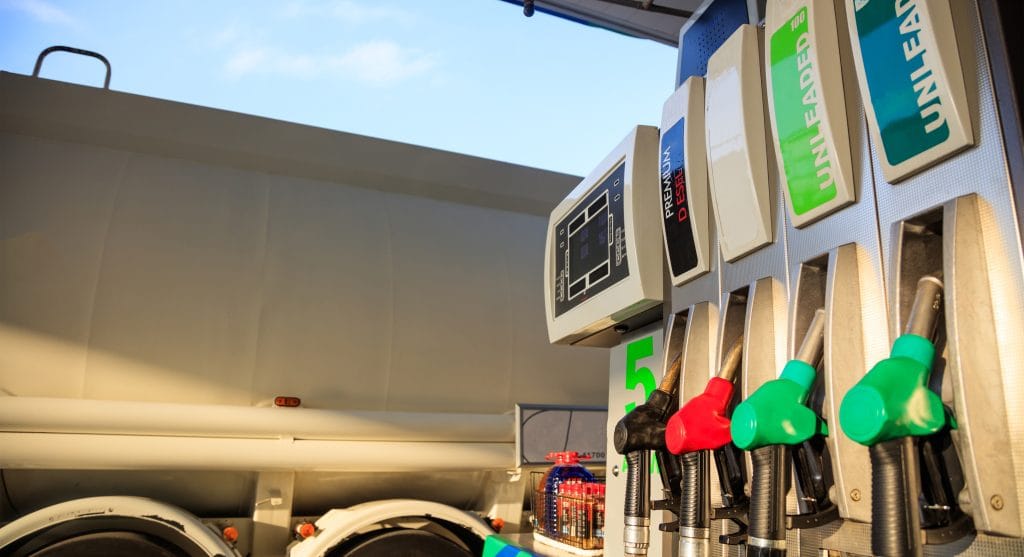
The most visible effect of higher Oil Prices is usually the price displayed outside a gas station. That number matters to businesses operating service vehicles, delivery vans, trucks, mobile equipment, or employee transportation programs. Yet gasoline is only one part of the story.
Diesel fuel is especially important to the commercial economy because trucks move an enormous amount of the merchandise, food, building materials, equipment, and consumer products sold throughout the United States. The U.S. Energy Information Administration explains that diesel prices can fluctuate because of crude oil costs, refining expenses, distribution conditions, taxes, and imbalances between supply and demand.
When diesel becomes more expensive, trucking companies may add or increase fuel surcharges. Those charges can be passed to manufacturers, wholesalers, distributors, retailers, restaurants, construction companies, and other organizations receiving physical goods.
A small business may never purchase diesel directly and still pay more because of it.
Consider a local furniture retailer receiving merchandise from a regional warehouse. The store may initially see no change in the wholesale price of its furniture. The next freight invoice, however, could include a higher fuel surcharge. If the retailer also provides local delivery, it may face another increase when filling its own trucks. The business is then exposed to higher energy costs at both ends of the transaction.
Companies such as FedEx, UPS, and other transportation providers use fuel surcharge mechanisms that can adjust shipping costs as fuel markets change. A business that regularly ships products may therefore experience higher fulfillment expenses even when its order volume remains unchanged.
Supply chains are built from connected businesses, and energy costs can influence nearly every stage of that connection. Raw materials must be extracted or produced. Components are transported to manufacturers. Finished goods move to warehouses, distributors, stores, offices, restaurants, and customers.
Each trip consumes energy.
When Oil Prices rise, a supplier may initially absorb the higher transportation cost. That approach is difficult to maintain when the increase continues or when profit margins are already narrow. The supplier may eventually raise product prices, reduce discounts, increase minimum orders, change delivery schedules, or add a separate transportation charge.
The small business customer then has to decide whether to absorb the increase, negotiate with the supplier, find another source, or pass part of the cost to its customers.
This chain reaction can be especially difficult for businesses selling products under fixed price agreements. A contractor who quoted a project two months earlier may have calculated material and transportation costs using lower fuel prices. By the time the work begins, suppliers may have adjusted their delivery fees. If the contract does not permit a price change, the contractor may have to accept a smaller margin.
The same concern applies to caterers, event planners, cleaning companies, maintenance providers, florists, and mobile service businesses. Many of these companies quote work in advance while remaining responsible for transportation and supply costs that can change before the service is delivered.
Large corporations may have purchasing departments, long term transportation contracts, financial reserves, and sophisticated systems for managing commodity risk. Small businesses generally operate with fewer layers of protection.
A small increase in weekly fuel spending may not seem alarming. Neither does a modest delivery surcharge or a slight increase in packaging costs. The problem develops when several of those expenses move upward together.
Suppose a local company operates four service vans. Each van travels throughout the week to customer locations. The company also orders equipment from a distributor, pays for expedited parts deliveries, and occasionally rents larger vehicles from providers such as Ryder or Penske Truck Rental.
Higher Oil Prices could increase the company’s direct fuel spending, supplier delivery charges, rental related fuel costs, and the prices charged by subcontractors who drive to its job sites. The company might also see employees request greater mileage reimbursement because work related travel has become more expensive.
None of these items alone may threaten the business. Together, they can reduce the profit earned on every completed job.
That is why business owners should look at gross margin rather than revenue alone. A company can remain busy, serve more customers, and generate higher sales while becoming less profitable if operating costs rise faster than prices.
Businesses do not need to sell physical products to feel the impact of changing Oil Prices. Many service companies depend heavily on transportation, even when fuel is not treated as a major line item.
Plumbers, electricians, air conditioning contractors, pool service companies, mobile pet groomers, photographers, home inspectors, real estate professionals, repair technicians, and cleaning businesses all spend time and money traveling between customers.
For these companies, a fuel increase creates two separate costs. The first is the direct expense of operating the vehicle. The second is the cost of time lost while traveling.
A service business covering a large geographic area may discover that certain appointments are no longer as profitable as they once were. A technician might drive 45 minutes each way for a relatively small service call. When fuel, labor, vehicle maintenance, and scheduling gaps are considered together, the job may generate very little profit.
Businesses facing this problem do not necessarily need to abandon distant customers. They may need to organize appointments by location, establish geographic service days, introduce a reasonable trip charge, or set a higher minimum purchase for customers outside the primary service area.
Route planning tools can also reduce unnecessary mileage. Platforms such as Route4Me and OptimoRoute help businesses organize deliveries and service appointments more efficiently. Technology cannot control Oil Prices, but it can help a company use less fuel to complete the same amount of work.
Restaurants, bakeries, coffee shops, caterers, food trucks, and specialty food retailers can be affected through several channels at once.
Food ingredients must be grown, processed, refrigerated, packaged, and transported. Many restaurant supplies, including disposable containers, plastic products, cleaning materials, and kitchen equipment components, are also connected to petroleum based manufacturing or energy intensive distribution.
A restaurant may receive price increases from its produce vendor, meat distributor, beverage supplier, linen service, waste company, and delivery partners during the same period. The owner might hesitate to adjust menu prices because customers are already sensitive to the cost of dining out.
Food businesses must therefore pay close attention to the profitability of individual menu items. A popular item is not always a profitable one. When ingredient and delivery costs move upward, a dish that previously produced a healthy margin may become far less valuable to the business.
Rather than applying the same price increase across the entire menu, an owner can examine portion sizes, supplier alternatives, preparation waste, packaging choices, and the contribution margin of each item. Some restaurants may benefit from featuring dishes that use ingredients with more stable pricing while reducing the prominence of products affected by volatile transportation costs.
The goal is not simply to charge more. It is to protect the customer experience while making thoughtful adjustments behind the scenes.
Retail and ecommerce businesses are also vulnerable because shipping costs influence purchasing, inventory, fulfillment, and returns.
An online seller may advertise free shipping, but the carrier still charges someone for moving the package. When transportation expenses rise, the seller must absorb the difference, raise product prices, increase the free shipping threshold, or introduce a delivery charge.
Customers have become accustomed to convenient shipping policies, making sudden changes risky. Still, continuing to offer free shipping on low margin orders can become expensive when fuel surcharges increase.
A more sustainable approach may involve setting a minimum order amount for free shipping, promoting product bundles, reducing package dimensions, or using fulfillment locations closer to major customer markets. Smaller packaging can sometimes lower dimensional weight charges while reducing the amount of material used for each shipment.
Businesses should also examine return policies. A returned product can create a second transportation expense, additional handling work, inspection costs, and possible loss of inventory value. When Oil Prices contribute to higher shipping expenses, a loosely managed return process becomes even more costly.
Clear product descriptions, accurate sizing information, detailed photographs, and responsive customer service can reduce avoidable returns without making the policy unfriendly.
Higher Oil Prices can influence what customers buy, where they shop, and how frequently they travel.
Consumers who spend more filling their vehicles may become more selective about discretionary purchases. They may combine errands, visit businesses closer to home, delay nonessential services, or compare prices more carefully.
This does not mean every business should immediately prepare for a major sales decline. Customer behavior varies by industry, income level, location, and the necessity of the product or service. Still, businesses should watch for subtle changes.
A retailer may notice fewer casual visits but larger purchases from customers who do come in. A restaurant may see more takeout orders and fewer dine in visits. A home service company might receive more requests to combine several repairs into one appointment. An ecommerce business could see customers respond more strongly to shipping promotions.
Entrepreneurs who pay attention to these patterns can adjust earlier. A local business might emphasize neighborhood convenience in its marketing. A mobile company could promote the value of bringing the service directly to the customer. A retailer may offer curbside pickup to reduce the time customers spend shopping.
The best response is usually based on observed behavior rather than assumptions.
Rising costs can create pressure to increase prices immediately. In some cases, a price adjustment is necessary. The decision should still be based on actual numbers rather than anxiety about the news.
A business owner should identify which expenses have changed, how much they have changed, and whether the increase is temporary or recurring. It is also useful to determine which products, services, customers, or geographic areas are most affected.
An increase applied to every product and service may be simple, but it can place too much pressure on profitable offerings that have not experienced a meaningful cost change. Targeted adjustments are often more precise.
A delivery intensive business might introduce a fuel or service area fee. A contractor may shorten the period during which a quote remains valid. A retailer could raise the free shipping minimum. A restaurant might adjust selected menu items rather than changing every price.
Communication also matters. Customers are generally more receptive when a change is clearly stated and connected to maintaining reliable service or product quality. A lengthy explanation is rarely necessary, but unexpected charges should not appear at the end of a transaction.
One of the most useful responses to volatile Oil Prices is stronger financial visibility.
Many businesses review fuel costs only when the monthly credit card statement arrives. By then, the company has already completed weeks of deliveries, appointments, and service calls without knowing whether those activities remained profitable.
Fuel spending should be tracked by vehicle, route, department, or job category whenever practical. Supplier invoices should also be reviewed for new transportation fees, fuel surcharges, minimum order requirements, and changes in delivery terms.
Owners can compare these figures with revenue generated by the work. A delivery route that looks productive based on sales may be much less attractive after fuel, labor, vehicle wear, insurance, and failed delivery attempts are included.
This type of analysis does not require complicated software. A well maintained accounting system, a mileage tracking application, and a consistent monthly review can reveal where money is being lost.
Companies with multiple vehicles can also examine driver habits, idling time, maintenance schedules, tire pressure, route duplication, and unnecessary trips. Cutting waste does not mean reducing customer service. It means removing activity that consumes fuel without creating value.
Oil markets can change quickly. A business that builds flexibility into its operations is better positioned to respond without making abrupt decisions.
That flexibility may come from using more than one supplier, negotiating delivery schedules, maintaining appropriate inventory levels, organizing customer appointments geographically, or giving customers multiple fulfillment choices.
It can also involve reconsidering the company’s vehicle strategy. A growing business may be tempted to purchase larger vehicles before they are consistently needed. In a period of higher fuel costs, selecting vehicles based on actual operating requirements can protect cash flow.
Some businesses may also consider electric or hybrid vehicles for suitable routes. That decision should be based on total ownership costs, charging access, range, incentives, maintenance, and the type of work performed. The right vehicle for a local delivery route may not be appropriate for a contractor hauling heavy equipment.
The larger lesson is that operational decisions should not be based solely on the purchase price. Fuel consumption over several years can materially change the true cost of a vehicle or piece of equipment.
Rising Oil Prices do not affect every small business in the same way, but few companies are completely isolated from transportation and energy costs. The impact may begin with a fuel receipt and then spread through freight invoices, supplier pricing, delivery policies, equipment expenses, and customer behavior.
Business owners do not need to predict global energy markets to respond intelligently. They need a clear understanding of where fuel enters their operations, which expenses are changing, and how those changes affect the profitability of individual products and services.
The businesses that respond best will not necessarily be the ones that immediately raise every price. They will be the ones that examine routes, contracts, shipping policies, suppliers, margins, packaging, scheduling, and customer purchasing patterns before the pressure becomes severe.
Oil Prices may be determined by global events far beyond the control of an entrepreneur. The way a business monitors and manages the resulting costs, however, remains a local operating decision. Thoughtful adjustments made early can prevent several quiet increases from becoming one large financial problem.