
Commercial landscaping was once viewed primarily as a maintenance service. Property owners hired contractors to mow lawns, trim hedges, remove weeds, and keep outdoor areas presentable. Although those responsibilities remain…
Read More...


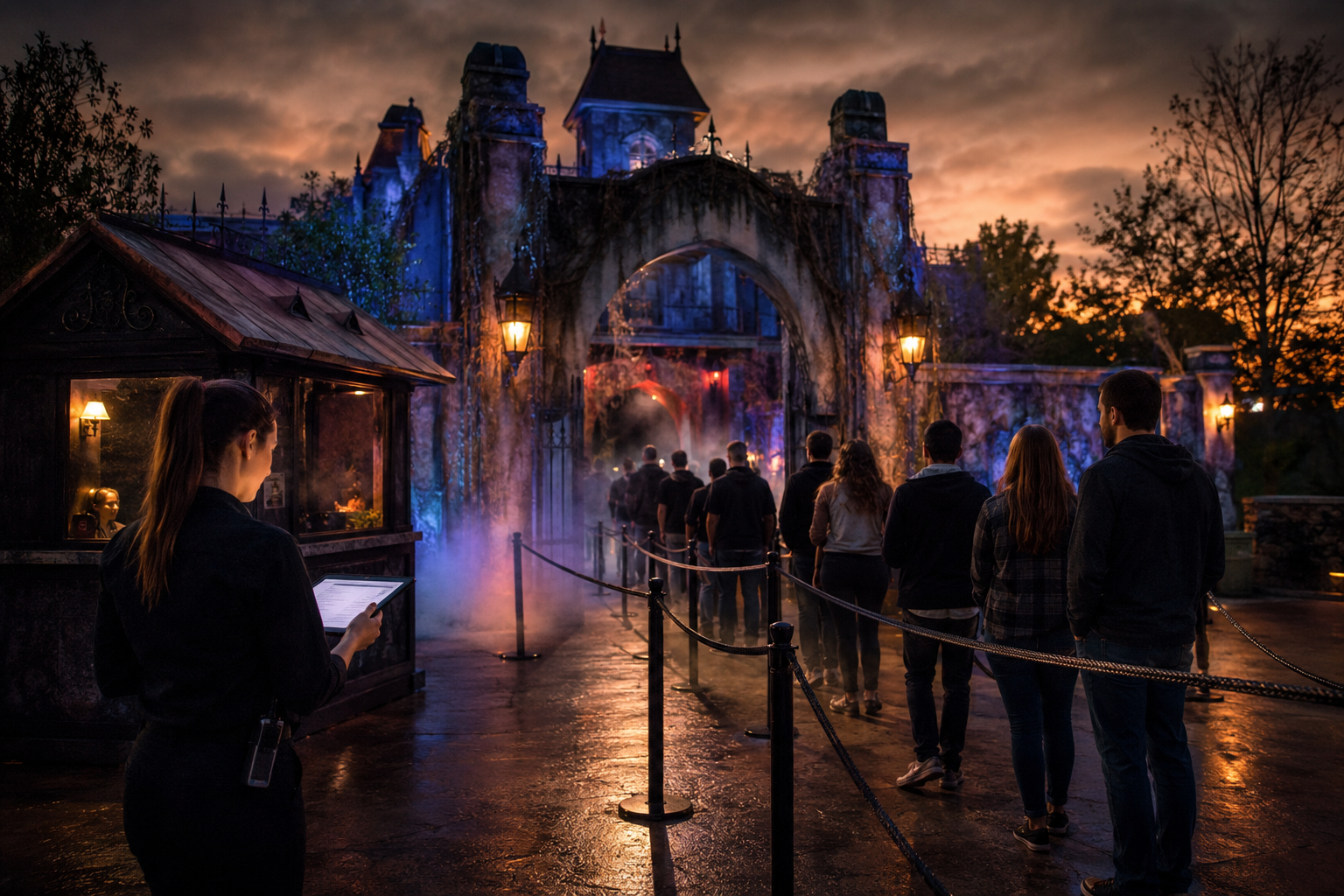


Haunted attractions may look like fog machines, jump scares, masked actors, and screaming customers, but behind the scenes, they can operate like highly disciplined seasonal businesses. The best ones are not casual Halloween side projects. They are entertainment companies with real estate decisions, staffing challenges, insurance concerns, marketing budgets, design investments, customer flow strategies, sponsorship opportunities, and pressure to generate a large percentage of annual revenue in a very compressed period of time.
That combination makes haunted attractions an interesting business case for entrepreneurs and business owners. They sit at the intersection of live entertainment, hospitality, local tourism, event production, experiential marketing, and seasonal retail. A haunted attraction has to sell fear, but it also has to sell trust. Customers want to be scared, but they also want the operation to feel organized, safe, professional, and worth the ticket price.
The business has also become more sophisticated as consumer expectations have changed. Visitors are no longer satisfied with a few dark hallways and inexpensive masks. Many expect detailed sets, cinematic lighting, sound design, timed entry, online ticketing, themed merchandise, social media moments, and a reason to come back next year. That shift has turned haunted attractions into serious ventures for operators who understand branding, logistics, and customer experience.
Halloween has grown into a major consumer spending season, but haunted attractions are not limited to one holiday anymore. Many operators now view their business as part of a broader demand for immersive experiences. People are spending money on activities that feel memorable, social, and shareable. A haunted attraction delivers that in a concentrated way. It gives people a story to tell, a group outing to plan, and a feeling they cannot get from ordinary retail or passive entertainment.
Companies such as Thirteenth Floor Entertainment Group have shown how haunted attractions can be scaled into multi market entertainment operations. Their model is not simply about opening a haunted house. It involves acquiring, developing, promoting, and operating branded experiences in different cities. That type of growth reflects how the industry has moved beyond neighborhood level productions into a more professionalized category.
Independent operators have also built strong regional brands. Netherworld Haunted House in Georgia is widely recognized in the haunted attraction industry because it treats the experience like a major entertainment property. The sets, characters, merchandise, and annual changes all support repeat visits. That is one of the most important lessons for any seasonal business. Customers may come once because they are curious, but they return when the brand gives them something new to experience.
The same idea applies outside haunted houses. Haunted Overload in New Hampshire has built its identity around large outdoor structures, visual scale, and atmosphere. Its appeal is not just fear. It is spectacle. That matters because modern consumers often buy tickets for the full environment, not just the scare. The more distinctive the attraction feels, the more likely customers are to talk about it, post about it, and return with friends.
One of the most challenging parts of the haunted attraction business is revenue compression. A traditional business may have twelve months to generate sales, correct mistakes, adjust staffing, and manage cash flow. A haunted attraction may have only a few weeks of peak revenue. That short window creates pressure on every decision.
Marketing has to start well before the doors open. Hiring and training actors, security personnel, ticket staff, parking attendants, makeup artists, and managers must happen on a tight schedule. Props, lighting, construction, costumes, and inspections need to be handled before the first customer arrives. If opening weekend goes poorly, there may not be much time to recover.
That pressure makes planning especially important. Ticket pricing, capacity, timed entry, parking logistics, and customer flow can determine profitability. A haunted attraction may sell out on a Saturday night, but if lines are poorly managed or customers wait too long without entertainment, the experience suffers. The customer may still finish the attraction, but they may not return.
Revenue compression also affects vendor relationships. Operators may need to purchase materials, hire contractors, upgrade sets, and launch advertising months before cash starts coming in. In an environment where borrowing costs remain meaningful, that matters. A haunt operator taking on debt for construction, equipment, or expansion has to think carefully about whether projected ticket sales can support the cost.
Many people underestimate how expensive a professional haunted attraction can be. The public sees the finished experience, but not the buildout. A serious haunted attraction may require leasehold improvements, fire safety compliance, electrical work, themed construction, animatronics, audio systems, lighting controls, costumes, makeup supplies, queue line infrastructure, ticketing software, signage, fencing, portable restrooms, security, and marketing assets.
Vendors such as Gantom serve the themed entertainment market with lighting and control products used in immersive environments. Companies like Froggys Fog provide fog, haze, snow, and special effects fluids that help attractions create atmosphere. These are not random accessories. They are part of the production value that helps justify premium pricing.
The capital cycle can be difficult because many operators need to reinvest every year. A haunt that looks exactly the same for several seasons may lose urgency. Regular customers want new rooms, new characters, new scares, and new storylines. That means the owner is often balancing preservation of cash with the need to refresh the attraction.
This is where haunted attractions become similar to restaurants, theaters, and amusement venues. The operator is not just selling admission. They are selling perceived value. If customers believe the ticket price matches the experience, they are more likely to buy add ons, recommend the attraction, and return. If the attraction feels underbuilt or poorly maintained, even strong advertising may not save it.
A haunted attraction becomes more valuable when it has a recognizable brand. The strongest brands are not limited to a location. They have characters, themes, visual identity, merchandise, social media content, and a reputation that builds year after year.
That is why some haunted attractions invest heavily in original characters. A memorable character can become the face of the attraction, appearing in videos, posters, T shirts, billboards, and local media. The character gives the business an identity that outlasts a single season.
Branding also helps reduce customer hesitation. Many people are choosing between multiple entertainment options in October. They may compare haunted houses, pumpkin festivals, escape rooms, concerts, movies, and local events. A strong brand makes the decision easier. It tells the customer what type of experience to expect.
Spirit Halloween provides a useful comparison from the retail side of the Halloween economy. Its stores are temporary, seasonal, and highly recognizable. The company has turned a short selling season into a repeatable national model through location strategy, inventory planning, and brand familiarity. Haunted attractions operate differently, but the lesson is similar. Seasonal businesses can become powerful when customers know exactly when to expect them and what feeling they deliver.
Many haunted attraction operators focus heavily on the inside of the haunt, but the customer experience starts much earlier. It begins when someone sees an ad, visits the website, checks ticket prices, looks for parking information, reads reviews, and decides whether the attraction feels worth the trip.
A confusing website can cost sales. A weak social media presence can reduce urgency. Poor parking instructions can frustrate customers before they enter the attraction. Long lines with no entertainment can reduce satisfaction even if the haunt itself is strong.
Professional operators think about the full customer journey. Online ticketing should be simple. Entry times should be clear. The queue area should feel active. Staff should be trained to manage crowds without damaging the mood. Security should be visible enough to make people comfortable, but not so heavy that it breaks the illusion.
There is also an important balance between fear and customer care. People want intensity, but most do not want chaos. The attraction has to feel controlled. That is especially important for families, teenagers, corporate groups, and first time visitors. A well run haunted attraction makes customers feel like they are entering a dangerous world that is actually managed by professionals.
Haunted attractions have a built in marketing advantage because the season creates urgency. Customers know the attraction will not be open all year. That limited window can drive early ticket sales, especially when operators use timed entry, premium nights, VIP passes, and sellout messaging.
Social proof is also powerful. Reviews, influencer visits, local news coverage, customer videos, and user generated content can move ticket sales quickly. A person may ignore a standard advertisement, but pay attention when friends post that they had a great time.
Local identity matters too. A haunted attraction can become part of a community’s annual rhythm. People remember going in high school, returning with coworkers, bringing out of town visitors, or making it a yearly tradition. That emotional connection has real business value.
Operators can also form relationships with restaurants, hotels, colleges, tourism groups, and local sponsors. A nearby restaurant may offer a discount for ticket holders. A hotel may include the attraction in a weekend package. A local radio station may sponsor a themed night. These relationships help widen the audience without relying entirely on paid advertising.
Industry events also play a role in professional growth. TransWorld’s Halloween and Attractions Show brings together vendors, operators, designers, and industry professionals. For entrepreneurs studying the business, trade shows reveal how large and specialized the haunted attraction ecosystem has become.
A haunted attraction depends heavily on people. Actors create energy. Makeup artists create believability. Managers keep the night moving. Security protects the environment. Ticket staff shape the first impression. Parking attendants may be the first human contact a customer has with the business.
Seasonal staffing is hard in almost every industry, but haunted attractions add another layer of complexity. Employees may work late hours, wear uncomfortable costumes, perform physically demanding roles, and interact with customers who are intentionally being scared. Training has to cover performance, safety, emergency procedures, guest boundaries, and professionalism.
The best operators treat actors as part of the product. A great actor can turn a good room into a memorable scene. A poorly trained actor can break the illusion or create risk. That is why recruiting, rehearsals, scheduling, and supervision matter.
There is also a culture component. Many haunted attractions attract people who love Halloween, theater, makeup, horror, and live performance. When that enthusiasm is managed well, it can create a strong team environment. When it is not managed, the business can suffer from inconsistency, turnover, and operational confusion.
Haunted attractions may be built around fear, but the business side requires careful attention to safety and compliance. Operators must consider fire codes, emergency exits, occupancy limits, accessibility, staff training, electrical systems, crowd control, insurance coverage, and local permitting.
The more elaborate the attraction, the more important this becomes. Fog, darkness, uneven surfaces, tight corridors, loud noises, moving props, and startled customers all create risk. A serious operator has to design scares without creating unnecessary danger.
Insurance can also be a major expense. A haunt may need general liability coverage, workers compensation, property coverage, event coverage, and additional protections depending on the location and structure of the business. Landlords, municipalities, lenders, and vendors may all have requirements.
This is another reason the business is more serious than it appears from the outside. A haunted attraction cannot rely only on creativity. It needs documentation, procedures, supervision, and professional planning. The operators who treat the back office casually may expose themselves to problems that damage the business long after Halloween ends.
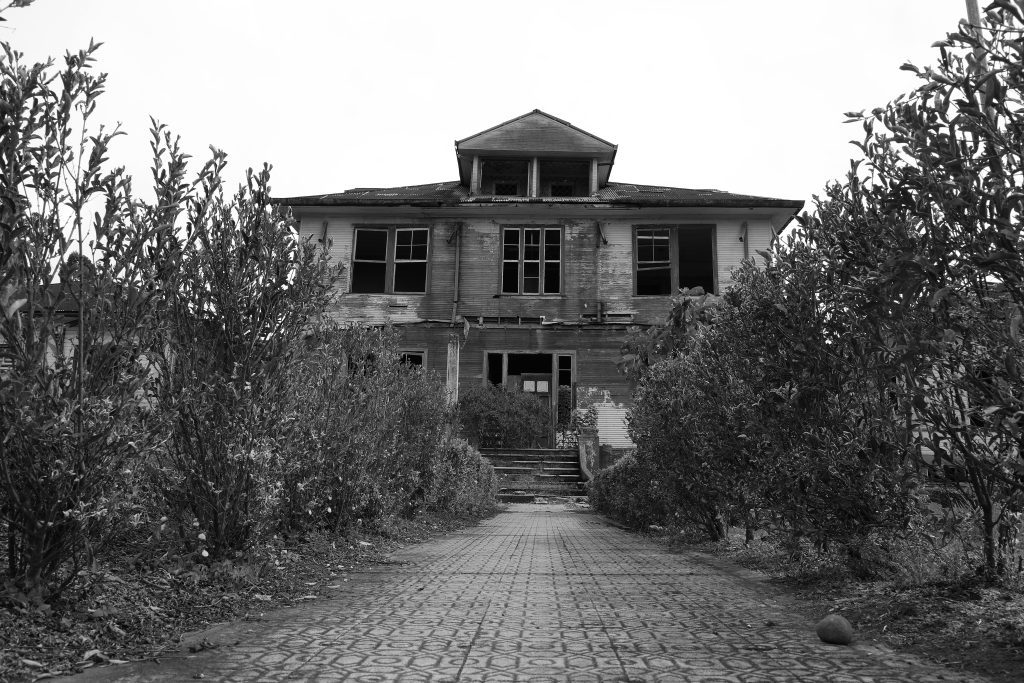
One of the most interesting developments in the haunted attraction business is the search for revenue outside the traditional season. Some operators host Christmas themed horror events, Valentine’s Day scares, escape room experiences, paranormal tours, summer events, private parties, corporate outings, and photo opportunities.
This matters because it can improve asset utilization. If a business spends heavily on sets, lighting, props, and real estate, using those assets only a few weeks per year can limit returns. Additional events may not match October revenue, but they can help offset fixed costs and keep the brand active.
There is also a merchandising opportunity. Shirts, hats, posters, collectibles, photos, and branded accessories can extend the customer relationship. Some visitors want a souvenir because the attraction becomes part of their seasonal tradition.
Digital content may also support the brand. Behind the scenes videos, character stories, build updates, actor interviews, and teaser trailers can keep audiences engaged before ticket sales open. A haunted attraction with strong content can market itself for months instead of only a few weeks.
Haunted attractions offer lessons that apply far beyond Halloween. They show how a business can turn emotion into revenue. They show how scarcity can create urgency. They show how experience can matter as much as the underlying product. They also show how operational discipline can support creativity.
For entrepreneurs, the biggest lesson may be that niche businesses can become serious when the operator treats them seriously. A haunted attraction may sound unusual, but it still requires the fundamentals of business planning: pricing, staffing, marketing, cash flow, customer service, compliance, vendor management, and brand development.
The current interest rate environment makes this even more relevant. When capital is not cheap, business owners have to be more selective. They need to know which upgrades will increase ticket sales, which expenses are necessary, and which ideas may look exciting but fail to produce a return. Haunted attractions are creative businesses, but creativity still has to meet the numbers.
A haunt owner may dream about a massive new set, more animatronics, or a second location. Those ideas may be worthwhile, but they should be evaluated against attendance projections, ticket pricing, labor costs, debt service, and marketing reach. The operator who combines imagination with financial discipline has a much better chance of building a lasting business.
Haunted attractions are easy to underestimate because the public sees the costumes, fog, screams, and theatrical chaos. Behind that surface is a demanding business model that requires capital, planning, creativity, staffing, safety management, marketing, and strong execution during a short operating window. The best haunted attractions are not just scary. They are organized, memorable, and commercially disciplined.
For business owners and entrepreneurs, the haunted attraction industry is a reminder that serious opportunities can exist in markets that do not look traditional at first glance. A seasonal attraction can become a regional brand. A local event can become a repeat customer experience. A niche entertainment concept can support vendors, employees, sponsors, and adjacent revenue streams. Fear may be the product, but the real business is built on strategy.