
Commercial landscaping was once viewed primarily as a maintenance service. Property owners hired contractors to mow lawns, trim hedges, remove weeds, and keep outdoor areas presentable. Although those responsibilities remain…
Read More...


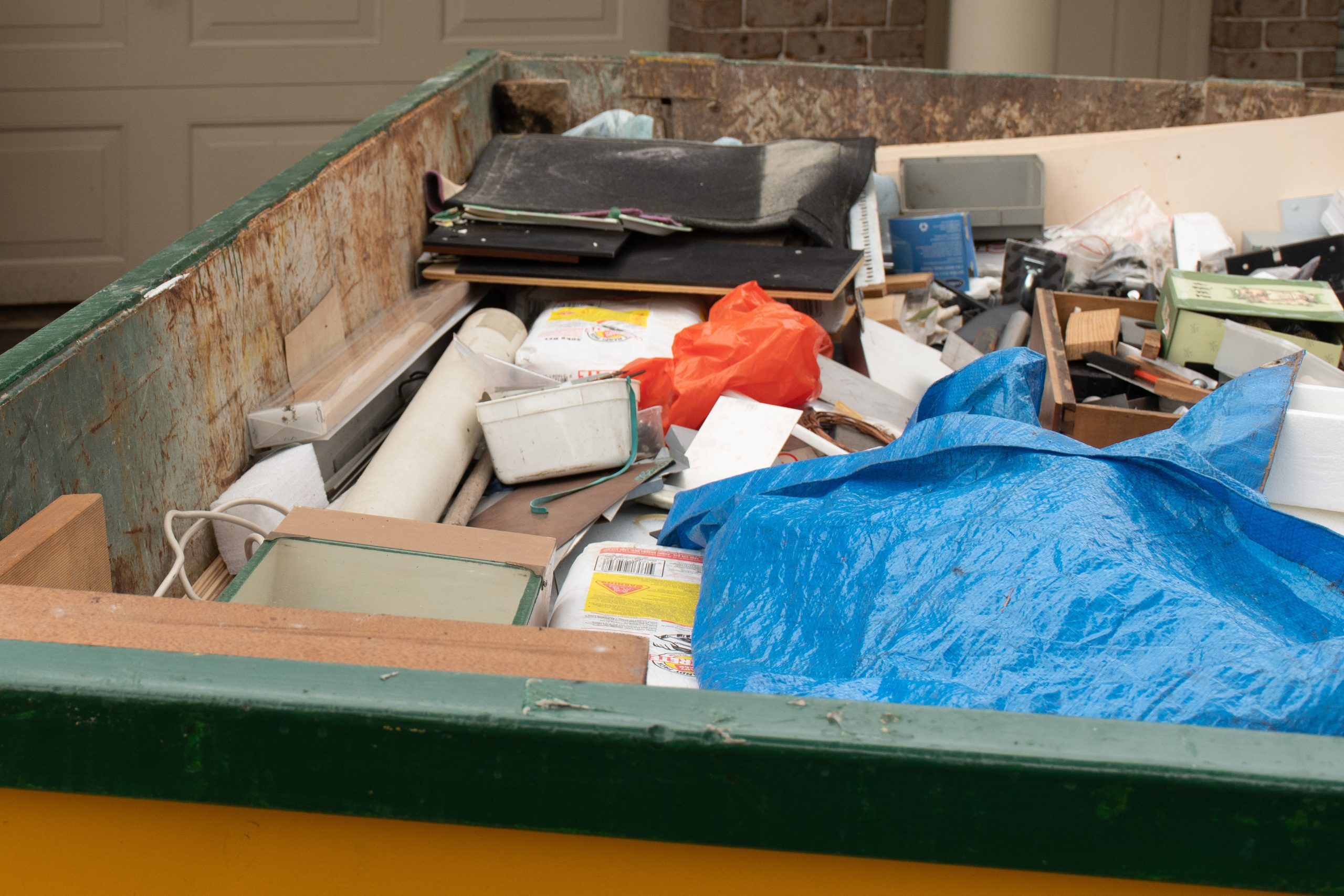


The market for estate cleanout services is growing because families, homeowners, investors, and real estate professionals are dealing with more property transitions than ever before. When someone passes away, moves into assisted living, downsizes, sells a long-owned home, or prepares a property for market, there is often an overwhelming amount of work left behind. Furniture, personal belongings, appliances, documents, old collectibles, basement storage, attic contents, garage clutter, tools, clothing, and decades of household items may need to be sorted, removed, donated, sold, recycled, or discarded. That creates a real business opportunity for entrepreneurs who can provide organized, respectful, and reliable Cleanout Services.
Estate cleanouts are not the same as basic junk removal. A typical junk removal job may involve hauling away a couch, appliance, construction debris, or unwanted items from a garage. Estate cleanouts often involve emotion, deadlines, multiple decision makers, legal or probate considerations, real estate pressure, and a need for careful handling. Families may be grieving. Adult children may live in another state. A realtor may need the property ready for photos. An investor may need the home cleared before renovations can begin. A cleanout company that understands those pressures can become much more than a hauling service. It can become a trusted project partner.
One major driver behind this market is the aging U.S. population. The U.S. Census Bureau reported that the population age 65 and older grew from 2010 to 2020 at the fastest rate since the late 1800s, reaching 55.8 million people, a 38.6 percent increase in ten years. That demographic shift creates demand across many service categories, including senior move management, downsizing help, home organization, estate sales, donation coordination, storage, and cleanout services. As more older homeowners move, age in place until a later transition, or leave homes to heirs, more properties will need professional handling.
This does not mean every older homeowner will sell quickly or downsize into a much smaller residence. In fact, the downsizing picture is more complicated. Many retirees want to stay close to family, keep space for visitors, hold onto possessions, or avoid the financial and emotional burden of moving. Recent real estate reporting has also shown that many older buyers do not always reduce home size dramatically when they move. That matters for entrepreneurs because it shows the cleanout market is not driven only by traditional downsizing. It is also driven by delayed moves, health events, estate settlements, inherited homes, and last minute transitions that require practical help.
Another factor is the condition of many long-owned homes. A property that has been lived in for 30, 40, or 50 years may contain a large amount of accumulated belongings. Even when the home is well maintained, the contents can be substantial. Families may discover rooms that were used for storage, garages full of tools, sheds packed with seasonal items, and closets containing years of paperwork. In these situations, a professional cleanout provider can save time, reduce family conflict, and help move the property toward its next stage.
Interest rates also play a role in this market, even though estate cleanout companies are not lenders or real estate brokers. Higher borrowing costs can slow home sales, make buyers more selective, and create pressure for sellers to present homes in the best possible condition. As of early June 2026, the Federal Reserve data showed the bank prime loan rate at 6.75 percent, and Reuters reported that many economists expected the Fed to hold its key rate steady for the rest of the year. That means small businesses, homebuyers, and real estate investors are still operating in a more expensive borrowing environment than they were several years ago.
For families selling an estate property, higher interest rates can make preparation more important. A cluttered home may sit longer, photograph poorly, or discourage buyers who already feel stretched by mortgage costs. A cleared, clean, and accessible property gives agents more room to market the home, contractors more room to inspect needed repairs, and buyers more confidence when walking through. Cleanout Services can become part of the real estate value chain because they help turn a difficult property into something easier to evaluate and sell.
For entrepreneurs, this economic environment creates both opportunity and caution. Demand may be steady, but financing equipment, trucks, insurance, payroll, and marketing can be expensive. A new estate cleanout business has to be careful with cash flow. Instead of buying the largest truck on day one, an operator may begin with leased vehicles, subcontracted hauling relationships, or a smaller service area. The business can grow as repeat referral channels develop. In a rate sensitive economy, discipline matters as much as ambition.
Estate cleanout work is personal. A family is not simply hiring someone to remove old furniture. They may be asking strangers to enter a parent’s home, handle family possessions, identify items that may have value, and work around memories. That creates a different standard than ordinary hauling. The winning companies are the ones that combine efficiency with professionalism, communication, and discretion.
A strong cleanout operator should know how to ask the right questions before the job starts. Are there documents that must be preserved? Are there jewelry boxes, photo albums, military records, financial files, heirlooms, or collectibles that should be set aside? Is the family requesting donation receipts? Are there hazardous materials, paint cans, chemicals, medical equipment, or electronics that require special handling? Will the home need to be broom swept after the removal? Is there a real estate listing date, closing date, or court related deadline? These questions help prevent mistakes and show the customer that the company understands the seriousness of the work.
Trust is also built through clear pricing. Some companies price by truckload, some by labor hours, some by project estimate, and some by a mix of volume, weight, complexity, stairs, distance, disposal fees, and specialty handling. The key is clarity before the job begins. Families already dealing with grief or legal responsibilities do not want surprise charges. A written estimate, photos, itemized scope, and simple explanation of what is included can separate a professional cleanout company from a casual hauler.
Estate cleanout services can be structured in different ways. One operator may focus on full home cleanouts after a death. Another may specialize in senior downsizing before a move. Another may partner with real estate agents, probate attorneys, banks, property managers, or investors. There are also hybrid models where the company offers cleanouts, donation coordination, light cleaning, packing, moving support, storage coordination, and estate sale referrals.
Large national brands have helped validate the broader removal and transition services space. Companies such as 1-800-GOT-JUNK?, Junk King, College HUNKS Hauling Junk & Moving, and LoadUp have made junk removal more familiar to homeowners. In a related but more transition focused category, Caring Transitions has built a business around senior relocation, estate sales, and household liquidation. These companies show that customers are willing to pay for convenience, reliability, and managed solutions when life changes create logistical problems.
There is also a resale and auction side to the market. Estate cleanout companies do not have to become auction houses, but partnerships can add value. Platforms such as Everything But The House and MaxSold have helped bring estate sale and downsizing inventory into online auction formats. A cleanout company that knows when to refer valuable items to an estate sale specialist can build goodwill with families. Instead of treating everything as junk, the company can help clients separate donation, resale, recycling, and disposal categories.
One of the most attractive parts of the estate cleanout market is the potential for referral based growth. Families may only need a full estate cleanout once or twice in a lifetime, but professionals encounter these situations repeatedly. Realtors, probate attorneys, elder law attorneys, funeral homes, assisted living communities, senior move managers, financial advisors, property managers, contractors, and real estate investors can all become referral sources.
Real estate agents are especially important because they often see the problem before anyone else. An agent may be asked to list a property that is filled with belongings, outdated furniture, or years of stored items. Before photography, staging, inspection, repair, or listing, the home has to be accessible. If the agent has a reliable cleanout contact, the property can move faster toward market readiness. The same logic applies to investors purchasing distressed or inherited properties. Time is money, and a cleanout delay can hold up renovation crews.
Probate and estate attorneys are another valuable channel. When heirs live out of state or when there are multiple beneficiaries, the estate may need neutral third party assistance. A professional cleanout company can document work, communicate clearly, and help executors manage the physical side of the estate. That type of reliability can turn into recurring referrals because attorneys want service providers who reduce stress rather than create new problems.
At first glance, estate cleanout services may look simple. Get a truck, hire help, remove items, and dispose of them. In practice, the business is more operationally demanding. Jobs can involve heavy lifting, tight staircases, fragile items, difficult parking, building rules, hoarding conditions, mold, pests, emotional family dynamics, and strict deadlines. A company needs systems for estimates, scheduling, crew safety, disposal planning, donation drop offs, recycling, customer approvals, photos, payment collection, and follow up.
Insurance and compliance should also be taken seriously. A cleanout crew may move through valuable property, handle heavy objects, and work inside private homes. General liability insurance, workers compensation where required, vehicle coverage, and proper disposal practices are not optional details. Entrepreneurs should also understand local rules for landfill use, electronics recycling, mattress disposal, hazardous waste, and donation center requirements. A low bid is not worth much if the operator cuts corners and creates risk for the client.
Technology can make the business more professional. Scheduling platforms, online estimates, digital invoices, route planning, customer relationship management tools, and review management all help. Marketplaces such as Thumbtack and Taskrabbit may help some service providers find early leads, while storage and moving related brands such as U-Haul and PODS are often part of the broader relocation ecosystem. The cleanout company that communicates quickly, sends reminders, provides photo updates, and accepts convenient payment methods will often look more credible than a competitor that relies only on a phone number and verbal promises.
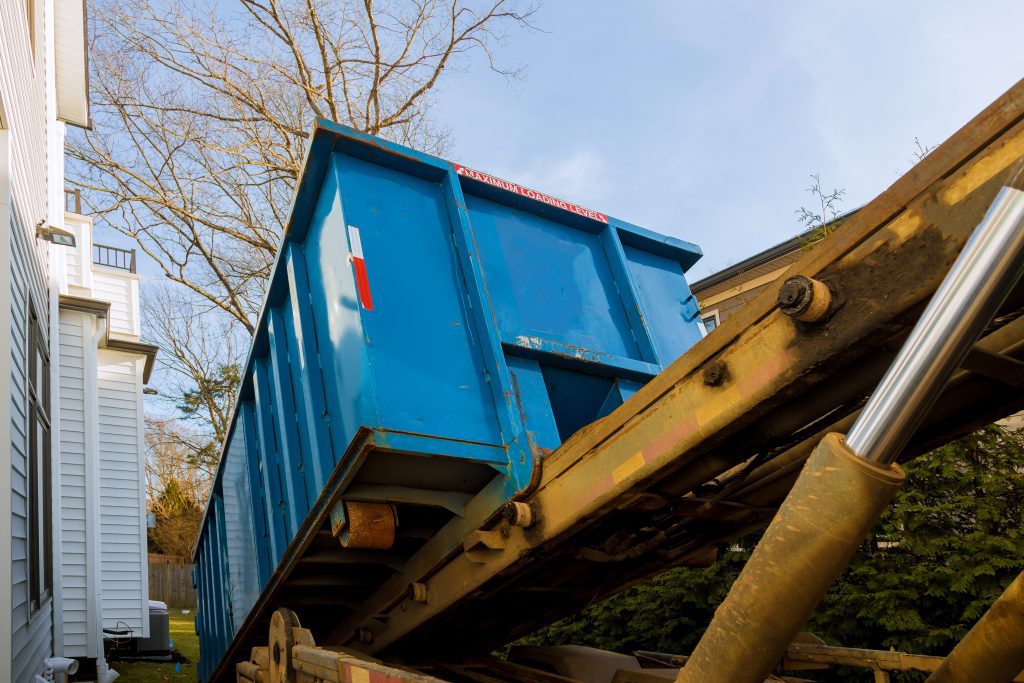
The companies that command better pricing usually position themselves around outcomes, not just removal. A basic message says, “We haul junk.” A stronger message says, “We help families clear estate properties respectfully and prepare homes for sale.” That distinction changes the customer’s perception. It speaks to the emotional and practical reason someone is hiring the company in the first place.
Branding should also reflect the seriousness of the work. Clean uniforms, marked vehicles, before and after photos, clear service pages, customer reviews, and professional phone handling all matter. A family dealing with an estate may be comparing several companies. They are likely to choose the one that sounds organized, respectful, and capable of managing the full project. Business owners should make the website answer the questions customers are already thinking about: how pricing works, what happens to donated items, whether the company handles large homes, how quickly appointments are available, and whether sensitive items can be separated before disposal.
Content marketing can also be useful. Articles about preparing for an estate cleanout, how to work with siblings during a property transition, what to do before listing an inherited home, and how donation and recycling are handled can help the company appear in local search results. Since many customers search during stressful moments, educational content can build trust before the first call. Local SEO, Google Business Profile reviews, service area pages, and partnerships with real estate professionals can become major growth drivers.
The demand for estate cleanouts is not only about demographics or real estate. It is also about modern family structure. Many adult children do not live near their parents. Work schedules are demanding. Families are spread across different states. Some heirs cannot take time off to sort a home for several weekends. Others disagree over what should be kept, sold, donated, or discarded. A professional cleanout service can provide structure during a situation that otherwise becomes emotionally draining and time consuming.
There is also a growing awareness that possessions can become a burden when no plan exists. People may inherit items they do not have room for, cannot transport, or do not know how to value. The cleanout company that handles these situations with patience can become part of a larger life transition industry. That industry includes senior living communities, home organizers, movers, storage providers, real estate agents, estate sale professionals, auction platforms, and attorneys. Cleanout Services sit at the center because almost every transition eventually requires physical space to be cleared.
This is why the market has room for both large brands and local specialists. National companies may have marketing power and broad coverage, but local operators can build deep referral relationships and strong reputations in specific communities. A local cleanout business that knows nearby donation centers, disposal rules, real estate professionals, senior communities, and neighborhood expectations can compete effectively. In many cases, customers want someone nearby who can respond quickly and treat the job with care.
The growing market for estate cleanout services reflects a larger shift in American life. The population is aging, families are geographically spread out, housing decisions are more complicated, and higher interest rates make property preparation even more important. For entrepreneurs, this is a service category with real demand, but it requires more than a truck and a few strong workers. The best opportunities belong to operators who combine logistics, empathy, pricing discipline, referral building, and professional communication. Cleanout Services can be a strong business because they solve a problem that is urgent, emotional, and difficult for families to handle alone. As more homes move through inheritance, downsizing, relocation, and sale, the companies that bring order to those transitions will be well positioned for long term growth.