Business owners sometimes assume employee turnover is primarily a problem for struggling companies. A business with declining revenue, weak leadership, poor products, or financial instability certainly gives employees reasons to…
Read More...


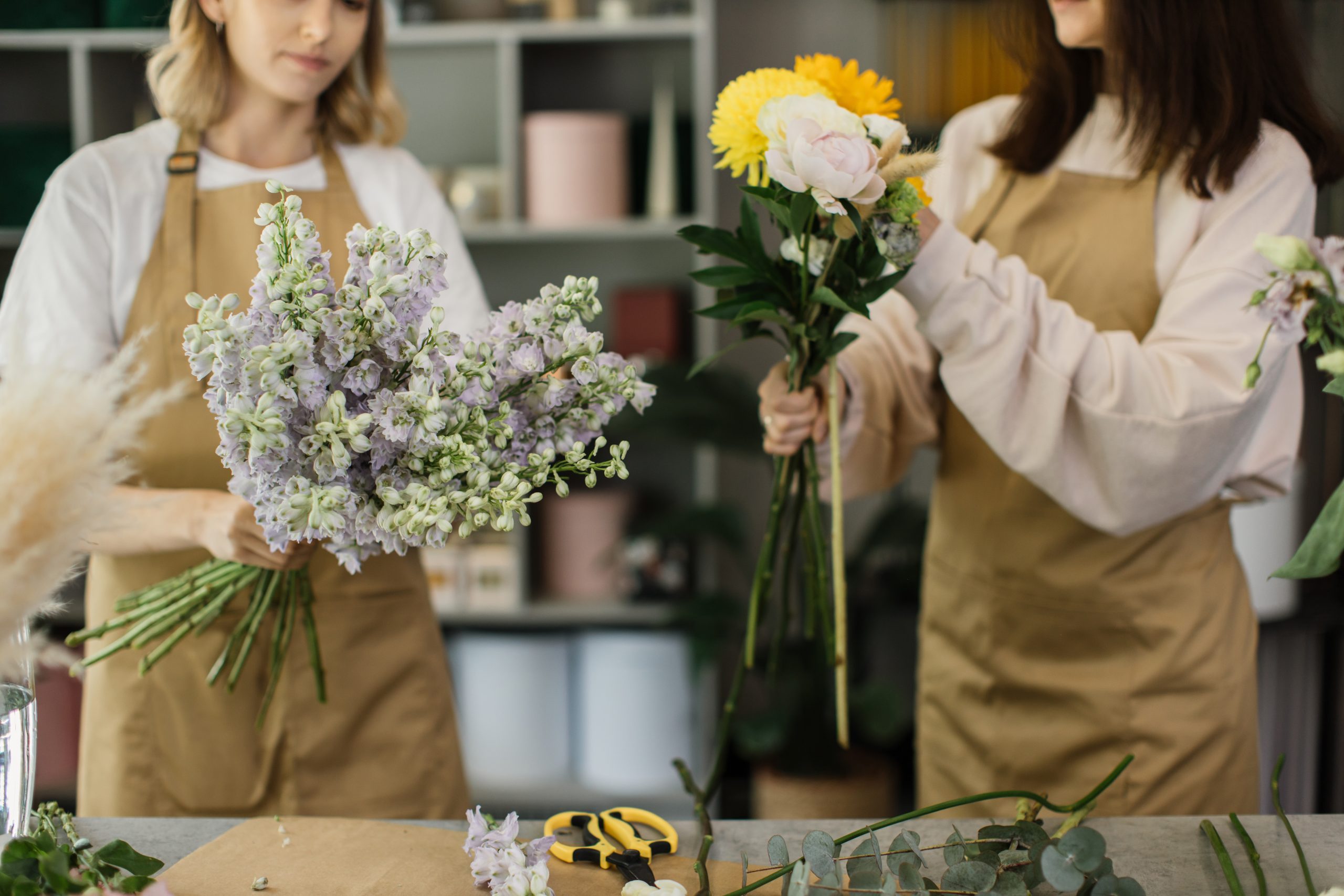


Local florists are a strong example of how small businesses can compete in a market that has changed quickly. Years ago, a flower shop could rely heavily on walk-in traffic, phone orders, holiday rushes, and long-standing relationships with local customers. Those things still matter, but they are no longer enough by themselves. Today, customers compare designs online, expect fast delivery, want simple ordering, and often judge a business by its photos before ever speaking with anyone.
That shift has made the florist business more competitive, but also more creative. Independent flower shops are not only selling bouquets. They are selling taste, speed, trust, presentation, and emotional timing. A customer may be ordering flowers for a birthday, funeral, anniversary, wedding, business event, restaurant opening, or last minute apology. In each case, the product carries meaning beyond the flowers themselves.
For entrepreneurs, florists offer a useful look at how local businesses survive when national platforms, online ordering companies, grocery stores, and rising costs put pressure on margins. The same lessons apply to restaurants, gift shops, bakeries, salons, boutiques, and many other local service businesses. Companies that compete only on price often struggle. Companies that compete through expertise, service, convenience, and community relevance have a better chance to stand out.
Floral design is no longer just a creative function inside a flower shop. It is a business strategy. Customers are increasingly visual. They see arrangements on Instagram, Pinterest, wedding websites, hotel lobbies, influencer events, restaurant tables, and luxury retail displays. By the time they contact a florist, many already have a style in mind. They may not know the names of the flowers, but they know the look they want.
That creates an opportunity for a local florist that understands branding. A shop with a clear design identity can become known for modern arrangements, romantic wedding florals, tropical designs, minimalist work, luxury sympathy arrangements, or seasonal garden style bouquets. When that style becomes recognizable, the florist is no longer viewed as a commodity. The business becomes associated with taste.
Companies such as UrbanStems and The Bouqs Co. have helped raise customer expectations around presentation, photography, packaging, and easy online ordering. A local florist does not need to copy those companies, but it does need to understand what customers are now used to seeing. Clean photos, strong product names, clear pricing, and design consistency can make a small local shop appear polished and trustworthy.
Design also helps protect margins. A dozen roses can be compared by price, but a custom arrangement with a distinct style is harder to compare. That matters in a business where spoilage, labor, delivery, rent, and supply costs can quickly eat into profit. When customers value the design, they are more likely to accept premium pricing.
For business owners in other industries, the lesson is simple. Presentation affects perceived value. A bakery, boutique, restaurant, or service business may have a great product, but if the packaging, website, photos, signage, and customer experience feel dated, customers may assume the business is less professional than it really is.
Delivery used to be viewed as a convenience. Today, it is part of the product. A beautiful arrangement that arrives late, damaged, or without proper communication can turn a positive purchase into a complaint. Florists have to manage not only the design, but the timing and condition of the delivery.
This is especially important because many flower orders are time sensitive. A funeral arrangement must arrive before the service. A corporate arrangement may need to be delivered before guests arrive. Valentine Day and Mother Day orders are often emotional because customers expect the flowers to arrive on the right day. Late delivery is not just a logistics issue. It can damage trust.
Local florists are competing against national ordering platforms, grocery stores, warehouse clubs, and delivery apps. Some customers may not understand the difference between ordering from a real local florist and ordering through a wire service or online marketplace. That means local shops need to communicate their advantage clearly. They can highlight hand designed arrangements, local delivery knowledge, direct customer service, and the ability to handle special instructions.
Companies such as DoorDash and Instacart have changed how consumers think about speed and convenience. While those companies are not traditional florists, they influence customer expectations. People now expect delivery windows, updates, easy payment, and quick communication. A local florist that offers a smooth delivery process can compete more effectively, even without national scale.
Delivery can also create repeat business. A local office that receives a great arrangement on time may remember that florist for future events. A family that has a positive sympathy order experience may return for birthdays, holidays, and anniversaries. Reliability becomes part of the brand.
Events are one of the most important growth areas for florists because they allow shops to move beyond single order transactions. Weddings, corporate functions, fundraisers, conferences, restaurant openings, hotel events, and private parties can generate larger invoices and deeper client relationships.
Event work is different from daily retail flower sales. It requires planning, proposals, consultations, timelines, installation, breakdown, staffing, transportation, and coordination with venues or planners. It can be demanding, but it also allows florists to show higher level expertise. A business that can transform a room, stage, table, entrance, or ceremony space is selling more than flowers. It is selling atmosphere.
Wedding platforms such as The Knot and Zola have also changed how couples find vendors. Florists now compete through online galleries, reviews, proposal speed, and the ability to communicate a clear design vision. Strong photography from past events can become one of the most valuable marketing assets a florist owns.
Corporate events are also worth attention. Businesses use flowers for grand openings, hospitality areas, office receptions, client dinners, trade shows, luxury retail launches, and holiday parties. These orders may be less emotional than weddings, but they can be recurring. A law firm, hotel, restaurant group, medical office, or real estate company may need arrangements throughout the year.
For entrepreneurs, the broader lesson is that service expansion can create stronger revenue opportunities. A florist that only sells daily arrangements may be dependent on holidays and walk ins. A florist that also handles events has another revenue lane. The same idea applies to many businesses. A retailer can add workshops. A restaurant can add catering. A consultant can add training. A local service business can add maintenance plans.
Interest rates matter for local florists because this is not a cost free business to run. Shops may need financing for delivery vans, refrigeration, build outs, inventory systems, event equipment, websites, marketing, or seasonal hiring. When borrowing costs rise, expansion decisions become more careful.
Small business owners have been paying close attention to the cost of capital. Reports from groups such as NFIB have shown that borrowing costs remain an important concern for many small businesses. That kind of environment affects local businesses that are thinking about expansion, equipment purchases, renovations, vehicles, or larger inventory commitments. A florist may still want to grow, but the numbers have to make sense before taking on debt.
For a florist, a higher interest rate can change the math on opening a second location, buying a vehicle, renovating a storefront, or investing in a larger cooler. The opportunity may still be attractive, but the margin for error becomes smaller. Monthly payments are higher, and owners need to be more confident that the investment will produce revenue.
This is one reason many small businesses are becoming more disciplined. Instead of expanding just because sales are up, owners are asking better questions. Will this purchase increase revenue? Will it reduce labor? Will it improve customer retention? Will it help us handle more events? Will it reduce waste? In a higher rate environment, business owners need a stronger reason to borrow.
Local florists can respond by focusing on cash flow and operational efficiency. Better inventory planning can reduce spoilage. Stronger event deposits can protect against cancellations. Clear delivery fees can prevent hidden losses. Subscription arrangements for offices, restaurants, and hotels can create more predictable revenue. Prepaid holiday campaigns can help manage demand and staffing.
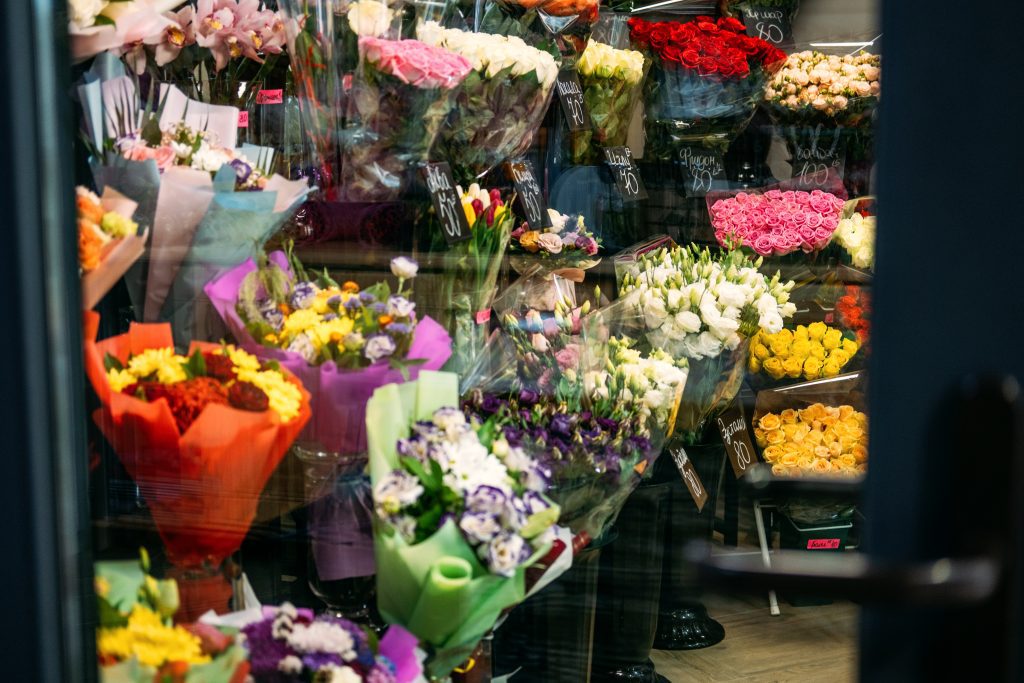
A local florist website and social media presence are now part of the sales process. Customers want to see recent work, not just read claims about quality. They want to know what the shop style looks like, how easy it is to order, whether delivery is available, and whether past customers were happy.
Instagram remains especially important for floral businesses because the product is visual. A florist can use it to show wedding installations, seasonal arrangements, behind the scenes design work, holiday collections, and event transformations. Short videos can be powerful because they show scale, movement, and detail in a way that still photos sometimes cannot.
Google Business Profile also matters. Local searches such as florist near me, wedding florist, or same day flower delivery often happen when the customer is ready to buy. Reviews, photos, hours, location, and ordering links can all influence whether the customer clicks or keeps searching.
A florist does not need to be everywhere online, but the business should look active and credible where customers are likely to check. A shop with outdated photos, broken website links, poor mobile formatting, or unclear delivery information may lose customers before the phone rings.
Entrepreneurs should treat digital presence as a trust signal. It is not only about advertising. It is about reducing doubt. A strong website, current photos, clear service pages, and consistent branding make customers feel more comfortable spending money.
Even with online ordering and delivery expectations, local relationships remain a major advantage for independent florists. A shop that knows nearby funeral homes, churches, hotels, restaurants, event venues, office managers, wedding planners, photographers, and caterers can build referral networks that national competitors cannot easily duplicate.
A florist may become the preferred vendor for a venue because the team is reliable, understands the loading dock, knows the room dimensions, and works well with the event staff. A restaurant may use the same florist every week because the arrangements match the atmosphere and arrive before service. A local business may send flowers to clients because the florist remembers preferences and handles details correctly.
These relationships create a protective layer around the business. Price still matters, but trust matters more when timing and presentation are important. Customers often return to the provider who made the last order easy.
This is an important reminder for all entrepreneurs. Community presence can be a competitive advantage. Networking is not only about attending events and collecting business cards. It is about becoming useful, reliable, and easy to work with. Over time, those qualities create referrals.
It is easy to think of florists as retailers because they sell a physical product. In reality, strong florist businesses are service businesses with a retail component. The flowers are essential, but the experience around the flowers is what creates value.
Customers need guidance on budget, color, seasonality, sympathy etiquette, wedding design, delivery timing, and what is realistic. A good florist helps customers make decisions without making them feel overwhelmed. That advisory role can separate a local expert from a basic online checkout page.
Service also shows up when something goes wrong. Flowers are perishable. Weather can affect supply. Deliveries can be delayed. Certain blooms may be unavailable. A professional florist communicates clearly, offers thoughtful substitutions, and solves problems quickly. That kind of service builds long term trust.
For business owners, this is a valuable mindset. Even if a company sells a product, the service around that product may be the real differentiator. Customers remember how a business handled questions, problems, deadlines, and special requests.
Local florists are competing in a market shaped by design expectations, delivery convenience, event demand, digital marketing, and higher operating costs. The businesses that succeed are not simply selling flowers. They are building brands around taste, reliability, relationships, and customer experience. For entrepreneurs, the florist industry offers a clear lesson: small businesses can still compete when they stop acting like commodities and start building value in ways larger competitors cannot easily copy. Whether the business is a flower shop, bakery, boutique, restaurant, or service company, the path forward is often the same. Know the customer, present the product well, deliver with care, protect margins, and create a reason for people to come back.