Business owners sometimes assume employee turnover is primarily a problem for struggling companies. A business with declining revenue, weak leadership, poor products, or financial instability certainly gives employees reasons to…
Read More...


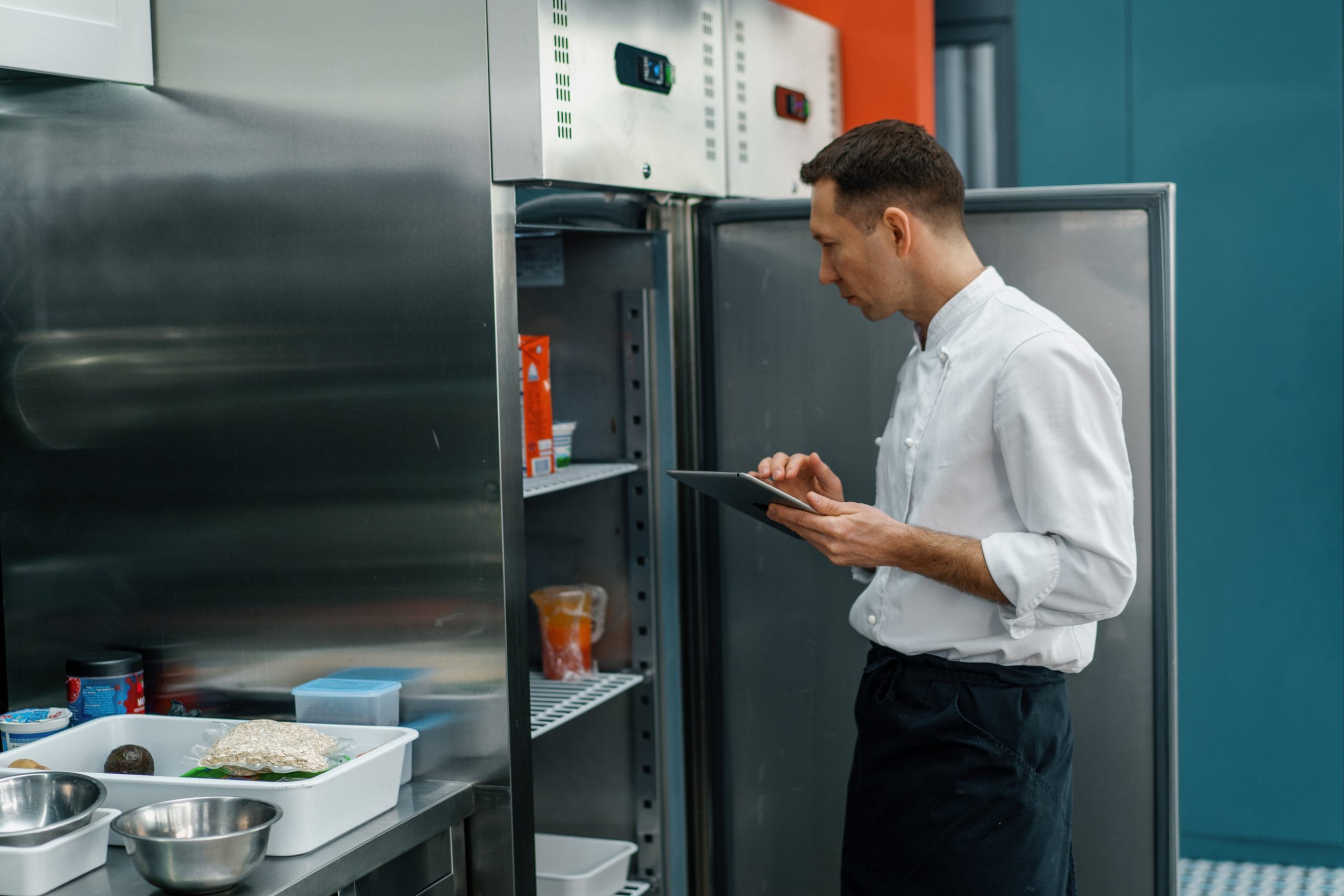


Commercial refrigeration rarely receives much attention when everything is working properly. The coolers remain cold, the freezers preserve inventory, and employees continue serving customers without thinking about the equipment operating behind the walls, above the ceiling, or beneath the display cases. That changes immediately when a refrigeration system stops maintaining the proper temperature.
For restaurants, supermarkets, convenience stores, hotels, commercial kitchens, food distributors, florists, pharmacies, and many other businesses, commercial refrigeration is not simply another building feature. It is part of the company’s operational foundation. When it fails, the effects can spread from inventory loss to interrupted sales, employee disruption, customer complaints, and long term damage to the reputation of the business.
A broken chair can be moved into storage. A malfunctioning computer can often be replaced temporarily. Commercial refrigeration does not provide that same flexibility. Products continue warming while the business decides what to do, and every passing hour can make the problem more expensive.
The initial equipment problem may appear relatively small. A walk in cooler begins running warmer than normal. A freezer develops frost around a door. A refrigerated display case starts making an unusual sound. Employees may assume the system will correct itself or that the temperature change is temporary.
That delay can be costly. A refrigeration problem does not remain limited to the equipment. It can place thousands of dollars in inventory at risk, depending on the size and type of operation. A restaurant may lose meat, dairy products, seafood, sauces, produce, and prepared ingredients. A grocery store may face losses across multiple refrigerated departments. A florist may lose temperature sensitive arrangements before an important event. A pharmaceutical operation may have products that require tightly controlled storage conditions.
The direct loss of inventory is only one part of the financial damage. The business may also lose the sales that inventory was expected to generate. Employees may spend hours moving products, recording temperatures, contacting vendors, cleaning storage areas, and communicating with customers. Management may need to approve emergency purchases or arrange temporary cold storage while normal operations remain partially suspended.
Commercial refrigeration downtime can create several losses from a single incident. The equipment repair has a cost, the spoiled inventory has a cost, and the operational disruption has a cost. When customer orders cannot be fulfilled, future revenue may also be affected.
Customers generally do not think about compressors, refrigerants, evaporator coils, temperature controls, or condenser maintenance. They only know whether the product they wanted was available and whether the business appeared prepared.
A customer who enters a restaurant and discovers that several menu items are unavailable may not blame the refrigeration system. The customer may simply decide that the restaurant is poorly managed. A grocery shopper who repeatedly encounters empty refrigerated cases may begin visiting another store. A hotel guest whose event catering is disrupted will likely remember the inconvenience rather than the mechanical explanation.
This is what makes commercial refrigeration downtime particularly dangerous. A technical failure can become a customer service failure within minutes.
Businesses spend considerable money attracting customers through advertising, social media, promotions, signage, online reviews, and loyalty programs. Losing customer confidence because of preventable equipment neglect can undermine that investment. A refrigeration system may be hidden from the public, but its performance is reflected in product quality, availability, cleanliness, and service consistency.
Preventive maintenance is sometimes viewed as an expense that can be postponed until the company has more cash, more employees, or more time. That approach treats refrigeration maintenance as optional rather than operational.
A better perspective is to treat preventive maintenance as a form of business risk management. Regular service gives technicians an opportunity to identify worn components, airflow restrictions, refrigerant concerns, dirty coils, failing motors, damaged door seals, drainage problems, electrical issues, and inaccurate controls before they cause a shutdown. Not every problem can be predicted, but many warning signs can be discovered during routine inspections.
Maintenance also gives management a clearer understanding of equipment condition. Business owners can plan for future repairs or replacement rather than being surprised by a major expense during a busy weekend, holiday period, or seasonal sales rush.
A maintenance record can be equally valuable. It creates a history of repairs, component replacements, temperature problems, and recurring service calls. When a unit continues requiring attention, management can compare the cost of ongoing repairs with the cost of replacing the equipment. That decision becomes more informed when it is supported by service data rather than frustration during an emergency.
Commercial refrigeration systems often communicate problems before they completely fail. The signs may be subtle, particularly in a noisy kitchen, warehouse, or retail environment.
Employees may notice that a unit runs longer than usual, cycles repeatedly, develops excess condensation, produces unusual noises, or struggles to recover after a door is opened. Ice may accumulate in areas where it did not appear before. Products near one section of a cooler may feel warmer than products stored elsewhere. Utility usage may increase even though business activity remains similar.
These observations deserve attention. Employees should know how to report refrigeration concerns and who should receive that report. A casual comment made during a busy shift can easily be forgotten. A simple reporting process creates accountability and gives management a better chance to act before the problem becomes more serious.
Temperature logs can also reveal changes that are difficult to notice during daily activity. If a cooler gradually operates closer to its upper temperature limit, the trend may suggest declining performance. Monitoring creates an opportunity to respond before the system crosses into an unsafe or unusable range.
A business should not be searching for its first refrigeration service provider while products are already warming. Emergency preparation begins with knowing who to call, what equipment the business owns, where critical shutoffs and controls are located, and which products should be moved first.
Management should maintain current contact information for qualified service providers and understand the provider’s availability outside normal business hours. It is also helpful to keep equipment model numbers, serial numbers, warranty information, service records, and installation documents organized in one accessible location.
Companies evaluating equipment or replacement components may encounter refrigeration manufacturers and technology providers such as Hussmann, Copeland, Danfoss, and Hillphoenix. The right system depends on the application, facility layout, product load, operating environment, service availability, and long term business requirements.
An emergency plan should also address product relocation. A business may have access to another cooler, a refrigerated vehicle, temporary cold storage equipment, or a nearby facility operated by a partner company. Those options should be discussed in advance rather than improvised during a failure.
The plan does not need to be complicated. It needs to be clear enough that employees can act quickly without creating additional confusion.
When a commercial refrigeration system fails, the temptation to select the least expensive repair is understandable. Cash flow matters, and business owners must control operating expenses. However, the lowest initial price may not represent the lowest total cost.
A temporary repair that does not address the underlying issue may lead to another service call, additional inventory loss, higher energy consumption, or damage to related components. The business may end up paying several smaller bills that collectively exceed the cost of a proper repair.
Owners should ask what caused the failure, whether the proposed repair addresses that cause, which components are being replaced, whether parts are covered by a warranty, and whether additional problems were discovered during the inspection. They should also ask how the repair affects the expected life of the equipment.
The objective is not to authorize every costly recommendation without question. It is to make decisions based on operational consequences rather than the repair invoice alone.
Every refrigeration system eventually reaches a point where continued repair becomes difficult to justify. The challenge is recognizing that point before a major breakdown forces the decision.
Older equipment may still operate, but it can require frequent service, consume more electricity, struggle during periods of heavy use, or rely on components that are becoming difficult to obtain. A system that works adequately during mild operating conditions may fail when doors are opened frequently, surrounding temperatures rise, or inventory loads increase.
Business owners should consider more than the age of the equipment. Repair frequency, energy use, temperature consistency, parts availability, capacity, and the importance of the unit to daily revenue all matter.
Replacing functioning equipment may feel premature, but planned replacement provides more control than emergency replacement. Management has time to compare systems, review proposals, evaluate installation requirements, schedule the work, and prepare employees. A rushed purchase made during a shutdown rarely provides the same level of flexibility.
A growing business can place unexpected pressure on its refrigeration systems. More customers usually mean more inventory, more frequent deliveries, greater door activity, and heavier production demands.
A cooler designed for an earlier version of the business may struggle as volume increases. Employees may begin overcrowding shelves, blocking airflow, placing warm products into already loaded units, or leaving doors open while restocking. The equipment may technically remain operational while performing under conditions it was not designed to handle.
This is why expansion planning should include commercial refrigeration capacity. Adding menu items, increasing food production, extending operating hours, opening a catering division, or expanding retail inventory can change refrigeration requirements.
Owners should evaluate whether existing equipment can support the next stage of the company rather than only the current workload. Growth that exceeds infrastructure can create breakdowns precisely when the business has the most customers to serve.
Commercial refrigeration reliability is not solely the responsibility of technicians. Daily employee behavior can either protect the equipment or place unnecessary stress on it.
Doors left open, blocked vents, damaged gaskets, improper loading, dirty storage areas, and hot products placed directly into coolers can affect performance. Employees may also overlook unusual sounds or temperature changes because they assume someone else will report them.
Basic training can reduce these risks. Team members should understand why airflow matters, how products should be arranged, when temperatures should be checked, and how to identify visible warning signs. They should also know that repeatedly resetting equipment is not a substitute for reporting a problem.
Managers set the tone. When employees see that temperature records, cleanliness, and equipment concerns are taken seriously, they are more likely to follow the procedures consistently. When management ignores recurring concerns, employees will often do the same.
Modern monitoring tools can give businesses more visibility into refrigeration performance. Temperature sensors, automated alerts, remote monitoring platforms, and connected controls can notify designated employees when conditions move outside established limits.
This does not eliminate the need for inspections or professional service. Technology is most valuable when it helps a business identify a developing problem sooner.
An alert received after closing may allow a manager to contact a service provider before inventory remains exposed overnight. A record of temperature changes can help technicians diagnose an intermittent issue. Performance data may also reveal patterns connected to operating hours, loading practices, defrost cycles, or repeated door activity.
The value comes from faster awareness and better information. A monitoring system that sends alerts to an unattended account or to employees who do not know how to respond provides little protection. Technology should be connected to a defined response process.
Commercial refrigeration supports far more than cold temperatures. It protects inventory, customer relationships, employee productivity, product quality, and the ability of a business to generate revenue without interruption.
Downtime will always remain a possibility, but companies can reduce their exposure through preventive maintenance, employee training, temperature monitoring, emergency planning, timely repairs, and realistic equipment replacement decisions. Owners should know the condition of their systems before a failure reveals it for them.
The businesses that handle commercial refrigeration well do not wait for warm products and empty display cases to recognize its importance. They treat refrigeration as a core operating asset because they understand that when the cooling stops, the financial consequences can begin immediately.