Commercial landscaping was once viewed primarily as a maintenance service. Property owners hired contractors to mow lawns, trim hedges, remove weeds, and keep outdoor areas presentable. Although those responsibilities remain…
Read More...


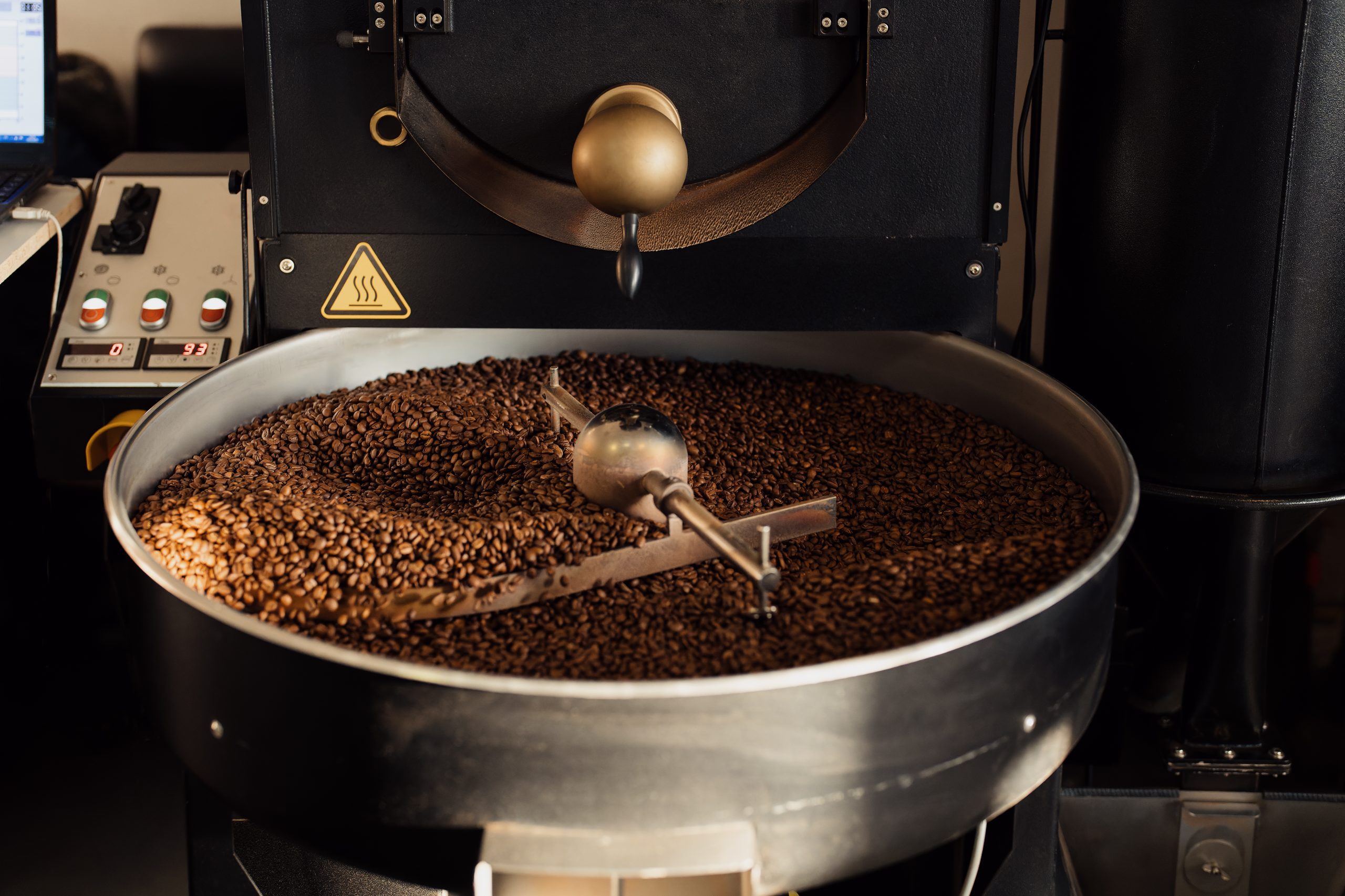


Specialty Coffee has moved far beyond the small neighborhood cafe with a chalkboard menu and a few bags of beans on the shelf. Across the United States, ambitious roasters are turning local loyalty into regional influence. They are opening cafes, selling wholesale to restaurants and hotels, supplying grocery stores, building subscription programs, partnering with local bakeries, and using their brand story to become part of a city or region’s identity.
That shift matters for entrepreneurs because Coffee is no longer just a beverage business. It is a brand business, a real estate decision, a supply chain challenge, a hospitality experience, and a recurring revenue opportunity all at once. The best specialty Coffee companies are not simply roasting better beans. They are building systems that allow quality, convenience, and community to travel from one neighborhood to the next.
The specialty Coffee industry has matured. Customers who once viewed premium Coffee as a treat now see it as part of their daily routine. They know the difference between average Coffee and a carefully roasted single origin. They may not know every technical detail about processing methods or roast profiles, but they recognize freshness, consistency, and a brand that feels more thoughtful than the national chain down the road.
That creates a powerful opening for regional roasters. A local brand can feel more authentic than a national operator while still offering the convenience, consistency, and professionalism customers expect. This is where the opportunity sits. The modern regional Coffee roaster does not have to choose between being small and being serious. It can remain rooted in its home market while expanding into nearby cities through cafes, wholesale accounts, grocery placements, and online sales.
Companies such as Counter Culture Coffee, Stumptown Coffee Roasters, Intelligentsia Coffee, and Onyx Coffee Lab helped show that specialty Coffee can carry a strong identity across markets. Their growth did not happen by accident. Each brand combined product quality with education, design, storytelling, and distribution. For smaller operators, the lesson is not to copy those companies directly. The lesson is that a roaster can become much more than a local cafe if the business is built with expansion in mind.
A regional Coffee powerhouse usually has several revenue channels working together. The cafe creates visibility and customer loyalty. The roasting operation creates margin and control. Wholesale accounts build volume. Grocery and specialty retail create reach. E commerce and subscriptions give the company direct access to customers outside the immediate trade area.
This mix is important because Coffee is a high frequency product, but cafes can be expensive to operate. Rent, labor, buildout costs, equipment, utilities, and insurance all put pressure on margins. A roaster that only depends on cafe traffic may have a popular brand and still struggle financially. A roaster that adds wholesale, office Coffee, subscriptions, and packaged retail has more ways to turn its roasting capacity into revenue.
A strong regional company may have three or four cafes, dozens of wholesale accounts, a respected online store, and products placed in local markets. The cafes introduce customers to the brand. The wholesale accounts place the product in restaurants, bakeries, hotels, coworking spaces, and independent groceries. The website keeps customers buying after they move, travel, or decide they want the same Coffee at home.
The current interest rate environment has made growth more selective. A few years ago, a business owner might have been more willing to borrow for a new buildout, second location, or larger roasting machine. Today, debt is more expensive, banks are more cautious, and business owners are paying closer attention to cash flow before they sign a lease or finance equipment.
That does not mean specialty Coffee growth has stopped. It means growth has to be more disciplined. Instead of opening five cafes quickly, a roaster may choose one excellent location and expand wholesale first. Instead of buying the largest roaster available, the company may run the numbers on utilization, labor, maintenance, and projected account growth. Instead of treating branding as decoration, the business may view it as a tool for supporting pricing power.
Higher borrowing costs also make unit economics more important. A beautiful cafe that cannot cover payroll, rent, debt service, and product costs is not a growth strategy. It is a risk. Entrepreneurs in Coffee have to understand average ticket size, morning rush patterns, afternoon beverage demand, food attachment rates, labor scheduling, and repeat purchase behavior. The best operators know that expansion is not about opening doors. It is about repeating profitable behavior in a new location.
Wholesale can turn a specialty roaster from a local favorite into a regional player. Restaurants, boutique hotels, bakeries, corporate offices, universities, and independent grocers all need Coffee. Many would rather work with a high quality regional partner than buy from a generic supplier. This gives specialty roasters a chance to become the Coffee behind other businesses.
The wholesale model works best when the roaster treats accounts like long term partners. That means training, brewing guidance, reliable delivery, menu support, and consistent product quality. A restaurant does not want a Coffee supplier that simply drops off bags. It wants a partner that helps the staff serve a better cup and makes the restaurant look more polished.
Regional roasters that succeed in wholesale also understand that the buyer is not always the final consumer. A hotel manager cares about guest experience. A bakery owner cares about pairing Coffee with pastries. A restaurant operator cares about quality, cost, and service. A corporate office may care about convenience and employee satisfaction. The same Coffee can solve different business problems depending on the account.
Packaged Coffee gives roasters another path to regional growth. Getting bags of beans into grocery stores, specialty markets, and local food shops can extend the brand beyond cafe traffic. Customers who discover the brand in a cafe may buy it later at the grocery store. Customers who see it in a local market may visit the cafe after recognizing the name.
Partnerships are also becoming more creative. A roaster may team up with a bakery, a farmers market, a brewery, a hotel group, or a local restaurant group. In Florida, Buddy Brew Coffee has shown how a regional Coffee brand can gain more visibility through retail and cafe partnerships. In Texas, Merit Coffee has expanded across major cities while maintaining a regional identity tied to quality and local market selection.
These examples are useful because they show that regional growth does not have to look like traditional franchising. A Coffee company can grow through carefully selected placements, neighborhood cafes, wholesale relationships, and product distribution. The brand becomes familiar without needing to be everywhere at once.
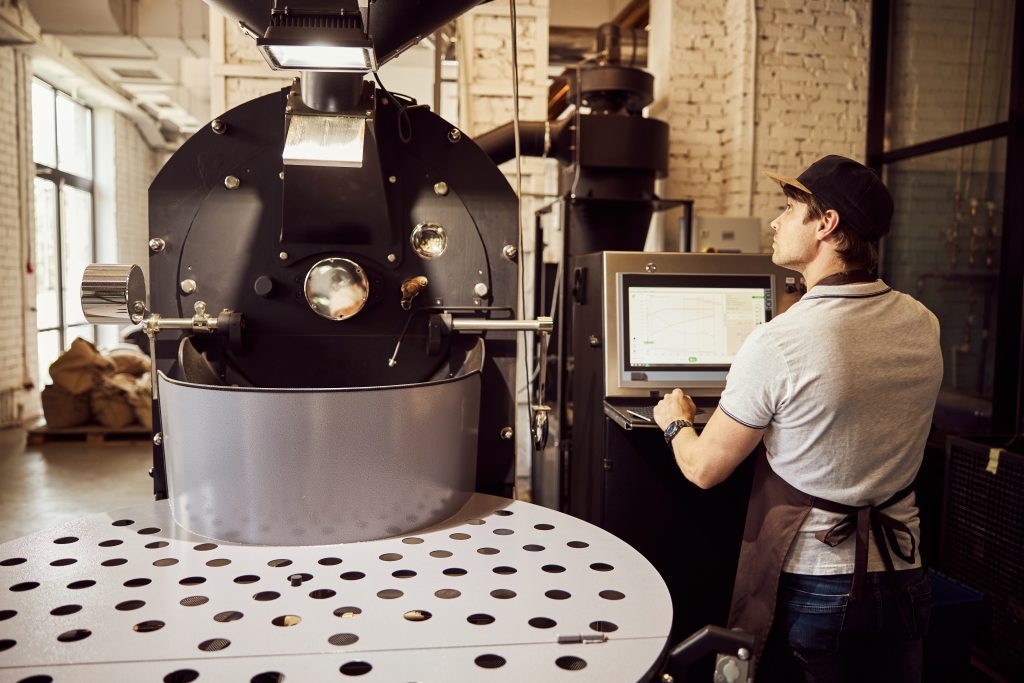
Coffee quality is essential, but quality alone is not enough. Many specialty roasters can source good beans and roast them well. The companies that become regional powerhouses usually have a sharper brand position. They know what they stand for, who they serve, and why customers should choose them instead of the next cafe.
Branding includes the name, logo, packaging, store design, website, menu language, social media voice, customer service style, and even the way employees talk about the Coffee. A roaster with a clear brand can charge premium prices with less resistance because customers understand the value. A weak brand forces the business to compete more on convenience or price.
For entrepreneurs, this is a major point. Coffee is emotional. People build routines around it. They meet friends over it. They buy it on the way to work. They give it as a gift. They subscribe to it because it feels personal. A strong brand turns a daily purchase into loyalty.
The best Coffee companies are also becoming more sophisticated with technology. Online ordering, subscriptions, loyalty programs, email marketing, text message promotions, inventory systems, and customer data now matter. A roaster that knows which blends sell best online, which wholesale accounts reorder consistently, and which cafe items drive afternoon traffic has an advantage.
Subscription Coffee can be especially valuable because it creates recurring revenue. Customers who subscribe are not making a new buying decision every week. They have already committed. That gives the business more predictable cash flow and better insight into production needs. It also helps the brand reach beyond its local market.
Companies such as Trade Coffee helped popularize the idea that consumers are willing to buy specialty Coffee online from roasters around the country. Regional roasters can use the same customer behavior in a more focused way by selling directly to people who already know the brand from a cafe visit, a trip, a gift, or a local recommendation.
There is a romantic side to Coffee, but the business itself is very operational. Green Coffee buying, roasting schedules, packaging, quality control, delivery routes, staffing, training, equipment maintenance, cash flow, and waste management all affect profitability. A roaster can have a loyal following and still lose money if the operation is not managed carefully.
Coffee prices have also been volatile, which puts pressure on margins. When green Coffee costs rise, roasters must decide whether to absorb the increase, raise prices, adjust blends, renegotiate wholesale pricing, or improve efficiency elsewhere. None of those decisions are easy. Customers may accept higher prices when the brand has trust and a clear quality story. They may resist when the brand feels replaceable.
This is where regional strength becomes valuable. A recognized brand with multiple channels can spread risk. If cafe traffic slows, wholesale may help. If wholesale margins tighten, online sales may contribute. If one neighborhood underperforms, another market may be stronger. Diversification does not remove risk, but it gives management more options.
The specialty Coffee roaster story has lessons beyond Coffee. Many local businesses want to become bigger but do not want to lose their identity. Coffee shows how that can work. A company can be local and scalable. It can be premium and approachable. It can use physical locations for visibility while building revenue through other channels.
Entrepreneurs should pay attention to how these roasters think about expansion. The smartest ones do not grow just because customers like the product. They grow because they understand their numbers, their brand, their supply chain, and their market. They know which neighborhoods fit. They know which wholesale accounts are worth pursuing. They know when to say no to a deal that adds volume but hurts margin.
The real opportunity is not simply selling more Coffee. It is building a regional platform around trust, taste, convenience, and culture. That platform can support cafes, wholesale, subscriptions, merchandise, events, education, and collaborations. Once the brand has regional respect, each new channel becomes easier to introduce.
Specialty Coffee roasters are building regional powerhouses because they sit at the intersection of product, experience, and repeat demand. People buy Coffee often, but they stay loyal to brands that feel consistent, local, and worth paying for. In a higher rate environment, growth has to be more thoughtful, but that may actually help the strongest operators. The roasters that understand cash flow, brand positioning, wholesale relationships, technology, and disciplined expansion are not just opening more cafes. They are building durable regional businesses with the potential to shape how entire markets drink Coffee.