
For decades, the annual performance review has been one of the most familiar rituals in the workplace. Employees sit down with a supervisor, discuss accomplishments and shortcomings from the previous…
Read More...


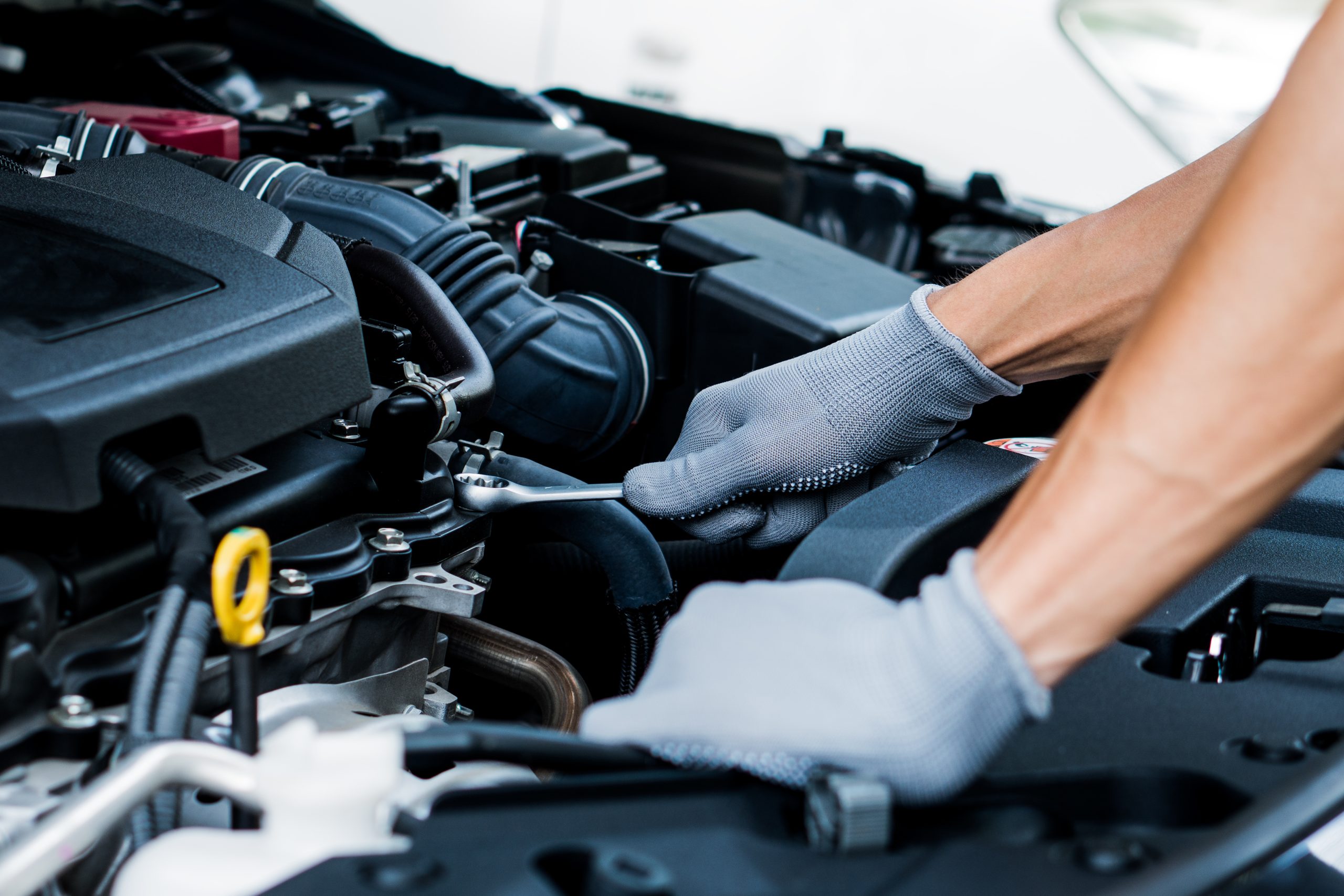


The automotive industry is changing quickly, but not in the simple way many people expected. Electric vehicles are becoming more common, software is playing a larger role in vehicle performance, and consumers are paying closer attention to the cost of owning, financing, and maintaining a car. At the same time, traditional auto repair shops are not becoming obsolete. In many markets, they may be becoming more valuable.
For entrepreneurs and business owners, that matters. Auto Repair has always been a practical, local, need based business. People may delay luxury purchases, vacations, or upgrades, but when a vehicle is needed for work, school, family, or business, repairs cannot always wait. The EV transition adds a new layer to this industry. Shops that can handle both internal combustion vehicles and modern electric or hybrid systems may be positioned to capture a wider range of customers over the next decade.
Auto Repair is built around recurring demand. Vehicles wear down, parts fail, tires need replacement, brakes need service, batteries die, alignments drift, and warning lights appear at inconvenient times. That basic reality has not changed. What has changed is the complexity of the vehicle itself.
Modern vehicles are no longer purely mechanical products. They are rolling combinations of hardware, software, sensors, battery systems, cameras, and electronic control units. Even gasoline powered vehicles now rely heavily on diagnostics, calibration, and advanced components. This creates both challenges and opportunity. A shop that invests in better tools, technician training, customer communication, and digital workflow can separate itself from smaller operators that stay stuck in the old model.
This is one reason businesses such as RepairPal and NAPA Auto Care have become relevant in the repair ecosystem. Consumers want trust, pricing clarity, and access to shops that feel professional. Business owners who understand this shift can build repair operations that look less like old garages and more like modern service businesses with strong branding, clean processes, and repeat customers.
One of the most important business angles right now is the interest rate environment. When financing is expensive, many consumers become less eager to buy a new vehicle. Higher monthly payments can push people to keep their current cars longer, even if the vehicle is aging. That directly supports demand for maintenance and repair.
This creates a practical cycle. If a consumer looks at the cost of replacing a vehicle and sees a high loan payment, higher insurance premiums, and registration costs, repairing the current vehicle can feel like the more rational decision. Even a $1,500 or $3,000 repair may be easier to accept than committing to years of elevated monthly payments.
For Auto Repair shops, this can increase ticket sizes and customer retention. Owners of older vehicles may approve work they would have skipped in a lower rate environment. They may replace tires, fix suspension issues, repair air conditioning, change brakes, or complete overdue maintenance because the alternative is financially unattractive. Shops that explain repair value clearly can benefit from this behavior.
This is especially important for entrepreneurs considering a service business. A repair shop is not just competing against other repair shops. It is also sitting at the intersection of household budgets, credit conditions, car prices, insurance costs, and local transportation needs. When replacement gets expensive, repair becomes more valuable.
A common assumption is that electric vehicles will destroy the auto repair business because EVs have fewer moving parts. That is only partly true. EVs do not need oil changes, spark plugs, timing belts, or certain exhaust related repairs. However, that does not mean EV owners have no service needs.
Electric vehicles still need tires, brakes, suspension work, cabin filters, alignments, cooling system service, software related diagnostics, battery health checks, charging port repairs, air conditioning service, and body related repairs. EVs are also often heavier than comparable gasoline vehicles, which can affect tires and suspension components. In addition, many EVs use advanced driver assistance systems that require calibration after windshield replacement, collision repair, suspension work, or sensor related service.
Companies such as Bosch and Hunter Engineering are already tied to the broader shift toward advanced diagnostics, calibration, alignment, and service equipment. The shops that understand these areas can move beyond basic repair and into higher value service categories.
This is where the opportunity becomes clear. A traditional shop that only depends on oil changes may feel pressure over time. A shop that becomes known for diagnostics, tires, brakes, suspension, ADAS calibration, hybrid service, and EV readiness can create a stronger business model.
The EV transition will not happen overnight. Gasoline vehicles, hybrids, plug in hybrids, and EVs will share the road for years. That mixed environment creates a strong opportunity for shops that can serve multiple types of vehicles instead of choosing only one lane.
A shop that understands gasoline vehicles still has a large existing customer base. A shop that also invests in EV and hybrid capability gains a future facing advantage. This combination may become especially attractive to buyers, investors, and regional operators looking to acquire independent repair businesses.
From a business standpoint, flexibility has value. A repair shop that depends only on older services may face margin pressure. A shop that can work on modern vehicle systems can market itself as a more capable operation. It may attract better technicians, better fleet accounts, and more affluent customers who own newer vehicles.
This is also where branding matters. Consumers are often nervous about repair decisions. They do not want to feel confused, overcharged, or ignored. A shop that communicates well, explains the problem, uses digital inspections, sends photos, provides clear estimates, and follows up after service can build trust. Companies such as Shopmonkey and Tekmetric have grown by helping repair shops modernize operations, scheduling, estimates, payments, and customer communication.
The EV transition is not only about the vehicle. It also involves charging infrastructure, fleet planning, electrical systems, and customer education. While not every repair shop will install chargers or work directly on charging equipment, the broader ecosystem creates business opportunities around advice, inspection, maintenance, and partnerships.
A local repair shop that understands EV ownership can become a trusted resource for customers who are considering their first electric vehicle. The shop can explain tire wear, charging habits, battery concerns, maintenance differences, and what to watch for when buying a used EV. That advice may not always create immediate repair revenue, but it can create long term customer relationships.
There may also be opportunities with local businesses that operate small fleets. Contractors, delivery services, medical offices, cleaning companies, and local service providers may begin adding EVs or hybrids to their vehicles. These businesses will need practical service partners. They may not want to rely only on dealerships, especially if dealer appointments are slow or expensive.
Companies such as ChargePoint and Blink Charging show how the charging side of the market is becoming more visible. For a repair shop owner, the point is not necessarily to become a charging company. The point is to understand how EV adoption changes the questions customers ask and the services they will need.
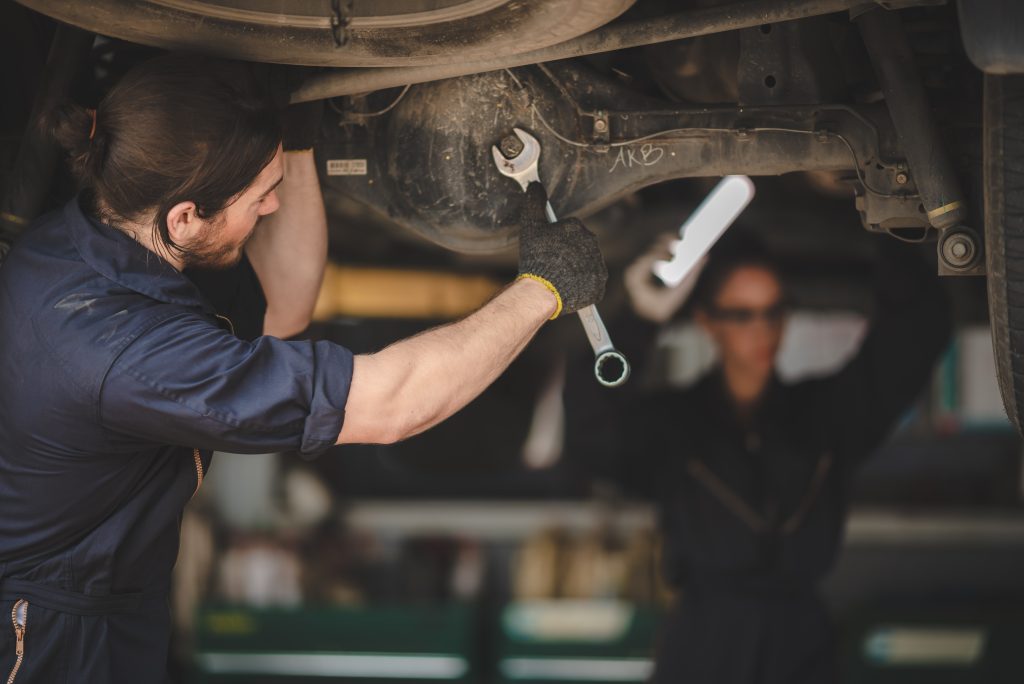
Auto Repair shops are also interesting from an acquisition perspective. Many independent shops are owner operated businesses built over decades. Some have loyal customer bases, strong local reputations, good locations, and experienced technicians. However, they may lack modern branding, software, marketing, or succession planning.
That creates an opportunity for entrepreneurs and investors. Buying an existing shop may be more attractive than starting from scratch, especially if the shop already has traffic, equipment, trained employees, and recurring revenue. The buyer can then improve the business through better systems, website upgrades, online reviews, digital advertising, customer follow up, and expanded services.
Larger automotive service groups have already shown interest in consolidation. Companies such as Driven Brands and Monro operate in the broader aftermarket and service space, showing that repair and maintenance can be scaled when systems are strong. Independent operators do not need to become national chains, but they can learn from the way larger platforms think about process, branding, customer retention, and operational discipline.
For someone looking to enter the industry, the key is not simply buying a garage. The better question is whether the business has durable demand, a strong location, qualified technicians, clean financials, customer trust, and room to modernize. A repair shop with poor books, outdated equipment, and no technician pipeline may be risky. A well located shop with loyal customers and upgrade potential may be a valuable platform.
One of the biggest constraints in Auto Repair is labor. Skilled technicians are not easy to find, and EV capable technicians are even more specialized. This means a shop with a strong team can become more valuable than the equipment alone might suggest.
Entrepreneurs sometimes focus on marketing, location, or revenue, but in this industry the technician base is a major asset. A shop that can recruit, train, and retain capable technicians has a real advantage. That may include better pay plans, cleaner facilities, newer tools, ongoing training, and a workplace culture that treats technicians like professionals.
Training will become more important as vehicle technology changes. Hybrid systems, high voltage safety, ADAS calibration, battery diagnostics, and software driven troubleshooting require different skills than older mechanical repairs. Shops that invest in technician education may be able to charge premium rates because they can solve problems that less prepared competitors cannot.
This also matters for business valuation. A repair shop that depends entirely on one owner technician may be harder to sell. A shop with a trained team, documented procedures, and management systems is more transferable. Transferability is a major part of business value.
Auto Repair has historically been a word of mouth business, but digital presence now plays a major role in customer decisions. When a driver sees a warning light or hears a strange sound, they often search online before calling anyone. Reviews, photos, service pages, pricing explanations, and the professionalism of the website all influence who gets the call.
A repair shop with a weak online presence may be leaving money on the table. Customers are not only looking for the closest shop. They are looking for signs of trust. Do the reviews sound real? Does the business explain its services clearly? Does the website look current? Can customers request an appointment easily? Does the shop appear capable of handling modern vehicles?
This is particularly important for EV and hybrid work. If a shop wants to attract customers with newer vehicles, its website and branding need to communicate competence. A small line that says we work on all cars is not enough. Service pages should explain diagnostics, hybrid service, EV inspections, tires, brakes, suspension, ADAS calibration, and fleet maintenance in a way that feels clear and credible.
Digital marketing is not just advertising. It is trust building before the customer ever walks through the door. A shop that presents itself well online can compete against dealerships, chains, and other independents with more confidence.
Anyone considering the Auto Repair business should look beyond the surface. Revenue matters, but so does the mix of revenue. A shop that has recurring maintenance customers, fleet accounts, diagnostic work, tire sales, and higher value repair tickets may be stronger than one that depends mostly on low margin oil changes.
Location also matters, but not always in the obvious way. A visible road can help, but access, parking, local demographics, nearby businesses, and competition all play a role. A shop near growing residential areas, commercial corridors, or trade heavy communities may have steady demand. In areas where consumers are keeping vehicles longer, repair needs may be even stronger.
The financial review should be careful. Buyers should study labor margins, parts margins, rent, technician productivity, customer concentration, equipment condition, online reputation, and whether the owner is personally responsible for most of the revenue. A shop that looks profitable only because the owner works 70 hours a week may need a different valuation than one with a management structure already in place.
It is also worth asking whether the shop can evolve. Can it add hybrid and EV services? Can it improve scheduling and customer communication? Can it build fleet relationships? Can it raise average repair order value through better inspections and explanations? Can it create a cleaner customer experience? These questions can reveal whether a shop is simply surviving or has room to become significantly more valuable.
Auto Repair is entering a period where the best operators may become more important, not less. The EV transition, higher vehicle complexity, elevated financing costs, longer ownership cycles, and customer frustration with slow or expensive service channels all create opportunity. The winners will likely be shops that combine old fashioned trust with modern systems, stronger branding, technician training, and the ability to service both traditional and electric vehicles.
For entrepreneurs, the lesson is simple: do not dismiss Auto Repair as an old business. It is a necessary local service sitting inside a changing automotive economy. The shops that adapt can become valuable community businesses, acquisition targets, and long term platforms for growth. As EV adoption continues and consumers remain cost conscious, the repair shop that knows how to meet customers where they are may have a stronger future than many people realize.