
For decades, the annual performance review has been one of the most familiar rituals in the workplace. Employees sit down with a supervisor, discuss accomplishments and shortcomings from the previous…
Read More...


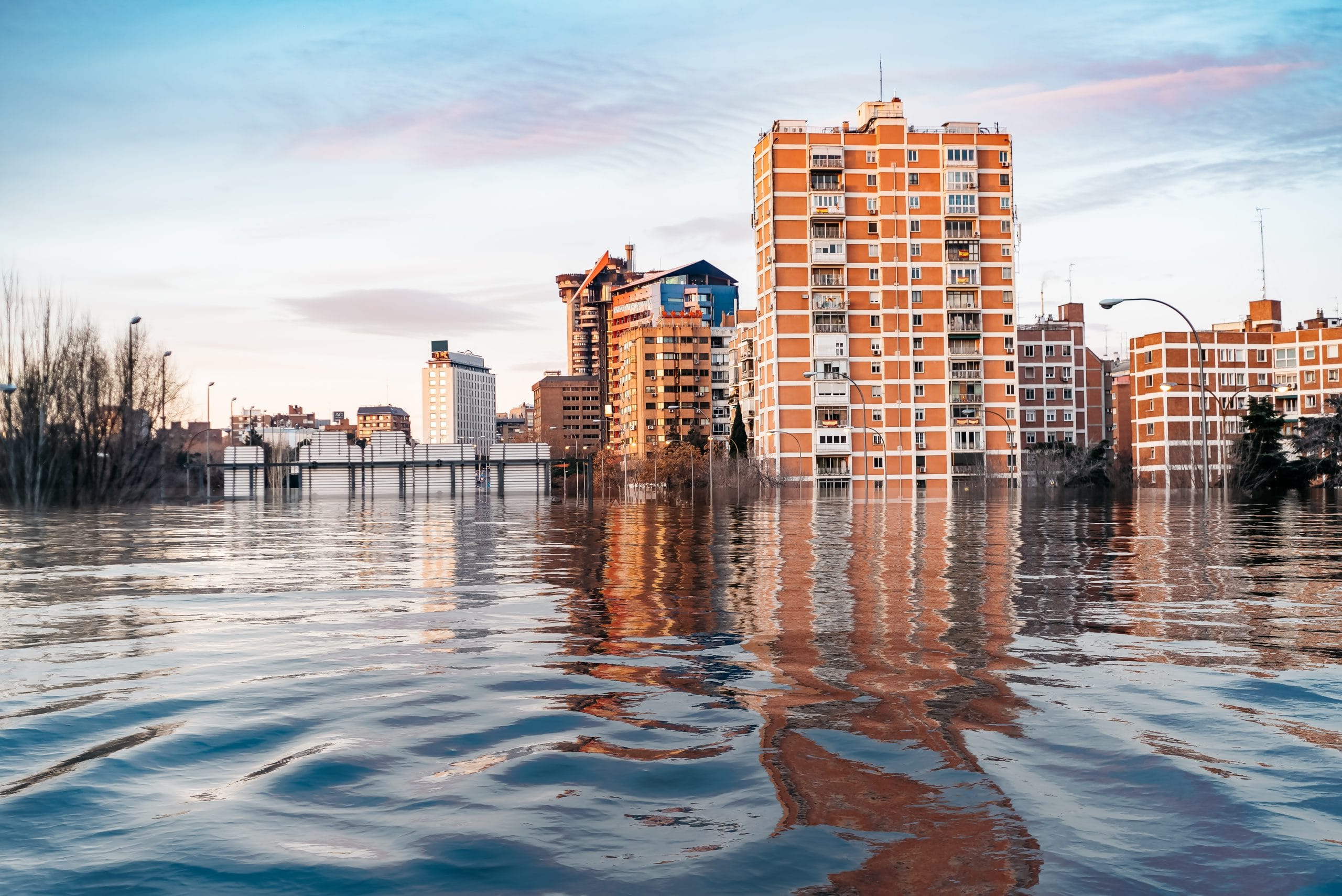


For generations, commercial real estate investors have evaluated properties by looking at familiar factors such as location, tenant demand, traffic patterns, neighborhood growth, building condition and the potential for future redevelopment. Flood risk was certainly part of the conversation in some markets, particularly coastal communities, but it was often treated as one item on a long due diligence checklist.
That approach is becoming harder to justify.
Flood risk is increasingly capable of influencing the economics of a commercial property long before water ever enters the building. Insurance availability, premiums, deductibles, lender requirements, construction decisions, tenant expectations and future resale prospects can all be affected by how exposed a property is perceived to be.
The result is a change in how commercial real estate owners, buyers and entrepreneurs have to think about location. A property may occupy an excellent corner, sit near a growing population center and generate strong revenue, yet still carry an increasingly important question: What will it cost to own, protect and operate this building over the next decade?
Commercial property has always involved risk. Roofs fail, tenants leave, neighborhoods change and operating expenses increase. Flood risk is different because it can affect several parts of the property simultaneously.
A major flood can damage the physical structure, electrical systems, inventory, equipment and tenant improvements. It can also prevent employees and customers from reaching the property even when the building itself suffers relatively little damage.
But investors do not have to experience a catastrophic event before flood exposure becomes expensive.
Insurance companies price risk before a loss occurs. Lenders evaluate collateral before making a loan. Buyers examine potential expenses before submitting an offer. Tenants compare locations before signing long term leases.
That means expectations about future flood exposure can become part of a property’s financial performance today.
Research published by JLL has highlighted the growing effect that severe weather and other climate related risks are having on commercial property insurance expenses. The issue is particularly important for owners because insurance is not an optional operating consideration for most substantial commercial properties.
When insurance expenses rise significantly, the effect does not stop with the insurance bill. Higher property expenses can reduce net operating income, which in turn can influence how investors value an income producing property.
Flood risk, therefore, is gradually moving from the engineering department to the financial model.
One of the traditional ways to evaluate flood exposure has been to determine whether a property falls within a designated flood zone. That remains important, particularly because official flood designations can affect building requirements and insurance obligations.
Yet sophisticated property buyers increasingly have reasons to look beyond a simple yes or no flood zone determination.
Flooding does not always respect the boundaries people expect. Intense rainfall, overwhelmed stormwater systems, nearby development, drainage changes, rivers, coastal surge and differences in property elevation can produce very different outcomes for buildings located relatively close to one another.
At the same time, flood mapping itself continues to change. FEMA regularly updates flood hazard information, including flood elevations, hazard area boundaries and flood zone designations.
That creates an important lesson for commercial property owners: a flood designation should not necessarily be viewed as a permanent characteristic of the property.
A building purchased outside a particular high risk designation today could face different mapping, insurance or development considerations in the future. Conversely, physical improvements to a property or surrounding infrastructure may alter how certain risks are managed.
For buyers conducting due diligence, this creates a reason to investigate the actual property rather than relying exclusively on a box checked on an old property report.
Technology is also giving commercial real estate professionals access to more detailed information about individual properties.
Companies such as First Street have helped popularize property level climate and environmental risk modeling. The broader trend matters because investors increasingly have access to information that goes beyond traditional municipal maps.
A buyer evaluating a warehouse, apartment property, shopping center or office building can potentially examine elevation, surrounding terrain, historical flooding, drainage characteristics and projected exposure alongside the standard financial information.
That can change negotiations.
Imagine two similar commercial buildings generating comparable income. One has elevated mechanical equipment, improved drainage, flood barriers and a history of remaining operational during severe storms. The other has electrical equipment near ground level, vulnerable access points and a parking area that repeatedly collects water.
Those buildings may look similar on a traditional rent roll.
They do not necessarily represent the same investment risk.
This is where flood resilience may begin to influence commercial property value more directly. Buyers can assign a financial value to physical improvements that reduce potential disruption, while properties requiring substantial mitigation may face additional scrutiny.
Insurance has become one of the clearest ways environmental risk enters a commercial real estate spreadsheet.
A building can have attractive rents and strong occupancy, but unexpectedly high insurance expenses can materially change projected returns. Larger deductibles can also shift more potential losses directly to the property owner.
Commercial owners should therefore be cautious about evaluating an acquisition using the seller’s historical insurance expenses alone.
The better question is what coverage will cost the new owner.
Insurance companies can evaluate risk differently, policy terms can change, and the cost of coverage available to a buyer may not resemble what the seller paid several years earlier.
Flood insurance deserves particular attention because standard commercial property insurance does not necessarily provide the flood protection an owner assumes it does.
The federal National Flood Insurance Program provides coverage options for qualifying commercial properties in participating communities, but coverage limits and policy terms can leave owners of higher value commercial assets needing additional private insurance protection.
For a business owner purchasing a building for company operations, that difference can be substantial. The building itself may be worth several million dollars, while specialized machinery, inventory and improvements can represent millions more.
Insurance should consequently be examined as part of the acquisition economics rather than treated as paperwork to complete shortly before closing.
Flood exposure is not solely a landlord problem.
Commercial tenants may have significant investments inside a leased property. Restaurants purchase kitchen equipment. Medical practices install specialized systems. Manufacturers operate expensive machinery. Retailers maintain inventory. Technology companies depend on communications infrastructure and uninterrupted power.
Even when a landlord repairs structural damage, the tenant may suffer substantial losses from interrupted operations.
That makes resilience increasingly relevant during the site selection process.
A sophisticated tenant evaluating several properties may ask about historical flooding, drainage, emergency power, building access, insurance requirements and who is responsible for repairs following a major event.
Lease negotiations can become especially important.
Landlords and tenants need to understand responsibility for damaged improvements, restoration obligations, insurance proceeds, rent abatement and circumstances under which either party may terminate a lease following extensive property damage.
These provisions can seem remote when everyone is excited about opening a new location. They become extremely important after a major loss.
For entrepreneurs leasing their first commercial space, reviewing these issues before signing a long term lease can prevent an unpleasant discovery later.
The rise of logistics and distribution real estate has added another dimension to flood risk.
A warehouse does not necessarily need several feet of water inside the building to experience a serious business interruption. Flooded access roads, loading areas or surrounding transportation routes can stop trucks from entering or leaving the property.
That matters because modern supply chains frequently depend on tightly coordinated deliveries.
A distribution center that becomes inaccessible can create problems far beyond the building itself. Customers may be waiting for inventory, retailers may be expecting deliveries and manufacturers may be depending on components stored at the facility.
Industrial property buyers may therefore need to evaluate the surrounding transportation network as carefully as the building.
Is there one road into the industrial park or several?
Does the loading area sit below surrounding grades?
Where is critical electrical equipment located?
Can delivery vehicles access the building after heavy rainfall?
Those questions convert flood resilience from a property maintenance concern into a business continuity issue.
New construction provides developers with opportunities that owners of older commercial buildings may not have.
A developer can reconsider where mechanical equipment is located, adjust finished floor elevations, improve drainage, protect entrances and select materials with potential water exposure in mind.
Parking configuration can also play a role. In some projects, developers may conclude that certain lower areas are better suited for uses that can recover more quickly from occasional water exposure rather than placing expensive infrastructure in those locations.
These decisions have costs, but resilience investments may eventually become part of how commercial properties compete.
The same principle already exists elsewhere in real estate. Buyers routinely place value on newer roofs, modern HVAC equipment, energy efficient systems and updated electrical infrastructure because those improvements can reduce future expenses.
Flood resistant design may increasingly join that list.
A resilient building can potentially offer more predictable operating costs, fewer interruptions and a stronger story when the owner eventually markets the property for sale.
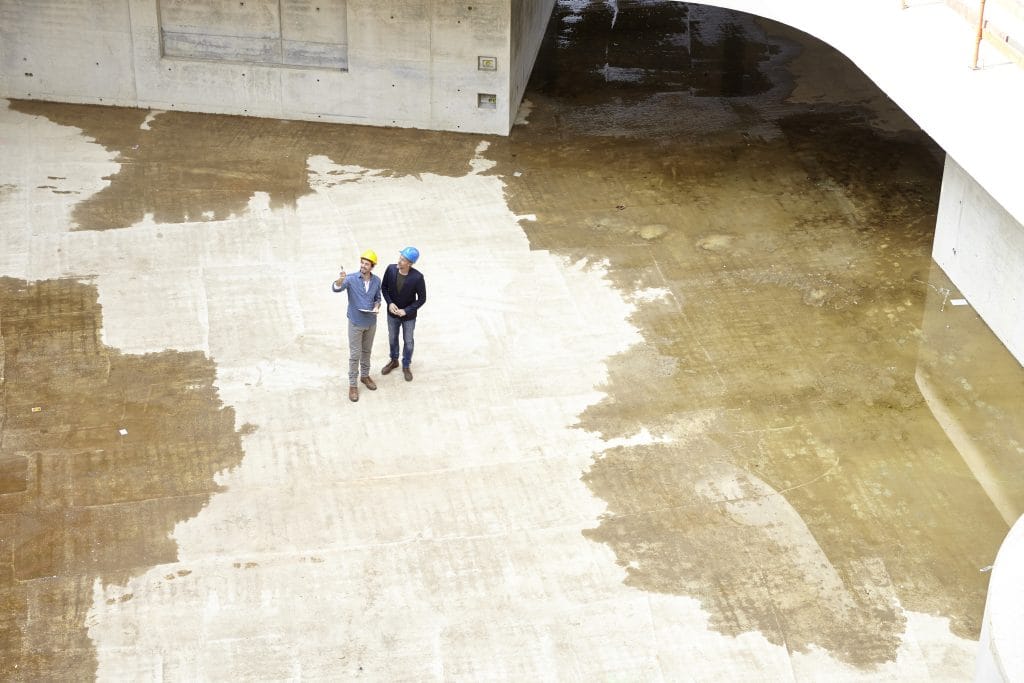
The growing focus on flood risk does not mean every older property in a vulnerable area becomes undesirable.
In fact, it may create opportunities for investors willing to understand the physical property better than competing buyers.
Commercial real estate frequently rewards owners who identify problems that can be corrected economically.
A property with drainage problems, vulnerable equipment or poorly protected openings might be discounted because buyers perceive substantial risk. If an experienced investor determines that targeted improvements can materially reduce that exposure, the property could become more attractive.
The distinction is between manageable risk and misunderstood risk.
An investor who automatically rejects every property carrying some flood exposure may miss good opportunities. An investor who ignores flood exposure completely may underestimate future expenses.
Successful real estate investing often falls between those extremes.
The objective is to identify the risk, estimate the potential financial consequences and determine whether the purchase price adequately reflects them.
Flood risk is equally important for entrepreneurs who are buying commercial property primarily to operate their own businesses.
Owner occupants sometimes evaluate real estate differently from professional investors. Their attention naturally goes toward whether the building works for the company. Is there enough space? Is the location convenient? Can customers find it? Is there room to expand?
Those questions matter, but the business owner is also becoming a real estate investor the moment the company purchases the building.
A property that becomes difficult or expensive to insure can affect company overhead. A location vulnerable to repeated disruptions can interfere with revenue. Expensive remediation requirements can consume capital that otherwise would have been used to expand the business.
Entrepreneurs should therefore separate two questions during the acquisition process.
First, is this a good location for the business?
Second, is this a good piece of real estate to own?
The answers are not always identical.
Commercial real estate markets eventually develop ways to price recurring problems.
Properties with obsolete systems require discounts or renovation. Buildings with poor energy performance can carry higher operating costs. Locations with limited parking may command different rents from otherwise comparable buildings.
Flood resilience may increasingly become another distinguishing characteristic.
Owners who can document building improvements, drainage work, protective systems and other mitigation efforts may have a stronger position when dealing with prospective buyers, tenants, insurers and lenders.
Documentation itself matters.
If an owner spends substantial money improving drainage or relocating vulnerable equipment, maintaining records of that work can help future parties understand what changed. Engineering reports, permits, photographs and maintenance records can turn an invisible improvement into something a buyer can actually evaluate.
This creates a broader business lesson.
Risk management does not always produce an immediate increase in revenue. Sometimes its value comes from making revenue, operations and property ownership more predictable.
That predictability can be valuable in commercial real estate.
Flood risk is changing commercial real estate because its financial consequences are becoming harder to separate from the property itself.
Owners and investors increasingly have to consider more than whether a building has flooded before or whether it sits inside a particular mapped zone. Insurance costs, drainage, access, building design, tenant operations, infrastructure and future property marketability can all become part of the analysis.
For entrepreneurs, the issue is especially important because commercial real estate often represents one of the largest investments a business will ever make. A building is not simply an address. It can become collateral, an operating expense, a long term asset and eventually part of the owner’s exit strategy.
The commercial properties that perform best over the coming decades may not simply be the ones in the most popular neighborhoods or with the newest finishes. They may also be the properties whose owners understood their vulnerabilities early and made practical decisions about how to manage them.
Flood risk does not automatically make a commercial property a bad investment. Ignoring flood risk, however, can make it much harder to know whether the investment is actually as good as it appears.