
Commercial landscaping was once viewed primarily as a maintenance service. Property owners hired contractors to mow lawns, trim hedges, remove weeds, and keep outdoor areas presentable. Although those responsibilities remain…
Read More...





Equipment rental has become an important part of how homeowners, contractors, and business owners complete projects without committing large amounts of money to machinery they may not need over the long term. From floor sanders and concrete saws to excavators, aerial lifts, and compact loaders, rented equipment gives people access to specialized capabilities while limiting the financial burden of ownership.
The advertised rental rate, however, rarely represents the entire cost. Transportation, fuel, insurance, damage protection, cleaning charges, late fees, operator time, and project delays can substantially change the final amount. A machine that appears inexpensive by the day may become costly when it sits unused, arrives late, requires an unfamiliar attachment, or cannot be returned during the agreed rental period.
For homeowners, the central question is usually whether renting will make a do it yourself project less expensive than hiring a professional. Contractors face a different calculation. They must determine whether equipment rental will support profitability, protect cash flow, and keep projects moving without creating scheduling problems or unnecessary expenses.
Many pieces of equipment are too expensive, too large, or too specialized for occasional users to own. A homeowner may need a stump grinder for one weekend, but purchasing and storing one would make little financial sense. A contractor may need a particular type of lift for a single project even though the company does not regularly use that model during its normal operations.
Rental businesses make these transactions possible by spreading the purchase price of equipment across many customers and projects. Large providers such as United Rentals, Sunbelt Rentals, and Herc Rentals offer broad categories of construction and industrial equipment. Retail focused providers such as The Home Depot make smaller tools, trucks, and selected heavy equipment accessible to homeowners and local contractors.
The appeal extends beyond avoiding the purchase price. Rental customers may gain access to newer models, different machine sizes, specialized attachments, and equipment maintained by a professional fleet operator. Renting can also remove the need to find permanent storage for machinery that may spend most of the year unused.
These advantages explain why the rental decision is not simply about whether a person has enough money to buy a machine. It is about how frequently the equipment will be used, how quickly it may become outdated, how difficult it is to maintain, and whether ownership would produce a reasonable financial return.
Equipment rental pricing is commonly presented through hourly, daily, weekly, or monthly rates. The lowest visible number can attract attention, but customers should evaluate the complete transaction rather than focusing only on the base charge.
Delivery and pickup can be major expenses, particularly when renting heavy machinery. A small tool may fit inside a vehicle, while a skid steer, scissor lift, or excavator may require a trailer and a properly rated towing vehicle. When the renter cannot transport the equipment safely, the rental company may charge for delivery in both directions.
Fuel policies also matter. Equipment is generally expected to be returned with an agreed amount of fuel. A customer who returns a machine without refueling may pay a rate that is higher than the price at a nearby gas station. Diesel powered equipment can consume a meaningful amount of fuel during extended operation, so fuel should be included in the project estimate from the beginning.
Additional charges may involve environmental fees, taxes, damage waivers, cleaning, excessive wear, missing accessories, or overtime. Attachments are another potential expense. A compact loader may have one rental rate, while the bucket, auger, trencher, breaker, or grapple required for the job carries a separate charge.
A useful cost comparison should therefore consider the total amount required to receive, operate, and return the equipment. Comparing only the daily rate can create a misleading impression of affordability.
Homeowners often rent equipment because it makes a difficult project appear manageable. A pressure washer, tile saw, aerator, drain cleaner, floor sander, or post hole auger can reduce physical labor and shorten the amount of time required to complete a task.
The financial value depends heavily on preparation. Rental time should begin when the project is ready for the machine, not when the customer is still purchasing supplies, clearing furniture, marking utility lines, or watching instructional videos. Every hour spent preparing after pickup reduces the value of the rental period.
Consider a homeowner who rents a floor sander but discovers that several rooms still contain furniture and old carpet staples. The equipment may sit unused while rental time continues. A more organized homeowner would remove the furniture, inspect the floor, purchase sanding materials, and confirm the electrical requirements before collecting the machine.
Skill level also affects the true cost. Some tools are relatively straightforward, while others can damage property or create a serious safety risk when handled incorrectly. A poorly operated floor sander can damage hardwood. An incorrectly used trencher can strike irrigation lines, communication cables, or other underground systems. A pressure washer can damage siding, wood, screens, or painted surfaces.
A homeowner should compare the rental cost with the cost of hiring someone who already owns the equipment and knows how to use it. The professional estimate may initially appear higher, but it could include labor, transportation, setup, cleanup, and responsibility for correcting mistakes. Renting makes the most financial sense when the customer has the time, ability, and project knowledge needed to complete the work properly.
For contractors, equipment is tied directly to production and revenue. A contractor may rent a machine because owned equipment is already assigned to another project, because a job requires a specialized model, or because the company wants to test demand before purchasing another unit.
The rental expense must be incorporated into the project estimate. Contractors that treat equipment as a general overhead cost may underprice jobs that require unusually expensive machinery. A more accurate proposal can identify equipment categories, expected rental duration, delivery expenses, fuel consumption, and attachments associated with the work.
Scheduling is particularly important. When a machine is delivered before the site is ready, the contractor pays for idle time. When it arrives late, labor may sit unproductive. When another trade blocks access to the work area, the rental period may need to be extended. Those problems can turn an otherwise profitable project into a disappointing one.
Contractors should also consider utilization. Purchasing equipment may make sense when the company can keep it productive across many jobs. When utilization is uncertain, equipment rental can provide flexibility without tying up capital in a machine that spends long periods parked in a yard.
Rental history can also supply useful purchasing data. A contractor that repeatedly rents the same type of equipment can review how often it was used, how much revenue it supported, and how much was spent on rental charges. That information can help management decide when continued renting is more expensive than ownership.
Choosing the correct rental period can be as important as selecting the machine. A customer who automatically chooses a daily rate may spend more than necessary when the project lasts several days. Weekly and monthly pricing may offer a lower effective cost when equipment is needed for an extended period.
The cheapest rate is not always the best choice. Contractors sometimes keep equipment longer than necessary because a weekly rate appears attractive. When the machine is no longer generating revenue, the business is still paying for an idle asset. A discounted weekly rate does not create value when the equipment is sitting unused.
Homeowners face a similar issue. A weekend project may appear suitable for a one day rental, but limited operating hours, weather interruptions, or the need to learn the machine can make a slightly longer period more practical. Returning equipment under pressure can lead to rushed work, property damage, or late fees.
The best rental period includes a realistic allowance for setup, operation, interruptions, cleaning, and return. Customers should ask how rental time is calculated, what happens when the return location is closed, and whether an extension can be arranged without creating a new reservation.
The rent versus buy decision depends on more than the number of times a machine will be used. Ownership includes depreciation, maintenance, repairs, insurance, registration where applicable, transportation, storage, security, and administrative oversight.
A machine can lose value even when it is not being operated. Tires, batteries, hoses, seals, and fluids may deteriorate during storage. Technology also changes. Newer equipment may offer improved fuel efficiency, better controls, enhanced safety features, or compatibility with attachments that older models cannot support.
Buying may still be the better decision when equipment is central to the companys daily services. Ownership gives the contractor direct control over availability and may reduce the risk that the required model is unavailable during a busy period. It may also allow the company to respond quickly to customer needs without waiting for a rental delivery.
Rental is often stronger when demand is irregular, project requirements change frequently, or the equipment is highly specialized. It can also help a growing contractor avoid purchasing too much machinery before the company has enough work to support it.
Rather than adopting a rule that renting or buying is always superior, successful businesses evaluate equipment individually. A contractor may own frequently used loaders and trailers while renting cranes, aerial lifts, generators, or specialized attachments as projects require them.
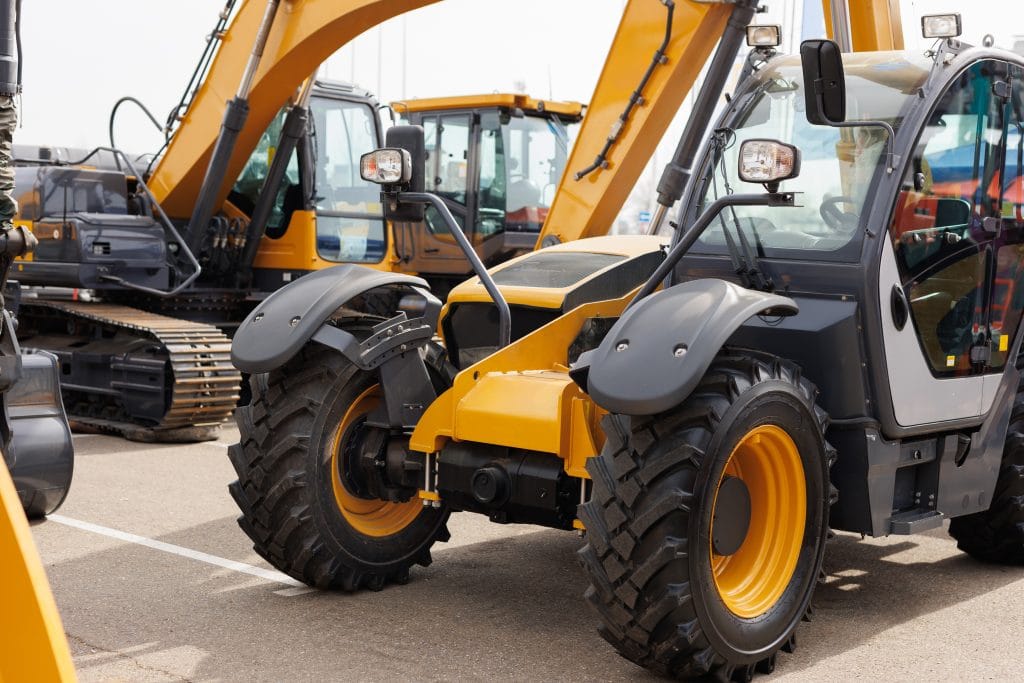
A low rental rate provides little value when equipment is unreliable or poorly matched to the project. Contractors should consider the financial consequences of downtime, including inactive labor, missed deadlines, rescheduling, and customer dissatisfaction.
The renter should inspect equipment at pickup or delivery and document its condition. Existing damage, fluid levels, tire condition, attachments, controls, and safety features should be reviewed before operation. Photos or videos can help establish the equipments condition at the start of the rental.
Customers should also ask what support is available when the machine fails. A rental company that can quickly repair or replace equipment may offer better overall value than a provider with a slightly lower rate but limited service capacity.
For contractors, the cost of a delayed crew can quickly exceed the difference between two rental quotes. Reliability, location, availability, replacement response, and account support should be considered alongside price.
Equipment rental is also an attractive business sector for entrepreneurs. Construction companies, landscapers, property managers, restoration firms, event operators, and homeowners regularly need temporary access to machinery and tools.
A new rental business does not necessarily need to compete with national companies across every equipment category. A focused local operation may specialize in landscaping tools, trailers, compact construction equipment, cleaning machines, event equipment, portable power, or tools serving a particular trade.
The opportunity comes with significant operational demands. Rental businesses must purchase assets, maintain them, track reservations, inspect returns, manage damage disputes, collect deposits, control theft, arrange transportation, and keep equipment productive. Profitability depends on utilization, not simply the size of the fleet.
An entrepreneur who purchases too much equipment too quickly may create a yard filled with depreciating assets. A more disciplined strategy starts with local demand. Conversations with contractors, property managers, homeowners, and service businesses can reveal which machines are difficult to find, frequently unavailable, or poorly supported by existing providers.
Customer service can become an important differentiator. Accurate availability information, clean equipment, clear pricing, convenient delivery, practical operating instructions, and responsive support can build repeat business. In local markets, contractors often value a dependable rental relationship because equipment problems can affect every part of a project.
Customers can reduce rental disputes by reading the agreement before accepting the equipment. Return times, fuel requirements, cleaning expectations, prohibited uses, transportation restrictions, damage responsibility, and extension procedures should be understood in advance.
The operator should be clearly identified. Allowing an untrained employee, friend, neighbor, or subcontractor to use rented equipment can create additional risk. Contractors should confirm that operators have the proper experience and that the use of the machine complies with jobsite rules and applicable licensing requirements.
Equipment should also be secured when unattended. Tools, trailers, generators, and compact machines can be attractive theft targets. The renter may remain financially responsible even when equipment is stolen from a jobsite. Locks, controlled access, tracking devices, lighting, and secure overnight storage can be worth the added effort.
Returning the equipment in the agreed condition is equally important. Cleaning the machine, removing personal materials, refueling it, collecting attachments, and documenting the return can help prevent avoidable charges.
Equipment rental gives homeowners access to tools they may only need once and gives contractors the flexibility to take on projects without purchasing every machine their work might require. Its value, however, cannot be measured by the advertised rate alone.
Transportation, fuel, attachments, timing, labor productivity, operator skill, downtime, and return requirements all shape the actual cost. Homeowners should compare renting with the complete price and risk of professional service. Contractors should connect equipment expenses to project revenue, utilization, scheduling, and long term purchasing decisions.
For entrepreneurs, the industry presents opportunities to serve local markets with specialized inventory and dependable support. The strongest rental decisions, whether made by a customer or a business owner, come from understanding how equipment creates value rather than simply searching for the lowest daily price.