
Commercial landscaping was once viewed primarily as a maintenance service. Property owners hired contractors to mow lawns, trim hedges, remove weeds, and keep outdoor areas presentable. Although those responsibilities remain…
Read More...


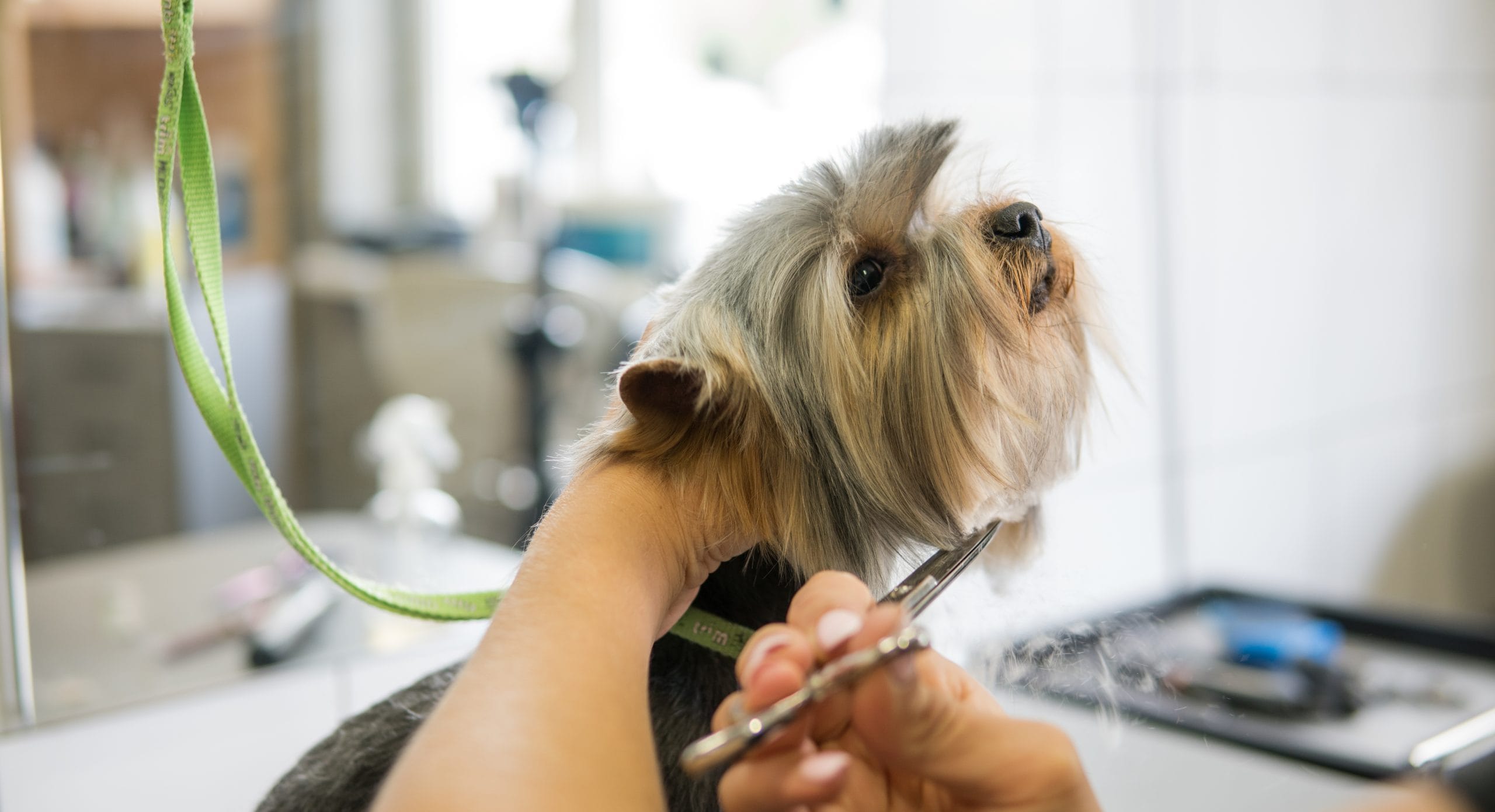


Pet owners routinely pay extra for products and services that make caring for their animals easier. Premium food, specialized veterinary care, pet insurance, daycare, training, boarding, and grooming have become established parts of household spending. Within this growing service economy, Mobile Pet Grooming has created an especially interesting opportunity for entrepreneurs.
A mobile groomer does more than trim fur, wash a dog, or clip nails. The business brings a private grooming environment directly to the customer’s home. The pet owner avoids driving across town, waiting at a salon, rearranging a workday, or placing an anxious animal in a crowded setting. That combination of professional care, privacy, and convenience gives the service a strong basis for premium pricing.
The business model is not effortless. Vehicles are expensive, scheduling can become complicated, and experienced groomers are difficult to replace. Still, an operator who understands route density, customer retention, branding, and service quality can create a valuable local business with recurring revenue and considerable pricing power.
A traditional grooming appointment may occupy much more of a customer’s day than the service itself. The owner must prepare the pet, drive to the salon, complete the check-in process, return home or wait nearby, and later make another trip for pickup. A two-hour grooming service can easily create several hours of disruption.
Mobile grooming changes the calculation. The customer schedules an appointment, the grooming vehicle arrives at the residence, and the pet is returned to the front door when the service is finished. The owner may continue working, caring for children, handling household responsibilities, or participating in meetings while the grooming takes place.
That saved time has real economic value, particularly for professionals, business owners, older adults, households with multiple pets, and families with demanding schedules. Customers are not merely paying to avoid a drive. They are purchasing control over their day.
Premium service businesses often succeed when they eliminate an inconvenience that customers have accepted for years. Grocery delivery reduced the need to walk through a store. Mobile auto detailing eliminated time spent at a car wash. Concierge medical practices reduced waiting room frustration. Mobile pet grooming applies the same principle to animal care.
Convenience attracts pet owners, but the pet’s experience may be an even stronger selling point. Traditional grooming facilities can contain barking dogs, unfamiliar people, ringing telephones, dryers, cages, and constant movement. Some pets handle that environment without difficulty. Others become frightened, overstimulated, defensive, or physically exhausted.
A mobile grooming vehicle generally provides one-on-one attention in a smaller setting. The pet does not have to wait alongside several other animals, and the groomer can often complete the appointment without the interruptions found in a busy salon.
This format may appeal to owners of senior dogs, animals with mobility limitations, nervous pets, recently adopted animals, and breeds that require lengthy grooming sessions. It can also be valuable for customers who are uncomfortable leaving their pets at a facility for several hours.
Companies such as Zoomin Groomin position mobile service around individualized care and the convenience of bringing the grooming experience to the customer. The value proposition is emotional as well as practical. Pet owners can feel that their animal is receiving concentrated attention in a calmer environment.
When customers believe a service is safer, more comfortable, or less stressful for an animal they consider part of the family, pricing becomes less sensitive. The decision is no longer based solely on finding the least expensive bath or haircut. It becomes a choice about the pet’s comfort and the owner’s peace of mind.
Charging more does not automatically make a service premium. The customer must consistently see and feel the difference.
Professional appearance matters. A clean vehicle, polished branding, groomer uniforms, clear communication, reliable arrival windows, and simple payment options all influence the customer’s perception of value. Small operational details can either support the price or create doubt about it.
The appointment should also feel personalized. Groomers can maintain records covering preferred haircut length, shampoo sensitivity, skin conditions, behavioral concerns, nail requirements, previous services, and instructions from the owner. Remembering those details makes the customer feel known rather than processed.
Communication before and after the appointment adds another layer of value. Automated reminders can reduce missed appointments, while a post-service note can mention observations about the pet’s coat, ears, nails, skin, or behavior. Groomers should not present themselves as veterinarians, but thoughtful observations can demonstrate attentiveness and professionalism.
Premium pricing is accepted more readily when the business removes uncertainty. Customers want to know who is arriving, when the groomer will appear, what the service includes, how long it may take, and what they will be charged. A confusing booking process or inconsistent pricing can weaken an otherwise excellent operation.
A mobile pet grooming business may appear simple from the customer’s driveway, but the economics depend heavily on geography. Every minute spent driving is time that cannot be sold as grooming labor.
A groomer who completes six appointments within a compact group of neighborhoods may generate a healthy daily return. A groomer who completes the same number of appointments while crossing an entire metropolitan area may spend more on fuel, labor, maintenance, and vehicle depreciation while working a longer day.
This makes route density one of the most important concepts in Mobile Pet Grooming. Operators should resist accepting every appointment from every location merely because revenue is available. A distant customer can create hidden costs by placing the groomer far from the next appointment or forcing the business to leave a profitable service area.
Territory based scheduling can help. Certain neighborhoods can be served on designated days, allowing appointments to be grouped within a manageable radius. A groomer might serve one community on Mondays, another on Tuesdays, and a nearby cluster of subdivisions later in the week.
Modern scheduling platforms can assist with this process. MoeGo offers mobile grooming features involving appointments, maps, customer communication, and route focused scheduling. Technology does not replace operational judgment, but it can make geographic planning easier as the customer list grows.
Entrepreneurs should study revenue per route, not merely revenue per appointment. A slightly lower priced customer located near four other clients may be more profitable than a premium customer located 40 minutes outside the core service area.
The grooming vehicle is usually the largest investment in the business. It must support bathing, drying, trimming, cleaning, ventilation, water storage, electrical equipment, climate control, tools, and product inventory. The design affects the groomer’s productivity, physical comfort, and ability to provide a professional experience.
Specialized manufacturers such as Wag’n Tails build vehicles specifically for mobile pet care professionals. These units can range from compact vehicles for an individual groomer to larger configurations designed for multiple professionals.
The purchase price, financing, insurance, maintenance, fuel consumption, equipment replacement, and expected useful life should be studied carefully before the business opens. A vehicle payment may appear manageable until repairs, downtime, insurance, and routine maintenance are added.
At the same time, the vehicle is more than an expense. A professionally wrapped grooming van operates as a moving advertisement throughout the workday. It is seen in residential communities, parking areas, traffic, and customer driveways. Neighbors may notice the business repeatedly before deciding to schedule an appointment.
The strongest vehicle branding is easy to understand within seconds. The business name, mobile grooming service, phone number, website, and service area should be visible without overcrowding the design. Clever artwork can attract attention, but clarity should remain the priority.
A vehicle parked in the same neighborhood every few weeks also creates familiarity. Residents begin to recognize that other pet owners nearby use the service. That repeated visibility can provide social proof at a very low incremental marketing cost.
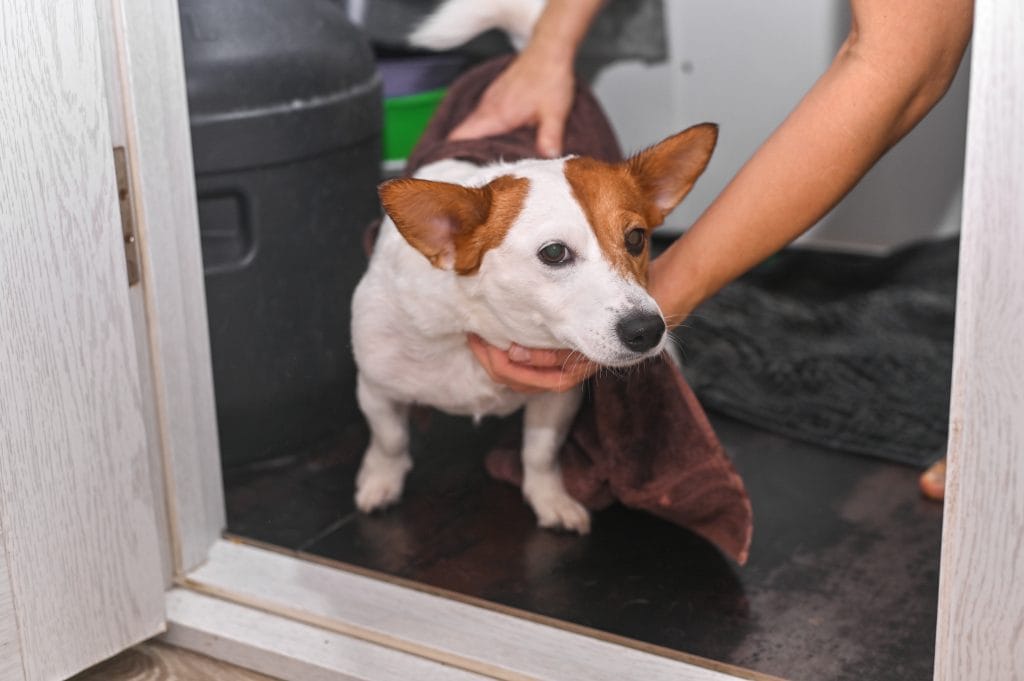
Many service businesses must repeatedly search for new customers. Mobile grooming has the potential to operate differently because pets require ongoing care.
Depending on the breed, coat, lifestyle, and owner preferences, a customer may schedule appointments every four, six, eight, or twelve weeks. The first successful appointment can therefore lead to several future transactions without the business paying to acquire the customer again.
Recurring appointments improve forecasting. The owner can estimate upcoming revenue, staffing requirements, product usage, and vehicle capacity with greater confidence. The schedule also becomes easier to organize geographically when established customers reserve future dates before the groomer leaves.
The most effective time to book the next appointment is immediately after the current service. Waiting for customers to remember several weeks later creates unnecessary gaps and gives competing groomers an opportunity to enter the relationship.
Membership plans or standing service schedules can strengthen retention, but they should remain easy to understand. A customer might receive priority scheduling, predictable appointment intervals, or bundled grooming services. The purpose is not to trap customers in complicated agreements. It is to make ongoing care simple.
Recurring customers also tend to become easier to serve. The groomer learns the pet’s behavior, coat condition, sensitivities, and preferences. The owner becomes familiar with the process. That relationship can improve appointment efficiency while increasing trust.
A common mistake is setting prices by copying nearby salons. A storefront and a mobile operation have different costs, service experiences, and capacity limitations. Mobile groomers should calculate pricing from their own economics.
Important considerations include appointment duration, breed, pet size, coat condition, behavior, service complexity, travel time, neighborhood density, operating expenses, vehicle costs, and local demand. A large double coated dog with substantial matting cannot be priced like a small, regularly maintained dog that requires a simple bath and trim.
Pricing policies should also address late cancellations, no shows, difficult coat conditions, additional handling time, and inaccurate information provided during booking. These policies should be communicated respectfully and applied consistently.
A minimum service charge can protect route profitability. Without one, a groomer may drive to a residence for a low priced standalone service that does not justify the travel time. Nail trimming can still be offered, but it may need to be combined with another service, scheduled during a neighborhood route, or priced at a mobile service minimum.
The goal is not to charge the highest possible amount to every customer. The goal is to establish pricing that supports quality work, fair compensation, vehicle replacement, reliable scheduling, and the long term health of the business.
Strong demand can tempt an owner to add vehicles and groomers quickly. Expansion, however, changes the nature of the operation.
A solo groomer controls service quality personally. Once employees or contractors are added, the owner must manage recruiting, training, scheduling, customer complaints, performance standards, vehicle care, payroll, and brand consistency. The business becomes a management company as much as a grooming operation.
Skilled groomers can be difficult to recruit, and technical ability alone is not enough. Mobile groomers work independently, enter residential properties, handle animals without constant supervision, communicate directly with customers, process payments, and represent the brand throughout the day.
Before adding another vehicle, the owner should have documented procedures for pet handling, customer communication, sanitation, equipment care, incident reporting, cancellations, pricing adjustments, and emergency situations. Growth without operational discipline can damage the reputation that created demand in the first place.
Expansion may still be highly attractive. A well managed fleet can serve multiple territories, increase brand visibility, and create a business that is less dependent on the owner’s personal grooming hours. The transition should occur because demand, systems, and leadership are ready, not merely because the schedule is full.
Mobile Pet Grooming commands premium prices because it solves several customer problems at once. It saves time, reduces transportation, offers individualized attention, and can provide a calmer experience for pets. Those advantages become even more valuable when the operator delivers dependable service, thoughtful communication, professional branding, and consistent care.
For entrepreneurs, the opportunity lies in building more than a grooming route. The stronger business is a recurring service platform supported by dense territories, disciplined pricing, customer records, local recognition, and operational systems that can eventually support additional groomers or vehicles.
The van may be mobile, but the most successful operators build deep roots within the neighborhoods they serve. When customers trust the groomer with an important member of their household and can rely on the business to return on schedule, the relationship becomes difficult for a lower priced competitor to replace.