
For many entrepreneurs, starting a company requires years of sacrifice, long working hours, financial risk, and personal commitment. Building the business can become such a consuming priority that relatively little…
Read More...


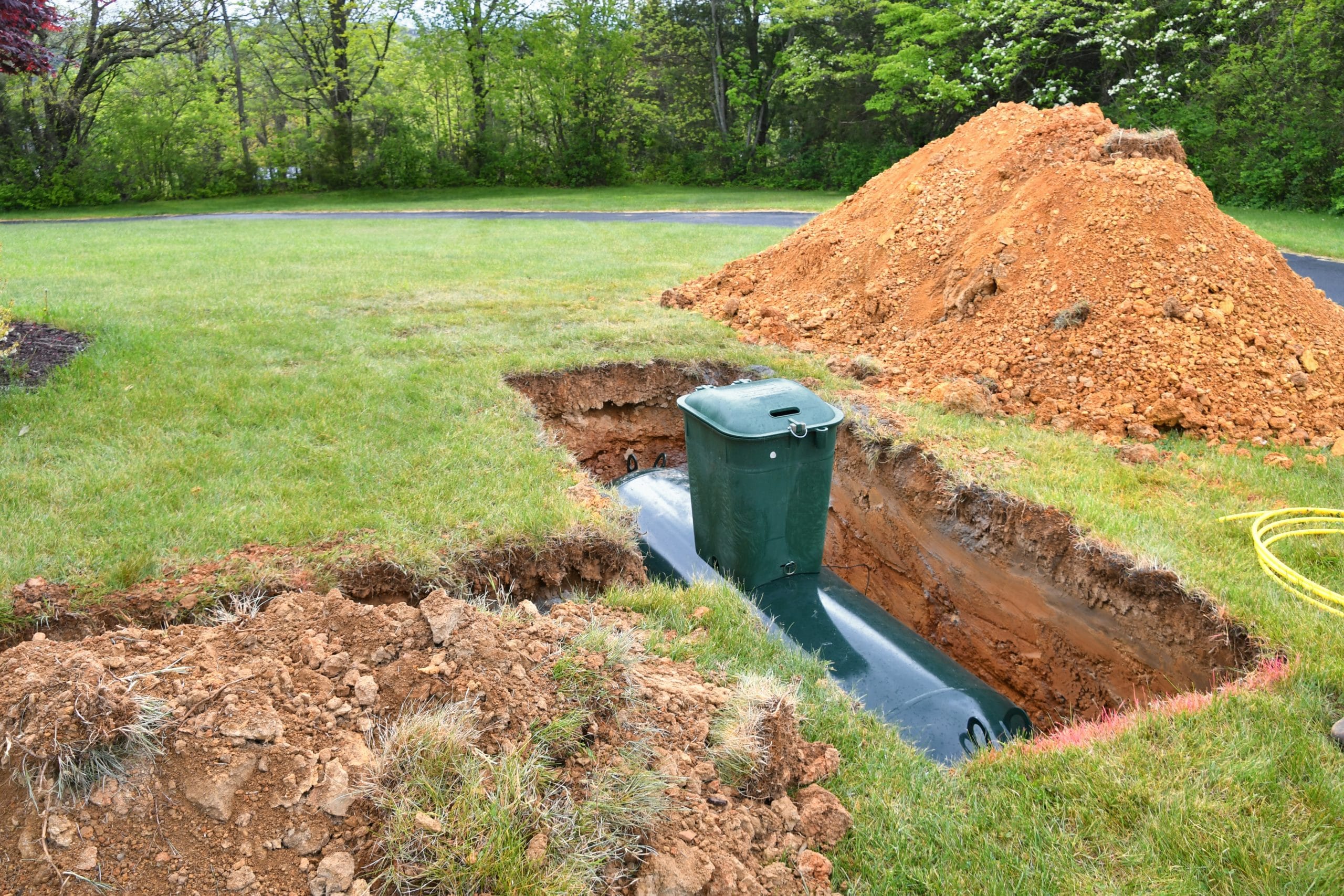


For many homeowners, septic systems are something they rarely think about until there is a problem. They are buried underground, operate largely out of sight, and can continue working for decades with appropriate maintenance. That relative invisibility has made the septic industry easy to overlook from a business perspective. Yet across the United States, millions of properties depend on private wastewater systems, and a significant portion of that infrastructure is getting older.
More than one in five U.S. households rely on individual septic systems or small community systems rather than centralized municipal sewer service, according to the U.S. Environmental Protection Agency. That represents an enormous installed base of tanks, drainfields, pumps, pipes, controls, and related components that require inspection, pumping, maintenance, repair, and eventually replacement.
For entrepreneurs and existing service businesses, aging septic systems represent something particularly attractive: demand created by infrastructure that cannot simply be ignored. A homeowner might postpone painting a house or replacing a kitchen countertop. A failing wastewater system is different. When drains stop working, wastewater surfaces in a yard, or sewage begins backing up into a home, the problem moves quickly from optional spending to necessary service.
The business opportunity surrounding septic systems begins with simple demographics. Homes constructed decades ago are still occupied, but many of their original infrastructure components are approaching or exceeding their expected service lives.
The U.S. Environmental Protection Agency notes that the lifespan of septic systems varies considerably based on design, materials, installation quality, operating conditions, and maintenance history. Concrete septic tanks can sometimes last 50 years or longer. Other parts of the system may require attention considerably sooner. Pumps and controls, for instance, can require replacement after years of continuous use, while drainfields can become less effective as soil conditions and biological material change over time.
That distinction matters because a septic system is not simply a tank buried in the ground. It is a collection of components working together. A property may have a perfectly serviceable tank while experiencing a failing pump, damaged distribution box, clogged line, deteriorated baffle, compromised lid, or exhausted drainfield.
This creates multiple categories of potential service demand rather than one replacement cycle. There is also no single moment when America’s septic infrastructure becomes old. Houses were constructed at different times, systems were replaced at different times, and maintenance histories vary widely. Consequently, businesses serving this market are dealing with an ongoing flow of aging equipment rather than a temporary surge that eventually disappears.
One of the strongest characteristics of the septic industry is that the business opportunity is not limited to emergencies and replacements. Septic systems require ongoing maintenance, and that creates the possibility of recurring customer relationships.
The EPA generally recommends that household septic systems receive periodic inspections and that tanks be pumped on a schedule based on household size, system design, wastewater usage, and other conditions. The exact service interval varies from property to property, but the broader business point remains the same. A customer who needs septic service today will likely need some type of septic service again in the future.
That creates an important difference between septic services and many other home improvement categories. Someone might replace a roof and not call the roofing company again for decades. Septic pumping, inspections, and related maintenance create the potential for repeat business. A company that maintains good customer records can know approximately when hundreds or thousands of previous customers are likely to need service again.
That customer history becomes valuable. Instead of continually spending money to find a completely new customer, an established operator can contact previous customers when they are approaching an expected service interval. Automated reminders, email notifications, text messages, inspection scheduling, and maintenance programs can turn what traditionally was a reactive service into something much more predictable.
Technology companies have already recognized the operational needs of this industry. ServiceTitan offers business software used by field service companies, including septic businesses, for scheduling, dispatching, customer management, estimates, invoicing, and other operational functions. The growing availability of specialized software shows how traditional service industries can become more organized, measurable, and scalable.
Routine pumping may be the most recognizable septic service, but aging infrastructure expands the potential customer relationship considerably. An older system may need diagnostic work. Cameras or other inspection methods may be used to identify problems. Components may need excavation and repair. Pumps and control systems may require replacement. Access risers may be installed. Distribution components can deteriorate. Drainfields may require repair or complete replacement.
That means the value of a customer can extend far beyond the initial pumping appointment. A company called to perform relatively routine maintenance may discover conditions requiring additional legitimate work. More importantly, detailed service records can help a company understand the condition and age of the systems it maintains.
A customer with a 30 year old septic system represents a different future service opportunity than a customer whose complete system was installed only a few years ago. Good operators can use that information responsibly. The objective should not be to frighten customers into unnecessary repairs. In a service category involving sanitation, property damage, and potentially expensive projects, credibility may actually be one of the most valuable competitive advantages a company can develop.
Businesses that clearly explain what they found, provide photographs when appropriate, document measurements, and distinguish immediate problems from future concerns can build relationships that last for years. Trust becomes especially important when customers cannot easily see or understand much of the equipment being discussed.
The septic industry also includes an unavoidable emergency component. Signs of a malfunctioning system can include slow drains, plumbing backups, gurgling, sewage odors, standing water near the tank or drainfield, and unusually green or saturated areas above the system. These are not problems most property owners want to leave unresolved.
For the service company, emergency demand can create opportunities for extended hours, weekend service, priority scheduling, and rapid response operations. But emergency work introduces operational challenges as well. A business promising fast response needs equipment availability, trained employees, reliable dispatching, and enough geographic density to prevent its vehicles from spending the majority of the day traveling between jobs.
This is where management becomes just as important as technical capability. A company can have excellent technicians and still struggle financially if routes are inefficient, trucks are poorly utilized, employees spend excessive time driving, invoices are not collected promptly, or equipment is constantly unavailable because maintenance was neglected.
Entrepreneurs considering septic services should therefore evaluate the business as both a skilled trade and a logistics operation. The quality of the service matters, but so does the ability to put the right technician, truck, and equipment at the right property at the right time.
Many service businesses operate from an office or storefront. Septic pumping businesses operate differently. The truck is effectively a mobile production asset.
A pumping vehicle travels to the customer, performs the revenue producing service, transports waste, and must ultimately discharge that material at an approved facility. Every hour that truck is unavailable can represent lost production. This gives equipment utilization a direct connection to revenue.
Routing matters. Fuel costs matter. Maintenance matters. Disposal arrangements matter. Driver availability matters. The number of completed jobs per day matters. A company purchasing additional equipment is not simply buying another vehicle. It is potentially adding another revenue producing unit to the operation.
That concept creates opportunities for businesses that become highly disciplined about measuring performance. Management can examine revenue per truck, revenue per technician, average service ticket, travel time between appointments, percentage of customers who schedule recurring service, equipment downtime, and customer acquisition costs. Those measurements may sound more like the metrics of a transportation company or manufacturing business, but they can be equally important in septic services.
Entrepreneurs interested in the growth of septic service demand do not necessarily have to start a pumping company from scratch. The broader industry contains numerous specialized opportunities.
Inspection services can become particularly relevant where septic inspections are common during real estate transactions. Excavation businesses may develop specialized expertise in system installations and replacements. Plumbing businesses can expand into related wastewater services. Environmental companies may participate in more complex onsite wastewater projects. Equipment maintenance providers can service pumps, controls, and specialized vehicles.
There are also opportunities behind the operators themselves. Growing septic businesses need software, marketing, recruitment, accounting, financing, equipment repair, fleet management, customer communication, safety training, and other professional services.
An entrepreneur does not always need to be the company pumping the tank to benefit from expansion in the septic industry. This is an important principle when looking at almost any industry trend. Sometimes the better business opportunity exists one step removed from the obvious service.
Septic systems also intersect with real estate. When a property served by a septic system is sold, the condition of that system can become an important issue for buyers, sellers, real estate professionals, lenders, inspectors, and local authorities.
A buyer purchasing a house may know the age of the roof, HVAC system, and water heater but have limited information regarding the wastewater infrastructure buried in the yard. That creates demand for records, inspections, system location services, evaluations, and sometimes repairs before or after closing.
For a septic company, relationships with home inspectors, real estate agents, property managers, plumbers, builders, and excavation contractors can therefore become meaningful sources of referrals. This type of referral network can be more valuable than simply competing for internet searches such as septic company near me.
Businesses that become trusted participants in their local property ecosystem may receive calls before an emergency ever occurs. A real estate agent who has confidence in a septic company can become a repeat source of introductions, while a property manager may generate service opportunities across multiple homes or buildings.
Septic work is not an industry where someone should simply purchase equipment and begin operating. Licensing, wastewater handling, environmental requirements, disposal procedures, installation standards, inspections, and permitting can vary significantly by state and local jurisdiction.
Those requirements create barriers to entry, but barriers are not necessarily negative for established operators. Industries requiring specialized knowledge, licensing, equipment, and compliance may face less casual competition than businesses that can be started with minimal training and virtually no capital.
The regulatory component also creates a reason for customers to select qualified professionals rather than treating septic work as an ordinary do it yourself project. For entrepreneurs evaluating the industry, understanding local rules should be part of the earliest research.
The attractive market is not simply the place with the largest population. It may be the area with significant septic density, older housing, manageable disposal access, favorable routing characteristics, and enough demand to support specialized crews.
One challenge in septic services is that many homeowners know relatively little about the system serving their property. That knowledge gap creates an opportunity for useful marketing.
A company website can explain how septic systems work, what symptoms indicate potential trouble, when inspections may be appropriate, what happens during pumping, and why drainfield protection matters. Educational content does more than attract website visitors. It positions the company as a resource before the customer needs emergency assistance.
A homeowner who has read a company’s useful article about maintaining a drainfield may remember that business years later when it is time to schedule pumping. Companies can also maintain digital service histories for customers. A simple message saying that a previous pumping occurred several years ago and asking whether the property owner would like to schedule another inspection is far more useful than a generic advertisement.
The companies that organize this customer information today may have an increasingly valuable database tomorrow. Customer history can become one of the most important assets in a recurring service business, particularly when the business knows what equipment is at the property, when it was last serviced, and what issues were identified during previous visits.
A fragmented service industry can also create opportunities for acquisition. Many local trade businesses were built by owners who spent decades developing customer relationships but may eventually want to retire. A septic operation with equipment, employees, recurring customers, telephone numbers, online reviews, disposal relationships, and years of service records has assets that another operator may be able to expand.
For ambitious entrepreneurs, acquiring an existing company may sometimes make more sense than creating every capability from zero. A buyer could potentially acquire a strong local operator, introduce modern scheduling and customer management systems, improve marketing, expand recurring maintenance programs, add complementary services, and later purchase businesses in adjacent territories.
The challenge is that acquiring revenue is not the same as acquiring a well run business. Equipment condition, employee retention, environmental compliance, customer concentration, disposal costs, maintenance history, local reputation, and the accuracy of financial records all matter. The best acquisition opportunity may not necessarily be the business with the highest advertised revenue.
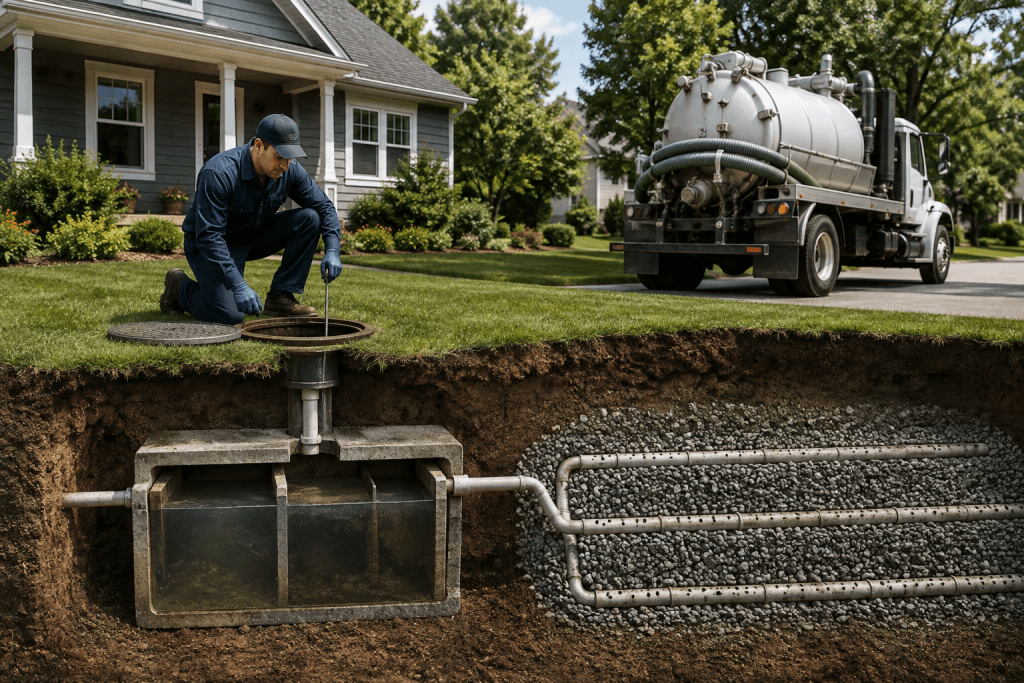
Some of the strongest business trends are not glamorous. There may never be widespread excitement about septic tanks, drainfields, pumping trucks, or wastewater inspections. That is precisely why the industry deserves attention from entrepreneurs.
Essential services often operate outside fashionable business conversations while quietly generating repeat demand. Septic systems have another characteristic that entrepreneurs should appreciate: the underlying customer need does not disappear because a new technology trend becomes popular. Homes outside municipal sewer networks still need a functioning method of treating wastewater.
As those systems age, the amount and complexity of work required to maintain them can increase. The opportunity belongs not only to companies performing emergency repairs. It also belongs to businesses that become better at maintenance scheduling, customer education, route management, inspections, documentation, equipment utilization, acquisitions, and recurring service relationships.
Aging septic systems illustrate how mature infrastructure can create new entrepreneurial opportunities. The industry has a substantial installed customer base, recurring maintenance requirements, expensive equipment, specialized technical needs, emergency demand, and opportunities for repair and replacement. It also sits at the intersection of home services, environmental management, real estate, construction, transportation, and property maintenance.
That combination leaves room for many different business models. Perhaps the most interesting opportunity is not simply that older systems eventually fail. It is that millions of systems require attention throughout their entire operating lives.
A business that establishes a customer relationship when a tank needs routine pumping may later perform inspections, repairs, component replacements, or larger projects. That same company may serve the property repeatedly for decades.
Entrepreneurs often search for entirely new industries when looking for growth opportunities. Sometimes the more durable opportunity is already underground, installed years ago, and gradually reaching the age when someone will have to maintain, repair, or replace it.