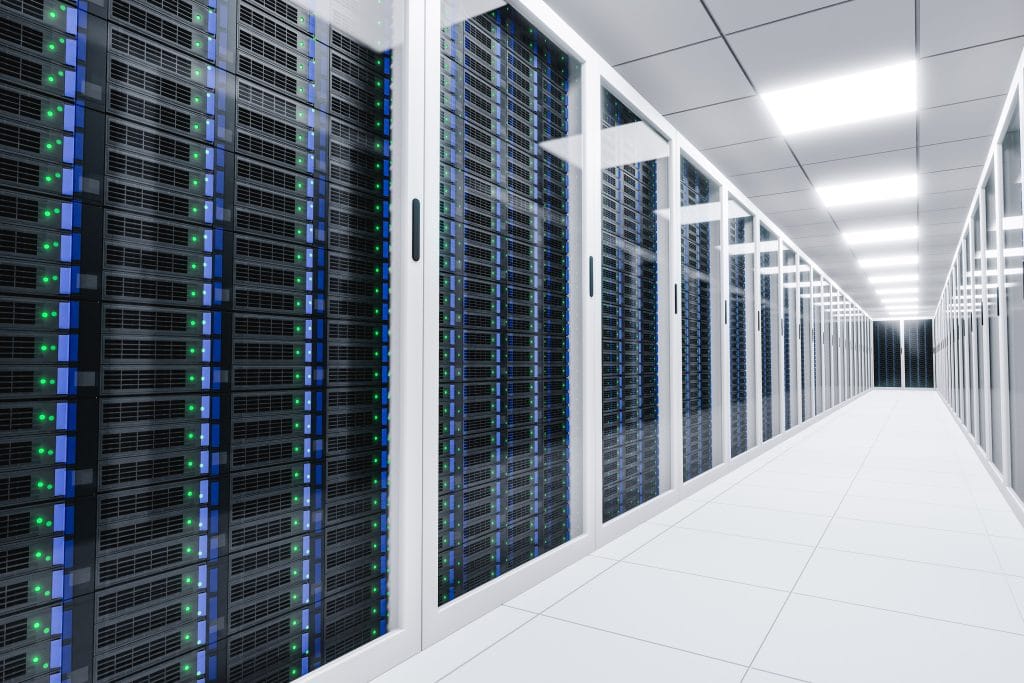
Every digital interaction relies on physical infrastructure that rarely gets public attention. Data Centers sit at the center of that infrastructure, drawing large and continuous amounts of electricity while supporting cloud computing, financial systems, streaming platforms, and enterprise software. Their impact on commercial power demand has grown steadily, often outpacing traditional assumptions about how electricity is consumed by businesses.
Unlike office buildings or retail properties, Data Centers operate without meaningful downtime. Power demand does not taper off in the evening or slow on weekends. Servers run continuously, cooling systems stay active, and redundancy systems remain on standby. This constant draw is reshaping how utilities plan capacity and how commercial energy markets evolve.
The Infrastructure Behind Always On Digital Services
From the outside, a Data Center may resemble a standard industrial facility. Inside, it functions more like a highly controlled electrical ecosystem. Rows of servers process massive volumes of data while precision cooling systems regulate temperature and humidity. Even minor disruptions can create cascading operational issues, which is why power reliability ranks as a top priority.
Companies such as Equinix and Digital Realty design facilities with multiple utility feeds, backup generation, and sophisticated monitoring systems. Electricity is not simply an operating cost. It is a foundational input that directly affects uptime, contractual obligations, and reputation.
Why Power Consumption Patterns Look Different
Most commercial properties follow predictable usage cycles. Offices ramp up during business hours. Retail spaces align with consumer traffic. Manufacturing facilities operate based on production schedules. Data Centers break this pattern entirely. Their electrical load remains flat and uninterrupted, creating a sustained baseline that utilities must support at all times.
This steady consumption changes grid dynamics. Instead of managing short term peaks, utilities must plan for long duration capacity commitments. Substation upgrades, transmission planning, and interconnection timelines increasingly account for the presence of Data Centers as anchor loads within a region.
Cloud Growth and Compounding Demand
The expansion of cloud computing has accelerated Data Center development worldwide. Enterprises continue migrating workloads away from onsite server rooms toward centralized platforms operated by companies such as Microsoft, Oracle, and IBM. Each migration increases reliance on facilities designed to handle massive scale.
New digital services rarely replace existing demand on a one to one basis. Instead, they add layers of compute, storage, and redundancy. Artificial intelligence models, real time analytics, and high availability applications all intensify power requirements. As these workloads stack, electricity consumption grows in a compounding manner rather than linearly.
Location Decisions Are Power Decisions
Where a Data Center gets built often comes down to power availability. Real estate cost and fiber connectivity remain important, but access to reliable electricity now dominates site selection. Regions with constrained grids or long interconnection queues risk losing investment to markets that can deliver capacity faster.
Utilities such as Dominion Energy have adjusted long range planning models as Data Center clusters expand. Power infrastructure has become a competitive asset for regions seeking economic growth tied to digital services.
Cooling Systems and the Energy Multiplier Effect
Electricity consumption in Data Centers extends well beyond servers. Cooling systems often represent a substantial share of total demand. As compute density increases, so does heat output, requiring more advanced thermal management strategies.
Technology providers like Schneider Electric and Vertiv have focused heavily on energy optimization and monitoring tools designed specifically for these environments. Even incremental efficiency gains can translate into meaningful cost savings when applied at scale.

Onsite Generation Moves From Backup to Core Infrastructure
As grid constraints tighten, Data Center operators increasingly look beyond traditional utility supply models. Onsite generation is evolving from an emergency backup solution into a strategic component of facility design. This shift reflects the need for resilience, cost predictability, and operational control.
Developers such as ClearCell Power operate within this emerging category by focusing on onsite generation and scalable microgrids that align with continuous load profiles. Fuel cells, battery storage, and integrated hydrogen systems allow facilities to support operations during grid disruptions while reducing reliance on diesel generators.
What stands out is not a single technology but a broader architectural change. Onsite power is increasingly treated as a permanent layer of infrastructure rather than a contingency measure. This approach alters how Data Centers interact with utilities and how their demand impacts surrounding commercial users.
Renewable Energy and Long Term Contracts
Data Centers also influence renewable energy markets through long duration power purchase agreements. Their predictable demand profile makes them attractive counterparties for solar and wind developers seeking stable revenue streams.
Organizations like Google Sustainability have demonstrated how direct procurement of clean energy can align operational needs with environmental commitments. These agreements help shape grid composition while supporting new generation projects.
Backup Systems and Grid Participation
Modern Data Centers often deploy advanced backup systems that include battery storage and alternative generation. In some markets, these systems allow facilities to participate in demand response programs, temporarily reducing grid load during stress events.
Companies such as Tesla Energy have contributed to this evolution by integrating large scale storage solutions into commercial environments. As participation grows, Data Centers increasingly function as active components of the energy ecosystem rather than passive consumers.
Implications for Other Commercial Users
The rise of Data Centers affects more than utilities and technology firms. Traditional commercial users face longer interconnection timelines, infrastructure cost sharing questions, and evolving rate structures in markets with heavy Data Center concentration.
Developers and business owners now evaluate power access with the same rigor applied to zoning or transportation. Early engagement with utilities and a clear understanding of local grid conditions have become essential planning steps.
Regulatory Attention Continues to Increase
As Data Center development accelerates, regulatory scrutiny follows. Policymakers examine how infrastructure costs are allocated and how large energy consumers influence regional planning decisions. These discussions shape future development patterns and investment strategies.
Operators increasingly recognize that long range growth depends on transparency and collaboration with communities, utilities, and regulators.
Final Thoughts
Data Centers are quietly redefining commercial power demand through constant consumption, advanced infrastructure strategies, and growing influence on grid planning. Their presence reshapes how electricity is generated, delivered, and priced. For business owners, developers, and policymakers, understanding this shift is central to navigating a commercial landscape where digital infrastructure drives physical reality.