
For many entrepreneurs, starting a company requires years of sacrifice, long working hours, financial risk, and personal commitment. Building the business can become such a consuming priority that relatively little…
Read More...


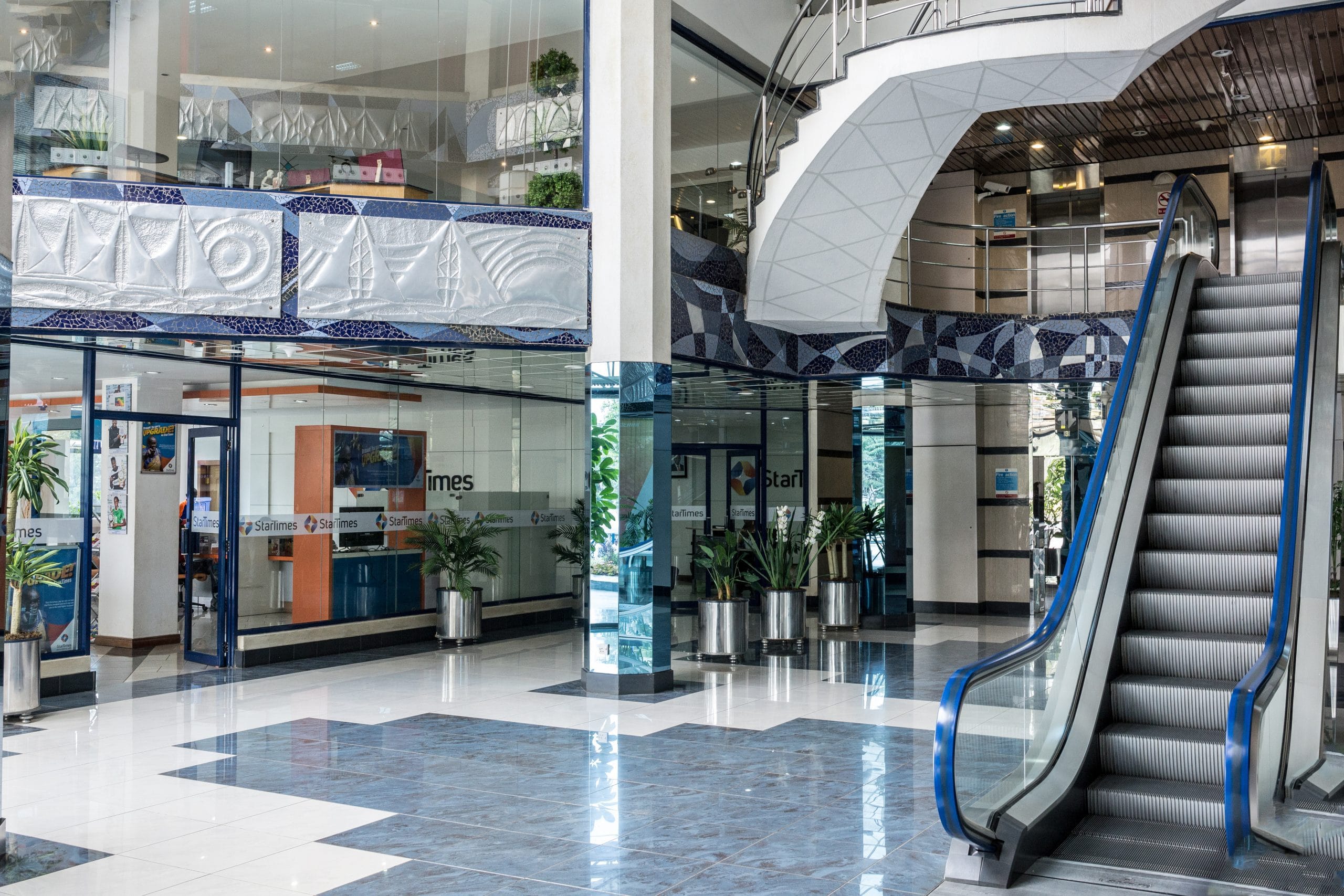


Once the centerpiece of suburban life, malls represented not just retail but a cultural hub where people gathered, shopped, and socialized. From the 1970s through the early 2000s, they were a dominant force in American consumer culture. However, the shift toward e-commerce, coupled with changes in shopping habits and oversaturation of retail space, has left thousands of malls across the United States either shuttered or struggling to survive. What were once bustling properties have become dead malls, large, vacant spaces with limited reuse potential in their original form.
Yet commercial real estate rarely stays idle for long. Entrepreneurs and investors are discovering that the bones of these properties are perfect for something entirely different: data centers and warehouses. This transformation reflects both a changing economy and the power of adaptive reuse in real estate.
Converting dead malls into data centers may not have been an obvious idea a decade ago, but today it is increasingly common. Data centers require large footprints, reliable infrastructure, and convenient access to utilities, characteristics that many defunct malls already possess.
Most malls sit on expansive parcels of land with significant parking lots, which can be repurposed for cooling systems, backup generators, and future expansion. They also often have strong connections to power grids and fiber optic networks, critical for data transmission. Some malls were originally built with substantial HVAC systems, giving developers a head start in creating climate controlled environments necessary for server operations.
Companies such as Aligned Data Centers and Digital Realty have invested in repurposing large buildings across the U.S. to meet the surging demand for cloud computing, artificial intelligence, and streaming services. Dead malls, with their massive square footage, provide an affordable and strategic way to expand capacity without starting from scratch on undeveloped land.
At the same time, the rapid growth of e-commerce has created a need for more warehousing and distribution facilities. Giants like Prologis, one of the largest logistics real estate firms in the world, are actively seeking out unconventional properties for last mile delivery solutions. Dead malls often occupy prime suburban or urban fringe locations that are close to major highways, making them ideal for distribution hubs.
Instead of being left to rot or demolished at high cost, many malls are now serving as fulfillment centers for retailers and logistics companies. With online ordering rising year after year, proximity to consumers is a decisive advantage. Warehouses positioned within 20 to 30 miles of dense population centers allow companies to shorten delivery times, cut transportation costs, and better compete in the fast shipping era that companies like Target and Walmart helped normalize.
The repurposing of malls into data centers and warehouses has broader implications for local economies. Communities once burdened by declining property values, job losses, and empty retail shells now see new opportunities. These projects bring construction activity, long term maintenance jobs, and renewed tax revenue.
That said, the transition is not always seamless. Data centers, while valuable for digital infrastructure, typically employ fewer people than retail spaces once did. Warehouses employ more, but concerns about traffic congestion and environmental impact can surface when truck activity increases in previously consumer focused areas. Local governments and developers must weigh the trade offs carefully, balancing economic revitalization with quality of life concerns for residents.
Still, the economic upside is substantial. Reviving a dead mall as a hub for cloud infrastructure or logistics can attract other businesses to the area, restoring vitality to neighborhoods that might otherwise face decline. Municipalities that are proactive in rezoning and incentivizing redevelopment often reap the benefits of becoming new hubs for technology and commerce.

One example is the conversion of the former Eastland Mall in Columbus, Ohio. Once a thriving shopping destination, it is now being reimagined as a potential logistics hub, with developers in discussions to adapt the massive structure to serve e-commerce growth.
Similarly, the Lone Star Mall site in Dallas was acquired by QTS Realty Trust, which turned the property into a high capacity data center. The location’s strong power availability and existing infrastructure made the conversion efficient compared to new construction.
In Maryland, a portion of the former White Flint Mall was redeveloped into a mixed use project anchored by offices and tech spaces, illustrating how some properties blend retail, office, and data infrastructure into a hybrid model. These stories show that dead malls no longer represent failure, they represent raw potential.
While the trend is growing, it comes with limitations. Data centers demand significant energy, and not all communities are equipped to handle the strain on local utilities. There are also environmental questions around water usage, since many facilities rely on water cooling systems. Developers must work closely with municipalities to address these concerns and adopt more sustainable technologies.
Warehousing conversions, meanwhile, face zoning hurdles. Properties originally zoned for retail must often undergo extensive approval processes before being repurposed for industrial or logistics use. This can delay projects for years and add substantial costs.
There is also the challenge of community perception. Residents may prefer a return to retail or mixed use developments rather than hosting large scale industrial or digital infrastructure. Building public support requires clear communication of the economic benefits and potential for long term revitalization.
For entrepreneurs and investors, the rise of data centers and warehouses from the ashes of dead malls signals more than just a real estate play, it is a reflection of the evolving economy. The demand for digital infrastructure shows no sign of slowing, with cloud adoption and AI training requiring ever more server capacity. Likewise, e-commerce penetration continues to climb globally, and the pressure to optimize delivery networks will only intensify.
Real estate investment trusts, private equity firms, and even local developers have a chance to participate in this wave of transformation. Smaller investors may find opportunities in related industries, from construction firms specializing in adaptive reuse to technology providers developing more efficient cooling systems for data centers.
The key lies in recognizing that obsolete retail real estate can serve as a foundation for future growth industries. Where one chapter of American commerce has closed, another is being written in steel racks, fiber cables, and high speed servers.
Dead malls once stood as symbols of decline, but their rebirth as data centers and warehouses highlights the resilience of business and real estate innovation. Entrepreneurs and business leaders who view these sites as blank canvases, rather than relics, are uncovering ways to meet the demands of an increasingly digital and logistics driven economy.
As this trend continues, communities across the country may find that what was once a liability has become an asset, driving new forms of growth and redefining how space is used in the modern economy.