
Commercial landscaping was once viewed primarily as a maintenance service. Property owners hired contractors to mow lawns, trim hedges, remove weeds, and keep outdoor areas presentable. Although those responsibilities remain…
Read More...


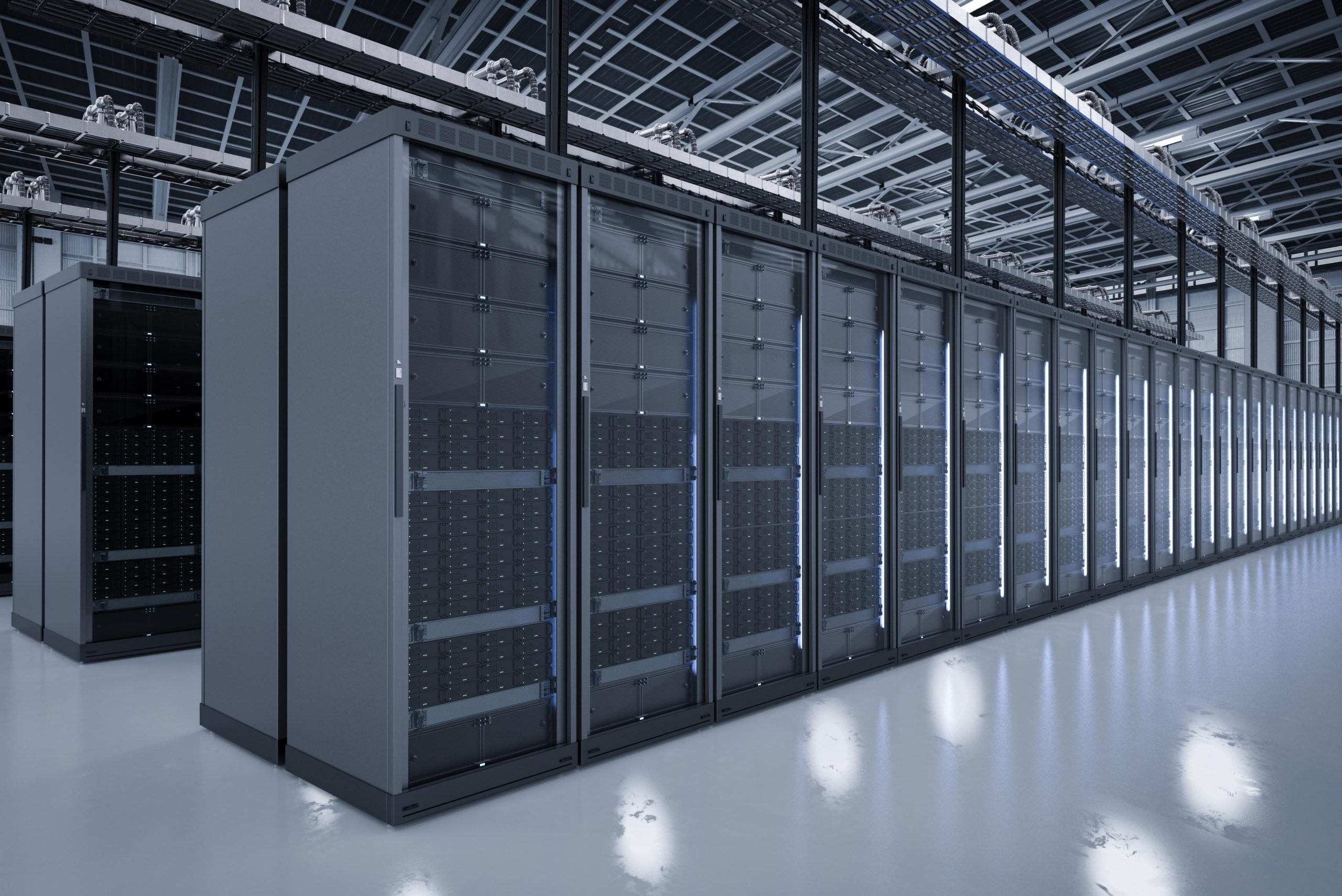


Across the United States and beyond, a new type of infrastructure is quietly reshaping how local economies develop and expand. Data centers, once viewed as purely technical facilities, have become a meaningful economic engine for regions looking to attract investment, create jobs, and modernize infrastructure.
Unlike traditional industries that rely heavily on visible production or retail presence, data centers operate behind the scenes. They power cloud computing, artificial intelligence, financial systems, and nearly every digital interaction that takes place today. As demand for data processing continues to surge, these facilities are no longer confined to major metropolitan areas. They are increasingly being developed in secondary cities and even rural communities where land, power, and connectivity align.
This shift is creating a new conversation among business owners and professionals. The presence of a data center is not just about technology. It has ripple effects that influence real estate, workforce development, energy consumption, and long term economic positioning.
Historically, data centers were concentrated in major hubs such as Northern Virginia, Silicon Valley, and parts of Texas. These locations offered proximity to networks, customers, and talent. However, several factors have pushed operators to look beyond these traditional markets.
One major driver is the increasing cost of land and power in established regions. As demand grows, operators are seeking more cost effective environments that can support large scale facilities. Companies like Equinix and Digital Realty have expanded into new markets to meet this demand while managing costs.
Another factor is the need for geographic diversification. Data redundancy and latency considerations make it valuable to distribute infrastructure across multiple regions. This approach reduces risk and improves performance for end users.
Local governments are also playing a role. Many municipalities have recognized the long term benefits of attracting data centers and are offering incentives such as tax abatements, streamlined permitting, and infrastructure support. While these incentives can be debated, they reflect a broader understanding that data centers are part of the modern economic landscape.
When a data center is announced, much of the initial focus tends to be on construction jobs and immediate investment. While those are important, the longer term impact often tells a more meaningful story.
Data centers contribute to local economies through ongoing operational roles, property taxes, and infrastructure improvements. Even though they do not employ large numbers of people compared to manufacturing facilities, the jobs they create tend to be highly skilled and well compensated.
There is also a multiplier effect. Supporting industries such as maintenance services, security, electrical contracting, and telecommunications benefit from the presence of these facilities. Over time, this can lead to the development of an ecosystem that supports additional business activity.
Companies like CyrusOne have demonstrated how large scale data center investments can anchor broader economic development initiatives. Their projects often lead to improvements in power infrastructure and connectivity that benefit other businesses in the region.
The current interest rate environment has introduced a new layer of complexity to data center expansion. These facilities are capital intensive, requiring significant upfront investment in land, construction, and equipment. As borrowing costs rise, developers must be more selective in how and where they allocate capital.
Firms such as Blackstone and KKR have continued to invest in digital infrastructure, but with a sharper focus on returns and operational efficiency. Higher interest rates can compress margins and influence deal structures, making it critical for projects to demonstrate strong long term viability.
For local economies, this dynamic creates both opportunity and competition. Regions that can offer reliable power, favorable regulatory environments, and access to fiber networks are more likely to attract investment. At the same time, projects that do not meet financial thresholds may be delayed or scaled back.
Entrepreneurs should pay attention to this trend. The intersection of interest rates and infrastructure investment is shaping where and how growth occurs. Understanding these dynamics can provide insight into emerging markets and business opportunities.

One of the most discussed aspects of data centers is their energy consumption. These facilities require substantial power to operate servers, cooling systems, and backup infrastructure. As a result, energy availability has become a critical factor in site selection.
Operators are increasingly partnering with renewable energy providers to address both cost and environmental considerations. Companies like NextEra Energy are working with data center developers to integrate solar and wind solutions into their operations.
This shift is influencing local economies in several ways. Regions with access to renewable energy resources are becoming more attractive to data center investors. At the same time, the demand for power is driving upgrades to electrical grids and transmission systems.
From a business perspective, this creates opportunities in energy services, consulting, and infrastructure development. It also raises important questions about balancing economic growth with environmental responsibility. Communities that can navigate this balance effectively are likely to see sustained benefits.
The rise of data centers is also reshaping real estate markets. These facilities require large parcels of land, often in areas with access to power and connectivity but lower population density. As a result, land that may have previously been overlooked is gaining new value.
Developers and investors are taking notice. Companies like Prologis, traditionally known for logistics real estate, have begun exploring opportunities in data center development. This reflects a broader trend of institutional capital moving into digital infrastructure.
For local communities, this can lead to changes in zoning, land use planning, and property values. While data centers do not generate foot traffic like retail developments, they contribute to the tax base and can stabilize long term revenue streams.
Business owners in real estate and related fields may find opportunities in land acquisition, development partnerships, and supporting infrastructure. Understanding the specific requirements of data center operators can provide a competitive advantage in these markets.
Although data centers are not labor intensive in the traditional sense, they do require a specialized workforce. Roles in network management, cybersecurity, facility operations, and engineering are essential to maintaining these environments.
This demand is influencing local education and training programs. Community colleges and technical schools are beginning to offer courses tailored to data center operations, creating pathways for individuals to enter the field.
Companies like Microsoft have invested in workforce development initiatives in regions where they build data centers, recognizing that talent availability is a key component of long term success.
For business owners and professionals, this trend highlights the importance of adapting to evolving skill requirements. Whether through training, hiring strategies, or partnerships with educational institutions, aligning with these changes can open new opportunities.
Data centers are not just standalone assets. They are part of a larger digital ecosystem that includes cloud computing, artificial intelligence, and data analytics. As these technologies continue to expand, the demand for infrastructure will follow.
Organizations like Oracle and IBM rely on robust data center networks to deliver services to businesses around the world. Their investments contribute to a cycle of growth that extends beyond any single facility.
For local economies, this means that attracting a data center can be a gateway to broader technological development. It can position a region as a hub for innovation, drawing in additional companies and talent.
Business owners should consider how their companies can connect to this ecosystem. Whether through providing services, developing complementary technologies, or leveraging improved connectivity, the presence of data centers can create new avenues for growth.
Data centers are emerging as a significant force in shaping local economies, offering a combination of investment, infrastructure development, and long term stability. Their impact extends beyond the facilities themselves, influencing real estate, energy markets, workforce development, and the broader digital economy.
In a period marked by changing interest rates and evolving capital markets, the ability to attract and support data center development has become a competitive advantage for many regions. For business leaders and entrepreneurs, understanding these dynamics can provide valuable insight into where opportunities are likely to emerge.
As the digital economy continues to expand, data centers will remain a foundational element of that growth. Communities and businesses that recognize their importance and adapt accordingly are likely to benefit from the momentum they create.