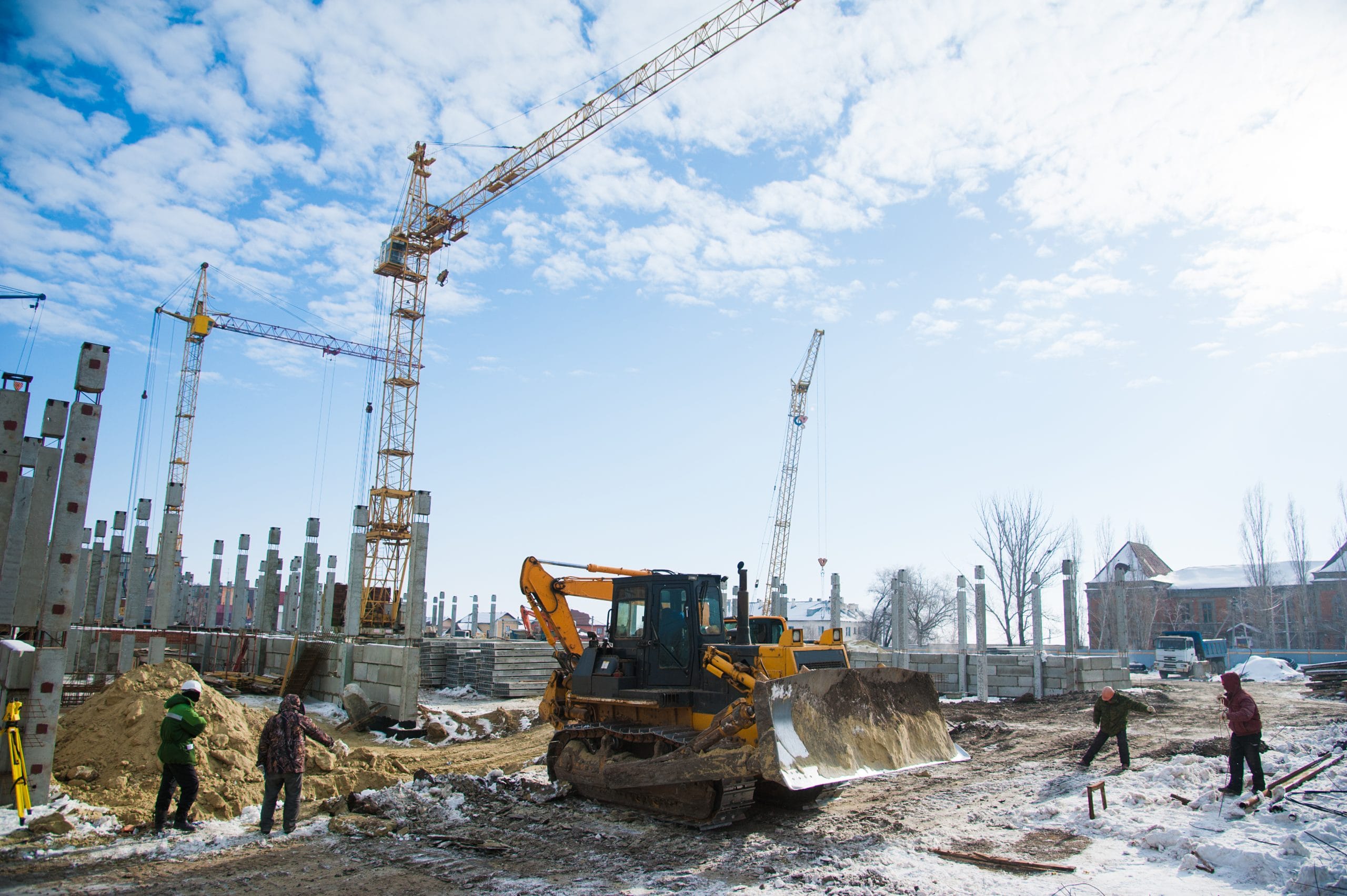
Construction projects have a way of exposing business realities that are easier to hide in other industries. Tight schedules, large capital commitments, regulatory oversight, and multiple stakeholders all collide in an environment where delays are costly and decisions rarely affect just one party. When progress slows, it is often not because of labor shortages or supply issues alone, but because decisions stall at critical moments.
Decision gridlock inside construction projects is not unique to the industry, but construction makes the consequences visible. A delayed approval can idle crews, trigger contract disputes, inflate carrying costs, and ripple through financing structures. These pressures offer valuable lessons for business owners and leaders far outside the job site.
Where Decision Gridlock Begins
Decision gridlock rarely starts with indecision. It often begins with too many decision makers and unclear ownership. In construction, approvals may involve owners, developers, architects, engineers, general contractors, subcontractors, lenders, and inspectors. Each participant brings valid concerns, yet no single party feels empowered to move forward without consensus.
This mirrors what happens inside many growing companies. As organizations scale, decisions that once took minutes become meetings. Accountability diffuses. Risk avoidance replaces momentum. Construction projects simply compress this dynamic into a shorter, more visible timeline.
The Cost of Waiting in Capital-Intensive Environments
Unlike digital businesses, construction projects cannot pause cheaply. Equipment leases continue. Financing costs accrue. Materials fluctuate in price. Waiting for perfect clarity often creates worse outcomes than acting with partial information.
Firms such as Bechtel and Turner Construction have long emphasized structured decision authority on large projects because experience has shown that unresolved questions compound quickly. The longer a decision sits, the more expensive it becomes to revisit.
This lesson applies broadly. Any business operating with high fixed costs, whether in manufacturing, transportation, or real estate, faces similar exposure. Delay itself becomes a financial variable.
Risk Aversion Disguised as Prudence
Decision gridlock is often framed as caution. Stakeholders ask for more data, additional reviews, or extended modeling. While diligence has value, construction projects reveal the tipping point where caution becomes a form of risk.
Every unanswered question pushes risk downstream. Instead of being addressed early when options are flexible, issues surface later when changes are disruptive. In construction, this may appear as costly change orders or rework. In business, it often shows up as rushed fixes under pressure.
How Accountability Gets Lost
One of the most common contributors to gridlock is unclear authority. When everyone has input but no one has final responsibility, decisions stagnate. Construction contracts attempt to address this through defined roles, yet real-world execution often blurs those lines.
Organizations such as Aecon and Skanska structure project governance to clarify who decides what and when. That clarity does not remove disagreement, but it prevents paralysis.
Businesses outside construction frequently underestimate the value of this structure. Titles and org charts exist, yet decision rights remain ambiguous, especially during periods of change.
The Hidden Impact on Teams and Culture
Decision gridlock does not only affect schedules and budgets. It affects people. When teams repeatedly wait for approvals, momentum fades. Initiative declines. Workers stop raising issues early because experience has taught them that action will be slow.
In construction, this dynamic can compromise safety and quality. In other industries, it erodes engagement and accountability. Over time, employees adapt by focusing on activity rather than outcomes.

Coordination Versus Progress
Modern projects rely heavily on coordination tools, documentation, and communication platforms. While these systems support transparency, they can unintentionally slow progress if every decision becomes a coordination exercise.
Construction firms that perform well at scale recognize when coordination supports execution and when it replaces it. The same balance matters in business operations more broadly. Coordination should reduce friction, not become another gate.
When Delays Become Structural
Perhaps the most dangerous form of decision gridlock is the kind that becomes normal. In construction, teams begin to plan around delays, adding buffers that inflate timelines and budgets. In business, leaders accept slow cycles as unavoidable.
Once delays are embedded into planning assumptions, they are difficult to remove. The organization adapts around inefficiency rather than addressing it.
Lessons Beyond the Job Site
Construction projects make decision gridlock visible, but the underlying dynamics apply across industries. Businesses that rely on physical assets, long timelines, or external approvals face similar pressures.
The lesson is not to rush decisions blindly. It is to recognize that delay carries its own cost and that clarity of authority matters more than consensus. Strong organizations define who decides, what information is required, and how quickly action must follow.
Final Comments
Decision gridlock inside construction projects offers a clear window into how businesses struggle with authority, risk, and momentum. The industry does not create these problems, it exposes them. For business owners and leaders, the takeaway is simple but uncomfortable. Indecision is rarely neutral. In environments where time, capital, and coordination intersect, waiting often reshapes outcomes more than the decision itself.