Entrepreneurship is often portrayed as a nonstop grind. Early mornings, late nights, constant networking, rapid pivots, and a steady stream of urgent tasks create an image of relentless hustle as…
Read More...





Global fitness apps have reshaped how millions of people approach exercise, creating a new era where personalized mobile coaching, virtual classes, and AI-driven workout recommendations have become standard. This shift has challenged traditional brick-and-mortar gyms in ways that mirror other industries disrupted by digital platforms. Yet the response from local gyms has been far more strategic and resilient than many predicted. Instead of losing ground, many regional and neighborhood fitness centers are finding new ways to differentiate themselves, relying on community presence, personalized engagement, and hybrid business models to stay competitive.
The widespread adoption of fitness apps accelerated as consumers looked for flexibility, convenience, and on-demand access. Companies like MyFitnessPal, FitOn, and Peloton have gained loyal followings by offering structured digital workouts at scale. Local gyms, however, hold an advantage that digital platforms cannot easily replicate: human connection. Many gym owners have begun tapping into that strength by shaping their services around tailored coaching, face-to-face accountability, and community-based motivation. These qualities remain powerful drivers for people who prefer an in-person fitness environment.
The modern gym-goer expects far more than a room filled with weight machines and treadmills. Fitness consumers want options that fit into unpredictable schedules. They want a level of personalization that feels relevant to their goals. And they expect technology to enhance their experience rather than complicate it. These expectations grew stronger as digital fitness subscriptions became mainstream. At the same time, many individuals realized that long-term results often require a mix of digital support and real-world guidance.
Local gyms are increasingly adapting by evolving their membership structures, introducing flexible plans, and offering hybrid access models that include both in-person and virtual training. The shift has created a landscape where physical gyms and digital platforms are not strictly competitors but part of a broader fitness ecosystem. Some customers may start with an app and later turn to a gym for added accountability. Others may maintain memberships with both.
The key challenge for local gyms is positioning themselves as essential rather than optional. Many gym owners are leaning into their strengths by building personal relationships with members, hiring instructors with strong community presence, and promoting a sense of belonging that digital platforms rarely capture. The long-term loyalty created through these connections often proves more durable than digital-only engagement.
One of the strongest differentiators for local gyms is their ability to cultivate authentic community engagement. Members often form friendships, find workout partners, and build social routines around in-person visits. This atmosphere cannot be replicated through a smartphone. Gyms that organize events, challenges, and group workouts benefit from a sense of shared progress among their members.
Many gym owners are also strengthening ties to their local neighborhoods. Hosting charity fundraisers, partnering with nearby businesses, and offering open-house events create meaningful visibility and goodwill. For instance, a local gym that partners with a nearby health foods store or smoothie bar gains a strategic advantage through cross-promotion. Larger apps rarely have the infrastructure or local presence to compete with this type of hyperlocalized engagement.
Group fitness classes add another dimension. Whether it is yoga, cycling, strength training, or HIIT, people enjoy the energy created in a shared environment. Local gyms that hire charismatic instructors who build personal rapport naturally develop higher retention rates. Members respond positively to environments where they feel seen and supported, especially when those relationships complement their fitness goals.
Some gym owners initially viewed global fitness apps as a threat, but many have realized that integrating technology into their own operations strengthens their value proposition. Instead of competing directly with the digital giants, gyms are choosing to adapt technology in ways that enhance their in-person services.
Modern gyms now use mobile apps for scheduling, performance tracking, digital check-ins, and class reservations. Technology providers such as ABC Fitness and Mindbody offer tools that streamline management and improve the member experience. These systems give gyms the ability to offer personalized data insights, track progress, and suggest training programs, echoing the digital personalization found in global apps.
Integrating wearables is another strategy that resonates with younger members. Whether someone uses a Garmin smartwatch or tracks heart rate with a Whoop strap, local gyms can incorporate this data into personal training sessions. By connecting digital insights with real-world performance, gyms are creating hybrid models that appeal to people who want the best features of both environments.
The key is finding a balance where technology enhances the personal connection rather than replacing it. Many gyms emphasize face-to-face coaching while using digital tools as supportive elements. This approach allows gyms to meet modern expectations without sacrificing their most valuable advantage: authentic human interaction.
One of the strategies local gyms have adopted involves offering niche programs and highly specialized classes that set them apart from digital-first competitors. Specialty gyms with unique themes or training styles attract customers who value expertise and structured environments. Examples include boxing studios, Pilates centers, powerlifting gyms, and martial arts academies.
These specialty experiences appeal to people who want a deeper connection to their training environment. By weaving education, technique, and progression into their programs, local gyms create a sense of mastery that digital apps often struggle to deliver. Members feel supported by instructors who know their capabilities and limitations, which can be especially important in skill-based fitness activities.
Many specialty gyms have also extended their identity beyond workouts. Some build online communities, produce educational videos, and distribute branded merchandise that reinforces the gym’s culture. When members identify with a gym’s mission, they become long-term advocates and contribute to organic growth through word-of-mouth referrals.
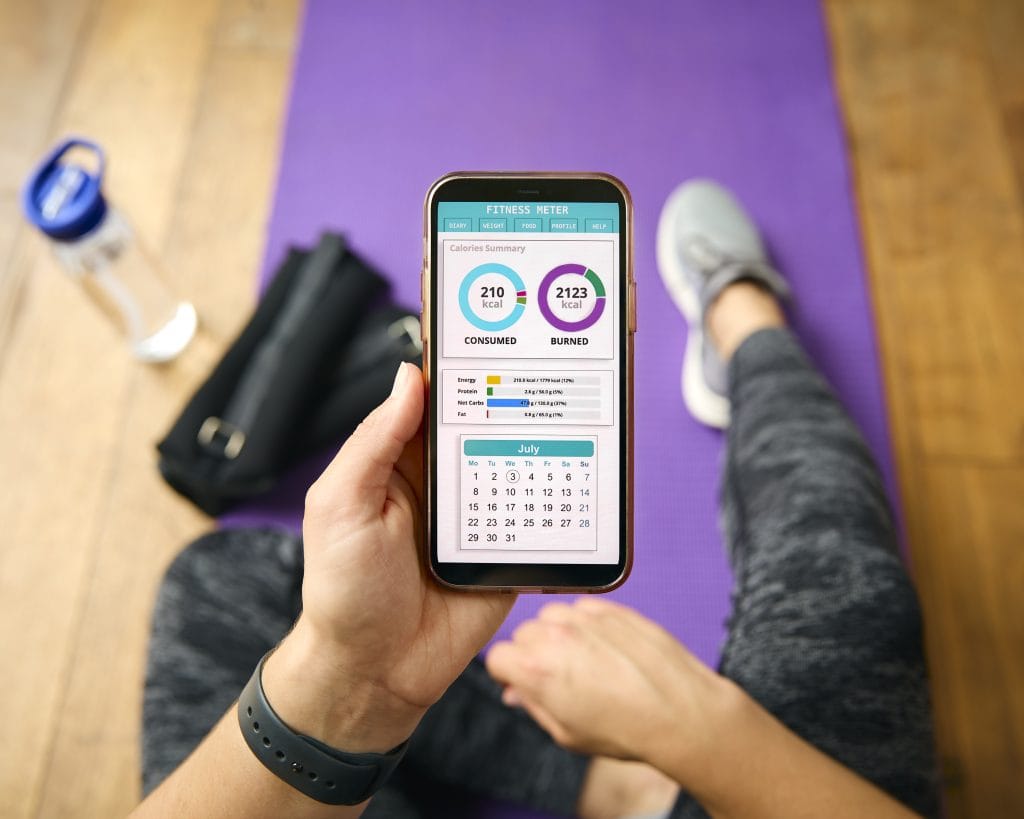
Fitness apps often offer attractive subscription pricing, which forces local gyms to think creatively about their own price structures. Most gyms cannot match the cost of an app, but they can emphasize value in other ways. Flexible pricing tiers, punch-card systems, and hybrid memberships help attract different types of customers without diluting brand value.
Gyms can also highlight the benefits that justify higher fees, such as personalized coaching, in-person feedback, specialty equipment, and community engagement. Many gym owners have found success offering introductory memberships or short-term trials that let prospective clients experience their services before committing long-term.
Upselling complementary services adds another layer of competitiveness. Nutrition coaching, small-group training, and recovery-focused treatments like infrared therapy or massage sessions provide additional revenue streams. These offerings supplement membership income while strengthening the gym’s value proposition.
A major shift in the industry has been the rise of hybrid fitness models, where gyms offer a blend of in-person and digital content. This structure appeals to members who want flexibility without giving up the physical gym experience. Many local gyms now provide virtual training sessions, recorded classes, and live-streamed workouts as optional add-ons.
Hybrid fitness gained momentum partly due to necessity, but it has evolved into a sustainable long-term strategy. It strengthens retention by keeping members active during travel, busy work periods, or seasonal changes. Customers appreciate the added convenience, and gyms benefit from a consistent level of engagement even when foot traffic fluctuates.
The approach also allows gyms to compete directly with global apps on a feature level. While no local gym is likely to offer the sheer volume of content found on massive platforms, they can offer something apps cannot: digital workouts created by local instructors whom members already know and trust. This helps reinforce personal relationships and strengthens the sense of belonging.
Competing with large fitness apps requires effective marketing. Local gyms must communicate their advantages clearly, using messaging that resonates with their target audience. Strategies vary, but many gyms have seen success using a mix of digital and in-person outreach.
Social media remains one of the strongest channels. Platforms such as Instagram and TikTok allow gyms to showcase their environment, instructors, and class energy. When potential members see real interactions, authentic member stories, and behind-the-scenes footage, they feel more connected to the brand. This type of visibility helps local gyms stand out against large digital platforms that cannot showcase physical spaces.
Email campaigns, referral incentives, targeted ads, and partnerships with local organizations complement social media efforts. Some gyms also collaborate with local athletic clubs, schools, or community centers to expand their demographic reach. These partnerships create touchpoints throughout the neighborhood, building organic recognition that global apps lack.
Local gyms competing with global fitness apps are proving that technology-driven disruption does not eliminate the demand for meaningful in-person experiences. Instead, it encourages gyms to innovate, refine their offerings, and strengthen their community presence. The most successful gyms are those that embrace digital tools without abandoning the human-centered qualities that members value most.
The future of the fitness sector is shaping into a blended environment where digital convenience and in-person engagement complement each other. Local gyms that adapt to this balance are positioned to thrive in a market where customer expectations continue to evolve. By prioritizing personalization, community-building, and strong brand identity, gyms can carve out lasting relevance even as global fitness apps expand their reach.