
Commercial landscaping was once viewed primarily as a maintenance service. Property owners hired contractors to mow lawns, trim hedges, remove weeds, and keep outdoor areas presentable. Although those responsibilities remain…
Read More...


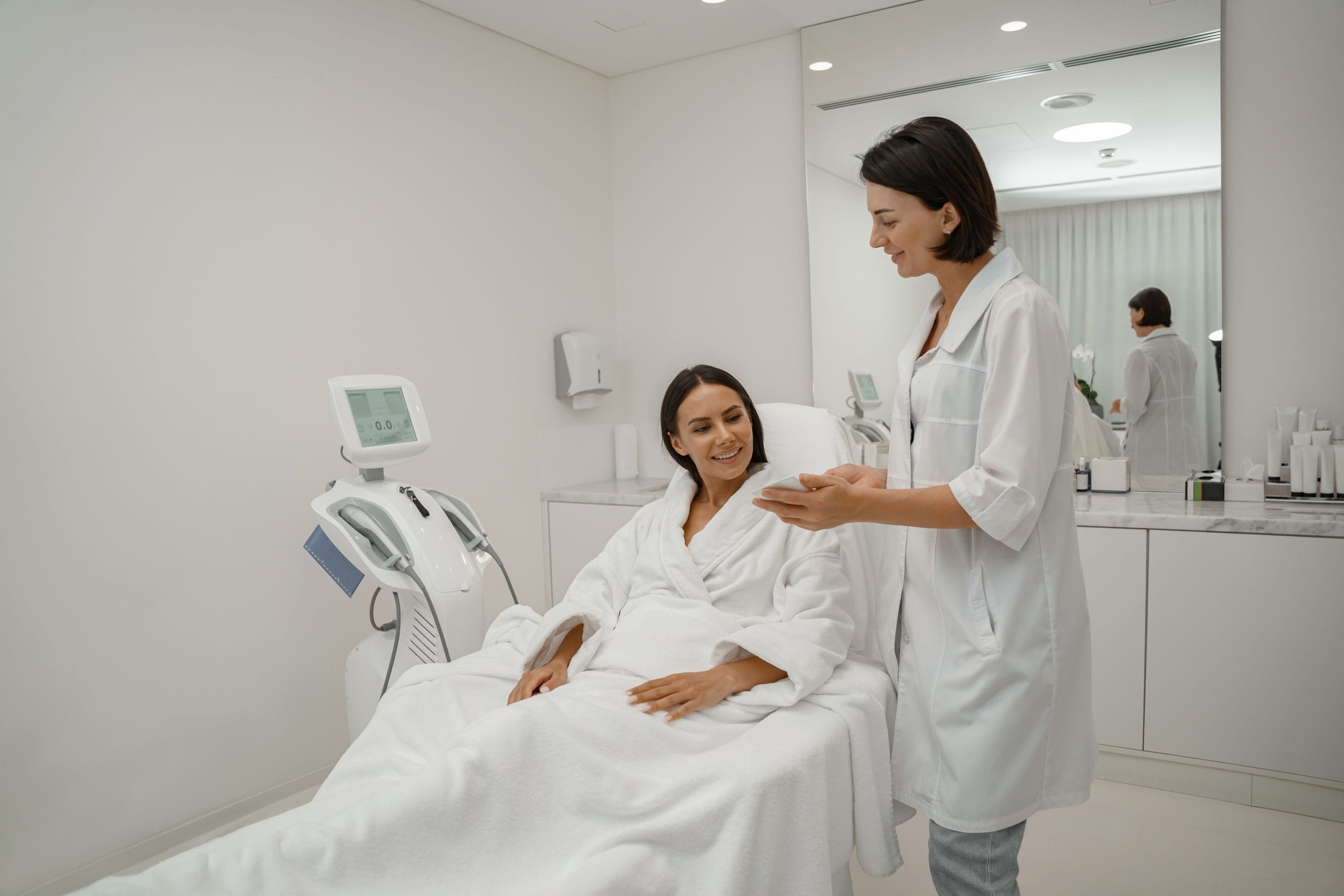


Medical Spas have become one of the more interesting business categories in the modern consumer economy because they do not fit neatly into one box. They are not traditional doctor offices, but they are not ordinary beauty salons either. They sit somewhere between healthcare, personal appearance, wellness, retail, hospitality, and lifestyle branding. That blend is exactly why entrepreneurs and business owners are paying attention.
The rise of Medical Spas reflects a larger shift in how people buy services connected to health, confidence, aging, and appearance. Consumers are no longer viewing these treatments as rare luxury purchases reserved for celebrities or special occasions. Botox, fillers, laser treatments, body contouring, skin rejuvenation, IV therapy, and wellness focused services have become more mainstream, especially in markets where convenience and appearance driven self care carry real value.
For entrepreneurs, the opportunity is not only about opening a beautiful location with treatment rooms. The real business lesson is how Medical Spas package professional services in a retail friendly way. The strongest operators are selling trust, consistency, outcomes, memberships, and repeat visits. That is very different from a one time beauty appointment or a purely clinical medical visit.
The reason Medical Spas are so attractive as a business category is that they combine high demand services with repeat purchase behavior. A customer may come in for one treatment, but the long term value is in the relationship. Skin treatments, injectables, maintenance plans, laser sessions, and wellness services often require more than one visit. When done correctly, the business is not built around a single transaction. It becomes a recurring relationship.
This is why the customer experience matters so much. A patient or client wants medical level competence, but they also expect the comfort and polish of a retail brand. The waiting room, online booking process, provider consultation, follow up communication, financing options, membership plans, and social proof all influence whether that person comes back.
Companies such as LaserAway and SkinSpirit show how the category has moved beyond small local operators into more organized, multi location brands. These businesses demonstrate why investors view the space as more than a beauty trend. It is becoming a scalable consumer services model.
For smaller business owners, this does not mean every Medical Spa has to become a national chain. It does mean the industry is becoming more competitive and more professionalized. A local operator now has to think like a healthcare provider, a retailer, a hospitality brand, and a digital marketer at the same time.
One reason Medical Spas are growing is that they have made certain medical aesthetic services feel more accessible. A traditional medical office can feel intimidating, formal, or slow. A well run med spa can feel approachable, modern, and easier to engage with. Online scheduling, visible pricing, treatment menus, before and after content, memberships, and limited time promotions all borrow from retail.
That retail influence can be powerful. A consumer browsing a med spa website may compare services the same way they compare products. They may read reviews, look at social media photos, check provider credentials, review financing options, and book a consultation without ever calling the office. This makes the digital experience a major part of the sales process.
Companies such as VIO Med Spa and OrangeTwist present their services with the kind of visual branding and customer journey language that feels closer to lifestyle retail than conventional healthcare. That approach can help reduce friction. When someone is considering an aesthetic procedure, the brand has to make the decision feel clear, safe, and worth the money.
Still, the retail side cannot overpower the medical side. That is where the business becomes more complicated. A facial, a moisturizer, and a cosmetic injectable are not the same kind of purchase. Medical Spas that blur the line too aggressively can create risk for both the customer and the company.
In many businesses, price and convenience drive the sale. In Medical Spas, trust is often the deciding factor. A client is not simply buying a treatment. They are trusting someone with their face, skin, body, and health. Even when a treatment is marketed as simple or quick, the customer wants to feel that the provider knows what they are doing.
That makes provider training, supervision, protocols, licensing, and consultation standards central to the business model. Entrepreneurs entering the space need to understand that brand design and social media are not enough. The operation has to be built around competent delivery. A polished Instagram account may bring attention, but outcomes and safety protect the business long term.
The industry rapid growth has also brought more scrutiny. Medical Spas can be regulated differently from state to state, and the rules may vary depending on who owns the business, who performs the treatments, how services are advertised, and what level of medical supervision is required. A booming market can still carry real operational risk.
The best operators will likely be the ones that treat compliance as part of the brand. Customers may not know every licensing requirement, but they can sense when a business is organized, careful, and professional. Clear consultations, medical histories, consent forms, aftercare instructions, and realistic expectations are not boring details. They are part of the value proposition.
One of the biggest mistakes in this category is thinking that the menu of services is the business. The menu matters, but the customer is usually buying a desired result. They want to look rested, feel more confident, reduce signs of aging, improve skin texture, recover after weight loss, prepare for an event, or maintain a certain appearance over time.
That changes the way a med spa should market itself. Listing services is not enough. A strong business explains who the service is for, what problem it addresses, what the experience is like, what the customer should expect, and why the provider is qualified to perform it.
This is also where consultation based selling becomes important. A customer may walk in asking for one treatment, but a skilled provider may identify a better plan. That plan may include multiple treatments over several months. When handled professionally, this can increase revenue while also improving customer satisfaction. When handled poorly, it can feel like pressure.
The difference is credibility. A customer should feel guided, not pushed. Medical Spas that master this balance can build deeper customer relationships. They are not simply filling appointment slots. They are creating treatment plans, maintenance routines, and long term loyalty.
Many Medical Spas are borrowing from the subscription economy. Memberships can create predictable revenue, improve retention, and make treatments feel more manageable for customers. Instead of viewing every visit as a separate expense, clients can pay monthly and build credits toward services or receive member only pricing.
This model can be attractive, but it has to be structured carefully. A membership should not feel like a gimmick. It should give the customer a reason to stay engaged with the business. That could mean monthly skin treatments, discounted injectables, priority booking, loyalty credits, annual treatment planning, or access to special events.
For entrepreneurs, recurring revenue is appealing because it can smooth out the ups and downs of appointment based sales. It also gives the business better visibility into customer behavior. Owners can track visit frequency, treatment preferences, average spend, cancellations, rebooking rates, and lifetime value.
The caution is that subscriptions create obligations. If customers build credits, the business has to manage redemption, staffing, scheduling, and cash flow. A poorly designed membership can create future service liabilities. A smart one can become one of the most valuable parts of the business.
Technology is now a major piece of the Medical Spa business model. Online booking, automated reminders, customer relationship management, digital intake forms, payment plans, review requests, marketing automation, and before and after photo management all affect performance.
A med spa that still operates with scattered spreadsheets, manual follow ups, and inconsistent communication is likely leaving money on the table. The customer journey often begins online, continues through text or email, moves into the consultation room, and then continues after the appointment with aftercare and rebooking.
Platforms such as Boulevard and Nextech serve businesses in the beauty, wellness, and healthcare technology ecosystem, showing how software has become a meaningful part of the industry growth. The business is no longer only about equipment and providers. It is also about systems.
That matters because Medical Spas are operationally complex. They have to manage licensed professionals, treatment rooms, consumable inventory, expensive devices, customer communications, medical documentation, retail products, and marketing campaigns. Good software does not fix a weak business model, but weak systems can slow down an otherwise strong one.

The Medical Spa category has attracted investor attention because it has several qualities that buyers like: fragmented competition, recurring services, strong consumer demand, premium pricing, and the ability to standardize operations across locations. When a business has repeatable processes, it becomes easier to expand.
That does not mean scale is easy. Medical Spas are still service businesses. The quality of the provider matters. The location matters. Local reputation matters. Training matters. Aesthetic judgment matters. Unlike selling identical products online, the service experience can vary from one provider to another.
This is where many entrepreneurs underestimate the challenge. Opening one profitable location is different from building a multi location platform. Scaling requires hiring, training, supervision, culture, compliance, marketing discipline, and capital planning. A beautiful brand can bring attention, but operational consistency is what keeps the business healthy.
For independent owners, the presence of larger chains can be both a threat and an opportunity. The threat is obvious. Larger brands may have bigger marketing budgets, better software, and stronger vendor relationships. The opportunity is that local operators can compete on personal relationships, founder involvement, niche positioning, and community reputation.
The healthcare and retail overlap makes Medical Spas exciting, but also risky. Entrepreneurs need to understand that medical aesthetics are regulated differently depending on the state. Questions around medical supervision, ownership, delegation, advertising claims, patient records, and who can perform certain procedures are not minor details.
This is especially important for business owners coming from beauty, retail, fitness, or hospitality backgrounds. A med spa may look like a lifestyle business from the outside, but the legal and operational foundation is closer to healthcare than many people realize. The rules can affect ownership structure, provider agreements, medical director responsibilities, insurance coverage, consent forms, and marketing language.
The smartest approach is to build the business with professional guidance from the start. That includes legal counsel familiar with healthcare regulations, proper insurance advisors, qualified medical leadership, and written protocols. Fixing a flawed structure later can be expensive and disruptive.
A strong compliance culture can also become a selling point. Customers increasingly want to know who is treating them, what qualifications they have, and whether the business takes safety seriously. In a crowded market, professionalism can be a competitive advantage.
Medical Spas are worth watching even for people who never plan to open one. The category reveals where consumer businesses are heading. Customers want convenience, personalization, flexible payment options, polished branding, expert service, and visible results. They also want the experience to feel modern and approachable.
That combination is showing up across many industries. Healthcare is becoming more consumer facing. Retail is becoming more service driven. Wellness is becoming more specialized. Beauty is becoming more clinical. The old boundaries between industries are getting weaker.
For business owners, the lesson is that customers often respond well when a company reduces friction and raises trust at the same time. Medical Spas do this by taking services that once felt clinical or exclusive and placing them inside a more accessible consumer experience. The challenge is keeping the medical seriousness intact while making the experience feel easy.
Entrepreneurs who understand that balance can apply the same thinking elsewhere. A dental office, physical therapy clinic, wellness center, fitness studio, dermatology practice, or specialty retail business can all learn from the med spa playbook. The goal is not to copy the industry. The goal is to understand why the model works.
Medical Spas are growing because they sit at the intersection of several powerful consumer trends: appearance, wellness, convenience, personalization, and trust. They are also a reminder that modern service businesses need more than a good location and a popular offering. The winners in this space will likely be the operators who combine strong branding with real professional standards, careful compliance, smart technology, and a customer experience that feels both personal and credible. For entrepreneurs, Medical Spas are not just a beauty industry story. They are a case study in how healthcare and retail are merging into a new kind of business model.