
Commercial landscaping was once viewed primarily as a maintenance service. Property owners hired contractors to mow lawns, trim hedges, remove weeds, and keep outdoor areas presentable. Although those responsibilities remain…
Read More...


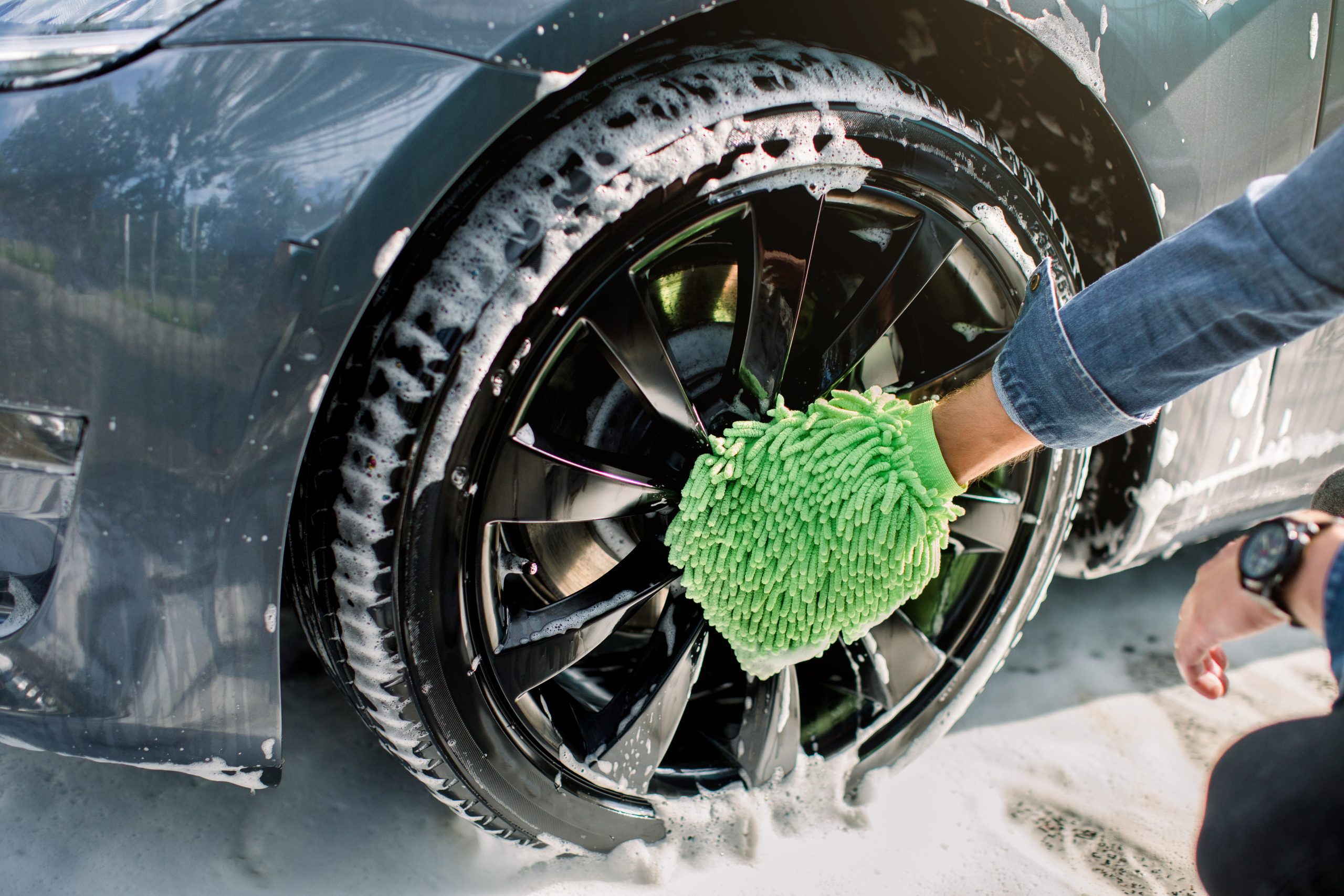


Mobile Car Detailing is no longer just a weekend side job for someone with a pressure washer, a few towels, and extra time. It has become a real local business model with repeat customers, premium service tiers, strong margins, and room for operators who understand branding, scheduling, customer service, and convenience. In many communities, car owners are busier than ever, vehicle prices remain high, and people are holding onto cars longer. That combination creates a practical business opportunity for entrepreneurs who can bring professional service directly to the customer.
The appeal is easy to understand. Traditional car washes are built around volume. Mobile detailing is built around convenience and quality. Instead of asking the customer to drive somewhere, wait in line, and accept a standard wash, a mobile detailer goes to the driveway, office parking lot, apartment complex, marina, dealership, or fleet yard. That shift changes the economics. The customer is not only paying for a cleaner vehicle. They are paying for time saved, better care, and a service experience that feels more personal.
For entrepreneurs, the category sits in an interesting place. It can be started with less capital than many storefront businesses, but it can also grow into a sophisticated local operation. A one person business can eventually become a multi van service company with employees, commercial accounts, monthly service plans, and local partnerships. That is why Mobile Car Detailing deserves to be taken seriously as a business model, not simply a quick way to make extra money.
Convenience has become one of the strongest forces in consumer spending. People order groceries, schedule home services, book medical appointments, and manage banking from their phones. Automotive care is moving in the same direction. A customer who pays extra to have food delivered may also be willing to pay extra to have a vehicle cleaned while they are at work or at home.
Mobile Car Detailing fits that expectation because it removes friction. The customer does not need to rearrange a schedule, sit in a waiting room, or lose part of a Saturday. For business professionals, parents, real estate agents, salespeople, contractors, and anyone who spends time in a vehicle, that matters. A clean vehicle can be both practical and image related. It can also protect a high value asset.
The local nature of the business is another advantage. A detailer does not need to dominate an entire state to make money. A strong presence in one city, county, or metro area can be enough. Local search, referrals, repeat customers, and neighborhood visibility can drive meaningful demand. Platforms like Nextdoor can help local service providers become known in specific neighborhoods, while a well built Google Business Profile can turn search traffic into booked appointments.
In this type of business, trust is also local. People want to know who is coming to their driveway or office parking lot. They want to see reviews, photos, before and after examples, and clear pricing. A business that looks professional online and communicates quickly can stand apart from operators who treat detailing as casual side work.
Interest rates matter because they influence how entrepreneurs think about risk, borrowing, equipment purchases, and expansion. When capital is cheaper, business owners may feel more comfortable taking on debt for vehicles, equipment, marketing, or hiring. When rates are higher, decisions become more cautious. Every monthly payment has to be justified by real revenue.
That makes Mobile Car Detailing especially interesting in the current environment. Compared with restaurants, gyms, retail stores, and many franchise concepts, mobile detailing can often be launched with a more controlled investment. A business owner may need a vehicle or trailer, water tank, generator or battery system, vacuum, polishers, towels, cleaning products, insurance, branding, scheduling tools, and basic marketing. The investment is still real, but it is not usually in the same category as signing a long term commercial lease, building out a storefront, and hiring a large staff before revenue begins.
Higher interest rates also affect consumers. When auto loan payments are expensive and replacement vehicles cost more, many people take better care of the cars they already own. That can support demand for detailing, ceramic coatings, paint correction, interior cleaning, odor removal, and maintenance packages. A customer who is not ready to buy a new vehicle may spend money making the current one feel newer.
This is one reason entrepreneurs should look at interest rates from both sides. Borrowing may be more expensive, but consumer behavior can shift in ways that create opportunity. In Mobile Car Detailing, the business case is often tied to preservation, convenience, and pride of ownership. Those themes can remain strong even when customers become more selective with spending.
One mistake some new operators make is assuming that a mobile business can look informal because it does not have a physical shop. In reality, the opposite is often true. Since there is no storefront, the brand has to create credibility in other ways. The van, uniform, website, booking process, text messages, invoices, photos, and reviews all become part of the customer’s judgment.
Lower overhead is an advantage, but only when the operation is disciplined. A mobile detailer still needs insurance, proper business registration, safe product handling, reliable equipment, and a clear understanding of local rules. Some locations have restrictions related to water runoff, commercial work in parking lots, or operating in certain residential areas. A serious operator treats those details as part of the business, not as afterthoughts.
Professional equipment also matters. Brands like RUPES and Meguiar’s are well known in the detailing world, and using quality tools and products can support better results. Still, expensive supplies alone do not build a business. Training, consistency, and customer communication are equally important. A customer may not understand every technical step involved in paint correction or ceramic protection, but they will notice punctuality, professionalism, and whether the vehicle looks and feels better than expected.
The operators who win are often the ones who combine craft with process. They know how to clean, correct, protect, and present a vehicle. They also know how to send reminders, follow up after service, request reviews, manage appointments, and explain service options without pressuring the customer. That mix of hands on skill and business discipline can turn a simple service into a trusted local brand.
The strongest version of a Mobile Car Detailing business is not built entirely on one time appointments. One time customers are useful, especially for higher priced deep cleans, but recurring revenue creates stability. Monthly maintenance plans, quarterly details, fleet accounts, dealership relationships, and office park service days can help smooth out revenue and make scheduling more predictable.
A maintenance plan can be simple. A customer receives a full detail first, then moves into a recurring wash and interior maintenance schedule. The business benefits because the vehicle is easier to maintain after the initial job. The customer benefits because the car stays clean without needing to think about it. This type of arrangement can also make revenue easier to forecast.
Commercial accounts can be even more valuable. Real estate firms, medical sales teams, luxury apartment communities, construction companies, property managers, and small fleets all have reasons to keep vehicles presentable. A contractor’s truck may not need to look like a showroom vehicle, but a clean and organized fleet can support a more professional image. A real estate agent, meanwhile, may view a clean vehicle as part of client presentation.
Technology can help manage this recurring model. Tools such as Jobber and Housecall Pro help service businesses handle scheduling, reminders, payments, and customer communication. Payment platforms like Square and Stripe can make it easier to collect deposits, accept cards, and reduce payment delays. These tools do not replace good service, but they help a small operator look organized and professional from the first interaction.
Pricing is one of the biggest challenges in Mobile Car Detailing. New operators often underprice because they are afraid to lose customers. That can create a problem quickly. Detailing is labor intensive, supplies are not free, travel time matters, fuel costs fluctuate, and equipment wears out. If pricing only reflects the time spent touching the vehicle, the business may look busy while remaining unprofitable.
Good pricing accounts for the entire job. That includes driving time, setup, breakdown, product use, water, power, insurance, booking time, payment processing fees, marketing costs, and the value of expertise. A two hour job may take more than two hours when the full operating cycle is considered. A business owner who ignores those hidden costs may struggle to scale.
Customers also need clear choices. A basic exterior wash, an interior refresh, a full interior detail, paint correction, ceramic protection, odor treatment, and maintenance service should not all be treated the same. Each service has a different value, skill requirement, and time commitment. Clear service menus can help customers pick the right option while reducing confusion.
There is also room for premium positioning. Not every customer is searching for the cheapest option. Owners of luxury vehicles, classic cars, work trucks, boats, RVs, and high mileage family vehicles may be willing to pay for reliable, careful service. The key is matching the price with a strong customer experience. A premium price without premium communication, punctuality, and results will not last.
Marketing Mobile Car Detailing is not only about running ads. It is about building trust in a specific service area. Before and after photos are powerful because they show visible proof. Short videos can work well, especially when they show stained interiors, cloudy headlights, pet hair removal, or paint correction results. The work itself is visual, which gives detailers an advantage on social platforms.
A strong website matters too. It should explain services clearly, show real photos, provide service areas, answer common questions, and make booking simple. Customers should not have to guess whether the business handles SUVs, fleet vehicles, boats, ceramic coatings, or apartment parking lots. Confusion can cost bookings.
Partnerships can be useful. A mobile detailer may build referral relationships with auto repair shops, tire stores, real estate offices, apartment communities, used car dealers, and corporate office managers. A company such as Carvana has helped normalize online vehicle buying, while local dealerships and independent sellers still need vehicles to look their best before sale. That creates opportunity for detailers who can serve both consumers and small commercial clients.
Reviews may be the most important marketing asset. Since the business often involves working near a customer’s home or vehicle, trust is critical. A large number of positive local reviews can make the difference between a customer calling one operator or moving on to the next. The best time to ask for a review is shortly after a successful service, when the vehicle looks great and the customer is satisfied.

One of the more overlooked opportunities in Mobile Car Detailing is workplace and fleet service. A detailer who can service multiple vehicles in one location can reduce travel time and increase efficiency. Office parks, medical buildings, warehouses, schools, and corporate campuses can become attractive service points if management allows it.
Fleet work can also create steady volume. Small business fleets are everywhere: HVAC companies, plumbing companies, pest control businesses, delivery services, landscaping companies, insurance adjusters, real estate teams, and mobile healthcare providers. These vehicles act as moving advertisements. A dirty or poorly maintained vehicle can send the wrong message. A clean fleet can support brand perception.
Fleet pricing does not always need to match retail pricing. The service package may be simpler and more repeatable, which can make the work efficient. The main benefit is predictability. Instead of chasing individual bookings every day, a detailer may have a set number of vehicles to service each month.
Workplace detailing can also become a perk for employees. A company does not need to pay for the service itself. It may simply allow a mobile operator to come on site on selected days. Employees book and pay individually, while the employer offers convenience. This can work especially well in professional office settings where employees have limited time during the week.
A solo detailer can only complete so many jobs in a day. At some point, growth requires decisions about hiring, training, equipment, vehicles, and management. Scaling too quickly can damage service quality. Scaling too slowly can leave demand on the table. The right pace depends on cash flow, customer demand, and the owner’s ability to create repeatable systems.
Training is a major factor. Detailing involves technique, judgment, and care. Employees need to know how to handle different surfaces, products, vehicle conditions, and customer expectations. A careless mistake can be expensive. Damaged paint, stained upholstery, or missed appointments can harm reputation fast.
Systems help reduce those risks. Checklists, photo documentation, service standards, inspection steps, customer notes, and clear communication rules can create consistency. The goal is not to turn the service into something robotic. The goal is to make quality repeatable.
Branding also becomes more important as the business grows. A professional looking van, consistent uniforms, clean invoices, branded follow up messages, and organized scheduling can make a small company feel established. That matters when competing against both low cost individuals and larger operators.
Mobile Car Detailing is attractive because it rewards people who are practical, disciplined, and customer focused. It is not a business built only on big ideas. It is built on showing up, doing the work well, communicating clearly, and building trust over time. That may sound simple, but in local service industries, reliability itself can be a major differentiator.
Entrepreneurs who enter this space should think beyond the first few jobs. The better question is what kind of operation they want to build. Is it a premium solo business serving high end vehicles? Is it a multi van local service brand? Is it a fleet focused company? Is it a specialized operation offering paint correction, ceramic coatings, and luxury vehicle care? Each path has different pricing, marketing, equipment, and staffing needs.
The category also benefits from being understandable. Customers know when their car is dirty. They know when they do not have time to clean it. They know when a vehicle needs to look better before a sale, event, business meeting, or family trip. That clear demand makes the service easier to explain than many newer business concepts.
At the same time, success is not automatic. Competition can be high, and some customers will shop only on price. Weather can affect scheduling. Apartment complexes and office properties may have restrictions. Fuel, insurance, supplies, and labor costs can pressure margins. The operators who last are the ones who price correctly, communicate well, and build repeat business instead of relying only on random one time bookings.
Mobile Car Detailing has grown into a serious local business model because it sits at the intersection of convenience, vehicle preservation, entrepreneurship, and service quality. It gives business owners a way to enter the automotive market without the burden of a traditional shop, but it still requires professionalism, planning, and financial discipline. In an economy where interest rates have made borrowing decisions more careful, lower overhead service models can be especially appealing. The strongest operators will not treat detailing as quick cash. They will treat it as a brand, a customer relationship business, and a repeatable local service company with room to grow.