
Commercial landscaping was once viewed primarily as a maintenance service. Property owners hired contractors to mow lawns, trim hedges, remove weeds, and keep outdoor areas presentable. Although those responsibilities remain…
Read More...


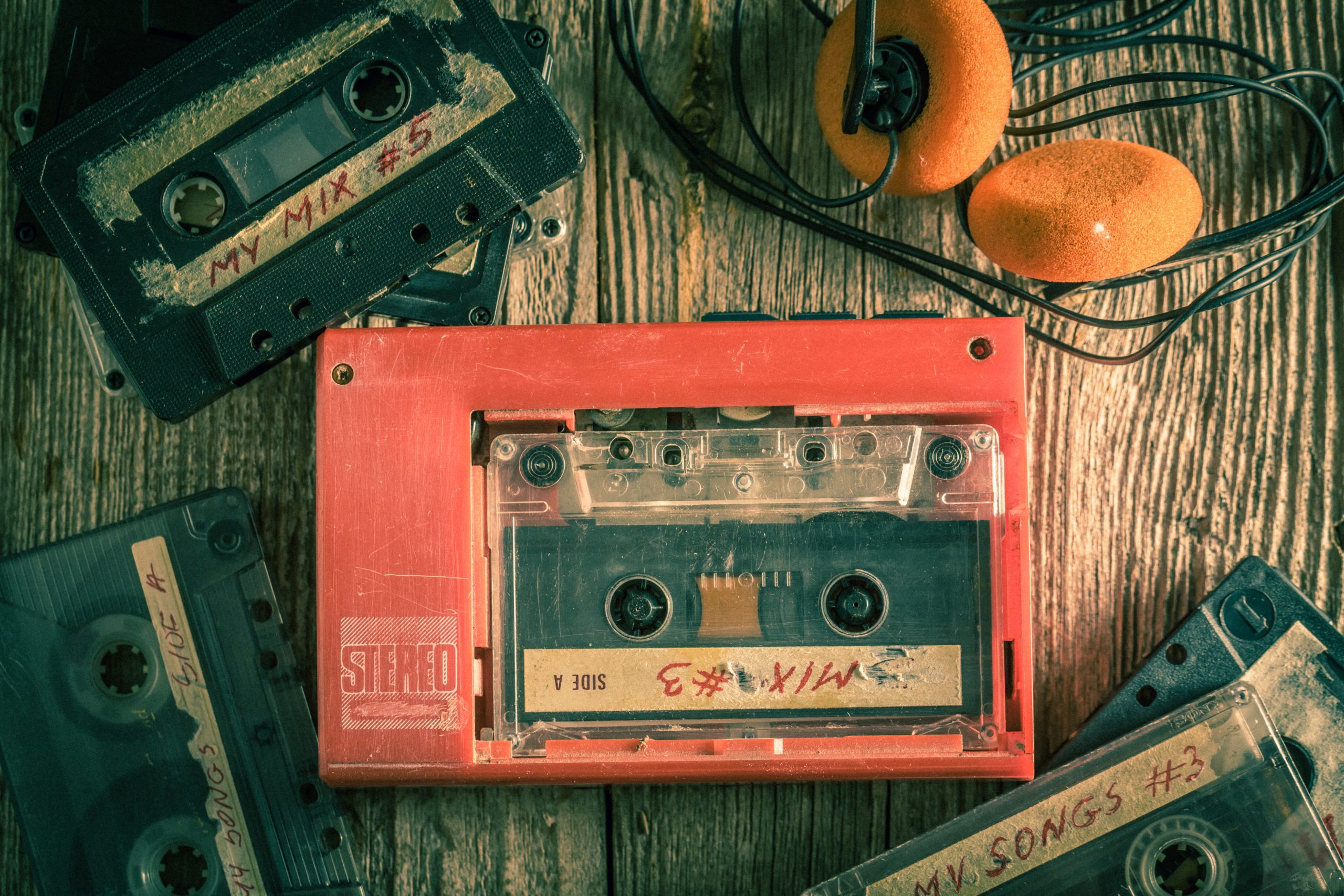


Nostalgia used to be treated as a soft marketing tactic. It was something brands pulled out for anniversary campaigns, retro packaging, or a quick social media post meant to make people smile. Today, it has become much more serious. Nostalgia is now a legitimate marketing strategy because it connects directly to emotion, memory, identity, trust, and buying behavior. In a crowded market, those are not small things. They are often the reasons a customer stops scrolling, pays attention, and decides a brand feels worth considering.
For entrepreneurs, business owners, and marketing professionals, Nostalgia matters because customers are surrounded by constant messaging. Every day, people see new products, new apps, new offers, new platforms, and new claims. Much of it blends together. A familiar feeling can cut through that noise. When a brand reminds someone of a simpler time, a favorite product, a childhood memory, an early career moment, or a cultural reference that still carries meaning, the message can feel more personal than a standard advertisement.
The strategy works because Nostalgia is not really about going backward. At its best, it uses the emotional power of the past to make a current brand feel more relevant. A company does not need to look old fashioned to use it. The strongest campaigns often pair familiar memories with modern design, current technology, and strong customer experience. That combination can make a brand feel both trusted and fresh.
Consumers today are making decisions in an environment that can feel uncertain. Interest rates, inflation, housing costs, borrowing conditions, and general financial pressure all influence how people think about spending. Even when customers continue to buy, they may be more selective. They want purchases that feel worthwhile. They want value, but they also want comfort. Nostalgia can give a brand a way to speak to that emotional need without relying only on discounts or aggressive sales language.
When people feel uncertain, familiar things can feel safe. A visual style, product name, logo, package design, song, phrase, or theme from the past may create an instant emotional reaction. That reaction can lower resistance. It can make a customer feel that the brand understands them. In business terms, this can improve attention, engagement, recall, and loyalty. A customer may forget the technical details of an ad, but they may remember the feeling it created.
Nostalgia is also valuable because it can reach more than one generation at the same time. Older consumers may remember the original trend, product, or cultural moment. Younger consumers may experience it as something interesting, different, and authentic. That is an important distinction. Nostalgia is not always based on a memory someone personally lived through. Sometimes it is based on an aesthetic, a mood, or a cultural story that feels attractive even to people who discovered it later.
There is a major difference between using Nostalgia and looking out of touch. Customers may enjoy retro branding, but they still expect modern convenience. A vintage inspired product still needs to be well made. A classic looking website still needs to load quickly and work properly on mobile devices. A throwback campaign still needs to connect with current customer expectations. If the experience behind the campaign is weak, Nostalgia will not save it.
The strongest nostalgia based campaigns usually combine an older emotional cue with a modern benefit. A restaurant may bring back a classic menu item, but it should still offer current ordering options and strong service. A retailer may use retro visual design, but the checkout process must be smooth. A software company may talk about simplicity in a way that reminds users of an earlier internet era, but the platform still needs to be secure, fast, and practical.
Nintendo is a strong example of a company that understands this balance. Its characters and games carry memories across generations, but the company continues to introduce modern consoles, new games, and updated experiences. The emotional connection comes from history, but the business stays active because it continues to offer current value. That is the key lesson for any business that wants to use Nostalgia without looking stuck in the past.
Entrepreneurs often feel pressure to appear new, disruptive, and completely different. That mindset can be useful, but it can also cause business owners to overlook the power of familiarity. Customers do not always want everything to feel new. Sometimes they want a brand that feels understandable from the start. Nostalgia can help a new company feel less unfamiliar.
A startup does not have decades of customer loyalty, but it can still connect with emotional patterns customers already understand. A coffee shop can use design cues that remind people of neighborhood cafes and personal service. A fitness brand can draw from classic athletic culture. A consulting firm can use plain language and traditional business values to create a sense of stability. A local store can reference the feeling of shopping before everything became automated and impersonal.
The important point is authenticity. A new business should not pretend to have a long history it does not have. Instead, it should identify the feeling it wants customers to associate with the brand. Is the goal to create a sense of simplicity, community, craftsmanship, excitement, local pride, family tradition, or personal attention? Once that emotional anchor is clear, Nostalgia can help shape the brand voice, visuals, campaigns, and customer experience.
Many modern brands feel overly polished. The website looks clean, the social posts are carefully edited, the language is optimized, and the sales process is automated. While professionalism is important, customers can sense when a brand feels cold. Nostalgia can bring warmth back into the relationship because it reminds people of real experiences rather than just transactions.
A brand that uses Nostalgia well can connect to memories of family gatherings, first jobs, local stores, favorite snacks, school days, early technology, music, travel, sports, or shared cultural moments. These memories can make a business feel more human. They give customers something to connect with beyond price and product features.
Levi Strauss & Co. has long benefited from this kind of emotional connection. Its products are tied to work, music, personal style, and cultural identity. The brand does not have to invent meaning from scratch because its history already carries emotional weight. A smaller business can apply the same idea on a more personal scale. A bakery can reference a family recipe. A contractor can share early project photos. A retailer can celebrate products customers remember from years ago. These stories can build trust when they are genuine.
Nostalgia becomes even more effective when it is tied to scarcity. Limited releases, anniversary products, seasonal returns, and special collaborations can create urgency without making a brand depend only on discounts. Customers may act because they do not want to miss a temporary return of something they remember or admire.
This strategy works across many industries, including food, fashion, entertainment, toys, sports, and consumer goods. A limited release gives loyal customers a reason to reengage and gives new customers a reason to pay attention. It can also generate social sharing because people enjoy posting about things that feel rare, familiar, or tied to a cultural memory.
The key is restraint. If every campaign is built around the past, the idea can lose its power. Customers may begin to see it as a gimmick. Nostalgia works best when it feels intentional. A restaurant can bring back a retired dish for a short period. A local retailer can create an anniversary collection. A professional service business can publish lessons learned from earlier years in the industry. A digital brand can revive an older design style for a special campaign. The concept does not have to be expensive. It has to feel relevant.
Trust is one of the most valuable assets a business can have. This is especially true when customers are cautious about spending. Nostalgia can support trust because familiar cues often reduce perceived risk. When people recognize something, they may feel more comfortable engaging with it.
That does not mean Nostalgia can replace credibility. A weak product will not become strong because the packaging looks retro. Poor service will not be forgiven because an advertisement reminds people of childhood. However, when the business itself is solid, Nostalgia can make the brand feel more approachable.
Kodak is closely connected with memory, photography, family moments, and the physical act of capturing life. The company name carries emotional meaning because many people associate it with real experiences. Newer businesses can learn from that. The goal is not to copy an established company. The goal is to understand what emotional territory the business can credibly own.
Social media has made Nostalgia easier to share. A memory that once belonged to one generation can quickly become part of a wider cultural conversation. Old commercials, vintage packaging, classic toys, discontinued products, early internet design, and retro fashion can resurface and reach large audiences in a short period of time.
Platforms such as TikTok and Instagram are especially useful for nostalgia based content because they reward visual recognition and emotional reaction. A short video showing an old product, a familiar sound, or a recreated moment can attract comments because people want to share their memories. They may tag friends, tell stories, or compare experiences. That type of engagement is difficult to create with ordinary sales content.
For business owners, this creates an opportunity. A company does not always need a large advertising budget to use Nostalgia effectively. A smart post, a thoughtful story, or a carefully designed campaign can connect with a specific audience if the idea is clear and authentic. The best nostalgic content often feels like a shared moment between the brand and the customer, not a forced attempt to chase attention.

A business has to be careful not to make Nostalgia feel exclusive. If a campaign only speaks to people who remember a specific era, younger customers may feel disconnected. If the message leans too heavily into the past, customers may question whether the company is still innovative. The better approach is to connect the memory to a present day benefit.
A retro inspired product can still be convenient, sustainable, premium, or technologically advanced. A throwback campaign can still reflect current customer needs. A classic design can still be paired with modern service. The past should provide the emotional spark, while the current brand provides the value.
This balance is especially important in technology, ecommerce, finance, professional services, and business consulting. A company in one of these areas may use Nostalgia to communicate simplicity, trust, or personal attention, but it still needs to perform at a modern level. Customers may like the emotional tone, but they still expect the business to be responsive, reliable, and easy to work with.
Businesses can use Nostalgia in several practical ways without turning the brand into a museum. The first is visual identity. Color palettes, typography, photography style, packaging, and layout choices can all create a subtle connection to the past. This does not require copying an old design. Often, the smarter move is to borrow the feeling while keeping the final look clean and current.
The second is storytelling. Founders and business owners can share why the company was started, what the industry used to look like, what customer service once meant, or how earlier experiences shaped the business. Specific stories are stronger than vague references to better days. A real story about a first customer, an early challenge, a family influence, or an old product can make the brand feel more personal.
The third is product and service strategy. A business can bring back a prior service, reintroduce a popular item, create an anniversary offer, or build a campaign around a familiar customer memory. The fourth is community participation. Customers often enjoy sharing their own memories. A brand can invite people to submit photos, stories, or experiences connected to its products or industry. This turns Nostalgia into a conversation rather than a one way advertisement.
Nostalgia becomes a competitive advantage when it helps a company create a clearer identity. Many businesses sound similar. They promise quality, value, service, innovation, and results. Those words may be true, but they are often not memorable. Customers need something more specific to hold onto.
A nostalgic angle can make a brand easier to remember because it connects the company to a feeling. That feeling may be comfort, simplicity, adventure, craftsmanship, fun, local pride, or personal service. Once a business understands the feeling it wants to own, its marketing can become more focused and consistent.
Airstream shows how heritage can become part of a lasting brand identity. Its travel trailers are associated with road trips, adventure, craftsmanship, and a classic design language. The product is physical, but the brand appeal is emotional. People are not only buying transportation or shelter. They are buying into a feeling connected to travel and freedom.
Entrepreneurs can take that lesson and apply it at any size. A local service company, online retailer, restaurant, manufacturer, consultant, or startup can all benefit from understanding what customers miss and how the business can bring part of that feeling into the present. The result can be a brand that feels more distinct, more relatable, and more memorable.
Nostalgia is now a legitimate marketing strategy because it gives businesses a way to connect with customers beyond price, features, and promotional claims. It can make a brand feel familiar, trustworthy, human, and memorable in a marketplace that often feels crowded and impersonal. The strongest use of Nostalgia does not simply repeat the past. It brings forward the parts of the past that still matter and connects them to modern customer expectations. For entrepreneurs and business owners, the opportunity is clear. When used with purpose, Nostalgia can become more than a creative idea. It can become a practical tool for building attention, loyalty, and long term brand value.