Technology is often discussed as a force that only moves in one direction forward. New platforms emerge, tools improve, and businesses rush to adopt the latest systems to stay competitive.…
Read More...


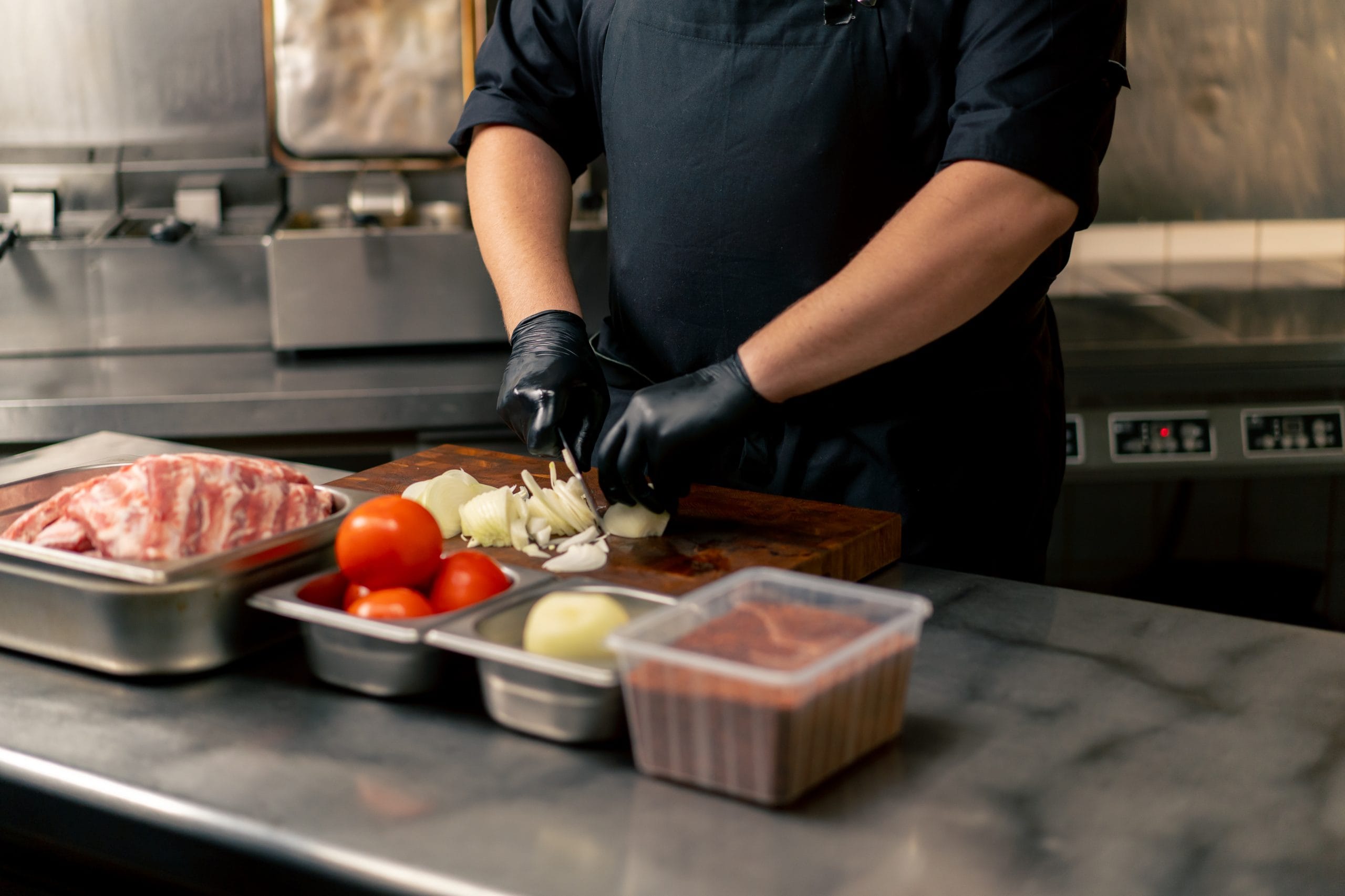


Many restaurateurs are turning to the prepackaged meal space as a natural extension of their culinary identity. The shift is fueled by consumers who want convenient, high-quality meals that capture the flavors of their favorite dining spots. As more individuals balance demanding schedules with interest in fresh food options, the appetite for ready-to-eat and ready-to-heat meals has continued to grow. This trend is opening a valuable channel for restaurant operators interested in extending their reach beyond the dining room.
The prepackaged meal category has been steadily gaining momentum across grocery shelves, online marketplaces, and third-party delivery channels. Retail buyers have shown increased interest in partnering with emerging food brands that bring authentic, chef-inspired recipes to customers. This has created opportunities for independent operators and multi-location hospitality groups that recognize the revenue potential attached to retail distribution.
There is also an evolving cultural shift around food consumption habits. Busy professionals, families, and even remote workers often look for meals that strike a balance between convenience and culinary personality. That dynamic has leveled the playing field for restaurateurs who compete not only with major packaged meal brands but also with meal kit providers such as Blue Apron and grocery chains offering private-label options.
The shift toward prepackaged meals is about more than additional revenue. Restaurant operators can capture brand visibility, diversify risk, and create a product that lives beyond a traditional dining experience. Many restaurant owners also recognize how volatile foot traffic can be based on economic cycles, weather patterns, and consumer sentiment. A packaged product sold through retail or online platforms provides stability during slow dining months and cushions against unpredictability.
Another reason many restaurants are embracing this strategy is the chance to build stronger customer loyalty. When someone chooses a prepackaged meal from their favorite restaurant, it carries a certain emotional connection. The diner feels as though they are taking home a piece of that experience, even on nights they do not have time to visit the physical location. Being present in a grocery store or available through direct-to-consumer shipping allows brands to maintain relevance.
Additionally, many restaurateurs see packaged meals as a way to test new recipes and flavors without committing to a full menu overhaul. Operators can introduce seasonal items, limited batches, or collaborative meal concepts that provide insight into what resonates with consumers. Those insights may influence future menu design or expansions into other consumer packaged goods categories.
The distribution landscape for packaged meals has broadened significantly. Stores that traditionally prioritized national household brands now regularly spotlight smaller, regional, or chef-driven products. Grocers like Whole Foods Market and Trader Joe’s have shown willingness to work with emerging brands that bring innovation to their aisles.
Direct-to-consumer shipping has also become more accessible due to better packaging technologies, cold-chain logistics providers, and reliable delivery networks. Companies such as Goldbelly have paved the way for restaurants to ship food nationwide, which plays a major role in brand awareness. Although many restaurateurs initially use platforms like these to ship meals individually, some eventually move into full-scale retail packaging once early demand is validated.
Local partnerships are another viable path. Regional convenience stores, specialty grocers, and co-ops often embrace local food brands because they know customers appreciate community-focused products. Restaurateurs that build strong local recognition can capitalize on this interest by developing a line of meals specifically designed for their region.
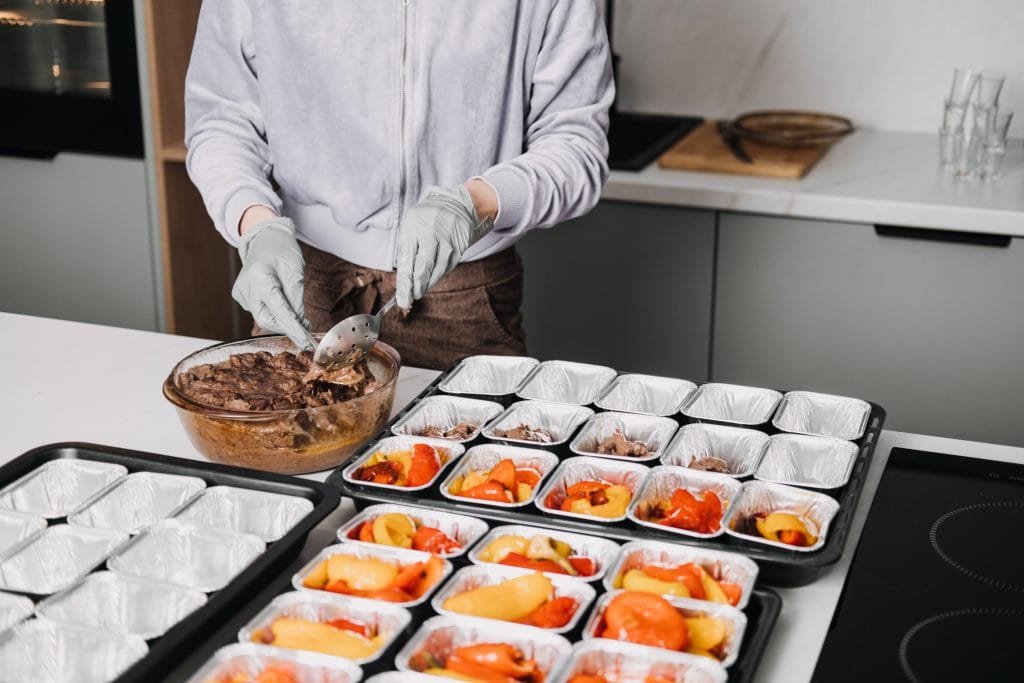
While the opportunity is attractive, developing a packaged meal brand requires methodical planning. Operators need to translate their culinary vision into a format that maintains food quality, shelf stability, and consistency. That means refining recipes to suit packaging requirements while still protecting the signature flavors that make the restaurant recognizable.
Production decisions are critical. Many restaurateurs weigh whether to build internal capacity or work with a co-packer. Co-packers specialize in producing food items at scale and can help with packaging, compliance, labeling, and logistics. Companies such as FreshRealm and Wildtype Foods have supported various operators in navigating food manufacturing and distribution.
Packaging design plays a major role in a product’s success. A restaurant’s brand needs to translate well onto store shelves, digital ads, and shipping containers. Clear, attractive, and informative packaging conveys value, highlights nutritional information, and signals the product’s place in the broader food market. Creative packaging also helps a restaurant stand out among countless meal options.
Regulatory compliance is another important step. Restaurateurs entering the prepackaged market must adhere to food safety rules, labeling requirements, and potential regional restrictions. Partnering with consultants or food safety experts gives operators confidence that their products meet industry standards and that they are prepared for retail buyer evaluations.
A strong marketing strategy is essential for gaining traction in both retail and digital environments. Social media campaigns, partnerships with influencers, and customer-driven content help generate awareness around the packaged products. Platforms like Instagram and TikTok offer space for engaging storytelling that highlights the brand’s culinary roots.
Restaurants can also use existing customer lists responsibly. Guests who already enjoy the dining experience are often enthusiastic about trying new packaged offerings. Email campaigns, SMS notifications, and loyalty programs can spotlight new product releases and create early demand.
In-store events, demonstrations, and sampling programs also help consumers discover the brand. Retail buyers often look favorably on suppliers willing to invest in marketing support, as it increases the likelihood that customers will return for repeat purchases. Promotional partnerships with gyms, coworking spaces, or wellness studios can introduce products to audiences that prioritize convenient, fresh meal options.
The financial appeal of packaged meal expansion is significant. Restaurants generate income from dine-in traffic, takeout, catering, and now consumer packaged meals. This combination allows an operator to diversify revenue streams in a way that supports long-term business stability.
Margins on packaged meals can sometimes exceed those of in-restaurant service, depending on the cost of goods, production volume, and distribution agreements. While initial investment is required to build the product line, many restaurateurs find that volume growth eventually offsets early costs.
Another financial benefit is resilience. Packaged meals provide a consistent revenue channel during economic fluctuations, seasonal slowdowns, or unexpected disruptions. Restaurants that experienced volatility in recent years understand the importance of having a brand that continues generating sales even during challenging periods. Prepackaged meals offer that flexibility.
Investors and lenders often view diversified revenue streams favorably. A restaurant group that demonstrates consumer demand through packaged products can position itself for future expansion, franchise development, or investment activity. This dynamic helps restaurateurs build long-term enterprise value beyond traditional hospitality operations.
Although the packaged meal sector offers significant potential, it also introduces several challenges. Maintaining consistent quality across large product runs is one of the first hurdles restaurateurs face. A recipe that works flawlessly in a kitchen must be re-engineered for large-scale production without compromising taste.
Shelf life is another concern. Some meals are best positioned in refrigerated sections, while others require freezing. Restaurateurs must determine which category aligns with their brand and operational goals. Working with food scientists or culinary R&D partners helps operators tackle these technical challenges.
Pricing strategy is equally important. Products rising above certain price points may struggle in crowded retail environments. Restaurateurs must understand market conditions, supply chain costs, and consumer expectations before committing to retail pricing. Studying competing brands and conducting small-batch tests can reveal important insights.
Retail negotiations can also require patience. Grocery buyers receive countless pitches, so restaurateurs need compelling product narratives and data-driven demand indicators. Having strong branding, consistent production capabilities, and a reliable distribution model increases the odds of entering retail channels.
The expansion of restaurateurs into prepackaged meal brands represents a shift in how culinary businesses define growth and long-term sustainability. By stepping into the consumer packaged goods space, operators gain visibility, create additional revenue, and strengthen their connection to customers. The path requires thoughtful planning and a willingness to adapt, but the rewards can be substantial for brands that execute well.
As consumer demand grows for convenient meals rooted in authenticity and quality, restaurateurs with a strong identity have a real opportunity to bring their flavors to households across the country. The combination of culinary skill, branding, and operational strategy sets the stage for meaningful expansion beyond the four walls of a dining room.