
Commercial landscaping was once viewed primarily as a maintenance service. Property owners hired contractors to mow lawns, trim hedges, remove weeds, and keep outdoor areas presentable. Although those responsibilities remain…
Read More...


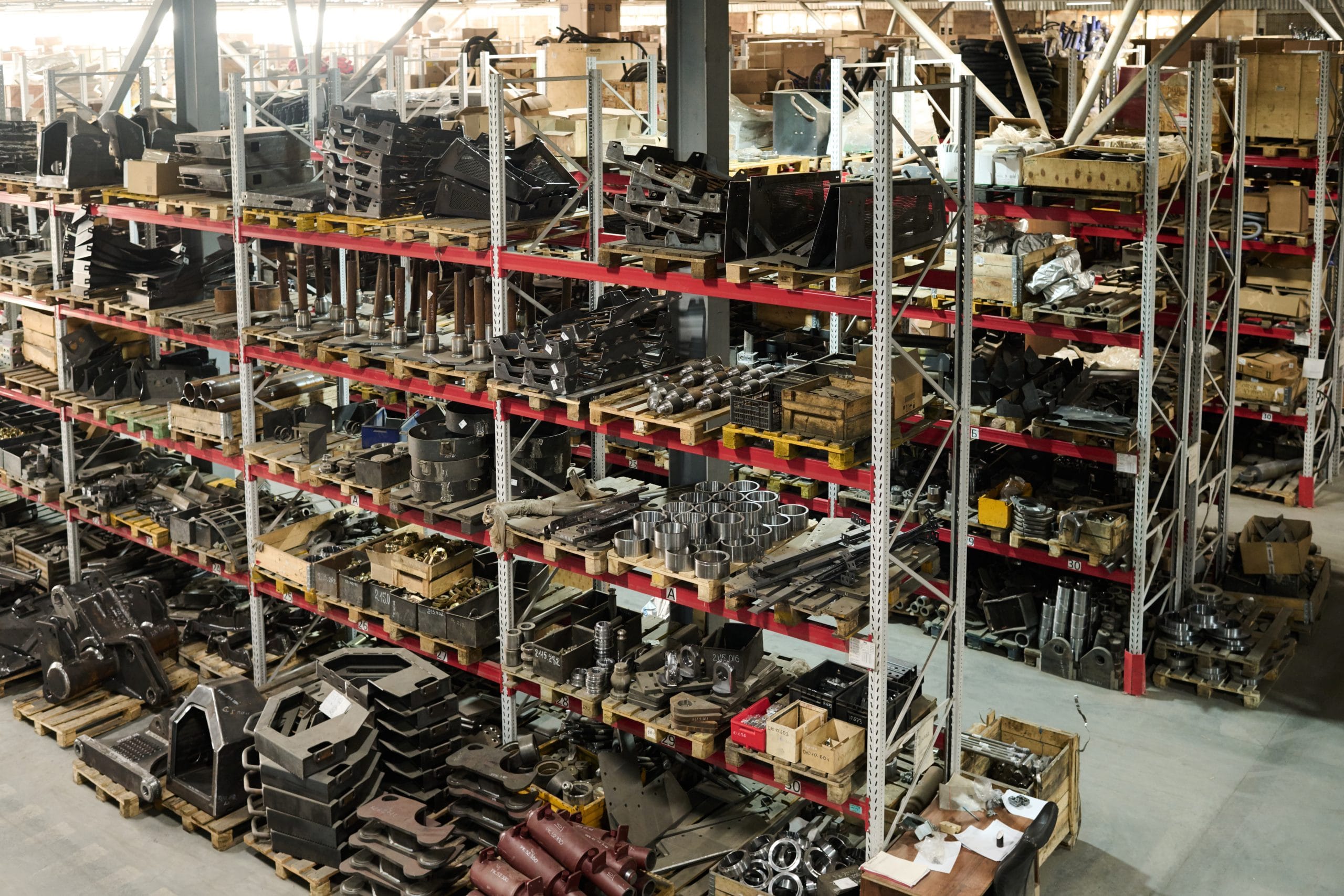


Businesses often devote enormous attention to the initial sale. Manufacturers compete over product features, sales teams chase new customers, marketing departments spend heavily on customer acquisition, and executives track unit sales as a primary measure of growth. Yet the original product may represent only the beginning of the financial relationship with a customer. In many industries, Spare Parts, replacement components, accessories, maintenance items, and related services can generate more attractive economics over time than the original equipment itself.
The reason is relatively straightforward. A customer might purchase a machine, vehicle, appliance, commercial system, or piece of industrial equipment once every several years. During that ownership period, however, the customer may purchase filters, seals, sensors, batteries, belts, blades, pumps, electronic modules, replacement panels, fittings, lubricants, or dozens of other components. Each individual transaction may look small compared with the original purchase, but the cumulative revenue can become substantial.
For entrepreneurs and established companies alike, the important question is not simply, “How much can we make when we sell the product?” A better question may be, “What is the lifetime economic value of every product we place into the market?” That shift in thinking can dramatically change how a company approaches pricing, product design, customer service, inventory, and long term growth.
A company that sells durable products is doing something more valuable than recording a single transaction. It is creating an installed base. Every machine, system, device, vehicle, or piece of equipment operating in the field can become a future source of demand for Spare Parts and related products.
Consider a company that sells 10,000 pieces of commercial equipment. Even if new equipment sales stop growing temporarily, those 10,000 units do not disappear. They continue operating. Components wear out, customers perform routine maintenance, accidents happen, technology changes, and equipment eventually needs repairs. The installed base therefore has an economic life extending far beyond the initial sales period.
This is one reason companies such as Caterpillar have built enormous businesses around more than selling new machinery. Equipment operating on construction sites, farms, mines, and industrial properties requires ongoing maintenance and replacement components. The customer relationship can continue for years after the original equipment leaves the factory.
Entrepreneurs should think about their own products in similar terms. The initial sale creates a customer, but it may also create years of future transactions. A business that ignores those future transactions could be surrendering some of its most attractive revenue opportunities.
New products frequently compete in highly visible markets where buyers can compare prices, specifications, financing, warranties, and competing brands. That competition can put pressure on margins. Companies may discount the original product simply to win the customer, penetrate a market, acquire a large account, or increase the number of units installed.
Spare Parts can operate differently. Once customers own a particular product, they often need components specifically compatible with that product. Availability, reliability, fit, delivery speed, warranty coverage, and technical support can become more important than obtaining the absolute lowest price.
That does not give a manufacturer unlimited pricing power. Customers will resist unreasonable prices, and third party suppliers frequently enter profitable aftermarket categories. Nevertheless, a company that manufactures specialized replacement parts can often command stronger margins than it receives from the original equipment.
The economics become especially interesting when the replacement component represents a small percentage of the value of the equipment it keeps operating. A business operating a $50,000 machine is unlikely to leave that machine idle for days while searching for the cheapest possible $300 component. The cost of downtime may be far greater than the difference between competing replacement part prices.
This changes the customer’s calculation. The Spare Parts supplier is not merely selling a component. It may be selling uptime, convenience, compatibility, and the ability to keep revenue producing equipment operating.
Speed has tremendous value in the aftermarket. When a business purchases a new product, the buying process may take weeks or months. Committees can compare vendors, negotiate contracts, request demonstrations, and analyze pricing. A replacement part needed for broken equipment creates an entirely different purchasing environment.
If a production line stops because a $200 sensor fails, the customer may be losing thousands of dollars every hour. If a restaurant refrigerator stops working, food could spoil. If a commercial vehicle cannot operate, deliveries could be delayed. If specialized medical or laboratory equipment becomes unavailable, important work may be interrupted.
In those situations, a supplier with the correct Spare Parts available immediately can have a major competitive advantage. A well run parts operation therefore depends on more than manufacturing. Inventory placement, warehousing, forecasting, logistics, and order fulfillment can become central components of the business model.
Grainger is a useful illustration of how valuable availability can become in business to business markets. Industrial customers purchase maintenance and replacement products because keeping operations functioning matters. The ability to locate and obtain the right item quickly can be worth considerably more than simply finding the cheapest listing online.
Companies selling large products can experience uneven revenue. A customer purchasing machinery this year may not purchase another machine for five or ten years. Large contracts can also create significant swings between strong and weak sales periods.
Spare Parts can produce a different revenue pattern. When thousands of customers own products that require periodic maintenance, replacement demand occurs throughout the year. One customer needs a filter this month, another needs a valve next month, and another eventually needs a complete replacement assembly.
The result can be a recurring stream of smaller transactions supporting the larger product business. This revenue is particularly valuable because many customers already know the company. The business does not necessarily have to acquire the same customer again through expensive advertising every time a replacement component is needed.
Companies can strengthen this model further by identifying predictable replacement cycles. If a component generally lasts 12 months, the business can contact customers before the expected replacement date. If equipment requires maintenance every 2,000 operating hours, software can help track usage and prompt the customer when service is approaching.
The sale begins shifting from reactive replacement toward planned recurring commerce.
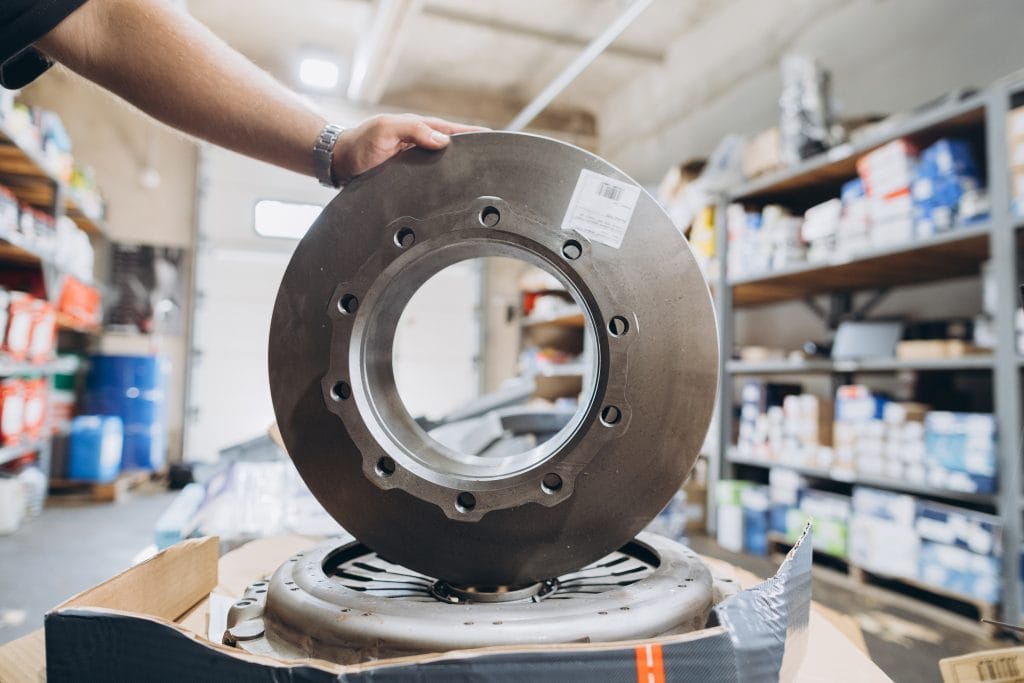
Customer lifetime value becomes particularly important when acquiring customers is expensive. Suppose a company spends significant money on advertising, sales commissions, demonstrations, travel, installation, onboarding, and support to sell a $10,000 product. Measuring profitability only against the original transaction may underestimate the customer relationship.
If that customer subsequently purchases $2,000 of Spare Parts and maintenance items each year for seven years, the financial picture looks dramatically different. The original product generated the relationship, while the aftermarket produced repeated transactions from the same installed unit.
This is particularly common in industries involving engines, industrial equipment, transportation, agriculture, aerospace, HVAC systems, commercial kitchens, medical equipment, and manufacturing machinery.
John Deere, for instance, participates in a market where equipment can remain in use for many years. Tractors and agricultural machinery require replacement components throughout their operating life. Selling the equipment creates the installed base, while supporting that installed base creates an ongoing commercial relationship.
A smaller manufacturer can apply exactly the same principle without operating at multinational scale. Even several hundred installed units can create meaningful recurring demand if the products contain components that naturally wear, require service, or eventually need replacement.
Parts availability also influences how customers perceive the original brand. A product can perform extremely well, but customers may still become frustrated if replacement components are difficult to find or take weeks to arrive.
A strong Spare Parts program tells buyers that the company intends to support the product after the sale. Customers know where to obtain components, technicians know what to order, and purchasing departments can develop a familiar supplier relationship. That reliability can influence future equipment purchases.
This creates an important cycle. A company sells equipment, supports it effectively, earns parts and service revenue, builds trust, and becomes a stronger candidate when the customer eventually buys another unit.
The opposite can also happen. Poor aftermarket support may damage an otherwise excellent product. A customer that loses money because a simple component cannot be obtained may reconsider the entire brand during the next purchasing cycle.
Businesses sometimes think about Spare Parts only after launching a product. That may be too late. The aftermarket can be considered during product development itself.
Designers can evaluate which components are likely to wear, how easily they can be replaced, whether individual components can be sold separately, and whether servicing the product requires specialized tools. Clear part numbers, diagrams, documentation, service manuals, and replacement procedures can make the aftermarket substantially easier to manage.
This does not mean intentionally designing products to fail. Such an approach can destroy customer trust and damage a brand. The better strategy is recognizing that even well made products contain components with different useful lives. Designing equipment so legitimate wear items can be replaced economically can increase product longevity while also creating aftermarket revenue.
Thermo Fisher Scientific operates across scientific instruments, laboratory equipment, consumables, and related products. Businesses involving technical equipment frequently illustrate how the original instrument and the products required to operate, maintain, or support it can create multiple revenue streams from the same customer relationship.
There is an important caution. Spare Parts are not automatically profitable simply because margins appear attractive. A poorly managed parts operation can tie up substantial capital in inventory that rarely sells.
Companies may have hundreds or thousands of components, each with different demand patterns. Fast moving items need sufficient stock, while uncommon components may sit on shelves for years. Older product generations create another challenge because customers may still require support long after manufacturing has moved to newer models.
Businesses therefore need to distinguish between critical parts, frequently replaced items, low volume components, and obsolete inventory. Historical sales data can help identify purchasing patterns, while product age and installed unit counts can help management anticipate future demand.
There is also a strategic question about where inventory should be located. A centralized warehouse may reduce inventory costs but increase shipping times. Regional inventory can improve delivery speed but requires more stock. In markets where downtime is expensive, the ability to provide next day or even same day replacement components may justify carrying more inventory near major customers.
Profitable Spare Parts markets tend to attract competitors. Independent manufacturers may produce compatible components, distributors may source alternatives, and online marketplaces make it easier for customers to compare options.
Original manufacturers therefore should not assume customers will always purchase genuine replacement parts simply because they own the original product. The manufacturer needs a reason for customers to return.
Quality, warranty protection, guaranteed compatibility, technical expertise, immediate availability, installation support, and product documentation can all differentiate original parts. Some businesses also create convenient online portals where customers can identify their equipment, view diagrams, locate the correct component, and place an order without contacting a salesperson.
The easier it becomes to purchase the correct part, the less incentive the customer has to search elsewhere.
The broader lesson extends beyond traditional manufacturing. Entrepreneurs evaluating a product business should examine what happens after the original sale. Does the product require replacement components? Are there consumables? Can accessories be developed? Will customers need maintenance? Are there upgrades that could extend product life? Could replacement kits be sold directly online?
Sometimes the initial product can even become a customer acquisition vehicle for a much larger aftermarket business. A company may willingly accept a modest margin on the original equipment because the installed product creates years of profitable transactions.
This model should be approached carefully. Customers quickly recognize businesses that make the original product artificially inexpensive and then charge unreasonable prices for necessary replacements. Sustainable aftermarket economics depend on providing genuine value rather than trapping customers.
When handled properly, the arrangement can benefit both sides. Customers receive long term support and convenient access to the components needed to keep products operating. The business receives recurring revenue and a stronger long term relationship with its installed customer base.
One of the most important changes a product company can make is to stop viewing the sale as the end of the transaction. Every product placed into the market may create years of additional commercial opportunities. Spare Parts can generate attractive margins, recurring revenue, stronger customer relationships, and valuable insight into how customers actually use a product.
The opportunity becomes even greater as the installed base grows. One hundred products in the field create one level of replacement demand. Ten thousand create another entirely. Over time, the aftermarket can become a business within the business, with its own inventory strategy, customer service operation, sales process, logistics network, and profit objectives.
Entrepreneurs frequently search for entirely new products when they want to increase revenue. Sometimes the better opportunity is already sitting in the customer’s warehouse, factory, vehicle, kitchen, laboratory, or equipment room. The original product may have created the customer relationship, but the Spare Parts needed to keep that product working can continue producing revenue long after the initial sale is complete.