
Commercial landscaping was once viewed primarily as a maintenance service. Property owners hired contractors to mow lawns, trim hedges, remove weeds, and keep outdoor areas presentable. Although those responsibilities remain…
Read More...


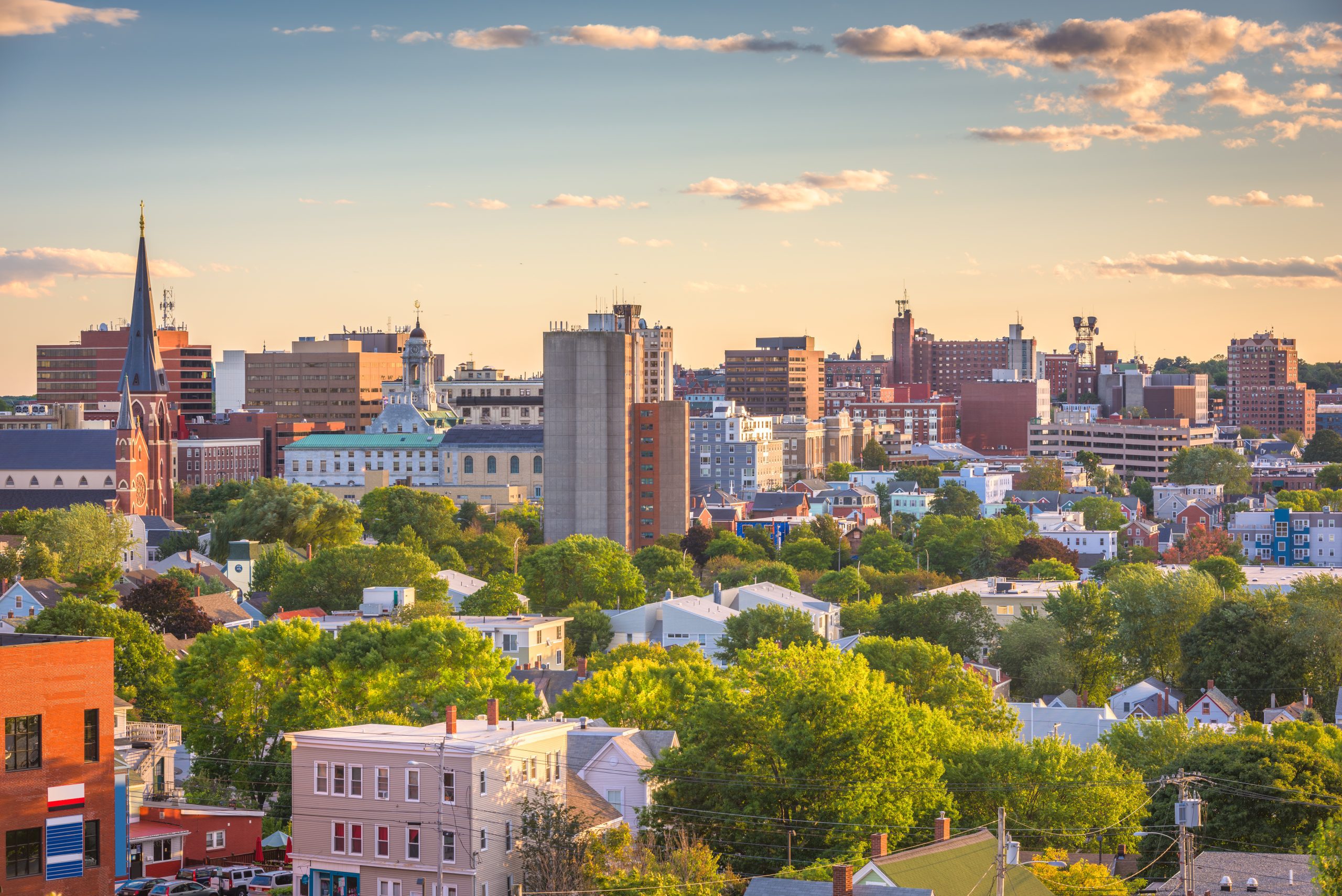


For decades, economic momentum in the United States concentrated around a handful of major metro areas. Cities like New York, Los Angeles, and San Francisco became synonymous with opportunity, capital, and innovation. That pattern is changing. Secondary cities are stepping into the spotlight, attracting businesses, talent, and investment at a pace that would have been difficult to imagine just a decade ago.
Secondary cities are typically mid sized metropolitan areas that offer strong infrastructure, access to talent, and a lower cost of doing business compared to primary markets. Locations such as Nashville, Raleigh, Austin, and Tampa are no longer considered alternatives. They are becoming destinations in their own right, drawing interest from both established companies and new ventures looking for a competitive edge.
This shift is not happening in isolation. It is tied to broader economic forces, including changes in how people work, how companies allocate capital, and how interest rates are influencing expansion decisions. The result is a redistribution of growth that is redefining where opportunity lives in America.
Interest rates have been one of the most talked about economic variables in recent years, and their impact extends far beyond borrowing costs. As rates rise, the cost of capital increases, which affects how companies evaluate new investments, expansions, and relocations. Businesses are becoming more selective, looking for markets where their capital stretches further.
In high cost primary cities, rising rates compound existing challenges such as expensive real estate, higher labor costs, and regulatory complexity. Secondary cities offer a different equation. Lower commercial rents, more affordable housing, and favorable tax environments can make the difference between a project moving forward or being postponed.
This dynamic has been especially noticeable in sectors like technology, logistics, and advanced manufacturing. Companies are weighing not just where they can operate, but where they can operate efficiently. When borrowing costs increase, efficiency becomes a central factor in decision making.
Developers and investors are also responding to this environment. Firms such as CBRE have reported growing interest in secondary markets for commercial real estate investments, particularly in regions where population growth and job creation are aligned. As financing becomes more expensive, the ability to acquire and develop properties at lower price points becomes increasingly attractive.
The rise of remote and hybrid work has reshaped the relationship between talent and geography. Professionals are no longer required to live in the same city as their employer, which has opened the door for migration to more affordable and livable regions. Secondary cities have become natural beneficiaries of this trend.
Companies that once needed to cluster in major urban centers to access skilled workers are now building distributed teams. This has reduced the premium on location and allowed businesses to consider a broader range of markets. At the same time, employees are seeking a better balance between cost of living and quality of life, which secondary cities often provide.
Educational institutions and local governments have also played a role in strengthening talent pipelines. Cities like Raleigh have benefited from proximity to major universities, while places like Austin have developed reputations as innovation hubs that rival more established markets.
Even large corporations are taking note. Oracle made headlines when it relocated its headquarters to Austin, signaling confidence in the region’s long term potential. Moves like this create ripple effects, attracting suppliers, service providers, and startups that want to be part of a growing ecosystem.
Real estate is often one of the largest expenses for any business. In secondary cities, the cost savings can be substantial, allowing companies to allocate resources toward growth initiatives rather than overhead. This advantage extends beyond office space to include industrial properties, retail locations, and housing for employees.
Infrastructure development has kept pace with this growth in many regions. Investments in transportation, broadband, and utilities have made it easier for businesses to operate efficiently outside of traditional hubs. Airports in cities like Nashville and Tampa have expanded their capacity, while logistics networks have become more sophisticated.
Companies involved in large scale development are recognizing these trends. Organizations such as Prologis have increased their presence in secondary markets, particularly in the logistics and warehousing sectors. As e commerce continues to evolve, proximity to consumers and transportation routes becomes a critical factor, and secondary cities often provide a strategic advantage.
Housing affordability also plays a role in attracting both businesses and employees. When workers can afford to live closer to where they work, it reduces commute times and improves overall productivity. This creates a more stable workforce and contributes to long term economic growth.
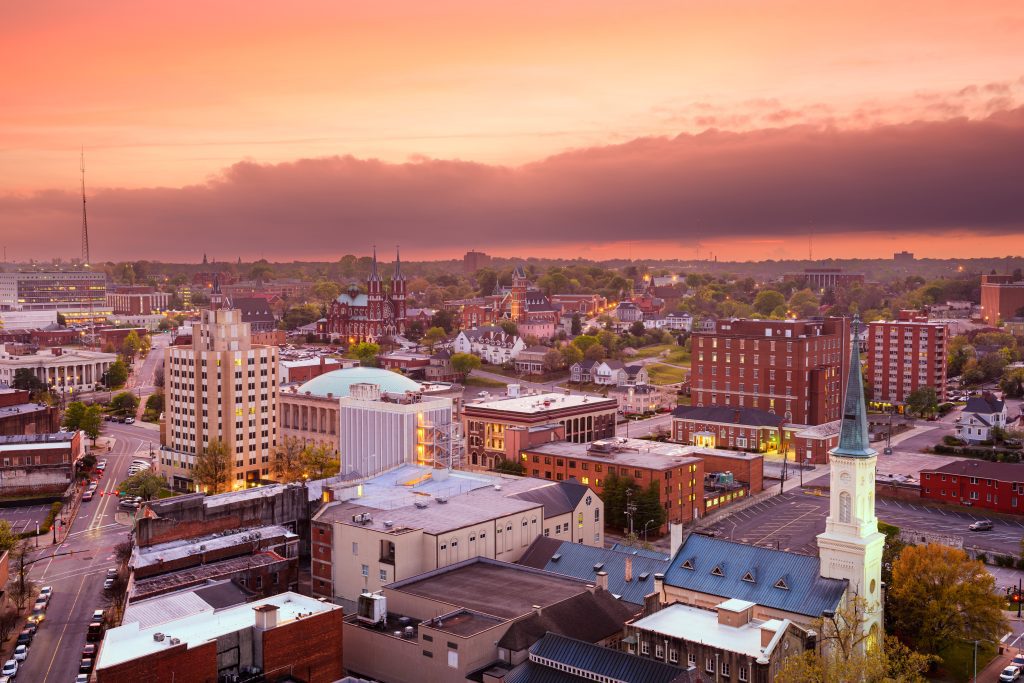
For entrepreneurs, secondary cities present a unique set of opportunities. Lower startup costs, access to local networks, and less saturated markets can make it easier to establish and grow a business. At the same time, these cities often have strong community support systems that encourage innovation and collaboration.
Local governments and economic development organizations frequently offer incentives to attract new businesses. These may include tax credits, grants, or assistance with site selection. While these programs vary by location, they can provide meaningful support during the early stages of a venture.
Startups in sectors such as healthcare, clean energy, and technology are finding that secondary cities offer the right balance between cost and capability. In some cases, being outside of a major hub allows companies to focus more on execution and less on competition for resources.
Incubators and accelerators are also expanding their presence beyond traditional markets. Organizations like Techstars have programs in multiple secondary cities, helping founders access mentorship, funding, and connections that can accelerate growth.
While the advantages are clear, secondary cities are not without challenges. Rapid growth can strain infrastructure, increase housing costs, and create pressure on local resources. Cities must balance development with sustainability to maintain their appeal.
Businesses entering these markets need to conduct thorough due diligence. Factors such as workforce availability, regulatory environments, and long term economic stability should be carefully evaluated. What works in one city may not translate directly to another.
There is also the question of scalability. As secondary cities grow, they may begin to face some of the same challenges as primary markets, including rising costs and increased competition. Companies need to think strategically about how they position themselves for both current and future conditions.
The rise of secondary cities reflects a broader transformation in how economic growth is distributed across the country. Instead of being concentrated in a few major hubs, opportunity is becoming more dispersed. This has implications for everything from infrastructure planning to investment strategies.
Financial institutions and investors are paying close attention to these trends. Capital is flowing into regions that demonstrate strong fundamentals, including population growth, job creation, and business friendly environments. Secondary cities that can sustain this momentum are likely to see continued interest from both domestic and international investors.
Companies like Blackstone have increased their focus on regional markets, recognizing that growth opportunities exist beyond traditional centers. This shift in investment patterns reinforces the idea that the next chapter of American growth will be more geographically diverse.
Secondary cities are no longer on the sidelines of economic development. They are becoming central players in shaping the future of business in the United States. For entrepreneurs and business owners, this shift presents a range of opportunities, from lower operating costs to access to emerging markets that are still in the early stages of growth.
Interest rates, workforce trends, and evolving business strategies are all contributing to this movement. Companies that recognize these dynamics and adapt their approach stand to benefit from a landscape that is changing in meaningful ways. The map of American growth is being redrawn, and secondary cities are at the center of that transformation.