
Commercial landscaping was once viewed primarily as a maintenance service. Property owners hired contractors to mow lawns, trim hedges, remove weeds, and keep outdoor areas presentable. Although those responsibilities remain…
Read More...


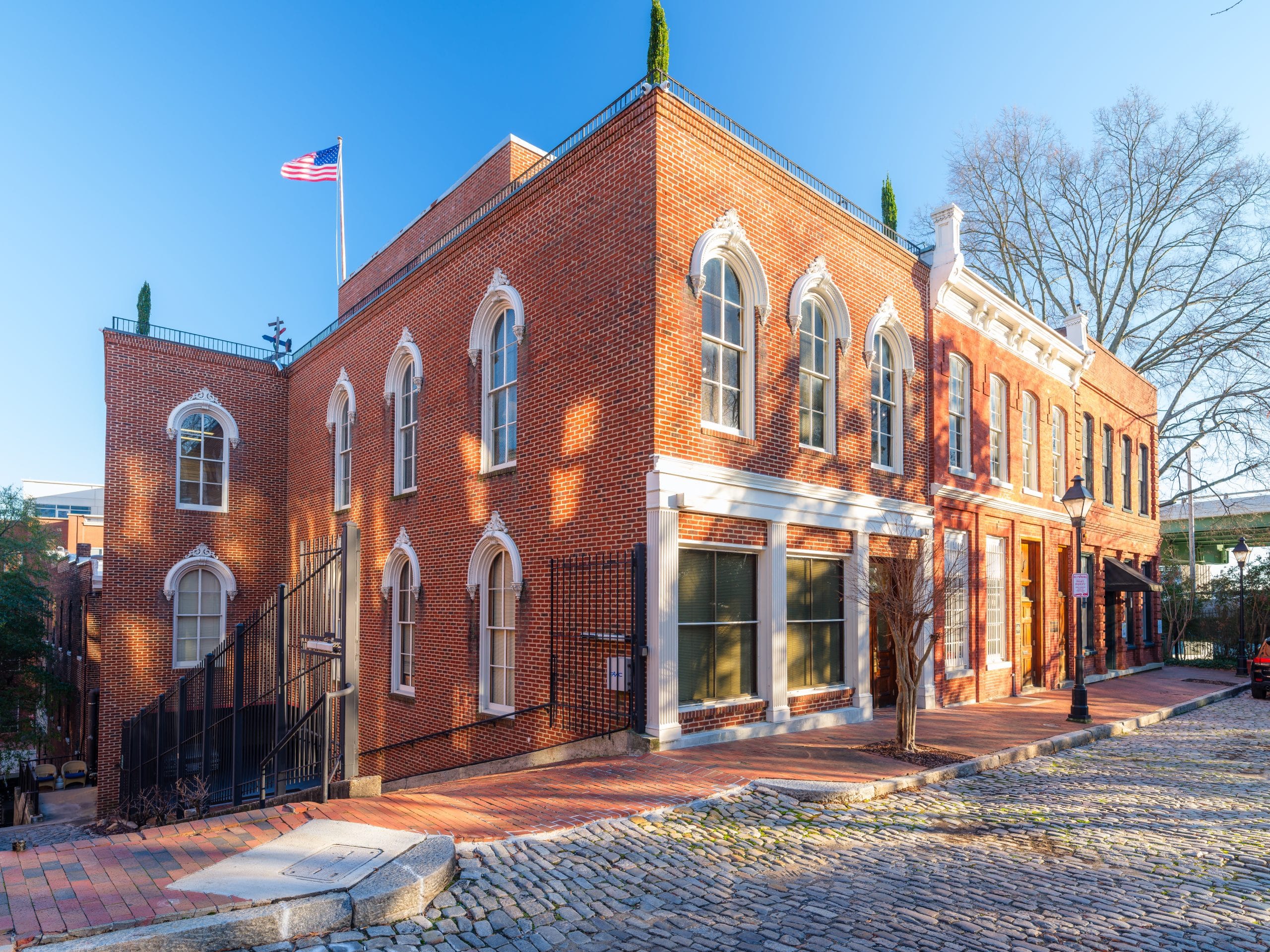


Historical landmarks are more than just remnants of the past. These architectural gems—whether they are old courthouses, train stations, mansions, churches, or industrial factories—carry character, craftsmanship, and a cultural story that modern construction rarely replicates. But the story does not have to stop at preservation. Many business owners are seeing the opportunity to turn these storied properties into vibrant, profit-generating spaces that attract customers, investors, and attention.
Renovating a historical landmark requires a different mindset than ground-up development. While there are often restrictions on what can be changed, these limitations can actually become strategic assets. Unique architecture, built-in community recognition, and government support through grants or tax credits often provide a head start when reimagining the space.
In some cases, the emotional connection people have with these places can be leveraged into brand loyalty. Consider how The Line Hotel in Washington, D.C., took over a 110-year-old church and transformed it into a boutique hotel. The preservation of the original architecture became part of the experience, attracting both design-conscious travelers and locals.
One of the first hurdles when working with a historical property is regulatory compliance. Historic landmark status can come with preservation board oversight and zoning constraints, which means any modifications must often be approved through formal processes. However, local governments tend to be supportive when the project includes public benefits, such as preserving cultural integrity or stimulating the local economy.
Many developers work closely with historic preservation consultants or firms that specialize in retrofitting old buildings for modern use. Heritage Consulting Inc. is one example of a firm that works with property owners and municipalities to align commercial use with preservation goals.
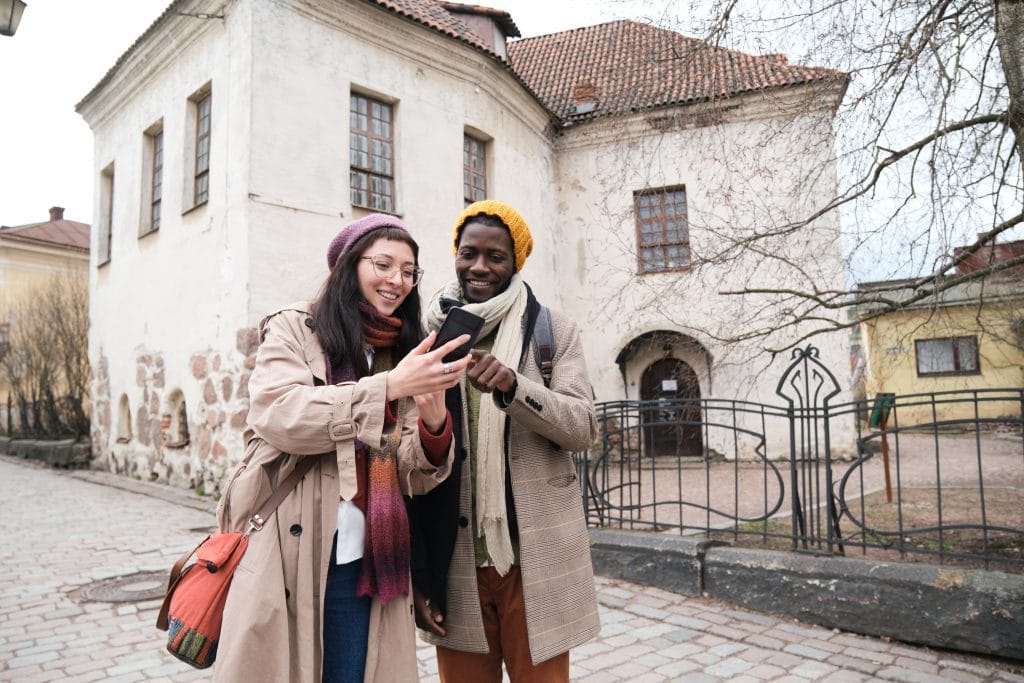
Repurposed landmarks naturally draw attention. Whether it is locals revisiting a familiar site or tourists seeking out a destination with a story, these locations tend to generate foot traffic organically. Businesses that succeed in these settings often lean into storytelling as a core part of their brand.
Take La Fabrica del Taco in Buenos Aires. This chain of restaurants took over old warehouses and designed their interiors to retain some of the industrial character. The result is a dining experience where the ambiance does as much work as the menu. In the U.S., similar tactics have been applied by hospitality brands like The Press Hotel in Portland, Maine, which is housed in a former newspaper headquarters.
Financing adaptive reuse projects can be complex, but there are multiple avenues to explore. Federal and state historic preservation tax credits can significantly reduce renovation costs. Additionally, some banks have niche lending arms that focus on these types of real estate projects. For instance, Live Oak Bank offers financing for specialized commercial ventures, including adaptive reuse.
Some developers also use crowdfunding platforms like Small Change to raise capital while involving the community in the process. This dual benefit of funding and public support often leads to higher engagement and buy-in when the project finally opens to the public.
When done right, repurposing a historical property can create ripple effects throughout a neighborhood. Revitalized landmarks can lead to more foot traffic, spark other businesses to open nearby, and generate goodwill among local stakeholders. Business owners who invest in these kinds of projects often benefit from media attention and local news coverage—free publicity that helps raise brand awareness.
In some cases, cities even partner with private businesses to make these restorations possible. Detroit’s Foundation Hotel is one such collaboration. Once a firehouse, the space now stands as a symbol of Detroit’s comeback story, blending civic pride with entrepreneurial ambition.
One of the key challenges is deciding how much of the old should remain. Business owners must balance preserving historical elements with creating a functional space for today’s consumer. That tension—between honoring the past and innovating for the future—is where creativity thrives.
Some opt for contrast, layering sleek, modern furniture against antique brick walls or cathedral ceilings. Others go all-in on the theme, curating every detail to reflect the original use of the space. Either strategy can work. What matters most is authenticity—letting the space tell a story while offering a modern experience.
Not every historical landmark suits every kind of business. A massive former train station may be perfect for a food hall or event venue, while a quaint Victorian home might better suit a law firm, upscale boutique, or bed-and-breakfast. Choosing the right model is more than a matter of aesthetics. It is about operational alignment—does the layout support the service? Are the logistics realistic given the age and configuration of the building?
Companies like Mindspace have had success converting historic spaces into flexible coworking offices, particularly in European markets. Their approach pairs open floor plans with original finishes, creating a stylish, professional environment that feels grounded in history but relevant to today’s work culture.

Using a historical landmark does not only enhance the visual appeal of a business—it can become a central part of its identity. It reflects a value system: that you respect what came before, that you see potential in places others might overlook, and that you are building something intended to last. These qualities resonate with customers who want their dollars to support businesses that are doing something meaningful.
Some brands, like Terrain, have gone a step further by not only using historical spaces but incorporating sustainability and conservation into their model. Their flagship location in Pennsylvania is housed in a former nursery and leverages the surrounding landscape to reinforce its nature-focused identity.
Transforming historical landmarks into profitable businesses is more than just a trend—it is a smart strategy that blends emotion, economics, and community connection. From boutique hotels and coworking spaces to restaurants and retail hubs, these properties offer something new by embracing something old. For business owners willing to navigate the complexities, the reward is not just financial. It is about creating something with soul—a space where the past adds value to the present and helps shape a more memorable future.