
Commercial landscaping was once viewed primarily as a maintenance service. Property owners hired contractors to mow lawns, trim hedges, remove weeds, and keep outdoor areas presentable. Although those responsibilities remain…
Read More...


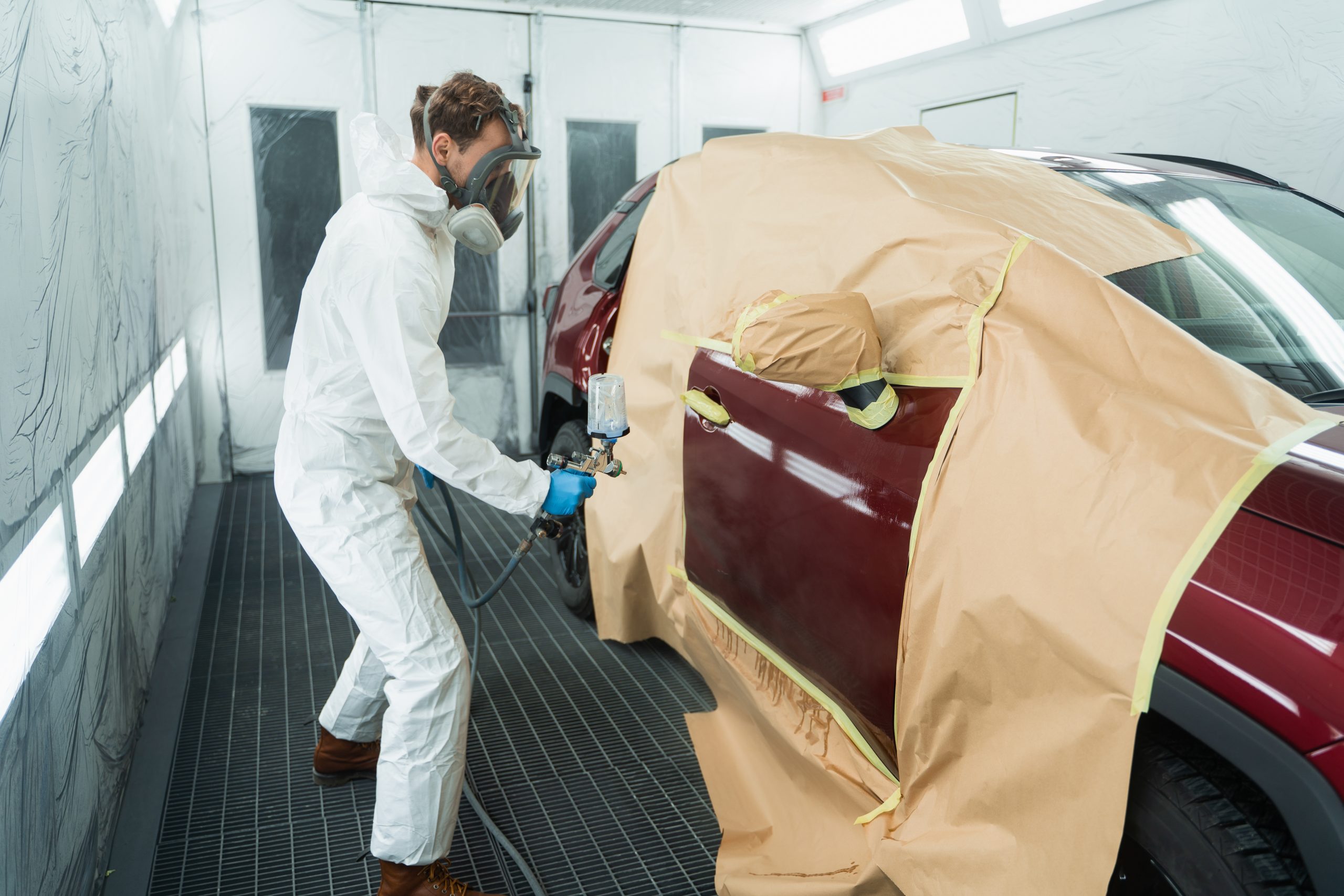


The used car market has taken on a new level of importance in recent years, driven by a combination of supply chain disruptions, shifting consumer preferences, and rising interest rates. What was once viewed as a secondary segment of the automotive industry has become a central pillar of profitability for dealers, independent operators, and even large fleet owners. As new vehicle prices climb and financing becomes more expensive, buyers are increasingly turning toward used vehicles as a practical alternative.
This shift has not only increased demand but has also elevated expectations. Buyers are no longer willing to accept older vehicles in average condition. They want cars that look, feel, and perform as close to new as possible. That demand has created a surge in reconditioning activity, transforming what used to be a back-end operation into a strategic business function.
Entrepreneurs and business owners are beginning to recognize that the real opportunity may not just be in selling used cars, but in improving them. Reconditioning has evolved into a specialized and scalable business model that supports dealerships, auction houses, and direct-to-consumer platforms.
Interest rates have become one of the most influential factors in automotive purchasing decisions. As borrowing costs rise, monthly payments for new vehicles increase significantly, often pushing buyers out of the new car market entirely. In response, many consumers shift their focus to used vehicles, where price points are lower and financing requirements are less burdensome.
This trend has been visible across multiple segments, from entry-level vehicles to premium brands. Even buyers who previously preferred leasing new cars are reconsidering their options. Higher rates make leasing less attractive, while the depreciation curve of used vehicles becomes more appealing. In effect, the used car market absorbs demand that would otherwise flow toward new inventory.
Companies like CarMax and Carvana have built entire business models around this dynamic. Their growth reflects a broader shift in how consumers view used vehicles, not as a compromise, but as a smart financial decision in a higher-rate environment.
Reconditioning used to be treated as a necessary expense. Vehicles came in through trade-ins or auctions, received basic repairs, and were placed on the lot. Today, that approach is no longer competitive. Buyers expect showroom-quality presentation, and online listings demand high-resolution imagery that exposes every imperfection.
This has led dealerships and independent operators to invest heavily in reconditioning capabilities. Cosmetic repairs, interior restoration, paint correction, and mechanical upgrades are now part of a structured process designed to maximize resale value. The difference between a minimally prepared vehicle and a fully reconditioned one can translate into thousands of dollars in additional margin.
Some organizations have taken this a step further by building centralized reconditioning hubs. Manheim, one of the largest automotive auction companies, has expanded its services to include full-scale vehicle refurbishment before resale. These facilities operate with efficiency similar to manufacturing environments, reducing turnaround times and improving consistency.
The growing importance of reconditioning has opened the door for new business models. Entrepreneurs are launching standalone reconditioning centers that service multiple dealerships, fleet operators, and even individual sellers. These businesses focus exclusively on improving vehicle condition, allowing clients to outsource a critical but labor-intensive function.
This specialization creates a range of opportunities. Some operators focus on high-volume cosmetic work, such as paintless dent repair and detailing. Others concentrate on mechanical restoration or certification processes for higher-end vehicles. Still others combine both, offering end-to-end solutions that prepare vehicles for retail sale.
Technology is also playing a role in this evolution. Platforms like Cox Automotive provide data analytics that help determine which reconditioning investments will yield the highest return. This allows businesses to prioritize repairs that directly impact pricing, rather than spending on unnecessary upgrades.
The shift toward online vehicle shopping has raised the bar for quality and transparency. Buyers are making decisions based on photos, videos, and inspection reports long before they see a car in person. This means that reconditioning is no longer just about physical improvements; it is also about presentation.
Companies like Vroom have demonstrated how digital-first platforms depend on consistent vehicle quality. A poorly reconditioned car leads to returns, negative reviews, and operational inefficiencies. On the other hand, a well-prepared vehicle builds trust and reduces friction in the sales process.
This environment has encouraged the adoption of standardized inspection protocols and certification programs. Vehicles are graded, documented, and marketed with a level of detail that was uncommon in the past. Reconditioning becomes part of a broader narrative about reliability and value, rather than just a behind-the-scenes activity.
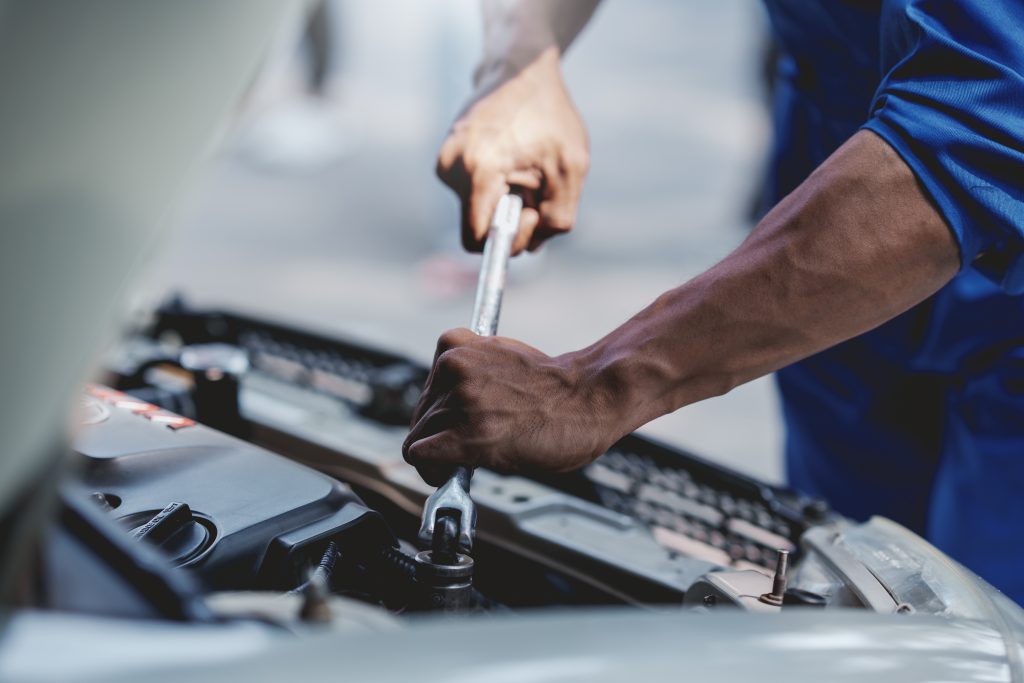
Another factor driving the reconditioning boom is the limited supply of new vehicles. Production disruptions and supply chain challenges have reduced the availability of new inventory, forcing dealers to rely more heavily on used vehicles to maintain sales volume.
In this context, every used vehicle becomes more valuable. Instead of quickly turning inventory, businesses are investing additional time and resources to upgrade each unit. The goal is to extract maximum value from a limited supply, rather than simply moving cars off the lot.
This dynamic has also increased competition at auctions and trade-in negotiations. Buyers are willing to pay more upfront for vehicles that can be reconditioned and resold at a premium. The ability to accurately assess reconditioning costs and potential resale value has become a critical skill.
The intersection of strong demand, higher consumer expectations, and constrained supply has created a compelling opportunity for new entrants. Reconditioning businesses can operate with relatively low overhead compared to traditional dealerships, while still benefiting from the broader growth of the used car market.
There are multiple entry points depending on capital and expertise. A small operation might begin with mobile detailing and cosmetic repairs, gradually expanding into a fixed facility. Larger ventures may focus on building regional reconditioning centers that serve multiple clients. In either case, the key is to align services with market demand and maintain consistent quality.
Partnerships also play an important role. Collaborating with dealerships, fleet operators, and online marketplaces can provide a steady stream of work. In some cases, businesses form exclusive agreements that guarantee volume in exchange for preferred pricing or service levels.
Pricing in the used car market has become more dynamic, influenced by real-time data on demand, inventory levels, and regional trends. Reconditioning decisions are increasingly guided by this data, allowing businesses to make more informed investments.
If a particular vehicle segment is experiencing strong demand, it may justify more extensive upgrades. Conversely, in a softer segment, minimal reconditioning may be sufficient to achieve a competitive price point. The ability to adjust strategies based on market conditions can significantly impact profitability.
Companies like Black Book and Kelley Blue Book provide valuation tools that support these decisions. By combining pricing data with reconditioning cost estimates, businesses can identify opportunities that others might overlook.
While the reconditioning boom presents significant opportunities, it also comes with challenges. Labor shortages in skilled trades such as auto body repair and mechanical work can limit capacity. Supply chain issues can delay parts and materials, extending turnaround times.
Quality control is another critical factor. Inconsistent work can damage reputation and reduce repeat business. This is particularly important in a market where online reviews and ratings influence purchasing decisions. Businesses must invest in training, processes, and oversight to maintain high standards.
Regulatory considerations also come into play, particularly for operations that involve emissions systems or safety-related components. Staying compliant with local and federal regulations is essential, not only for legal reasons but also for maintaining customer trust.
The used car market is no longer a secondary consideration within the automotive industry. It has become a primary driver of revenue and innovation, shaped by economic conditions, consumer behavior, and technological advancements. Rising interest rates have accelerated this shift, pushing more buyers toward used vehicles and increasing the importance of value and quality.
Reconditioning sits at the center of this transformation. What was once a routine process has evolved into a strategic advantage, offering opportunities for differentiation and growth. For entrepreneurs and business owners, this space presents a compelling mix of demand, scalability, and profitability. Those who can combine operational efficiency with a strong understanding of market dynamics are well positioned to benefit from the ongoing expansion of the used car ecosystem.