
Commercial landscaping was once viewed primarily as a maintenance service. Property owners hired contractors to mow lawns, trim hedges, remove weeds, and keep outdoor areas presentable. Although those responsibilities remain…
Read More...


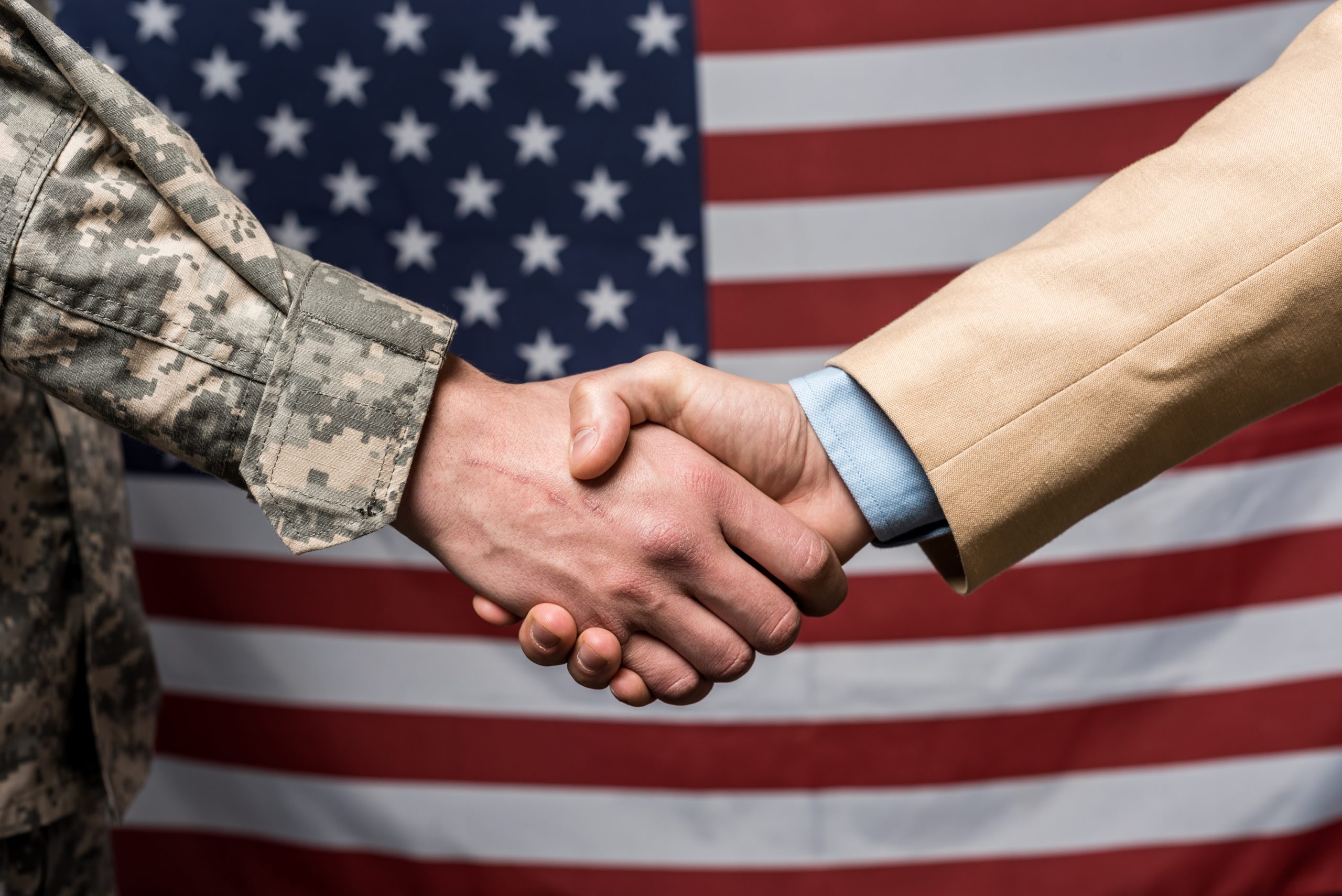


Leadership in business is often discussed through words like vision, strategy, innovation, and growth. Those qualities matter, but they do not tell the whole story. In uncertain markets, when borrowing costs remain high, customers are more selective, and owners have less room for financial mistakes, a different kind of leadership becomes especially valuable. Veterans often bring that kind of leadership into business.
The connection between military service and business leadership is not new, but it deserves more attention. Many veterans are trained in environments where preparation matters, communication has to be clear, and decisions must be made even when conditions are imperfect. Those habits can translate directly into entrepreneurship, management, operations, and long term business growth.
Veterans do not all lead the same way. Their experiences vary by branch, role, rank, assignments, deployment history, and personal background. Still, many veterans enter the business world with a mindset shaped by structure, responsibility, adaptability, and service. That combination can help business owners build stronger teams, handle pressure more effectively, and stay focused when the market becomes unpredictable.
One of the strongest qualities veterans bring to business is mission clarity. In the military, people are trained to understand the objective, know their role, and work toward a shared result. In business, that same thinking can help reduce confusion and improve execution.
Many companies struggle because the team does not fully understand what matters most. Owners may have one set of priorities, managers may have another, and employees may be left trying to interpret direction on their own. The result can be wasted time, inconsistent service, and missed opportunities. A veteran leader often approaches the issue by bringing the conversation back to the mission. What are we trying to accomplish? Why does it matter? Who is responsible for what?
That mission based mindset can be valuable in startups, small businesses, and growing companies. A business owner may have dozens of urgent issues competing for attention, including payroll, sales, hiring, customer service, financing, vendor management, marketing, and operations. Without a clear mission, the business can begin reacting to every problem instead of moving toward a defined goal.
Veterans are often comfortable simplifying the objective. They understand that people perform better when they know what they are working toward and why it matters. That does not mean business should be run like a military unit. Employees are not soldiers, and customers are not part of a command structure. However, clarity of purpose can make a major difference. A team that understands the goal is usually better prepared to make decisions, stay focused, and take ownership of results.
That is one reason veteran hiring and transition organizations such as Shift.org have become relevant in the business world. The value of veteran talent is not only technical ability. It is also the mindset that often comes from working in environments where effort has to be aligned with a larger purpose.
Business owners rarely get to make decisions with complete information. They may not know where interest rates are going, whether demand will soften, whether a key employee will leave, or whether a competitor will lower prices. Waiting too long can be as damaging as acting too quickly.
Veterans are often familiar with decision making under uncertainty. Military environments teach people to assess available information, understand risk, communicate direction, and adjust when conditions change. That skill is highly relevant in business, especially when markets are moving quickly and the cost of a wrong decision can be significant.
Consider a business owner deciding whether to expand, hire, finance new equipment, or open another location. In a low interest rate environment, the margin for error may feel wider. When capital is more expensive, the same decision requires greater discipline. A veteran leader may be more likely to ask practical questions before moving forward. What is the objective? What are the risks? What resources are available? What is the fallback plan? What happens if the first assumption is wrong?
This kind of thinking does not eliminate risk. Business always involves risk. However, it can create a more grounded decision making process. Instead of relying on excitement, ego, or pressure from competitors, the owner looks at the mission, the numbers, the timing, and the consequences.
Companies such as ID.me, which was co founded by a U.S. Army veteran, show how military influenced discipline can connect with large scale business execution. Building a trusted digital identity platform requires security, operational discipline, and credibility. Those are not abstract qualities. They matter in industries where mistakes can be expensive and trust is central to the business model.
Accountability is one of the most important leadership traits in business, but it is also one of the hardest to maintain. Many owners talk about accountability, yet their companies operate with unclear expectations, inconsistent follow through, and limited consequences when commitments are missed.
Veterans often bring a more direct understanding of accountability. In military settings, people are expected to know their responsibilities, complete assigned tasks, communicate problems early, and support the team. That approach can improve business culture when applied with fairness and professionalism.
In a company setting, accountability does not mean being harsh or rigid. It means people know what is expected of them. It means deadlines matter. It means problems are addressed instead of ignored. It means leaders do not blame the team for issues caused by poor planning at the top.
A veteran business leader may be especially effective at creating standards. Standards help employees understand what good performance looks like. They also help managers lead without relying on personality or emotion. When standards are clear, accountability becomes less personal and more operational.
This can be critical for small businesses. In a smaller company, one weak process can affect the entire operation. A missed customer follow up, an inventory mistake, a poorly handled service issue, or a failure to document a transaction can create real financial consequences. Veteran leaders often understand that details matter because small failures can turn into larger problems.
The current business environment continues to test owners. Financing is more expensive than it was during the ultra low rate years, consumers are selective with spending, and companies are watching costs closely. In that kind of setting, resilience becomes more than a motivational word. It becomes a practical business advantage.
Veterans often have experience operating in demanding environments where conditions are not ideal. They may be used to long hours, changing plans, limited resources, and high pressure situations. That background can shape how they respond when business conditions become difficult.
A resilient leader does not pretend problems are small. A resilient leader recognizes the problem, communicates honestly, and keeps the team moving. That matters when a business loses a major customer, faces a cash flow crunch, or has to restructure expenses. Employees watch how leaders behave during difficult moments. If the leader panics, the team often follows. If the leader stays focused and realistic, the team has a better chance of staying productive.
Veteran founded brands sometimes build part of their identity around resilience and mission. Black Rifle Coffee Company is one of the more visible examples, using a veteran connected brand identity in a competitive consumer products market. Regardless of how someone views any specific brand, it shows how military experience can become part of a company story, culture, and customer connection.
The larger lesson for business owners is not that every company needs to market itself around military service. The lesson is that resilience can be part of the operating model. A business that expects challenges, plans for disruption, and trains people to respond constructively will usually be better positioned than one that assumes everything will go according to plan.
Many companies use the word teamwork, but not all companies operate like true teams. In some businesses, departments compete with each other, employees protect information, and managers focus more on credit than results. Veterans often bring a different perspective because military success depends heavily on trust and coordination.
In business, teamwork has to be more than a slogan. Sales needs to communicate with operations. Operations needs to understand customer promises. Finance needs accurate information from the field. Leadership needs to know what is happening before problems become unmanageable. When teams do not communicate, the business pays the price.
Veterans often understand chain of communication, role clarity, and the importance of the group over individual recognition. That can help businesses avoid internal confusion. It can also help owners build cultures where people take responsibility for the outcome, not just their own job description.
This is particularly important in service businesses, logistics, construction, manufacturing, hospitality, and other industries where execution depends on coordination. If one person fails to communicate, the customer experience can suffer. A veteran leader may be more likely to build systems that reduce confusion and create better handoffs between people and departments.
Teamwork also matters in entrepreneurship. A founder may start alone, but no company grows alone. Even a solo owner relies on vendors, customers, contractors, lenders, advisors, and employees. Veterans often understand that a mission succeeds because people work together with discipline and trust.
Business conditions rarely stay still. Technology changes. Customer expectations change. Capital markets change. Regulations change. Competition changes. Companies that cannot adapt eventually fall behind.
Veterans often bring adaptability because military service frequently requires adjusting to new environments, new people, new assignments, and changing conditions. That flexibility can be a powerful business asset.
Adaptability does not mean chasing every trend. It means knowing when to adjust the plan without abandoning the mission. A company may need to shift its marketing, refine its pricing, change vendors, adopt new software, or redesign part of its customer experience. The leader has to know the difference between discipline and stubbornness.
A veteran leader may be comfortable with the idea that plans are necessary, but plans may need to change. That mindset is useful in business. A written plan can guide a company, but the market will always have its own opinion. Owners who treat the original plan as untouchable may miss important signals. Owners who change direction every week may confuse the team. The better approach is disciplined adaptability.
Companies such as R. Riveter, a brand connected to military spouse entrepreneurship, show how mission, adaptability, and commerce can intersect. The company built a business model around flexible work opportunities and American made products, showing that military connected communities often think creatively about work, mobility, and opportunity.
Clear communication is one of the most underrated business skills. A leader can have a strong strategy, but if the team does not understand it, execution will suffer. Veterans often bring communication habits that are direct, structured, and practical.
In business, poor communication can create expensive problems. Employees may duplicate work, misunderstand customer commitments, miss deadlines, or make assumptions that are not accurate. Customers may become frustrated when they receive different answers from different people. Vendors may lose confidence if instructions keep changing.
Veteran leaders often value briefings, updates, and confirmation of responsibilities. Those habits can translate into stronger meetings, clearer project management, and better internal reporting. The point is not to make the workplace overly formal. The point is to reduce ambiguity.
A business owner can learn from this approach by making communication more intentional. What does the team need to know? Who owns the next step? What is the deadline? What could go wrong? Who needs to be updated? These questions sound simple, but many businesses do not ask them consistently.
Clear communication is especially valuable when money is tight or growth is slowing. In a higher cost environment, mistakes become more expensive. Miscommunication can lead to wasted labor, lost sales, unnecessary purchases, or damaged customer relationships. Better communication helps protect the business.
Veterans are often well suited for entrepreneurship because they are used to responsibility, discipline, structure, and problem solving. Starting a business requires all of those qualities. It also requires persistence when the early stages are uncomfortable.
Entrepreneurship is not only about having a good idea. Many people have good ideas. The hard part is execution. A founder has to sell, manage cash, build systems, make decisions, handle rejection, and keep going when progress is slower than expected. Veterans may be familiar with that kind of persistence.
Veteran entrepreneurs may also be comfortable taking ownership. In the military, responsibility can come early and carry real consequences. In business, owners need that sense of ownership. They cannot blame the market for every issue. They have to look at the numbers, listen to customers, manage people, and make improvements.
Organizations such as the U.S. Small Business Administration provide resources for veteran business owners, including contracting programs and support initiatives. Access to those resources can matter, especially for veterans who are transitioning from service into ownership or looking to grow an existing company.
At the same time, veteran entrepreneurs face challenges. Transitioning from military service to civilian business can involve a learning curve. Access to capital, industry contacts, licensing requirements, and marketing knowledge can all become obstacles. The leadership skills may be strong, but the business environment has its own rules. That is why mentorship, training, and professional networks can be so valuable.
Even business owners who have never served can learn from veteran leadership. The lessons are practical and can be applied across many industries.
The first lesson is clarity. People need to know the mission, the priorities, and the standard. A company with vague goals will often produce vague results.
The second lesson is preparation. Veterans often understand that preparation is not wasted time. In business, preparation can mean better financial planning, stronger employee training, cleaner processes, and more thoughtful risk management.
The third lesson is calm execution. Problems will happen. The question is whether leadership responds with panic or discipline. A calm leader can still move quickly. In fact, calm leadership often makes faster action possible because the team is not distracted by confusion.
The fourth lesson is accountability. A strong culture does not excuse repeated poor performance, missed commitments, or unclear ownership. Accountability protects the company and respects the people who are doing their jobs well.
The fifth lesson is service. Good leadership is not only about authority. It is about responsibility to the mission, the team, the customer, and the organization. Many veterans understand that leadership requires service before status.
Veterans bring a different kind of leadership to business because their experience often emphasizes mission, discipline, adaptability, accountability, and calm decision making under pressure. Those qualities are valuable in any economy, but they become even more important when borrowing costs remain elevated, growth is harder to achieve, and owners need to make careful decisions with limited room for mistakes. Business leadership is not about copying military culture. It is about learning from the habits that help people perform when the stakes are high. Veterans have often lived those lessons before entering the business world, and that experience can make them powerful founders, managers, advisors, and team leaders. For entrepreneurs and business owners, the broader takeaway is clear: strong leadership is not built only in boardrooms. Sometimes it is built in places where discipline, service, and responsibility are part of daily life.