
Every business has employees who consistently exceed expectations, others who reliably meet them, and some who struggle to deliver the results their positions require. Managing different levels of performance is…
Read More...


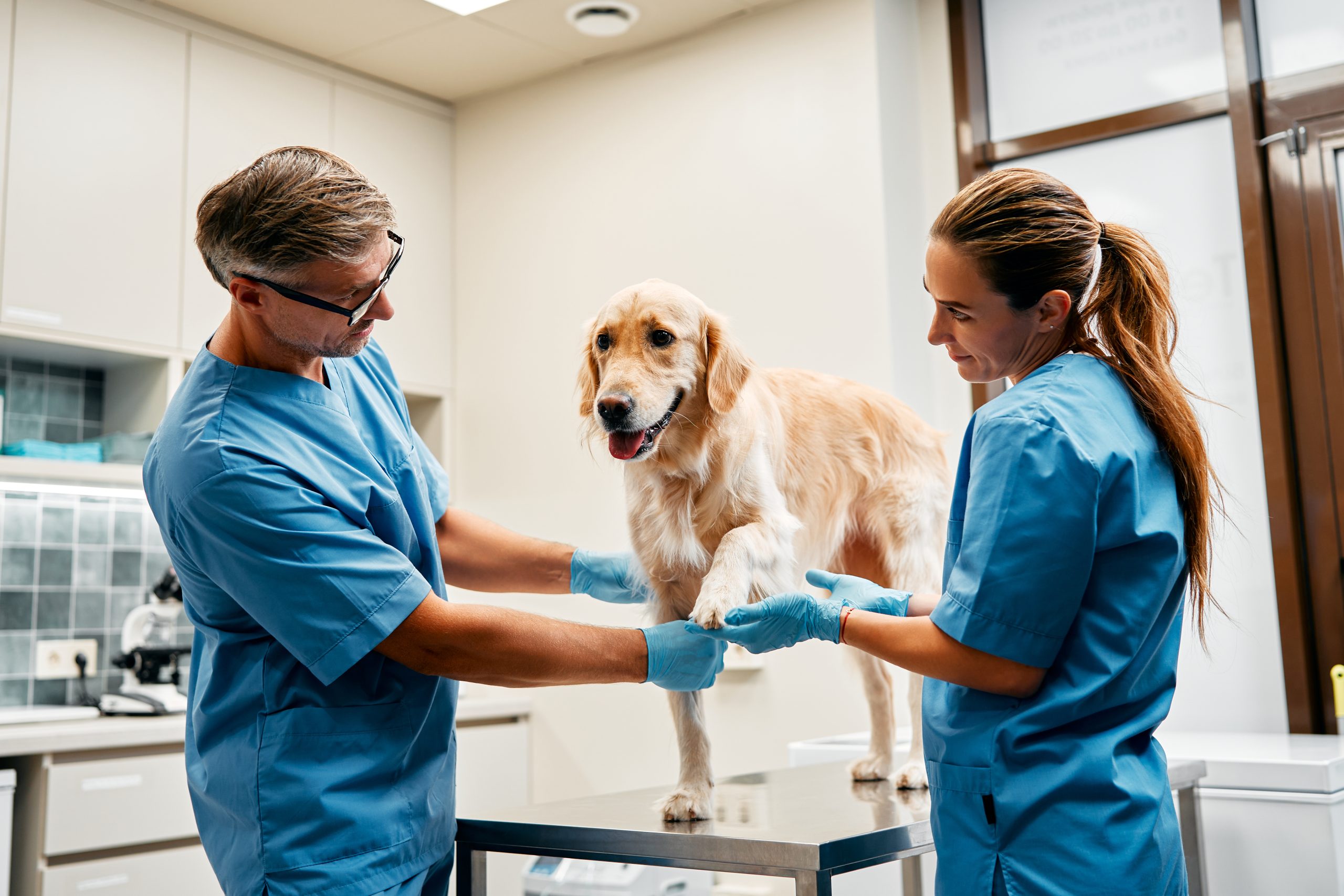


Veterinary Clinics have moved from being traditional local service businesses to highly attractive acquisition targets for private equity groups, corporate operators, family offices, and strategic buyers. What used to be viewed as a small professional practice category is now being studied through the same lens as dental practices, urgent care centers, physical therapy groups, and other healthcare related service businesses with repeat customers and steady demand.
The reason is not difficult to understand. Pets have become an important part of American household spending. Many owners treat pet care as a necessary expense rather than a luxury. Even when consumers become more cautious because of inflation, higher interest rates, or uncertainty in the broader economy, they still need vaccinations, exams, diagnostics, medication, emergency care, dental care, and end of life services for their animals. That gives veterinary practices a level of demand stability that many other local businesses do not have.
For entrepreneurs and business owners, the rise of veterinary acquisitions is worth watching. It shows how investors think about fragmented industries, recurring revenue, professional services, labor shortages, and consolidation. It also shows how a business does not have to be flashy to become valuable. A well run veterinary clinic with strong client relationships, clean financials, good systems, and a dependable team can become a serious acquisition candidate.
Buyers like businesses that solve ongoing problems. Veterinary Clinics do exactly that. Pet owners do not usually visit a veterinarian once and disappear forever. A healthy pet still needs annual exams, vaccines, flea and tick prevention, dental cleanings, prescription refills, and routine monitoring. An aging pet may need more frequent visits, lab work, imaging, pain management, or specialty referrals. That repeat relationship creates predictable revenue and a valuable customer base.
Another reason buyers like the space is the emotional connection between customers and the service. Pet owners often build long term trust with a clinic. They know the front desk staff, the technicians, and the veterinarians. When that relationship is handled properly, customer retention can be strong. A clinic that has served the same community for years is not just selling appointments. It is selling trust, convenience, and peace of mind.
The industry is also fragmented. Many veterinary practices are still independently owned or operate with a small number of locations. Fragmentation creates opportunity for buyers that want to build regional or national platforms. A buyer may acquire one strong clinic, then add nearby practices, centralize administrative functions, improve purchasing power, and create a larger operating company. That roll up strategy has been used in many industries, and veterinary care has become one of the more active areas.
Companies such as Mars Veterinary Health, which is connected to brands such as Banfield Pet Hospital, VCA Animal Hospitals, and BluePearl Pet Hospital, show how large operators have become a major force in pet healthcare. Other platforms, including National Veterinary Associates, VetCor, and Thrive Pet Healthcare, have also helped turn veterinary practice ownership into a more sophisticated acquisition market.
Interest rates matter in almost every acquisition market, and veterinary clinics are no exception. When rates are low, buyers can often borrow more cheaply, which can support higher valuations. When rates are elevated, the math becomes more demanding. Debt payments are higher, lenders become more selective, and buyers may need stronger earnings to justify the purchase price.
That does not mean veterinary acquisitions stop. It means buyers become more careful. A clinic with weak margins, messy books, high staff turnover, or declining revenue may not attract the same attention it would have received during a looser credit environment. On the other hand, a clinic with stable earnings, strong doctor retention, modern systems, and a loyal client base can still be attractive because buyers are looking for quality.
This is an important lesson for any entrepreneur. In an elevated rate environment, buyers are not just buying growth stories. They are buying durability. They want to know whether the business can handle payroll, rent, equipment costs, insurance, software, and debt service while still producing cash flow. Veterinary Clinics that can prove that kind of durability may stand out even when financing is more expensive.
Higher interest rates can also influence deal structure. A seller might see more earnouts, rollover equity, seller financing, or performance based payments. Instead of receiving the entire purchase price at closing, the seller may be asked to keep some money tied to future performance. For clinic owners, that makes preparation even more important. The cleaner the financials and the stronger the management team, the more negotiating power the seller may have.
Many independent veterinary clinic owners are highly skilled practitioners, but that does not mean they want to spend their entire career managing payroll, software, staffing shortages, lease negotiations, marketing, insurance, compliance, and vendor contracts. Running a clinic can become exhausting, especially when the owner is also seeing patients.
A sale can give an owner a way to reduce administrative pressure, take chips off the table, and create a succession plan. Some owners stay on after a transaction and continue practicing medicine, while the buyer takes over back office responsibilities. Others use the sale as part of a retirement plan. In either case, the acquisition market gives owners more options than they may have had years ago.
There is also a generational shift happening. Some younger veterinarians may not want to buy a practice in the traditional sense. Student debt, lifestyle preferences, staffing challenges, and the complexity of ownership can make entrepreneurship less appealing in the old model. That can leave older clinic owners searching for exit options beyond selling to an associate veterinarian.
For buyers, that creates opportunity. A clinic with a respected local brand and no clear internal successor can become a strong acquisition target. The buyer gets the operating history, client base, staff, location, and goodwill. The seller gets liquidity and a path forward.
A veterinary clinic does not become a great acquisition target simply because it has revenue. Buyers care about the quality of that revenue. They look at profit margins, doctor production, appointment volume, average transaction value, customer retention, service mix, and the condition of the facility. They also study whether the clinic depends too heavily on one owner veterinarian.
If the owner is the brand, the top producer, the key manager, and the main relationship holder, the buyer may see risk. If that owner leaves after closing, revenue could fall. Stronger acquisition targets usually have a deeper team, good technician utilization, documented processes, and a client base connected to the clinic rather than only one individual.
Technology matters as well. Clinics using modern practice management systems, digital records, online booking, automated reminders, and better inventory controls may be easier to integrate after a sale. Businesses such as IDEXX Laboratories and Zoetis show how diagnostics, pharmaceuticals, data, and animal health products have become part of a larger veterinary ecosystem. A clinic that already operates with professional systems can look more attractive to a buyer than one still running on outdated workflows.
Location is another major factor. A clinic in a growing suburb with strong household income, high pet ownership, and limited competition may command more interest than one in a shrinking market. Buyers also look for expansion potential. Can the clinic add exam rooms? Can hours be extended? Is there space for dental, imaging, grooming, boarding, urgent care, or specialty services? A buyer wants to know not only what the clinic is today, but what it could become with capital and better operations.
Veterinary medicine is part of a much larger pet economy. Consumers spend on food, insurance, medication, grooming, boarding, training, toys, and subscription products. That broader ecosystem makes veterinary clinics even more interesting because they sit close to the center of pet ownership.
Companies such as Chewy have changed how pet owners buy food, medication, and supplies. Pet insurance companies such as Trupanion have helped more owners think about financing larger veterinary bills. While insurance penetration in the United States still has room to grow, any increase in coverage can influence how much care pet owners are willing or able to approve.
This matters for acquisitions because buyers are not only looking at today’s exam fees. They are thinking about future services, customer lifetime value, pharmacy revenue, wellness plans, diagnostics, and specialty referrals. A veterinary clinic with a strong local client base can become a platform for several related revenue streams.
That said, buyers must be careful. Pet owners are becoming more price sensitive, and veterinary bills can create real stress for families. Clinics that raise prices too aggressively after acquisition risk damaging the trust that made the practice valuable in the first place. The best operators understand that growth cannot come only from price increases. It also has to come from better scheduling, stronger communication, improved service offerings, operational discipline, and patient care that clients believe in.

As veterinary consolidation grows, regulators and policymakers are paying closer attention. Concerns often center on competition, pricing, consumer choice, and the role of corporate ownership in professional healthcare services. The more acquisition activity occurs in a specific market, the more questions may arise about whether local competition is being reduced.
This does not mean acquisitions are going away. It means buyers need to be more thoughtful. Deal teams may need stronger legal review, market analysis, and compliance planning. They may also need to understand state level rules around veterinary ownership, management service organizations, and professional control.
For entrepreneurs, this is another reminder that growth through acquisition is not only about capital. It is about structure. A roll up strategy can look great in a spreadsheet, but the details matter. Who owns the clinical entity? Who employs the veterinarians? Who controls medical decisions? How are management fees structured? Are noncompete agreements enforceable? Are state rules changing? These questions can affect the value and risk of a deal.
Not every entrepreneur interested in this trend needs to buy a veterinary clinic. There are opportunities around the industry as well. Veterinary practices need marketing, recruiting, accounting, billing support, equipment financing, software implementation, facility design, cleaning, waste disposal, inventory management, and client communication tools.
A business owner could build a service company that supports independent clinics trying to compete with larger corporate groups. Another could create a staffing solution for relief veterinarians or technicians. Someone else might focus on local SEO, appointment conversion, or reputation management for animal hospitals. The acquisition wave creates pressure, and pressure creates demand for specialized services.
Independent clinics may need help professionalizing their operations before they sell. That creates a market for consultants who can clean up financial reporting, improve workflows, install management dashboards, renegotiate vendor contracts, and prepare a business for due diligence. In many industries, the businesses that serve the acquisition market can be just as interesting as the businesses being acquired.
A clinic owner who may sell in the next few years should start preparing early. Buyers will want to see accurate financial statements, clear revenue categories, payroll details, lease terms, equipment lists, vendor contracts, associate veterinarian agreements, and production data. Waiting until a buyer appears can create unnecessary stress and may weaken the seller’s position.
Owners should also think about the story of the business. What makes the clinic special? Is it a long standing community brand? Does it have a strong dental program? Is it known for urgent care, senior pets, exotic animals, or high quality diagnostics? Does it have room to expand? A buyer is not only buying numbers. A buyer is buying a future opportunity.
Staff retention is critical. A veterinary clinic with unhappy employees or unstable doctor coverage can quickly lose value. Before a sale process begins, owners should look at compensation, scheduling, culture, training, and leadership. In a people driven business, the team is part of the asset.
Veterinary Clinics are becoming prime acquisition targets because they combine several qualities investors like: recurring demand, loyal customers, fragmented ownership, professional services, and room for operational improvement. Higher interest rates have made buyers more selective, but they have not removed interest in the sector. If anything, the current environment rewards better run clinics and punishes weaker ones. For entrepreneurs, the lesson is larger than veterinary medicine. Quiet industries with dependable cash flow can become major acquisition markets when investors discover that the fundamentals are strong. Whether someone owns a clinic, wants to buy one, or hopes to build a service business around the pet care economy, veterinary consolidation is a trend worth watching closely.