
Commercial landscaping was once viewed primarily as a maintenance service. Property owners hired contractors to mow lawns, trim hedges, remove weeds, and keep outdoor areas presentable. Although those responsibilities remain…
Read More...


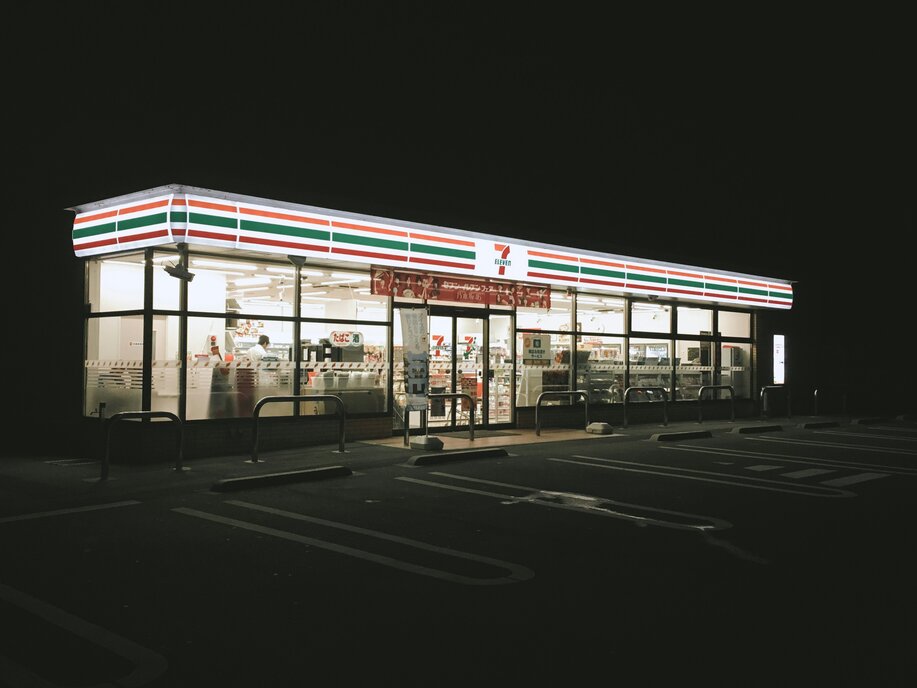


When a brand as recognizable as 7-Eleven announces the closure of hundreds of stores, it immediately draws attention. At first glance, it may look like a contraction driven by declining performance. In reality, the move reflects a calculated transition in how convenience retail operates in a rapidly changing economic environment.
The traditional convenience store model was built on proximity and speed. Customers would stop in for fuel, snacks, and quick purchases on the way to somewhere else. That model worked for decades, particularly when fuel traffic drove consistent footfall. Today, that dynamic is shifting. Consumer expectations are evolving, and the economics of running smaller, lower margin locations have become more challenging, especially in a higher interest rate environment.
This is not simply about closing underperforming stores. It is about reallocating capital, improving margins, and redefining what a convenience store represents in 2026 and beyond.
One of the most important factors influencing these decisions is the broader economic backdrop, particularly interest rates. Over the past few years, borrowing costs have increased significantly. For large operators with extensive real estate footprints, that change impacts everything from expansion plans to lease negotiations and capital improvements.
When interest rates rise, the cost of maintaining and financing a large number of locations increases. Margins become tighter, and the tolerance for underperforming assets declines. Companies are forced to evaluate each location more critically, asking whether it contributes meaningfully to overall profitability.
In this environment, fewer stores with stronger performance can be more attractive than a larger footprint with inconsistent returns. This is especially true when capital can be redirected into higher yield initiatives, such as upgraded locations or new formats that generate more revenue per square foot.
Retailers are no longer chasing scale for its own sake. They are focused on efficiency, return on investment, and resilience in a costlier financial landscape.
Another key driver behind the shift is the changing definition of convenience. Speed alone is no longer enough. Consumers are increasingly looking for quality, variety, and a better overall experience, even in quick stop environments.
This is where 7-Eleven is making a noticeable pivot. Instead of relying primarily on packaged goods and fuel traffic, the company is leaning into food offerings and enhanced store formats. The goal is to compete not just with other convenience stores, but with fast casual dining and quick service restaurants.
Chains like Wawa and Sheetz have already demonstrated the potential of this model. Their emphasis on fresh food, made to order options, and inviting store layouts has attracted a different kind of customer. These locations are not just stops along the way. They are destinations.
By closing smaller or less adaptable stores and investing in larger, more modern formats, 7-Eleven is aligning itself with this trend. It is a recognition that the future of convenience retail lies in blending speed with experience.
The idea of operating fewer stores might seem counterintuitive for a company built on widespread presence. However, when viewed through the lens of unit economics, it becomes more compelling.
Each store represents a combination of fixed and variable costs. Rent, utilities, staffing, and inventory all contribute to the overall expense structure. If a location is not generating sufficient revenue to justify those costs, it becomes a drag on the business.
By consolidating operations and focusing on higher performing stores, companies can improve their overall margin profile. Larger locations often allow for expanded product offerings, higher ticket sizes, and better operational efficiency. They can also support new revenue streams, such as prepared food, which typically carries higher margins than packaged goods.
This approach mirrors strategies seen in other retail sectors. Best Buy, for instance, has refined its store footprint over the years to focus on locations that align with its evolving business model. Similarly, Kohl’s has experimented with smaller formats and strategic partnerships to drive traffic and improve profitability.
In each case, the goal is not simply to reduce costs, but to optimize the relationship between revenue and investment.
Real estate has always been a central component of convenience retail. Location remains critical, but the criteria for what makes a location valuable are changing.
In the past, proximity to major roadways and high traffic areas was often enough to justify a store. Today, operators are looking more closely at demographic trends, local competition, and the potential for expanded offerings. A site that cannot support a larger format or enhanced services may no longer fit the long term strategy.
Additionally, lease structures and property ownership play a role. In a higher interest rate environment, the cost of holding or financing real estate becomes more significant. This encourages companies to evaluate whether their current portfolio aligns with future goals.
Some locations may be repurposed, while others are closed outright. In certain cases, properties may even be sold or redeveloped, unlocking capital that can be reinvested elsewhere.
This level of strategic real estate management is becoming more common across industries, particularly as companies look to remain agile in uncertain economic conditions.

Convenience stores are no longer competing solely with each other. The competitive landscape has expanded dramatically.
Quick service restaurants, grocery stores, and even specialty food retailers are all vying for the same customer base. Companies like Dollar General have expanded their food offerings, while regional chains such as Casey’s have built strong reputations around prepared meals.
At the same time, delivery services and mobile ordering have changed how consumers access food and everyday items. The ability to have products delivered directly to the door reduces the need for frequent in store visits, particularly for routine purchases.
In this environment, convenience stores must offer something distinct. Whether it is high quality food, a superior in store experience, or unique product offerings, differentiation has become essential.
7-Eleven is responding to this broader competitive pressure by rethinking its store network. It is not enough to be nearby. The store itself must provide a compelling reason to visit.
Consumer preferences are shifting in ways that directly impact the convenience store model. Health consciousness, demand for fresh food, and interest in higher quality ingredients are influencing purchasing decisions.
At the same time, younger consumers often prioritize experience and brand perception. They are more likely to choose a location that aligns with their expectations around quality and convenience, even if it requires a slightly longer trip.
This shift creates both challenges and opportunities. Stores that adapt to these preferences can capture new segments of the market. Those that do not may struggle to maintain relevance.
7-Eleven is leaning into enhanced food offerings and updated store formats as a way to meet customers where they are today.
There is a broader lesson here that extends well beyond the convenience store industry. Businesses of all sizes can learn from how large operators respond to changing conditions.
One key takeaway is the importance of adaptability. Markets evolve, and strategies that once worked may no longer be effective. The willingness to reassess and make difficult decisions can be the difference between stagnation and growth.
Another takeaway is the value of focusing on core strengths. Rather than trying to maintain a wide footprint at all costs, 7-Eleven is concentrating on locations and formats that align with its future direction.
There is also a lesson in capital allocation. In a higher interest rate environment, every investment carries a greater cost. Businesses must be more selective about where they deploy resources, prioritizing initiatives that offer the greatest potential return.
Finally, the importance of understanding customer behavior remains central to long term success.
The changes taking place at 7-Eleven are part of a larger transformation within retail. The combination of economic pressures, technological advancements, and evolving consumer expectations is reshaping the industry.
Retailers are becoming more strategic about their physical presence, integrating digital capabilities, and exploring new ways to engage customers. The lines between different types of retail are blurring, creating both challenges and opportunities.
As this transformation continues, more companies will revisit their store networks and operating models. The emphasis will remain on efficiency, differentiation, and the ability to deliver value in a competitive landscape.
The decision by 7-Eleven to close hundreds of stores is not a sign of retreat. It is a strategic adjustment to a new set of realities. Rising interest rates, changing consumer expectations, and increased competition are all influencing how retail businesses operate.
For entrepreneurs and business owners, the message is clear. Growth is not just about expansion. It is about making informed decisions, allocating resources wisely, and staying aligned with the direction of the market.
Companies that recognize when to refine their approach, even when it involves difficult choices, are often the ones that remain relevant over the long term.
#
Photo by Ruby Khoesial on Unsplash