Businesses often devote enormous attention to the initial sale. Manufacturers compete over product features, sales teams chase new customers, marketing departments spend heavily on customer acquisition, and executives track unit…
Read More...


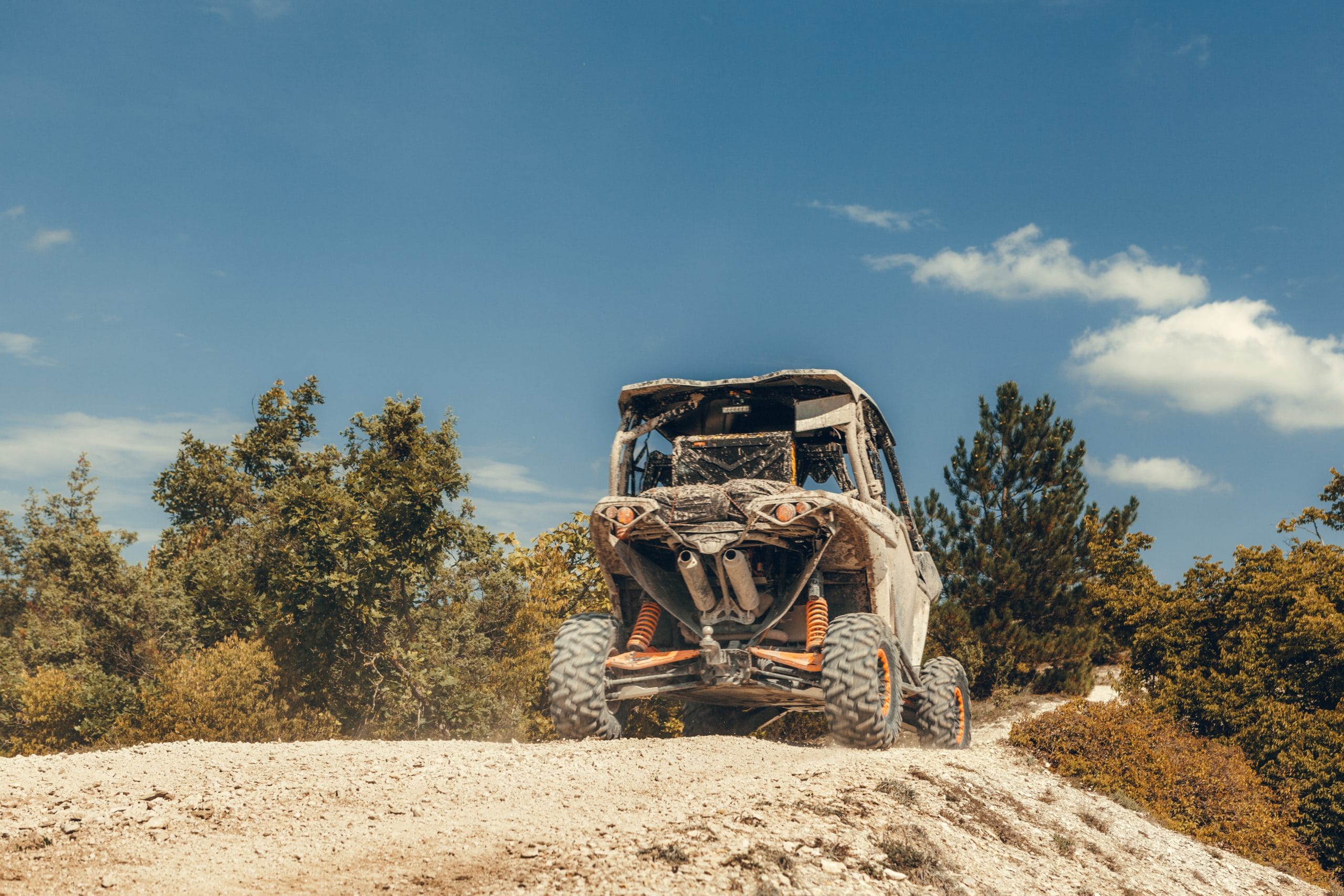


The off-road vehicle segment is expanding and attracting business owners who see long term opportunity in outdoor recreation, adventure travel, and utility equipment. What was once a niche market for hobbyists has grown into a global industry driven by changing lifestyles, increasing land access in many regions, and a rise in specialized vehicle applications. Entrepreneurs who step into this space are discovering that the market momentum is fueled not only by consumer interest but also by new commercial use cases that were far less prominent a decade ago.
Growing interest in overlanding, backcountry exploration, and motorsports has brought the industry newfound attention. Many consumers want vehicles that blend performance, durability, and customization. Businesses entering this world quickly learn that they are competing in a sector where engineering credibility matters, but so does brand identity. Buyers want machines they can trust, but they also gravitate toward companies that represent adventure, independence, and craftsmanship. Those emotional elements create a compelling foundation for entrepreneurs developing products, services, or accessory lines in this expanding field.
As more companies explore the off-road vehicle market, the dynamics of consumer demand continue to shift. Entrepreneurs are evaluating gaps between mainstream automotive manufacturers and the specialized needs of dedicated off-road enthusiasts. This process often reveals opportunities for innovation, whether in suspension design, modular components, electric powertrains, or advanced navigation technology. The market is not simply about building a better engine or stronger chassis. It is about understanding how lifestyle, identity, and performance intersect within a passionate customer community.
Off-road vehicle demand is no longer limited to rural or recreational regions. Cities are seeing more outdoor focused residents who regularly travel to wilderness areas for weekend trips. This trend is encouraging entrepreneurs to consider distribution strategies that reach both metropolitan and remote buyers. Companies such as Polaris have demonstrated how diverse customer groups can support a robust dealer network, and their growth signals to new entrants that the industry geography is broader than many assume.
Another factor shaping the sector is the influence of commercial buyers. Construction crews, agricultural operations, and maintenance teams are turning to side by sides and utility terrain vehicles to navigate tough environments. Entrepreneurs developing business to business sales models have found that selling to commercial clients requires a different marketing strategy, often emphasizing durability, uptime, and support rather than pure adventure. This dual market structure, recreational and commercial, is a major reason why off-road vehicle demand remains resilient even during periods of economic uncertainty.
Shifts in consumer interests play a significant role as well. Many younger buyers are prioritizing experiences over material possessions, but when they do purchase equipment, they want items that facilitate those experiences. Off-road vehicles fit into that cultural shift by offering access to activities such as camping, rock crawling, and desert racing. Entrepreneurs tapping into this mindset can position their offerings as part of a broader lifestyle rather than isolated products.
A large part of the current momentum can be attributed to the growth of the outdoor recreation economy. Brands like BRP, known for their Can Am vehicles, have helped bring mainstream visibility to the market through strategic partnerships, racing events, and product innovation. Their success shows emerging companies that off-road vehicle customers value advanced engineering as much as they value brand identity and community presence.
Another point of attraction is the aftermarket ecosystem. Entrepreneurs can build thriving ventures without manufacturing a single full vehicle. Accessories, modifications, digital products, route planning tools, and specialty parts all represent viable business paths. The off-road vehicle aftermarket is one of the most active sectors in the automotive world, with buyers frequently investing in upgrades ranging from suspension lift kits to advanced lighting and onboard technology. Unlike other automotive categories where customization is more limited, off-road enthusiasts tend to invest heavily in personalization.
Financing trends also play a role. Banks and specialty lenders have introduced more flexible equipment financing options, lowering the entry barrier for buyers. This increases total addressable market size and creates faster sales cycles for companies offering vehicles and accessories. Entrepreneurs entering the industry are discovering that strong financing partnerships can significantly improve lead conversion rates.
While adoption of electric cars in mainstream automotive is well known, the off-road market is also seeing advances in electrification. Companies such as Rivian have brought electric trucks into public consciousness by emphasizing adventure capability along with sustainability. Although Rivian focuses on road legal vehicles, their design philosophy influences expectations across the broader off-road vehicle ecosystem.
In the dedicated off road space, innovators are exploring lightweight electric platforms, modular battery configurations, and hybrid powertrains suited for remote environments. Entrepreneurs with experience in battery engineering or renewable energy frequently see off-road vehicles as a testing ground for technologies that may later migrate into larger commercial segments.
One challenge is building electric off-road vehicles that maintain performance across rugged terrain without the support of a dense network of rapid charging stations. This challenge also creates opportunity for entrepreneurs to develop portable charging solutions, solar assisted systems, and high capacity battery packs. Emerging companies are exploring power swappable designs or auxiliary trailers that act as mobile energy stations for extended expeditions.
Electrification also invites creativity in quiet and low impact recreational activities. Electric drivetrains offer near silent operation, making them appealing to customers who want to experience remote locations with less noise. Nature guides, ecotourism operators, and wilderness lodges are becoming interested in electric machines that allow guests to explore without disturbing wildlife. Entrepreneurs who align their innovations with conservation focused travel can gain traction with buyers who value environmental stewardship.

Brand differentiation is especially important in a market filled with passionate consumers. Companies like Fox Factory, known for high performance suspension systems, have built strong brand power by demonstrating technical excellence and cultivating trust with professional racers and enthusiasts. Their approach highlights how performance focused branding can elevate a company beyond its product category.
Entrepreneurs entering the sector need more than functional products. They need stories that resonate with buyers. Off-road customers tend to value authenticity. They gravitate toward brands that visibly participate in the community, support trail access advocacy, and understand the challenges riders face. Being present at local events, sponsoring rides, and engaging with user groups can strengthen customer relationships in ways that traditional advertising cannot achieve alone.
Visual identity is another key factor. The most successful off-road brands have distinctive aesthetics that communicate durability, freedom, and capability. Entrepreneurs investing in design can create a strong foundation for long term brand recognition. This applies not only to vehicle design but also to apparel, digital presence, and even the tone of customer communications.
Customer engagement continues well after the sale. Many companies in the off-road market build loyalty through upgrades, seasonal maintenance programs, and community building efforts. Entrepreneurs who cultivate long lasting relationships can maintain recurring revenue through services and accessory sales.
A common challenge for new entrants is navigating the operational side of manufacturing and distribution. Entrepreneurs entering the off-road market need to evaluate supply chain risks, component lead times, and manufacturing quality control. Building durable vehicles requires precision across fabrication, assembly, and testing, and even experienced founders often collaborate with established engineering partners to support reliability.
Supply chain strategies vary depending on product type. Entrepreneurs producing accessories or modular components may find that contract manufacturing is a cost effective approach. Vehicle manufacturers, however, often face more complex requirements. Maintaining component consistency and performance standards becomes a central part of the business.
Distribution strategies also influence success. A direct to consumer model can work for accessory businesses, but many vehicle manufacturers rely on dealership networks. Companies like CFMOTO have expanded their presence in North America by partnering with dealers who understand local buyer preferences. Entrepreneurs evaluating this model should explore how dealership relationships support brand exposure and customer service.
Online sales are increasingly important. Buyers often research extensively before visiting a dealer or placing an order. Entrepreneurs with strong digital platforms, informative content, and transparent pricing tend to attract higher quality leads. Creating immersive online experiences, including configuration tools, walk through videos, and community forums, helps new brands stand out.
Entrepreneurs interested in the off-road ecosystem do not need to focus solely on vehicle production. Several adjacent business models are emerging that broaden the industry and offer attractive margins.
One expanding area involves rental services. Many tourists want off-road experiences without owning a vehicle. Companies that rent side by sides near desert regions, national parks, and mountain towns are seeing significant demand. Entrepreneurs developing rental fleets must prioritize maintenance and customer education, since skill levels among customers vary widely.
Another promising segment involves adventure travel planning. Some startups are creating guided expedition packages, GPS based route consultations, and premium trail systems. As digital mapping technologies grow and remote terrain becomes more accessible, opportunities expand for entrepreneurs who combine technology with practical off-road knowledge.
There is also rising demand for training facilities and safety programs. With new buyers entering the market, there are openings for training centers that teach off-road safety, vehicle recovery, and terrain specific driving techniques. Entrepreneurs can expand into certification programs, youth instruction, and corporate team events centered around off-road driving.
Apparel, digital content, and lifestyle branding offer additional potential. Many entrepreneurs find success by aligning their personal passion for off roading with business strategies that support the community and grow brand visibility.
The off road vehicle sector offers a compelling blend of excitement, craftsmanship, and strong commercial potential. Entrepreneurs entering the market find themselves in an industry shaped by performance, culture, and creativity. Success depends on a thoughtful approach to engineering, brand identity, distribution, and community engagement. Market demand spans recreational riders, commercial buyers, and eco focused travelers, providing multiple paths for founders who want to build meaningful and durable ventures.
By recognizing emerging technologies such as electrification, exploring new business models, and understanding what motivates off road enthusiasts, entrepreneurs can create companies that stand out. With market momentum trending upward and buyers seeking new ways to explore the outdoors, the off road vehicle industry remains an attractive landscape for ambitious founders ready to make an impact.