
Commercial landscaping was once viewed primarily as a maintenance service. Property owners hired contractors to mow lawns, trim hedges, remove weeds, and keep outdoor areas presentable. Although those responsibilities remain…
Read More...





Bail bond companies are often misunderstood. To many people, the business looks simple from the outside. Someone is arrested, a bail amount is set, a family calls a bondsman, and the person is released after a bond is posted. That surface level view misses the real business model behind the industry.
A modern bail bond company operates at the intersection of finance, risk analysis, customer service, legal process, compliance, collections, and local market knowledge. It is not just a phone based service business. It is a business built around underwriting human behavior, managing financial exposure, understanding court systems, and moving quickly when customers are under pressure.
For entrepreneurs and business owners, the bail bond industry offers a useful case study. It shows how a company can operate in a highly regulated environment, make fast decisions, manage risk, serve customers during stressful moments, and still build a repeatable business model. While the industry has its own legal and ethical debates, the business mechanics behind it are more sophisticated than many people realize.
At its core, a bail bond company is not simply charging a fee to file documents. It is taking on risk. When a company posts a bond, it is making a financial promise tied to whether the defendant appears in court. If the defendant fails to appear and the bond is forfeited, the company can face a real financial loss.
That means the first business skill is underwriting. The company has to assess the person, the charges, the bail amount, the family support system, employment status, residence history, flight risk, and likelihood of appearing in court. This is not identical to bank lending, but there are similarities. Both involve assessing whether someone is likely to honor an obligation.
A bank may review credit scores, income, assets, and repayment history. A bail bond company often looks at community ties, co signers, collateral, criminal history, and practical behavior patterns. In some cases, the company is making decisions late at night, on weekends, or under intense pressure from family members who need help fast.
This creates a real operational challenge. The company must move quickly, but not carelessly. A slow decision can lose the customer to a competitor. A reckless decision can create a costly bond forfeiture. That balance between speed and discipline is something every entrepreneur can appreciate.
Companies such as Experian and LexisNexis Risk Solutions have built large businesses around data, identity verification, and risk assessment. While bail bond companies may not operate like major credit bureaus, the underlying concept is similar. Better information leads to better decisions.
A bail bond company is also a cash flow business. The fee charged to the customer may look attractive, but the company must consider timing, payment plans, collateral, forfeiture risk, surety costs, staffing, marketing, office expenses, insurance, legal compliance, and collection issues.
Many customers do not have large amounts of cash available when they call. That creates a common business decision: accept payment plans or require full payment upfront. Requiring full payment may reduce collection headaches, but it can also reduce volume. Offering payment plans may bring in more customers, but it increases administrative work and default risk.
This is where the business becomes more like specialty finance. The company has to price risk, manage receivables, and track payments. It must also know when a customer is likely to pay and when a payment arrangement may turn into a problem.
Interest rates make this even more important. When rates remain elevated, consumers may have less financial flexibility. Families may have higher credit card balances, more expensive car loans, and less available cash. For a bail bond company, that can mean more requests for payment plans, more pressure on collections, and more need to evaluate whether a customer can realistically meet the agreed terms.
The broader interest rate environment also affects business owners directly. Companies that rely on working capital, credit lines, advertising spend, or equipment financing are more sensitive to the cost of money. A bail bond company with weak collections may find itself under pressure if it has to carry receivables longer than expected or use borrowed capital to support operations.
The lesson for entrepreneurs is clear. Revenue is not the same as collectible revenue. A company can book a fee, but if the money comes in slowly or not at all, the business model becomes strained. Sophisticated operators pay close attention to cash conversion, receivables, and payment behavior.
The public image of the bail bond business often feels old fashioned, but many companies now rely on technology to manage operations. Digital documents, electronic signatures, online payments, automated reminders, customer databases, compliance tracking, and mobile communication have become increasingly important.
A bail bond company may need to process paperwork quickly, communicate with family members, coordinate with courts or detention facilities, track court dates, monitor payment plans, store identification documents, and maintain records for regulatory purposes. Trying to manage that manually can create mistakes, missed deadlines, and poor customer service.
Technology platforms such as DocuSign show how electronic signature tools can speed up document heavy industries. Customer relationship management systems from companies such as Salesforce show how businesses can organize customer data, communications, and follow up activity. Even if a bail bond company uses industry specific software instead of these larger platforms, the same principle applies. Organization creates leverage.
The best operators do not treat technology as a luxury. They use it to reduce errors, respond faster, document interactions, and manage obligations. In a business where missed court dates, missed payments, or missing paperwork can create serious financial consequences, operational control is not optional.
There is also a customer experience angle. Families contacting a bail bond company are often scared, confused, and unsure of what happens next. A company that can explain the process clearly, send documents quickly, accept payments conveniently, and provide reminders can stand out in a crowded market.
Bail bond companies are highly local businesses. Court procedures, jail release processes, judge tendencies, local regulations, and customer expectations can vary by jurisdiction. A company that understands its local market has a meaningful advantage over one that only understands the general concept of bail.
Local knowledge can influence how quickly a company can act, how accurately it can explain timing to customers, and how well it can evaluate risk. Knowing how a particular court handles appearances, forfeitures, reinstatements, and administrative issues can affect both customer service and financial exposure.
This type of local advantage exists in many industries. Real estate brokers, insurance agencies, restaurant owners, logistics providers, and contractors all benefit from knowing the specific market in which they operate. National scale can be powerful, but local knowledge often wins when customers need immediate, practical help.
For bail bond companies, reputation also travels locally. Attorneys, families, former customers, and community contacts can all influence referrals. A company that treats people professionally and follows through on its obligations may build trust over time. A company that is careless, aggressive, or disorganized may find that its reputation creates long term problems.
The business lesson is that location based knowledge can be an asset. It may not appear on a balance sheet, but it can protect margins, improve customer acquisition, and reduce costly mistakes.
Bail bond companies operate in a regulated environment. Licensing rules, fee limits, advertising restrictions, recordkeeping requirements, collateral handling, and consumer protection standards can vary by state. A company that ignores compliance can face fines, license problems, litigation, and reputational damage.
This is one reason the industry is more complex than it may look. A bail bond company is not only trying to win customers. It must also operate within a legal framework that controls how it can charge, advertise, collect, and manage bonds.
For business owners, this is a familiar issue. Industries such as insurance, lending, healthcare, transportation, securities, and energy all require regulatory discipline. A company can have strong sales and still fail if it mishandles compliance.
Companies such as Thomson Reuters have built major businesses around legal, tax, and compliance information because regulated industries need reliable processes and current information. Bail bond companies face the same type of pressure on a smaller and more specialized scale.
Good compliance is not just about avoiding penalties. It can also become a competitive strength. A company with clean records, trained employees, clear contracts, and professional procedures is better positioned to grow, attract referral sources, and survive scrutiny.
Marketing a bail bond company is different from marketing a restaurant, retail store, or software product. The customer is often in distress. The decision is urgent. The family may be embarrassed, confused, or worried about being taken advantage of.
That means trust matters immediately. The company website, reviews, phone etiquette, pricing explanation, and professionalism all influence whether the customer chooses to move forward. A bail bond company that sounds vague or overly aggressive may lose business even if it ranks well online.
Search visibility still matters. Many customers start with Google because they need help right away. Local SEO, reviews, mobile friendly websites, and clear calls to action are important. But visibility alone is not enough. The company must also communicate credibility.
A strong website should explain the process in plain language. It should describe what the customer needs, how payment works, what happens after release, and what obligations remain. The goal is not just to sell. The goal is to reduce confusion at a moment when people are trying to make a fast decision.
This is where businesses in any industry can learn from the bail bond market. When customers are under stress, clarity becomes a sales advantage. The company that can calmly explain the next step often wins the call.
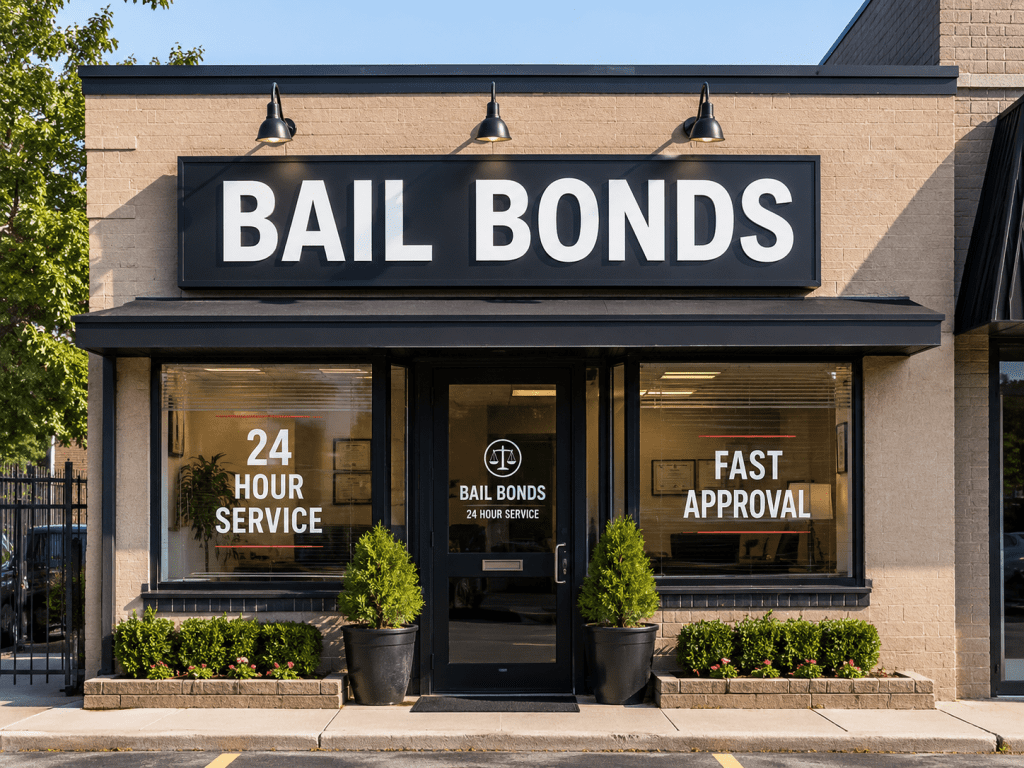
The bail bond business deals with people during difficult moments. Families may be upset. Defendants may be scared. Employees may have to answer emotional phone calls, explain serious obligations, and handle situations where money, freedom, and court requirements all collide.
That human side makes training important. Employees need to understand scripts, legal boundaries, documentation, customer service, safety, and escalation procedures. They must know how to be firm without sounding hostile and helpful without overpromising.
In many businesses, customer service is about convenience. In bail bonds, customer service is often about pressure management. A customer may not remember every detail of the fee structure, but they will remember whether the company treated them with respect and explained the process clearly.
This creates a leadership challenge. Owners must build a culture that is professional, disciplined, and responsive. They must hire people who can handle pressure and still follow procedures. That is not easy, and it is another reason the industry is more sophisticated than its public image suggests.
Even for business owners who have no interest in the bail bond industry, the model is worth studying. It combines many of the challenges that entrepreneurs face in other fields.
It requires fast decision making, but not reckless decision making. It requires sales, but also risk control. It depends on local marketing, but also regulatory knowledge. It needs customer service, but also firm contract enforcement. It can generate strong revenue, but only if cash flow and collections are managed properly.
The industry also shows how misunderstood businesses can contain serious operational depth. Some of the most interesting business lessons come from industries that do not receive much mainstream attention. Waste management, equipment leasing, court reporting, title insurance, private security, repossession, commercial cleaning, and bail bonds all have more strategy behind them than casual observers may assume.
A bail bond company that survives over time is usually doing more than answering the phone. It is managing risk, building referral channels, tracking obligations, using technology, controlling cash flow, and staying alert to legal requirements. Those are the same disciplines that drive success in many other industries.
Bail bond companies are more sophisticated than many people think because the business is built on risk, timing, trust, compliance, and financial discipline. The public may see only the urgent customer transaction, but behind that transaction is a complex operating model. For entrepreneurs, the industry is a reminder that every business has layers beneath the surface. The companies that last are usually the ones that understand their risks, manage their cash, train their people, use technology wisely, and communicate clearly when customers need help the most.