
Commercial landscaping was once viewed primarily as a maintenance service. Property owners hired contractors to mow lawns, trim hedges, remove weeds, and keep outdoor areas presentable. Although those responsibilities remain…
Read More...


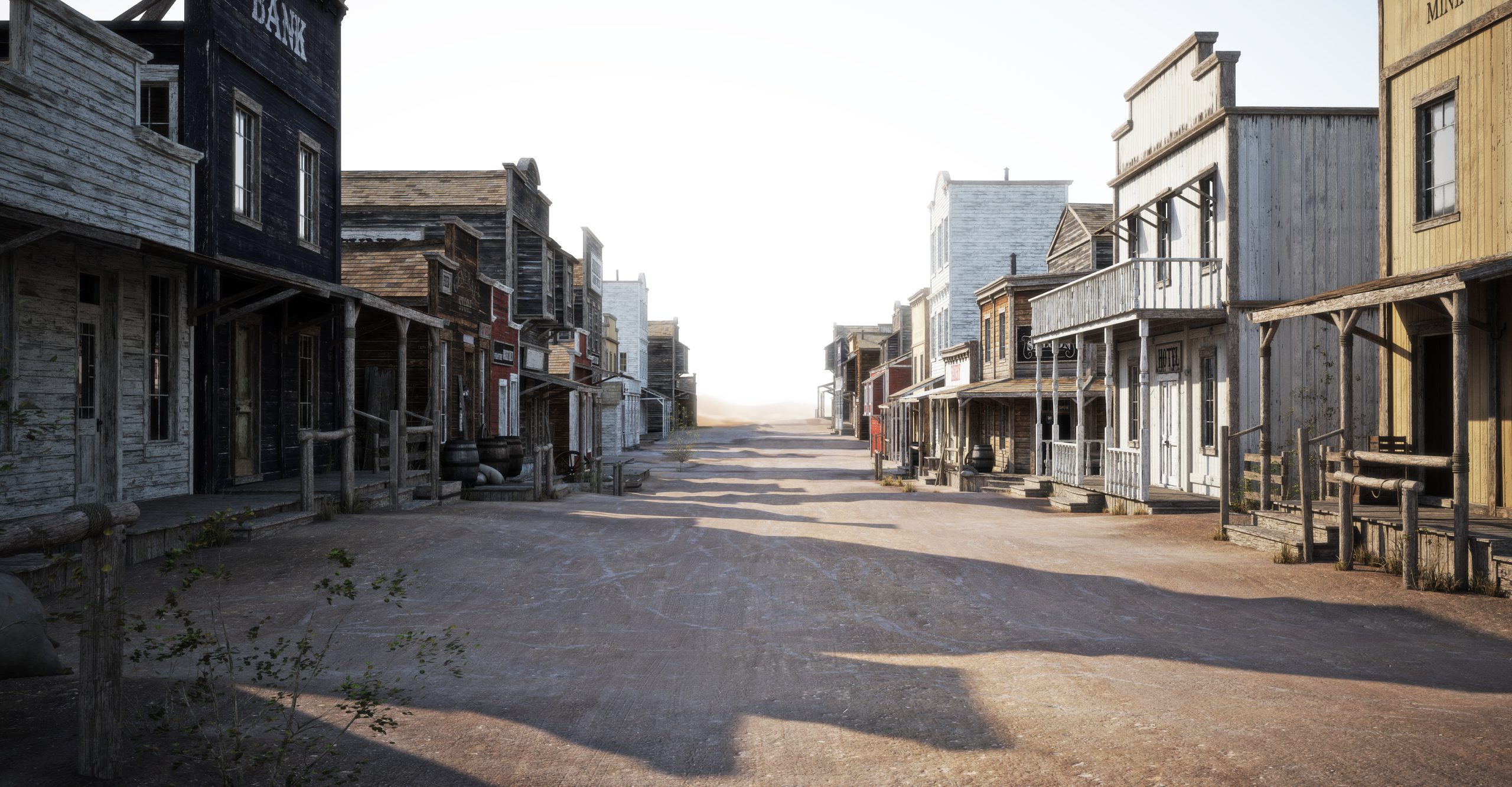


Ghost towns once carried a very simple meaning. They were places people left behind. A mine closed. A railroad route changed. A factory shut down. A local economy disappeared, and the buildings that remained became reminders of a different era. For years, many of these places were viewed as historical curiosities, roadside attractions, or abandoned properties with more problems than promise.
That perception is starting to change. A new kind of investor is looking at ghost towns with a different set of eyes. These are not always traditional real estate buyers chasing apartment buildings, office parks, or suburban retail centers. Many are entrepreneurs, hospitality operators, preservation minded investors, content creators, tourism developers, and long term business owners who see opportunity in places that other people have written off.
The idea is not as simple as buying cheap land and waiting for it to appreciate. Ghost Towns can come with complicated title issues, poor access, environmental concerns, old buildings, infrastructure challenges, and local worries about preservation. However, they also come with something that is hard to manufacture: a story. In a business environment where consumers are overwhelmed with sameness, a forgotten town with history, character, and physical presence can become a powerful foundation for a distinctive venture.
The modern real estate investor is dealing with a more difficult market than the one that existed several years ago. Higher borrowing costs have changed the math on many deals. When interest rates rise, monthly debt service becomes more expensive, refinancing becomes less predictable, and speculative purchases require more discipline. Investors who once relied on cheap capital and rapid appreciation now need stronger operating plans.
That is one reason unusual real estate is getting more attention. Investors are searching for assets where value can be created through vision, operations, branding, and experience, not just through market inflation. Ghost Towns fit into that category because the purchase price may reflect neglect, complexity, or limited traditional demand, while the future value may depend on how well the property can be repositioned.
A conventional building may compete against dozens of similar buildings in the same market. A restored mining town, desert settlement, rail stop, or historic village is different. It can become a hospitality project, film location, retreat center, event venue, museum style attraction, off grid living concept, or mixed use destination. The investor is not simply buying land. The investor is buying a platform.
This does not make the investment easy. In many cases, the real work begins after the purchase. Roads may need improvement. Water access may be limited. Power may require solar, battery storage, generators, or utility upgrades. Buildings may need structural work, environmental review, and code compliance. The investor must think more like an operator than a passive owner.
One of the strongest assets connected to ghost towns is narrative. People are drawn to places with mystery, history, and authenticity. A new hotel can be beautiful, but a restored town with original buildings, old photographs, preserved artifacts, and a documented past has a different emotional pull.
That is why projects like Cerro Gordo have attracted so much attention. The former California mining town has become a well known example of how an abandoned place can be repositioned around preservation, tourism, storytelling, and digital media. Its appeal is not based only on the land. It is based on the full experience, including its mining history, remote setting, restoration effort, and ongoing public interest.
This type of real estate has a built in content advantage. A ghost town can generate stories for social media, YouTube, newsletters, blogs, documentaries, travel writers, historians, and local news outlets. In a market where customer acquisition is expensive, a property with a compelling backstory can reduce the burden of constantly paying for attention.
That matters for entrepreneurs. A standard vacation rental may have to compete on price, location, amenities, and reviews. A restored ghost town can compete on emotion. Guests are not just booking a room. They are buying into a rare experience. That difference can support premium pricing if the operation is professional, safe, and memorable.
The experience economy has changed how many people spend money. Travelers increasingly look for unique stays, unusual destinations, outdoor adventures, and places that feel personal rather than mass produced. This trend has helped companies such as Airbnb, Hipcamp, and AutoCamp build businesses around stays and experiences that do not always look like traditional hotels.
Ghost Towns can fit naturally into that landscape. A restored site may include cabins, glamping units, guided tours, dining events, photography weekends, historical reenactments, corporate retreats, small conferences, wellness retreats, or private buyout packages. The property can be monetized through multiple channels instead of relying on one revenue source.
A ghost town also gives the owner the ability to control the environment. Unlike a single storefront in a larger town, the operator may be able to design the entire guest experience, from arrival to lodging to entertainment to merchandise. That level of control can be valuable if handled properly.
However, hospitality based ghost town investments require operational excellence. Guests may enjoy rustic charm, but they still expect safety, cleanliness, communication, and a reasonable level of comfort. A property can be historic without being disorganized. The most successful operators will be the ones who balance authenticity with professionalism.
Some investors approach Ghost Towns purely as real estate. Others see preservation as part of the value creation strategy. That distinction is important. If an investor destroys the character of the place, the very feature that made it attractive may disappear.
Historic preservation can become a business advantage when it is handled with care. Original structures, old signage, mining remnants, rail related features, community halls, churches, schools, and general stores can all become part of the customer experience. They also create opportunities for partnerships with historians, universities, tourism agencies, local governments, and preservation groups.
Organizations connected to heritage travel, such as the National Trust for Historic Preservation, show how history and economic development can work together when communities value place based identity. A ghost town investor does not need to turn every building into a polished commercial space. Sometimes the more valuable strategy is to stabilize, document, and interpret what is already there.
Preservation also helps with public acceptance. Local residents, county officials, and regional tourism leaders may be more receptive to a project that respects history rather than one that treats the property as a novelty. Investors who ignore local sentiment may face reputational damage, permitting friction, or community resistance.
Elevated interest rates have forced many investors to rethink risk. When financing is inexpensive, buyers can sometimes justify weaker deals because debt costs are low and appreciation may cover mistakes. In a tighter rate environment, that cushion is smaller. Lenders are more selective, borrowers are more cautious, and projects with uncertain timelines receive closer scrutiny.
That makes ghost town investing both more difficult and more interesting. It is more difficult because these projects often require patient capital, upfront improvements, and flexible timelines. Traditional lenders may be cautious because the asset does not fit neatly into standard underwriting categories. Appraisals can be complicated. Comparable sales may be limited. Revenue history may not exist.
At the same time, higher rates can create opportunities for investors with cash, patient equity, or creative financing structures. Some sellers may be more willing to negotiate. Properties that do not appeal to conventional buyers may sit longer on the market. Investors who are not dependent on aggressive leverage may have an advantage.
The key is discipline. A ghost town should not be purchased because it sounds exciting. The buyer must understand acquisition cost, renovation cost, carrying cost, access, insurance, taxes, utilities, permitting, market demand, and realistic revenue. The romance of the concept cannot replace the numbers.
A serious investor will usually need more than one revenue stream. A ghost town may not generate enough income from tours alone, especially if it is remote or seasonal. The business plan should consider multiple ways to monetize the property while protecting the historic character.
Lodging is often the most obvious revenue source. Cabins, restored rooms, glamping tents, RV spaces, or limited boutique accommodations can generate recurring income. Event rentals can add another layer, especially for small weddings, retreats, photography groups, corporate gatherings, or brand activations. Film and commercial production can also be meaningful if the location has strong visual appeal.
Merchandise can be surprisingly important. Branded apparel, books, maps, replicas, local crafts, photography prints, and historical materials can all extend the customer relationship after the visit. Digital products may also work, including paid virtual tours, membership communities, restoration updates, and educational content.
There may also be opportunities in partnerships. Outdoor recreation brands, tourism boards, historical organizations, and travel companies may all have interest in distinctive destinations. Companies such as REI Co op and Backroads have built businesses around outdoor experience and active travel, showing how powerful place based adventure can be when packaged correctly.
The strongest model is usually not one big idea. It is a collection of connected revenue streams that make the property more resilient. If lodging slows during one season, tours, events, merchandise, media, or partnerships may help support the operation. That kind of blended model can be especially important when the property requires ongoing maintenance.
Entrepreneurs tend to see possibility where others see friction. That mindset explains why Ghost Towns can be attractive to founders and business builders. A traditional investor may look at a remote abandoned site and see repairs, risk, and uncertainty. An entrepreneur may see a brand, a destination, a media property, a hospitality business, and a long term asset.
The appeal is also personal. Many entrepreneurs want to build something with identity. A ghost town gives them a blank canvas, but not an empty one. The past is already there. The buildings, landscape, and history provide raw material for a future business.
There is also a scarcity factor. Anyone can open another online store or consulting firm. Very few people can own and revive an entire historic site. That rarity can help with marketing, investor interest, and customer loyalty. It can also attract volunteers, collaborators, and media attention.
Still, the same scarcity that creates opportunity also increases complexity. There may be no easy exit. The buyer pool for a revived ghost town is smaller than the buyer pool for a leased retail center or apartment building. Entrepreneurs need to think carefully about liquidity, management succession, and long term maintenance.
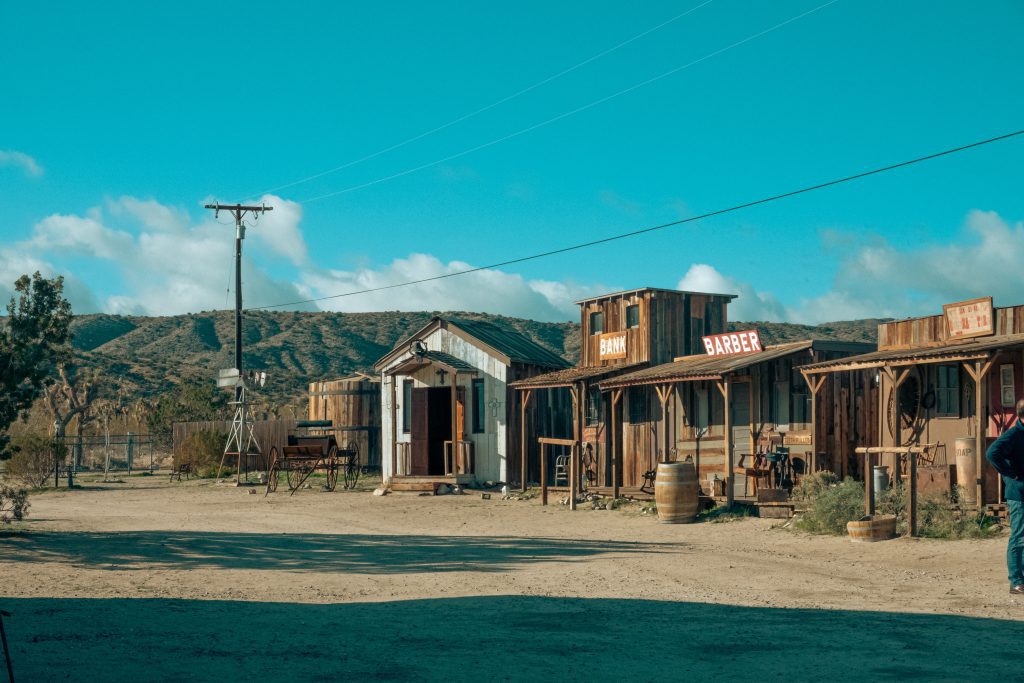
Ghost town investing should not be romanticized. These properties can involve serious risk. Environmental contamination may exist from mining, rail activity, fuel storage, or old industrial use. Buildings may be unsafe. Water rights may be unclear. Access roads may cross private or public land. Zoning may restrict certain commercial activities. Insurance may be expensive or difficult to obtain.
There can also be cultural and ethical concerns. Some sites may have Native American history, burial grounds, labor history, or tragic events connected to them. A responsible investor should research the full background of the property before turning it into a commercial attraction. The goal should be to respect history, not exploit it.
Operational risk is another issue. Remote hospitality is not easy. Staffing, emergency response, maintenance, guest transportation, food service, waste management, and weather related closures all need planning. A beautiful location can become a business problem if it is too hard to operate reliably.
That is why due diligence is critical. Investors should involve real estate counsel, surveyors, environmental consultants, engineers, local officials, insurance advisors, and hospitality professionals before committing capital. A low purchase price can become meaningless if the hidden costs are overwhelming.
The growing interest in Ghost Towns reflects a broader business shift. Investors and entrepreneurs are looking for assets with identity. They want places and brands that can stand apart in crowded markets. They are also looking for ways to combine real estate, media, tourism, and community development into one business model.
This is part of a larger movement toward experience based commerce. Consumers are not only buying products. They are buying stories, settings, access, and memories. A ghost town can become a physical platform for all of those things.
It also reflects a renewed interest in overlooked places. Not every business opportunity is located in a major city or high growth suburb. Some opportunities exist in forgotten areas where land, history, and imagination intersect. The challenge is separating realistic potential from fantasy.
For business owners, the lesson goes beyond ghost towns. It is a reminder that value is often created by seeing an asset differently. A warehouse can become a food hall. A factory can become loft offices. A farm can become an event venue. A forgotten town can become a destination. The asset matters, but the strategy matters more.
Ghost Towns are attracting a new kind of investor because they sit at the intersection of real estate, storytelling, tourism, preservation, and entrepreneurship. They are not easy assets, and they are not appropriate for investors looking for simple passive income. The best opportunities will likely go to buyers with patience, capital discipline, operational skill, and respect for history. In a market shaped by higher borrowing costs and greater competition for attention, forgotten places may offer something rare: a chance to create value from character, not just square footage. For the right investor, a ghost town is not merely a place people left behind. It can become the foundation for a business that gives an old location a new economic purpose.