
Commercial landscaping was once viewed primarily as a maintenance service. Property owners hired contractors to mow lawns, trim hedges, remove weeds, and keep outdoor areas presentable. Although those responsibilities remain…
Read More...


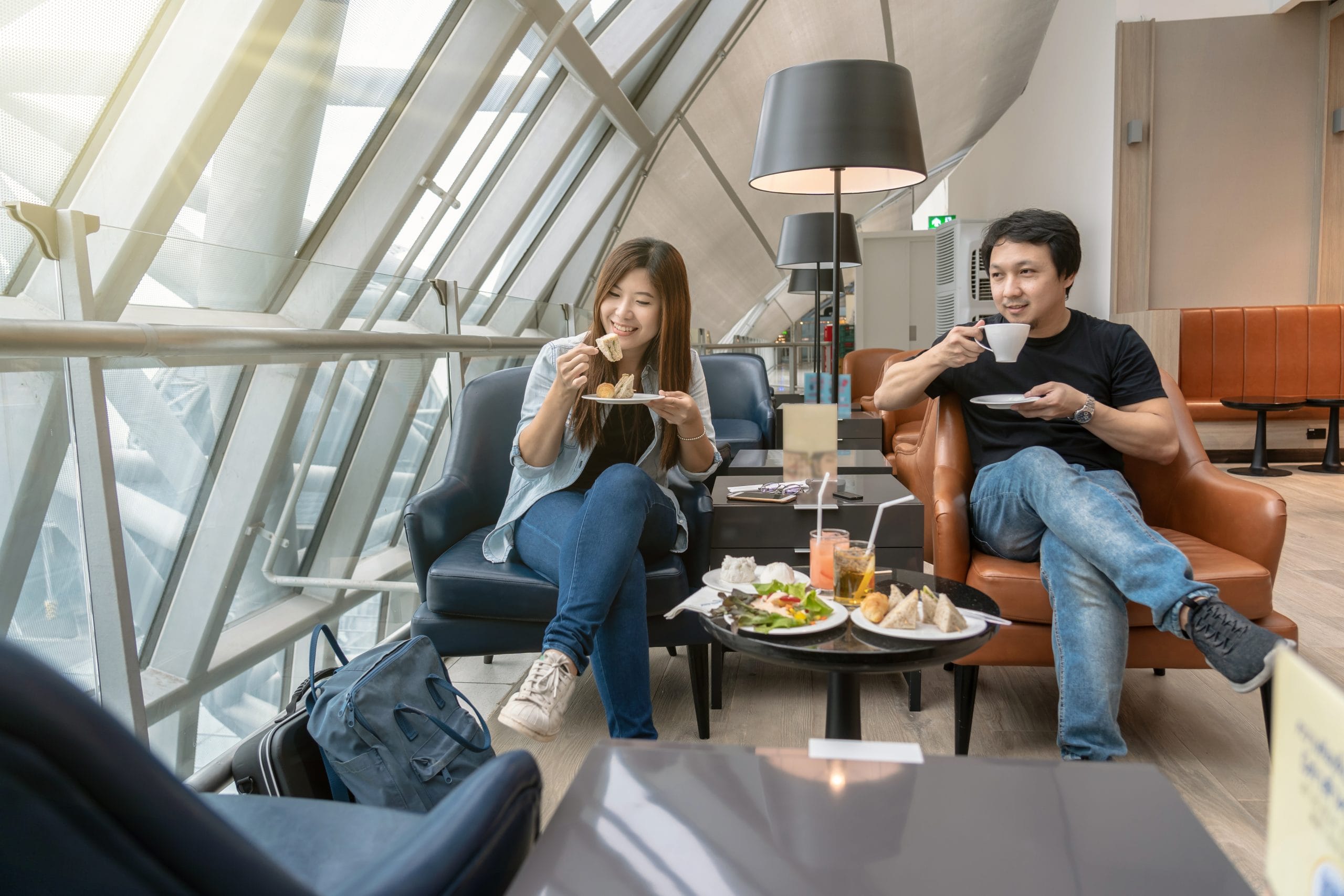


Airport lounges used to feel like a quiet perk tucked away from the main terminal. A traveler would show a card, scan a boarding pass, grab a coffee, maybe eat a small plate of food, and sit somewhere that did not feel like the gate area. To many people, that is still the public image of airport lounges: comfortable chairs, free snacks, faster Wi-Fi, and a little peace before boarding.
But from a business perspective, airport lounges are much bigger than that. They sit at the intersection of travel, hospitality, real estate, credit cards, loyalty programs, food service, branding, data, and customer retention. They are not just waiting rooms with better lighting. They are revenue platforms. They influence which credit card someone applies for, which airline a traveler stays loyal to, which airport feels premium, and which business traveler decides that a long layover is tolerable instead of miserable.
For entrepreneurs and business owners, the lounge industry offers a useful lesson: sometimes the product is not only what the customer consumes. The product is how the customer feels, how much time the business saves them, and how strongly that experience ties them to a larger ecosystem.
Airports are stressful places. Travelers deal with security lines, delays, crowded gates, noise, limited seating, expensive food, and uncertainty. That stress creates a business opportunity. When customers are tired, rushed, or anxious, they place a higher value on comfort, predictability, and access.
That is one reason airport lounges have moved from a luxury extra to a competitive business tool. Companies such as Priority Pass, Plaza Premium Group, Airport Dimensions, and Escape Lounges are not simply offering nicer chairs. They are selling access to a controlled experience inside an environment where customers often feel they have very little control.
This matters because airports are one of the few places where people are captive, time-sensitive, and already spending money. A traveler may not have the option to leave the airport for a better meal or a quieter workspace. A lounge can turn that trapped time into paid time, branded time, and loyalty-building time.
The economics are attractive because the same physical space can serve different revenue streams. Some travelers enter through airline status. Others enter through premium credit cards. Some pay for a day pass. Corporate travelers may get access through employer travel programs. Banks, airlines, airports, and lounge operators can all participate in the same customer experience while benefiting in different ways.
One of the biggest reasons airport lounges have grown is the premium credit card market. Banks do not use lounges only as travel benefits. They use them as customer acquisition and retention tools.
A cardholder may justify a high annual fee because lounge access feels tangible. Points and rewards can be abstract. A lounge is physical. It has food, seats, drinks, bathrooms, work areas, and staff. When a traveler enters a lounge with a premium card, the card benefit becomes real in that moment.
That is why companies such as American Express, Capital One, and Chase have invested in airport lounge experiences. The lounge becomes a brand statement. It tells the customer that this card gives access to something other travelers do not have.
For business owners, that is a powerful model. The best customer perks are not always discounts. Sometimes they are status, convenience, priority, or a better version of a common experience. A premium credit card is not only selling financial services. It is selling identity and access.
Airport lounges help banks reduce customer churn because travelers can build habits around the benefit. Once someone gets used to arriving early, working in a quiet room, eating before a flight, and avoiding the gate crowd, it can be hard to go back. That habit can make the card feel more valuable than its fee.
Airlines also understand that airport lounges can shape customer loyalty. A business traveler who flies several times a month may care about schedule and route network, but the ground experience matters too. A clean, well-run lounge can make a connecting flight less painful. A crowded or poorly managed lounge can damage the customer relationship.
Airlines such as Delta Air Lines and United Airlines use lounges as part of their premium ecosystem. The flight may only last two hours, but the total customer journey includes check-in, security, waiting time, delays, boarding, connections, and arrival.
That broader journey is where many businesses lose sight of the customer. They focus on the core product but ignore the experience around the product. Airlines learned that the pre-flight experience can influence loyalty almost as much as the seat itself.
A traveler who feels taken care of before boarding is more likely to associate the airline with reliability and comfort. That feeling matters, particularly when ticket prices, route options, and loyalty benefits are being compared. The lounge becomes a soft-power asset. It may not appear on the ticket receipt as a separate line item, but it can still influence repeat business.
Not every traveler is loyal to one airline. Not every airport has enough airline-operated lounges. Not every customer wants to qualify for elite status. Independent lounge operators stepped into that gap.
Companies such as Plaza Premium Lounge, The Club Airport Lounges, and Escape Lounges show how a business can build around shared-use access instead of a single airline brand. These lounges may serve passengers flying many different carriers, which gives airports a way to add premium amenities without relying solely on airline investment.
This is a smart business model because it separates the lounge experience from the airline ticket. A customer flying economy may still want a better airport experience. A family on vacation may pay for comfort during a long delay. A consultant may need a quiet place to work before a client meeting. A leisure traveler may want to start a trip with a premium feeling.
The independent model also gives airports another way to monetize space. Unused or underused airport real estate can become a revenue-producing hospitality asset. That is important because airports are no longer just transportation infrastructure. Many of them are retail centers, food halls, advertising platforms, parking businesses, and real estate operators.
The phrase free snacks undersells what lounges are trying to accomplish. Food and beverages are important because they create immediate value. A traveler can compare the lounge to buying lunch, coffee, or drinks inside the terminal. But the deeper strategy is about controlling the customer environment.
A lounge can use food to signal quality. Local dishes can make the experience feel connected to the city. Better coffee can appeal to business travelers. Grab-and-go items can help passengers with tight connections. A bar can create a social or premium atmosphere. Even simple items, when presented well, can make customers feel that they received value.
But food also has to be managed carefully. Too much cost can damage margins. Too little quality can disappoint customers. Long lines at a buffet can create the same frustration people were trying to escape from in the terminal. Lounge operators have to balance hospitality with throughput, staffing, inventory, waste, and capacity.
That balance is similar to what restaurant owners, hotel operators, coworking spaces, and event venues face. The customer sees the front-end experience. The operator has to manage labor, supply chain, layout, cleaning, maintenance, vendor relationships, and service consistency behind the scenes.
One of the clearest signs that airport lounges have become valuable is that many of them are crowded. In some airports, travelers encounter waitlists, entry restrictions, time limits, or tighter access rules. That can be frustrating for customers, but from a business standpoint, it confirms demand.
When a premium benefit becomes too popular, the operator has a strategic choice. It can build more capacity, limit access, raise prices, create tiers, or redesign the experience. Each option has tradeoffs.
If access is too easy, the lounge loses its premium feel. If access is too limited, customers may question the value of the card, airline status, or membership that promised them entry. If the lounge gets too crowded, the brand can suffer. If the company spends aggressively on more space, the economics may become harder to justify.
This is where lounge strategy becomes more sophisticated than it appears. It is not just about opening more locations. It is about matching access rules, space planning, customer expectations, and operating costs. A lounge that looks beautiful but cannot handle peak demand may hurt the brand. A lounge that handles volume but feels ordinary may not support premium pricing.
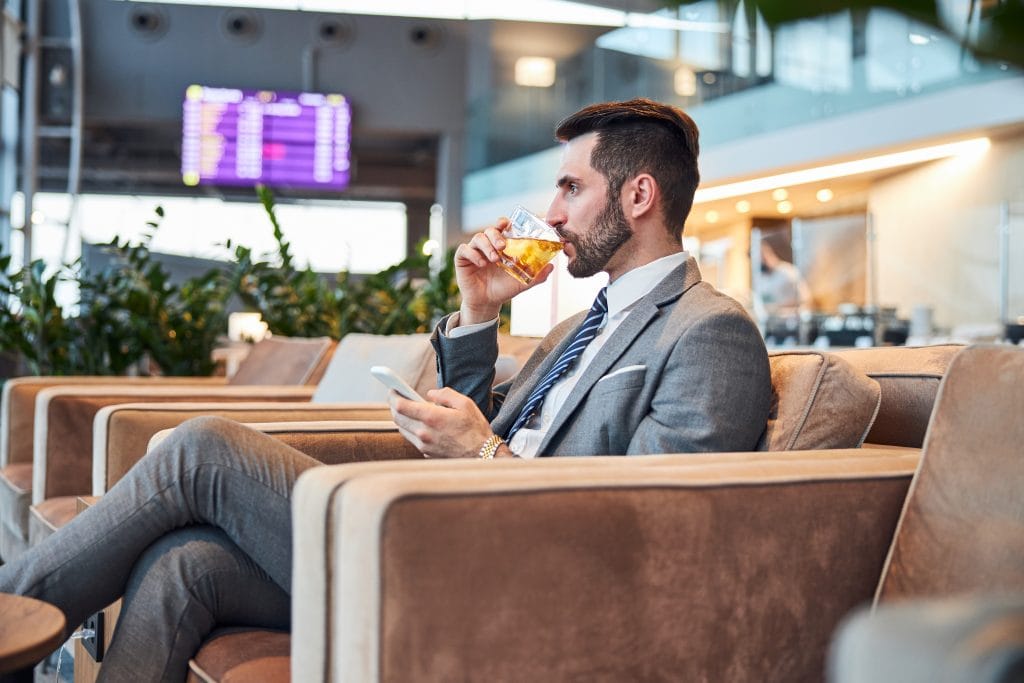
For business travelers, airport lounges can function like temporary offices. Power outlets, Wi-Fi, quieter seating, conference-friendly corners, and cleaner restrooms all matter. A salesperson traveling to a meeting may need to edit a proposal. An executive may need to take a call. A consultant may need to work during a delay. A founder may need to review numbers before landing in a new city.
This is why lounges are not only about luxury. They are also about productivity. A traveler who can turn an airport delay into work time receives a different kind of value. The lounge becomes a productivity product disguised as hospitality.
That idea has broader business relevance. Many successful products win because they save time, reduce friction, or help customers perform better. The customer may describe the benefit as comfort, but the business value is often efficiency.
A crowded gate area is not designed for work. A lounge, when done well, is designed for controlled waiting. That is a meaningful distinction. Waiting is usually dead time. Controlled waiting can become productive, relaxing, or commercially valuable.
Airport lounges are also partnership machines. A lounge can partner with credit card issuers, airlines, airports, food vendors, beverage brands, technology providers, and travel platforms. Each partner may see a different benefit.
A bank gets a premium customer benefit. An airline improves loyalty. An airport upgrades the passenger experience and monetizes space. A food brand gets exposure to travelers. A technology provider may support access control, reservations, occupancy tracking, or customer data. The lounge operator sits in the middle and coordinates the experience.
This is a useful lesson for entrepreneurs. A strong business model can become more valuable when it solves problems for multiple parties at once. The customer gets comfort. The bank gets retention. The airport gets revenue. The airline gets loyalty. The operator gets volume.
That multi-sided value is one reason airport lounges can support different access models. A single location may welcome travelers through day passes, memberships, credit card programs, airline arrangements, and corporate travel channels. The more carefully those channels are managed, the more resilient the business can become.
The airport lounge business is a reminder that premium positioning often comes from context. A sandwich in a normal setting is just lunch. A quiet seat, decent meal, clean restroom, and reliable Wi-Fi inside a chaotic airport can feel like a major upgrade. The value of the service rises because of the environment around it.
Entrepreneurs should pay attention to that. Customers do not evaluate products in isolation. They evaluate them against pain, urgency, convenience, alternatives, and expectations. If a business can solve a problem at the exact moment a customer feels it most, the product can command stronger loyalty and better pricing.
Airport lounges also show the importance of packaging. The same customer may hesitate to pay for a single visit but gladly pay for a premium card that includes access. Another customer may not buy a lounge membership but may choose an airline because lounge access is part of status. Packaging changes perception.
There is also a lesson in customer segmentation. Not every traveler wants the same thing. Some want quiet. Some want food. Some want drinks. Some want showers. Some want a private work area. Some want a family-friendly space. The best lounge strategies recognize that premium does not mean one-size-fits-all. It means matching the experience to the customer segment.
The next stage of airport lounges will likely be more specialized. Instead of one general lounge format, airports may see more branded spaces, smaller premium concepts, arrival lounges, wellness rooms, family areas, business-focused lounges, and pay-per-use experiences. The category can stretch because traveler needs are different depending on trip type, airport, route, and time of day.
JetBlue, with its BlueHouse concept, shows how airlines that historically did not rely on lounge networks can still use lounges to strengthen premium positioning. That move reflects a broader point: lounges are no longer just amenities for legacy airlines. They are becoming competitive tools across the travel industry.
Technology will also play a larger role. Reservation systems, occupancy controls, app-based entry, personalized offers, and better customer flow can make lounges more efficient. A lounge that knows when it is likely to be crowded can adjust staffing, food prep, and access. A customer who can see availability before arriving may have a better experience before even walking through the door.
Still, the core appeal will remain simple. Travelers want relief from the terminal. Businesses want loyalty and revenue. Airports want better use of space. Lounge operators want scalable hospitality. When those interests meet, the result is a business category that is much bigger than snacks and coffee.
Airport lounges are a strong example of how a business can turn discomfort into demand. They take an ordinary part of travel, the waiting period, and convert it into a premium experience with multiple revenue paths. For business owners, the larger lesson is clear: opportunity often lives in overlooked moments. When a company can improve a stressful experience, package it well, and connect it to loyalty, partnerships, and recurring value, even a waiting room can become a serious business.